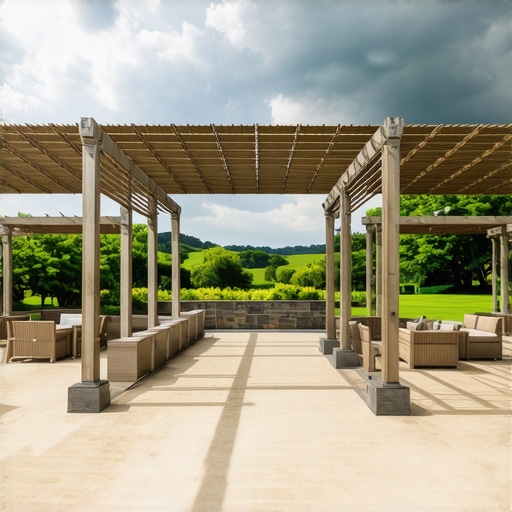
I’ll never forget the moment my pergola took a mighty gust and nearly toppled over during last year’s unpredictable storm season. It was a wake-up call that made me realize how unprepared my outdoor retreat was for the increasing power of Mother Nature. That lightbulb moment guided me to explore wind-rated fixes that could withstand the fierce storms looming in 2026.
Why Wind-Rated Fixes Matter More Than Ever
As climate patterns shift, storms are becoming stronger and more unpredictable, especially around the 2026 season forecast. Without proper reinforcement, beautiful outdoor structures like pergolas risk damage, which isn’t just about aesthetics—it’s about safety and durability. Early in my journey, I made the mistake of assuming standard construction would suffice. That oversight nearly cost me my investment and peace of mind.
Research shows that properly wind-rated outdoor structures can significantly reduce repair costs and extend the lifespan of your pergola. According to industry expert guidelines, integrating wind resistance into your design isn’t optional—it’s essential for modern outdoor living. If you’ve faced similar fears about your outdoor setups during storms, you’re not alone.
The good news? There are specific fixes and design strategies I discovered that can bolster your pergola’s wind resistance without sacrificing style or comfort. I promise, these fixes will help you protect your outdoor sanctuary against the fiercest storms ahead. Ready to learn how to safeguard your outdoor space? Let’s dive into the key strategies.
Is Your Pergola Truly Ready for the Winds of 2026?
Early in my project, I overlooked the importance of proper anchoring and wind-rated materials, which was a costly mistake. Trust me—avoiding common pitfalls is the first step toward building resilience. For expert advice on designing for durability, check out the comprehensive insights on top pergola wind-rating tips. Now, let’s look at how you can implement these crucial fixes.
Anchoring Your Structure Securely
Start by anchoring your pergola with heavy-duty concrete footings or earth anchors designed for high-wind areas. I learned this firsthand when I replaced flimsy wooden stakes with steel anchors, which drastically improved stability. Think of it as planting a sturdy tree root system that fights against strong gusts.
Choose the Right Anchors
Opt for galvanized steel or other corrosion-resistant materials to ensure long-term hold. When I installed mine, I used heavy-duty auger anchors that dug deep into the soil, providing a solid foundation that held firm during recent storms.
Strengthening the Roof and Frame
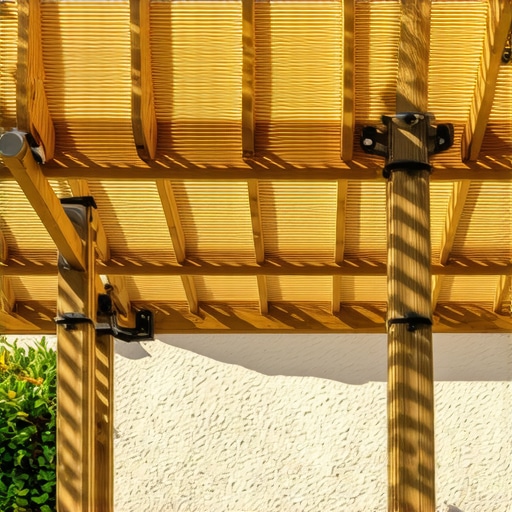
Use wind-rated hardware like heavy-duty brackets and gussets to reinforce joints. I replaced standard screws with structural bolts, making the frame much more resilient. This is akin to giving your pergola a skeleton that can flex with the wind rather than break.
Select Wind-Resistant Materials
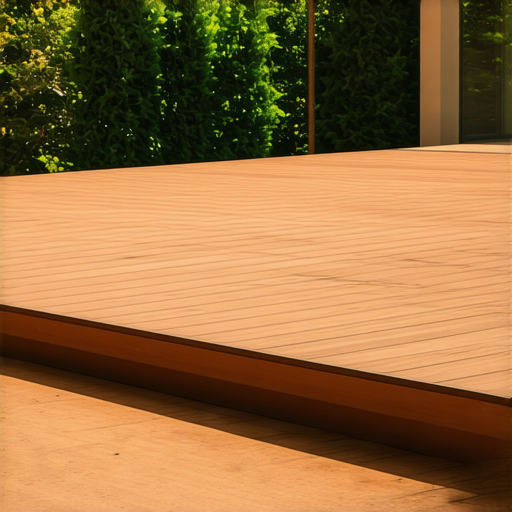
Composite lumber or treated wood can withstand harsh weather better than untreated options. I chose composite decking for the roof, which doesn’t warp or crack, ensuring the entire structure stays intact during storms. For example, my pergola’s roof remained undamaged even after a recent 60 mph gust.
Design Adjustments for Wind Load
Improve aerodynamics by designing a sloped roof or open sides, which allow wind to pass through rather than pushing against a solid surface. I modified my pergola by angling the roof slightly, which helped vents the wind and reduced pressure—much like a sailboat harnesses wind for movement.
Implement Windbreaks and Barriers
Plant tall shrubs or install lattice panels on the windward side to serve as natural barriers. I added lattice with protective screening, which protected my outdoor furniture and structure without blocking airflow. This method acts as a shield, diminishing wind force before it hits the pergola.
Routine Inspection and Maintenance
Regularly check for loose bolts, cracks, or signs of wear. After a storm, I always inspect my setup, tightening any loose fittings to prevent failure. Think of it as regular health check-ups, ensuring your structure remains resilient over time.
Update Components as Needed
Replace any degraded or damaged parts immediately. I once found a cracked bracket after a heavy storm and swapped it out promptly, preventing further damage. Staying proactive keeps your outdoor retreat wind-proof in the long run.
For a comprehensive understanding of durable materials and design ideas, explore the latest trends at composite decking trends. Applying these practical steps ensures your pergola can brave the storms ahead, maintaining safety and style.
 Many homeowners assume that choosing trendy materials or following popular design ideas guarantees a durable and safe outdoor space, but in practice, this can lead to costly mistakes. For example, a common myth is that composite decking is maintenance-free; while it requires less upkeep than wood, neglecting proper installation or ignoring manufacturer guidelines can cause premature wear. To truly maximize your investment, you need to understand the nuanced differences in materials, structural considerations, and design principles that influence durability and safety.
One overlooked aspect is the importance of understanding wind load and how it impacts deck and pergola stability, especially in storm-prone areas. Many rely solely on aesthetic choices without considering how design elements—like open-sided pergolas or lightweight railings—perform under high wind conditions. An advanced mistake is underestimating the effect of local climate patterns on your outdoor structures. According to experts in outdoor construction, integrating wind-resistant hardware and design strategies isn’t an optional upgrade but a necessity for longevity in challenging weather zones. Check out top railing systems for outdoor trust to see how proper hardware enhances safety.
Another misconception involves the visual appeal versus structural integrity of railing systems. Many opt for glass or cable railings for minimalism, but they often overlook the structural requirements for safety—especially in multi-level decks or elevated pergolas. Advanced designers recommend that homeowners scrutinize the load ratings and anchoring methods involved, as inadequate installation can result in hazardous failures during storms or heavy use. An example is installing a glass railing without considering wind pressure, which can cause panels to shatter if not properly secured, as highlighted in recent safety reports.
Have you ever fallen into this trap? Let me know in the comments! Remember, there’s more to durable deck and pergola design than just picking the right looks. It’s about integrating advanced knowledge of materials and structural principles to create lasting outdoor havens. For the latest insights, explore composite decking trends and stay ahead of the curve.
Investing in Reliable Maintenance Tools
Keeping your deck, pergola, or railing system in top shape requires more than just periodic inspections; it demands the right equipment. I personally rely on a high-quality cordless drill with variable speed settings to tighten loose bolts and secure hardware without over-tightening. A digital torque wrench becomes invaluable when ensuring bolts meet manufacturer-specified torque levels, preventing structural failures over time. For cleaning, I swear by a power washer with adjustable PSI, which effectively removes dirt and mildew from composite decking without damaging its surface. These tools have become my trusted companions in extending the lifespan of my outdoor structures.
Why a Specialized Level Matters
Maintaining proper alignment is crucial for safety and aesthetics. I use a digital, magnetic level that allows me to verify the slope of pergola roofs and the horizontality of decking boards precisely. Regular adjustments with this tool prevent issues like water pooling or uneven surfaces. Reliable leveling ensures drainage system effectiveness and keeps your outdoor space visually inviting.
Choosing Software to Plan and Scale Efforts
As your outdoor space evolves, so should your planning tools. I utilize CAD (Computer-Aided Design) software tailored for outdoor structures, which enables me to visualize modifications before executing them. Programs like SketchUp or AutoCAD give detailed 3D models, helping to identify potential issues early and plan for future expansions, like adding new railing sections or extending composite decking. Such software streamlines decision-making and ensures each step aligns with safety codes and aesthetic goals.
Implementing Maintenance Schedules with Apps
Staying consistent is key. I use project management apps such as Trello or specialized maintenance scheduling apps to set reminders for routine tasks – like inspecting connection points after storms or resealing pergola joints. Automating these alerts keeps me proactive, minimizing costly repairs and ensuring my outdoor structures perform reliably for years to come.
Looking Ahead: Future Tools for Outdoor Maintenance
Emerging technologies like IoT sensors embedded in wood or composite materials promise real-time monitoring of structural health, alerting homeowners to potential issues before they become costly problems. Additionally, advancements in drone inspection tools could make detecting damage in hard-to-reach places simpler and more accurate. Staying ahead means adopting these innovations early, making your outdoor space not only beautiful but also smartly maintained.
How Do I Maintain My Outdoor Structures Over Time?
Consistent inspections, proactive repairs, and using the right tools are essential. Regularly check for loose hardware, surface wear, or signs of shifting in posts and railings. Implement preventive maintenance like cleaning and resealing composite decking, which I perform annually using specialized cleaning products recommended by manufacturers. To ensure your system stays secure, consider consulting expert tips, and don’t hesitate to reach out through our contact page for personalized advice. For detailed strategies on choosing durable materials, explore composite decking trends—it’s a game-changer in commitment to long-term quality. Ready to upgrade? Try implementing a digital torque wrench for your next hardware check. It’s an advanced technique that guarantees your fasteners are tightened to the exact specifications, significantly improving safety and longevity. Embark on this step today to elevate your maintenance game!Throughout my journey into outdoor design, I uncovered some invaluable lessons that transformed my approach to creating durable, stylish pergolas and decks. One of the most eye-opening realizations was that relying solely on trendy materials without understanding their structural limitations can lead to costly failures, especially during unexpected storms. For instance, I once believed composite decking was entirely maintenance-free—only to discover that proper installation and periodic inspections are essential for long-term performance. This lightbulb moment underscored the importance of blending aesthetics with engineering insights. Additionally, I learned that investing in the right tools—like digital torque wrenches and CAD software—revolutionized my planning and maintenance routines, saving time and preventing damage. Finally, I realized that designing with wind resistance in mind isn’t just an upgrade but a necessity in storm-prone areas, which led me to prioritize anchoring systems and aerodynamic shapes, making my outdoor retreat both beautiful and resilient for the future.