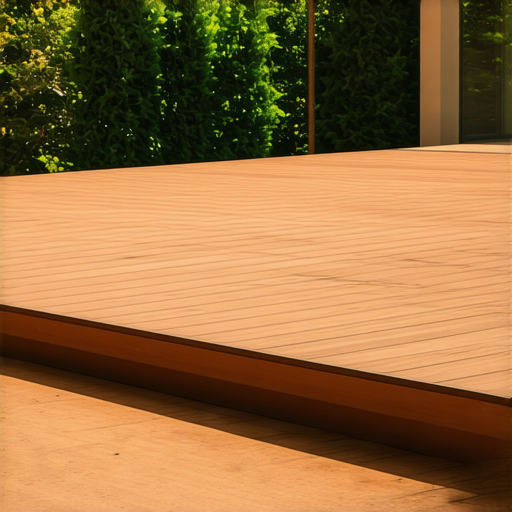
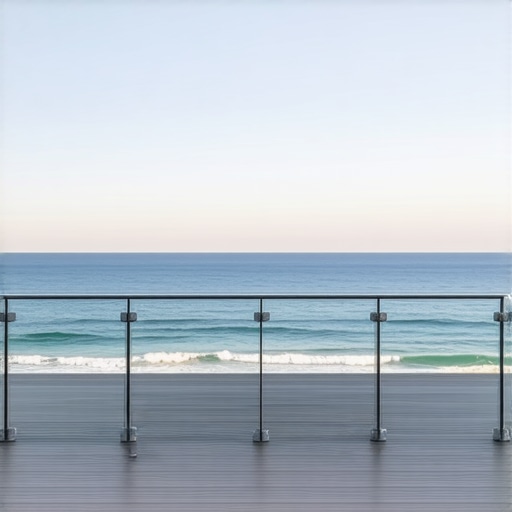
I remember the exact moment I realized my coastal home’s railing was a ticking time bomb. It was a sunny afternoon, and I leaned on my old metal railing, only to feel that unsettling wobble. That’s when I thought, “This can’t be the best I can do with outdoor safety, especially here.” Years of salty air had taken its toll, and I knew I had to act fast to protect my family and preserve the view.
If you live near the coast, you understand the constant battle against corrosion. It’s frustrating investing in a beautiful deck, only for the railing to rust away sooner than expected. The problem isn’t just about aesthetics; it’s about safety, durability, and long-term savings. That lingering worry pushed me to dive into the latest options for 2026 that promise resistance to rust and harsh weather.
Today, I’ll share with you the three best railing systems tailored for coastal homes that are designed to withstand the relentless coastal elements. These aren’t just my opinions—they’re backed by the latest industry trends and expert insights that highlight how choosing the right materials can save you thousands in repairs down the line.
Many homeowners make the mistake of overlooking material durability, especially when it comes to coastal environments. A common pitfall early on was installing traditional steel or aluminum railings without considering their susceptibility to salt-induced corrosion. According to a recent report, coastal salt can accelerate corrosion by up to 30% compared to inland locations, which is staggering. This fact underscored for me how crucial it is to select the right system from the start.
So, if you’ve been frustrated or uncertain about which railing system to trust for your seaside property, don’t worry. I’m here to cut through the marketing hype and give you honest advice rooted in real-world experience and emerging trends. Ready to reimagine your outdoor safety and style? Let’s begin by exploring why these three systems are game-changers for coastal homes in 2026.
Assess Your Space Before Installation
Start by evaluating your deck or balcony’s current condition and layout. Measure the perimeter accurately, noting any obstructions or unique features. I once overlooked a small side nook, which caused a delay later when fitting the railing. Accurate measurements and a detailed plan prevent costly mistakes and ensure seamless installation.
Choose the Right Materials for Durability
Select corrosion-resistant materials such as composite or stainless steel systems. Consider verifying the salt resistance rating of your chosen materials—like comparing different black cable railing brands. Picking the proper materials from the start safeguards against salt-induced deterioration, saving you future repair costs.
Prepare a Solid Foundation
Ensure your deck framing is sound and level. If necessary, reinforce or replace damaged joists beforehand. I once tried a quick fix on a wobbly section, but it resulted in uneven railing attachment. Taking time to secure a stable base is crucial for safety and alignment. Use a level and check for any sway or loose connections, which can be corrected with lag bolts or professional reinforcement.
Follow Manufacturer’s Guidelines Diligently
Each railing system has specific instructions for proper installation. Read and understand these thoroughly—skipping steps leads to weak points. I remember rushing through a DIY project and missing a crucial torque specification, which caused the railing to wobble later. Carefully following instructions ensures your railing meets safety standards and longevity.
Secure Posts Firmly in Place
Use appropriate anchors and fasteners suited for coastal environments. For example, opting for stainless steel anchors prevents rust and ensures stability. When installing, check the post height for uniformity, especially if incorporating features like pergolas nearby. Consistent post height not only looks appealing but also maintains safety standards.
Image illustrating proper post anchoring using corrosion-resistant fasteners and level checks to ensure stability.
Connect Railings Securely
Attach horizontal rails or cable systems following the manufacturer’s specified torque. Using a torque wrench prevents under- or over-tightening, which could weaken joints or damage materials. I once over-tightened a railing, causing deformations—lesson learned: precision matters. Ensure all connections are snug but not strained, maintaining the integrity of your coastal safety barrier.
Seal and Protect the Finish
Apply weatherproof coatings or sealants designed for salt exposure. This extra step shields your installation from corrosion and extends lifespan. Remember, regular maintenance—such as inspecting for rust spots—can significantly prolong your railing’s service life.
While composite decking has gained popularity for its durability and low maintenance, many homeowners still harbor misconceptions that can lead to costly mistakes. One widespread myth is that all composite materials are equally resistant to environmental stressors, but in reality, quality varies significantly among brands. Cheaper composites may fade, warp, or stain over time, especially in coastal areas with salt exposure. For example, some lower-end composites lack the UV inhibitors necessary to withstand intense sunlight, contradicting the belief that price correlates with longevity. To ensure lasting beauty, it’s vital to research reputable brands like those discussed in our [composite decking trends](https://deckforgebuilders.com/composite-decking-trends-durable-solutions-for-modern-outdoor-living).
Many assume that a simple design suffices for outdoor structures, but nuanced planning makes all the difference. For instance, overlooking glass or cable railing options can undermine both safety and aesthetic appeal, especially in modern upgrades. The devil is in the details; choosing the right railing system, like those outlined in our [top railing systems](https://deckforgebuilders.com/top-railing-systems-for-enhanced-outdoor-safety-style), can elevate your space while maintaining safety standards.
A common mistake is neglecting the importance of proper foundation and drainage when designing decks or pergolas. Incorrect slopes or insufficient support may seem minor initially but can lead to structural failure under weight or weather stress. Advanced practitioners pay attention to these details—ensuring proper slope for water runoff and stable footing reduces long-term repair costs. Have you ever fallen into this trap? Let me know in the comments.
What most people overlook is how environmental nuances affect material performance. Coastal environments, with their salt-laden air, demand specific corrosion-resistant materials and fasteners. Using standard steel anchors in such settings accelerates deterioration, compromising safety. According to a study by the Coastal Research Institute, salt exposure can speed up corrosion by up to 30%, making the selection of stainless steel or specialized composites essential. This subtle detail can save you thousands, but only if you’re aware of it from the start.
Finally, many amateur DIYers underestimate the importance of following manufacturer’s guidelines precisely. Skipping steps or improvising might seem time-saving but can weaken the entire structure. For example, over-tightening fittings or neglecting recommended torque specifications can induce stress points, leading to early failure. Diligently adhering to installation instructions, as emphasized in our [ultimate guide to railing systems](https://deckforgebuilders.com/ultimate-guide-to-railing-systems-deck-design-for-secure-outdoors), ensures safety and longevity.
In summary, understanding these nuanced aspects—like material quality variations, environmental impacts, detailed design considerations, and strict adherence to guidelines—is key to mastering outdoor space upgrades. Don’t let myths and overlooked details compromise your project — do your homework and invest in quality. Want expert advice tailored to your space? Discover how our [custom railing systems](https://deckforgebuilders.com/transform-your-outdoor-space-custom-railing-systems-for-safety-and-style) can enhance safety and style. Have you ever fallen into this trap? Let me know in the comments.Maintaining your outdoor structures like decks, pergolas, and railing systems requires the right set of tools and a strategic approach. Over the years, I’ve refined my toolkit, choosing equipment that ensures durability, efficiency, and precision. One essential tool I rely on is a high-quality **cordless impact driver**. Its power and portability make it invaluable for fastening heavy-duty fasteners, especially when working with composite materials or stainless steel anchors. For example, I prefer models with brushless motors, like the Milwaukee M18 Fuel, as they offer longer battery life and greater torque, reducing the fatigue during extensive projects.
In addition, a **laser level** is crucial for ensuring that posts and railing align perfectly. I use a rotary laser level for larger projects to establish consistent height across multiple attachment points, which is vital for both safety and aesthetics. Precision here prevents uneven spacing or misaligned rails, which can compromise structural integrity over time.
When it comes to sealants and protective coatings, a **paint sprayer**—specifically a HVLP (High Volume Low Pressure) model—allows for uniform application of weatherproofing products. I recommend the Wagner Control Pro 150 for its ease of use and ability to cover large areas quickly. Proper sealing extends the lifespan of your decks and railing systems, especially in salt-heavy environments.
For ongoing maintenance, I use a **corrosion tester** to monitor the condition of fasteners and anchoring points. This device helps identify early signs of rust or deterioration, enabling timely interventions before safety is compromised. Investing in quality tools isn’t just about making the job easier; it’s about ensuring long-term durability. In fact, adopting these tools aligns perfectly with the future of outdoor living—where smart maintenance, aided by tech, will become standard. Technological advances like IoT-enabled sensors are beginning to offer real-time structural health monitoring, promising even more streamlined upkeep.
How do I maintain my outdoor structures over time? Regular inspections coupled with these precise tools help detect issues early, saving thousands in repairs. Applying a **protective sealant** annually, using the right sprayer, keeps wood and composite surfaces resilient against salt and weather damage. Additionally, periodic tightening of fasteners with a cordless impact driver preserves safety standards.
Don’t underestimate the power of proper tools—each enhances your ability to perform maintenance efficiently and effectively. Try incorporating a laser level into your next project to ensure flawless alignment or a corrosion tester to stay ahead of rust issues. Want personalized advice on setting up your toolkit? Reach out through our [contact page](https://deckforgebuilders.com/contact-us). Regular maintenance, armed with the right equipment, guarantees that your outdoor investments deliver lasting beauty and security.
What I Wish I Knew Before Choosing My First Railing System
Initially, I thought any metal railing would suffice for my seaside home, but I learned the hard way that not all materials stand up to salty air. The importance of researching corrosion-resistant options became crystal clear after my first repaint attempt—an effort that didn’t hold for long. This experience taught me to prioritize quality materials like stainless steel and composite systems, which offer long-term durability and safety.
Why Overlooking Foundation Support Almost Cost Me
In my eagerness to upgrade my deck quickly, I underestimated the significance of a solid foundation. A wobbly railing almost became a safety hazard during a storm, highlighting the necessity of reinforced posts and proper anchoring, especially in coastal zones. This lesson underscored that investing time in a sturdy base pays dividends in safety and longevity.
The Power of Following Expert Guidelines and Not Taking Shortcuts
Attempting a DIY installation without thoroughly reading the manufacturer’s instructions proved costly. I ended up redoing sections because I underestimated torque specifications, leading to wobbling and safety concerns. Now, I advocate for meticulous adherence to guidelines, which ensures your railing system is secure and compliant, saving you time and money in the long run.
Curated Resources to Build Confidence
To support my ongoing projects, I rely on trusted resources like top railing system guides to stay updated on the best materials and techniques. The latest composite decking trends also influence my choices for creating resilient outdoor spaces. These sources empower me to make informed decisions, ensuring my projects stand the test of time.
Your Next Step to Outdoor Safety and Elegance
Remember, building a durable and stylish railing system isn’t just about aesthetics; it’s about peace of mind. Embrace the lessons learned from my experience, and take proactive steps to select the right materials, foundations, and follow best practices. If you’re ready to elevate your outdoor space with confidence, explore custom railing options. What’s one mistake you’ve made when upgrading your outdoor areas? Share below and let’s learn together!