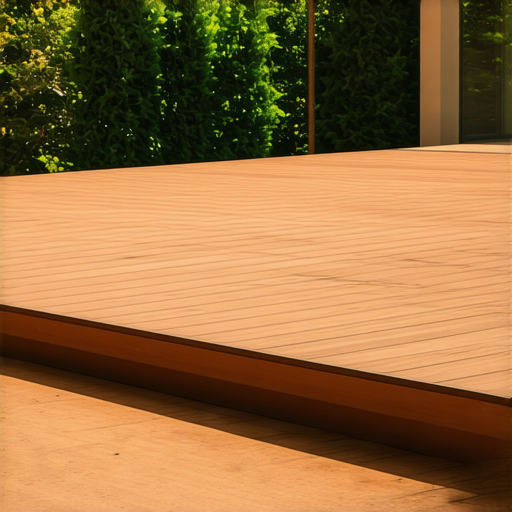
I’ll never forget the moment I stepped out into my backyard last summer, ready to enjoy a weekend cookout, only to find my pergola’s beam sagging noticeably. It was like witnessing a beloved old friend gradually giving way, and honestly, I felt a mix of frustration and helplessness. Juggling the desire to preserve my outdoor oasis while facing the reality of aging wood can be a real headache, especially when you want a quick, cost-effective fix.
Why Fixing That Sagging Pergola Beam Matters More Than You Think
Here’s the thing: a sagging pergola isn’t just about aesthetics. If left unaddressed, it can compromise structural integrity, risking further damage or even collapse—scary stuff for any homeowner invested in outdoor safety. Plus, a drooping beam can ruin the vibe of your outdoor space, making it look neglected or unsafe, which isn’t what we want when hosting friends or relaxing on a weekend.
Is Repairing Pergola Beams Really Worth the Effort?
When I first faced this problem, my initial instinct was to replace the wood entirely. That was a costly mistake I wish I’d avoided—early on, I learned that many sagging beams can be effectively fixed with simple methods that don’t involve ripping everything out. According to [HomeAdvisor](https://www.homeadvisor.com/r/wood-fix-sagging/), innovative repair techniques can extend the life of your existing wood significantly, saving you money and time. Trust me, I’ve been there—trying to skip the fix and ending up with a worse mess. You don’t have to make the same mistake.
Ready to learn how to stabilize your pergola beam and keep your outdoor space looking its best? Let’s dive into practical, proven ways to restore your pergola’s charm without the need for costly replacements.
Assess the Sagging Beam and Determine the Cause
Start by carefully inspecting the beam to understand the extent of the sag and identify any visible damage or aging. Use a level to check for unevenness and look for cracks or rot. Remember, a sagging beam often results from weakened support posts, soil movement, or rotten wood. When I faced my own pergola issue, I noticed a noticeable tilt and discovered that the support post had shifted due to unstable footing. This step clarifies whether you need simple reinforcement or a more extensive repair.
Reinforce or Replace Support Posts
If the support posts are compromised, strengthening them is crucial before fixing the beam. For wooden posts, add concrete footings below ground for stability. For metal posts, ensure they are anchored properly or consider replacing them if rusted or damaged. I once used pressure-treated lumber to create temporary braces while pouring new concrete footings, which stabilized the structure temporarily and prevented further sagging.
Install Supporting Braces or Hardware
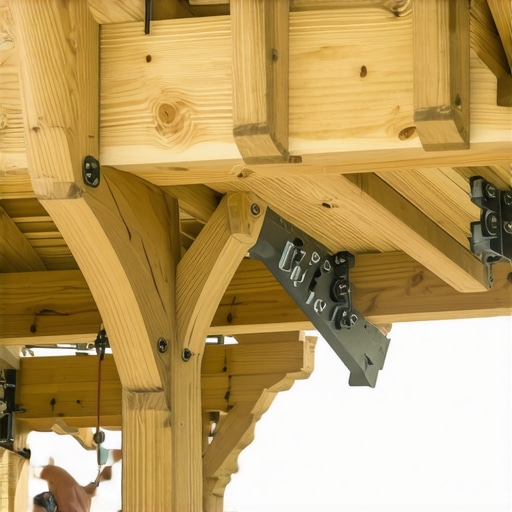
For minor sagging, installing lateral braces or sistering the beam with a new piece of lumber can distribute the load evenly. Use heavy-duty brackets or metal supports to secure the new support beams tightly. During my project, I used galvanized steel brackets to reinforce the sagging section—this quick fix bought me time before a complete overhaul. Ensuring secure attachment prevents further deformation during wind or weight loads.
Use Jack Posts or Temporary Supports
If the sag is severe, temporary jack supports can lift the beam back into position. Place the jacks on sturdy blocks or concrete footings and slowly raise the beam, checking alignment with a level constantly. I personally used adjustable jacks and gradually raised the beam in small increments, avoiding sudden movements that could cause cracks. Once aligned, I secured the beam’s position with fasteners and left the jacks in place to support load until permanent repair.
Apply a Permanent Fix with Reinforcement or Replacement
For a lasting solution, consider sistering the beam with a new, properly sized piece of lumber. Attach it securely with corrosion-resistant bolts, ensuring it spans the entire length for even support. Alternatively, if the beam is extensively damaged, replacing it entirely might be necessary. When I replaced an entire beam, I opted for composite decking materials for better durability—a worthwhile upgrade that I highly recommend for longevity.
Seal and Protect the Repaired Structure
Finish by sealing the new wood components with waterproof stain or sealant to prevent rot and decay. Regular maintenance will prolong the life of your repair. Remember, using weather-resistant materials like composite decking or treated wood can significantly reduce future sagging issues.
By following these steps, you can restore your pergola’s stability and extend its lifespan without expensive replacements. Proper assessment, reinforcement, and sealing are key to a successful repair, ensuring your outdoor space remains both beautiful and safe for years to come. Need professional assistance? Reach out to deck forge builders for expert advice or custom solutions.
Don’t Fall for These Easy Mistakes in Outdoor Design
When it comes to designing and maintaining your outdoor space, many homeowners rely on popular advice that isn’t always accurate. For example, a widespread myth is that all composite decking is maintenance-free. While composite materials are generally durable and resistant to rot, they still require regular cleaning and inspection to prevent discoloration and surface damage. Believing that you can ignore routine upkeep may lead to costly repairs down the line. Trust me, I’ve seen decks suffer from neglect because homeowners thought they could be completely hands-off.
The Fine Print of Railing Systems
Another misconception involves railing systems—many think installation is straightforward and forgiving. However, choosing the wrong hardware or neglecting proper anchoring can severely compromise safety. For example, installing cable railings without adequate tension or using inferior materials might look sleek but can be dangerous, especially in high-wind zones. According to expert guidelines, ensuring your railing system is correctly installed and meets safety standards is critical—don’t assume all designs are equally reliable.
What Do Experts Know About Pergola Materials That Beginners Miss?
Often, homeowners overlook the benefits of specific materials for pergolas, assuming that aesthetic is enough. In reality, choosing the right wood or composite influences longevity, stability, and resistance to weathering. For instance, many believe natural wood looks better, but it’s prone to rot, especially in humid areas. Advanced homeowners opt for composite pergolas or treated woods that withstand the elements and reduce ongoing maintenance. This nuanced choice can save thousands in future repairs, a fact backed by industry research on outdoor structures.
Remember, DIY advice might sound convincing, but understanding these subtle yet crucial differences can elevate your outdoor design game. Read more about innovative trellis ideas that combine durability with style, and learn how to select the best railing systems to boost safety and aesthetics. Want professional input on your project? Don’t hesitate to reach out for expert assistance or personalized suggestions. Have you ever fallen into this trap? Let me know in the comments.
Keeping your pergola, deck, and railing systems in top shape over time requires more than just initial investment — it demands the right tools, consistent maintenance routines, and an eye toward future upgrades. Personally, I’ve found that having a dedicated set of power tools and software can make maintenance tasks more efficient and precise, ensuring long-lasting outdoor features that stand up to weather and wear.
Investing in the Right Power Tools
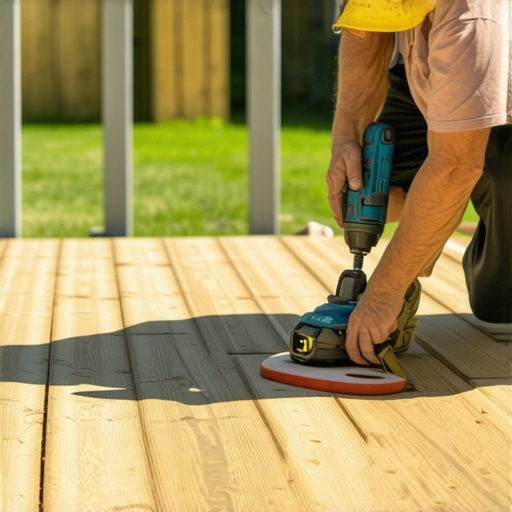
For routine inspections and repairs, I recommend high-quality cordless drills like the Milwaukee M18 Fuel. Its compact design and powerful torque make tasks like tightening hardware or drilling into composite materials straightforward, even in tight corners. Additionally, a durable orbital sander, such as the Makita BO5041, helps in removing surface imperfections and preparing wood for sealing or repainting, which is essential for exterior structures exposed to the elements.
Leveraging Software for Planning and Documentation
Staying organized is crucial, especially when managing multiple outdoor projects or scheduling regular inspections. I personally utilize project management tools like Trello or Asana to keep track of maintenance routines, deadlines for sealing, cleaning schedules, and material replacements. Taking digital notes about the condition of railing posts or deck boards and attaching photos keeps the record clear and accessible, simplifying future repairs or upgrades.
When considering long-term results, these tools help prioritize tasks that prevent minor issues from escalating into costly repairs. Regular inspections every 6-12 months, combined with these organized maintenance plans, can extend the lifespan of composite decking and railing systems significantly. Technology is evolving, and predictive maintenance software is beginning to appear, which uses sensors to monitor structural stability in real-time—though still emerging, this trend points toward smarter outdoor structures in the future.
How do I maintain my outdoor structures over time?
One effective maintenance tip is to employ weather-resistant sealants specifically designed for composite materials and treated wood. Applying these sealants annually helps prevent moisture ingress, which can cause rot or warping. For decks and pergolas, using a power washer with a gentle setting removes dirt without damaging the surface, preparing it for re-sealing. Additionally, replacing rusted or corroded hardware promptly prevents further weakening of support systems.
Looking ahead, I see an increased use of smart sensors integrated into railings and pergolas—collecting data on wind loads, humidity, and structural movement. This proactive approach enables homeowners to address issues before they become visible problems, guaranteeing safety and beauty for years to come. To try out a practical example, I suggest sealing your deck boards with a high-quality waterproof sealant this weekend, which is a simple step that offers long-term protection.
If you’re serious about maintaining your outdoor oasis and want expert advice on the latest tools and products, don’t hesitate to reach out for professional guidance. Proper maintenance now ensures your outdoor features withstand the test of time and weather, helping you enjoy peace of mind and lasting beauty.
For more insights on choosing durable materials, consider reading about the latest composite decking trends that emphasize longevity and low maintenance. Implementing an organized, tool-supported routine is one of the best investments you can make in your outdoor space’s future.
What Nobody Told Me About Pergola Stability
- Biggest mistake I made was underestimating support posts; a little reinforcement can save a lot of headaches later.
- I’ve learned that proper sealing and weatherproofing are more crucial than I thought to prevent sagging and rot.
- Sometimes, a simple addition like a steel bracket can transform a sagging beam into a sturdy part of your outdoor oasis.
Tools and Tips That Saved My Backyard
- Investing in high-quality cordless drills (like the Milwaukee M18) makes DIY repairs smoother and faster, especially when working with composite materials.
- Project management apps such as Trello help me keep track of maintenance schedules, ensuring I don’t forget annual sealing or inspection routines.
- Using weather-resistant sealants tailored for outdoor structures greatly prolongs the lifespan of my pergola, saving money in the long run.
Keep Your Outdoor Vision Alive
Embarking on pergola or deck repairs can seem daunting, but with the right knowledge and tools, you can extend your outdoor sanctuary’s life and beauty. Remember, proactive maintenance isn’t just about fixing what’s broken; it’s about creating an enduring space where memories are made. If you’re ready to elevate your outdoor design or need expert advice, reach out today and start transforming your backyard into the perfect haven. What’s the first repair or upgrade you’ll tackle? Share your plans in the comments below and inspire others to get started!
I really appreciate this comprehensive guide! Fixing a sagging pergola beam without replacing the entire structure is definitely the way to go for most homeowners looking to save money while maintaining safety. I remember last summer I faced a similar issue where my support posts had shifted, causing the beam to droop. What I found helpful was adding steel brackets and reinforcing the support posts with concrete footings. It’s impressive how such simple reinforcement can make a real difference in stability and appearance,
One thing I’d like to add is the importance of regular inspections to catch these issues early. Has anyone here tried using any smart sensors or digital tools for ongoing monitoring? I’ve been curious if tech solutions could really help in preventing sagging before it becomes a big problem. Would love to hear others’ experiences or suggestions on combining DIY repairs with tech for a longer-lasting fix.
I completely relate to that feeling of helplessness when you see your outdoor space sagging—it can really take the wind out of your sails! I’ve found that proactively reinforcing support posts and applying weatherproof sealants have been game changers in extending the life of my pergola. It’s fascinating how simple steps, like adding steel brackets or securing support posts with concrete footings, can make such a huge difference in both safety and appearance.
On the topic of ongoing maintenance, I’ve been considering smart sensors to monitor structural stability over time. Has anyone here integrated such technology into their outdoor structures? I wonder if these tools can genuinely give early warnings and help prevent larger issues down the line. It’s encouraging to see how DIY fixes coupled with tech advancements can offer long-term peace of mind. Would love to hear about any personal experiences or recommendations on this—especially from those who’ve used sensors for outdoor structures, as I’m curious about their practical benefits and cost.