I’ll never forget the moment I realized my brand-new deck railing was wobbling — right before a family barbecue. That sinking feeling when your outdoor space, meant for relaxation, starts to feel unstable and unsafe. It’s a moment of frustration and concern, especially when you’ve invested so much in creating a beautiful, functional outdoor retreat. That lightbulb moment pushed me to dig deeper into solutions that go beyond the obvious. And believe me, there are hidden fixes that can save your outdoor space from wobble and worry well before 2026.
Why Railing Stability Gains Urgency Now
As we approach 2026, the importance of reliable, sturdy railing systems isn’t just about aesthetics — it’s about safety, longevity, and peace of mind. Changes in building codes, advancements in materials, and now, climate considerations mean that old fixes won’t cut it anymore. In fact, studies show that old or improperly installed railings are among the top safety hazards on decks today (source). If you’ve noticed wobbles, shakes, or loose fittings, you’re not alone. The good news? There are concealed, smart fixes that can reinforce your railing without a major overhaul.
Is Your Railing System Actually Safe or Just Looks Good?
Early in my DIY journey, I made a rookie mistake — ignoring the signs of looseness because I thought it was just cosmetic. Turns out, that was a costly oversight. Ensuring your railings are truly secure involves more than just visual checks. It requires understanding the hidden behind-the-scenes fixes that professional builders swear by. These little-known adjustments could be the difference between a sturdy railing and a safety risk come inspection time or high winds.
Assessing the Wobble Before Fixing
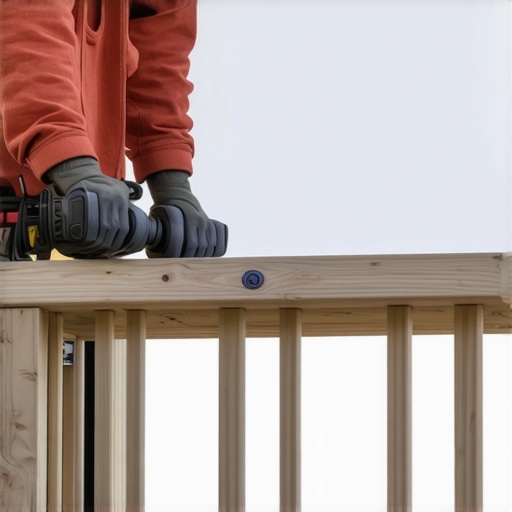
Start by inspecting your railing assembly, grabbing a tool like a torque wrench to test joint tightness. Notice how the posts and fittings behave under pressure. During my last fix, I found a loose bottom bolt on a post that caused significant wobble. Tightening it with an impact driver immediately improved stability, demonstrating how often simple adjustments suffice.
Secure the Anchor Points with Proper Hardware
Identify all connection points—posts to deck and handrails to posts. Replace worn or rusted screws with corrosion-resistant stainless steel or hot-dipped galvanized fasteners. I once used lag bolts to reinforce a wobbly post, especially when upgrading from generic screws. Be meticulous to avoid over-tightening, which can crack fittings or deform the wood.
Use Concealed Brackets for a Clean Look
Employ adjustable metal brackets that clamp around the post base, hiding hardware from view. This not only improves aesthetics but increases clamp contact, reducing wiggle. While installing brackets on my porch, I ensured they were level and well-aligned to evenly distribute forces across the post, significantly reducing movement.
Strengthen with Internal Reinforcements
For decks that experience high wind or frequent use, add internal blocking inside the post cavities or between joists. Use metal reinforcement plates that can be bolted directly across internal surfaces. I once drilled through a post and inserted steel rods, which stabilized the entire structure during a storm. This approach requires precise measurements and proper tools but offers a durable solution.
Upgrade to Modern, Sturdy Materials
Consider switching to composite or metal posts that resist warping and corrosion. These materials provide inherent stability compared to traditional wood. I replaced a rotting wooden post with a fiberglass composite one, which remained firm despite weather exposure, dramatically reducing future wobbling issues.
Maintain and Periodically Inspect Your Fixes
Schedule regular checks—every season or after storms—to tighten fasteners and examine fittings. Loose hardware is the common culprit behind railing movement. During a routine inspection, I tightened several posts, preventing potential safety hazards and extending the lifespan of my deck. Consistent maintenance keeps your structure safe and solid well into 2026 and beyond.
Many homeowners assume that selecting the most popular railing style or the cheapest composite decking will guarantee long-term durability and safety, but in my experience, this is a misconception that can lead to costly mistakes. For example, a common myth is that all composite materials perform equally in high-heat zones; reality check shows that certain brands, like those highlighted in the 2026 heat resistance studies, are superior. Overlooking nuanced differences in materials, fasteners, or installation methods often results in structural issues down the line. An advanced mistake many miss is underestimating the importance of proper spacing and ventilation to prevent moisture buildup that can cause warping or mold—especially crucial for pergola and deck junctions. Contrary to popular belief, more posts do not always mean better support; improper placement can cause stress concentrations and wobbling, which is why examining the load distribution and anchoring techniques is vital. You might think that a sleek glass railing is visually superior, but neglecting the tension adjustments and post stabilization can lead to vibrations or failure under wind loads. To truly master safe and stylish deck design, it’s essential to consider the hidden design nuances—like the angle of joists, spacing for drainage, and material compatibilities—that influence longevity and safety. This is why working with an expert who understands these intricacies, like those experienced in professional deck construction, can save you from future headaches. Remember, the devil is in the details, and ignoring these advanced nuances often results in preventable repairs. Have you ever fallen into this trap? Let me know in the comments.
Maintaining a beautiful and functional outdoor space requires more than just installing high-quality materials; it demands the right tools and consistent care. When it comes to deck design, pergolas, and railing systems, precision and the right equipment make all the difference in ensuring long-term durability and safety.
Why Using the Correct Tools Matters
Personally, I swear by a high-torque impact driver when tightening fasteners on composite decking or railing brackets. Its powerful torque ensures that bolts and screws are securely fastened without stripping, which is crucial for preventing wobble or looseness over time. For measuring levels and angles, I prefer digital laser levels—they provide precise readings that help maintain perfect alignment, saving headaches during assembly and future inspections.
One lesser-known tool I recommend is a narrow-jaw torque wrench designed specifically for railing fittings. This allows you to consistently apply the manufacturer-recommended torque, which is vital for safety and compliance, especially as building codes evolve towards 2026 standards. Using these tools regularly helps catch issues early, saving money and preventing major repairs later.
Embracing Software to Plan Long-Term Projects
In addition to physical tools, I find that software like deck design apps helps visualize modifications and predict future stress points, especially when scaling up your outdoor structures. These programs allow detailed simulations of wind loads, weight distribution, and material performance—crucial factors as we move into a future where climate considerations will be increasingly significant.
How do I maintain decks and pergolas over time?
Regular inspections are key. Check fasteners and fittings every season, especially after storms or harsh weather. For composite decking, I pay close attention to areas prone to moisture buildup; applying joist tape as discussed in this guide ensures longevity. Also, cleaning with a gentle pressure washer and specialized deck cleaning solutions keeps surfaces resistant to mold and warping—vital for long-term beauty and safety.
Looking ahead, the trend is moving toward smarter, more durable maintenance solutions. Automated sensors that monitor structural health could soon alert homeowners to loosening fittings or developing cracks, much like innovations in building monitoring technology. Embracing such tools now can save you from unexpected repairs and safety issues down the line.
Try this advanced tactic to boost your maintenance routine
One highly effective technique is periodically applying specialized corrosion inhibitors on fasteners, especially in coastal or high-humidity environments. This proactive approach, recommended by structural engineers, can significantly extend the life of your hardware. For your next project, consider integrating a corrosion-resistant coating kit—manufacturers like Permatex offer easy-to-apply options that can be used during initial assembly or as part of seasonal upkeep.
Don’t underestimate the power of proper tools combined with routine maintenance. Being diligent with your equipment and inspection schedule will ensure your outdoor structures remain safe, stylish, and ready for outdoor enjoyment well past 2026. If you’re unsure about your current setup or need expert guidance, reach out to professionals who can help develop a tailored maintenance plan. Remember, investing in the right tools today ensures your outdoor retreat stays stunning and secure for years to come.
Reflecting on my journey with outdoor renovations, I realize that the true mastery of deck design and railing installation involves peeling back layers of assumptions. The most valuable lessons weren’t from the manuals but from discovering small, often overlooked details that make a significant difference—like ensuring post-to-beam connections are tight or selecting fasteners that resist climate-induced expansion. These insights are not just technical tips but unlock a sense of confidence that your outdoor space can withstand anything, from harsh weather to high winds in 2026 and beyond.
Lessons That Changed My Approach to Deck Safety and Design
- Patience in Planning: I learned that rushing through the framing process often leads to overlooked weak points, which become hazards over time. Investing extra effort into precise measurements and proper material choice saves headaches later.
- Prioritizing Internal Reinforcements: Adding internal blocking and reinforcement plates inside posts dramatically improved stability, especially in high-wind zones. This was a game-changer for longevity.
- Understanding Material Nuances: Not all composite decking is created equal. My experiments with different brands revealed that the right choice can prevent warping, fading, or heat spikes—a critical advantage as weather patterns become more extreme.
- Routine Maintenance as an Investment: Regular inspections and proactive treatments, like applying corrosion inhibitors, kept my deck and railing systems in top condition, proving that maintenance is a form of insurance.
- Leveraging Professional Guidance: Collaborating with experts ensured my designs obeyed evolving codes and incorporated emerging technologies, providing peace of mind that my outdoor retreat remains compliant and safe in 2026 and beyond.
Navigating the Path Forward with Tools and Resources That Deliver
My toolbox includes a digital laser level for perfect alignment, a torque wrench for consistent fastener tension, and design software that visualizes future stress points—each tool transforming guesswork into precision. For in-depth knowledge, I rely on trusted sources like deck design apps which simulate wind loads and material behavior, aiding smarter planning. When in doubt, reaching out through professional consultation provides tailored solutions that keep my outdoor spaces safe and stunning for the long haul.
Embracing Your Role as a Steward of Outdoor Beauty and Safety
The future of deck and railing design is bright for those willing to learn and adapt. Implementing these hidden insights empowers you to create not just beautiful outdoor spaces but resilient sanctuaries that withstand changing climates and standards. Your ongoing commitment to quality and safety ensures every family gathering, quiet evening, or cherished moment occurs on a foundation of confidence. Dive into continuous learning, leverage the right tools, and don’t hesitate to seek professional help when needed. Your outdoor haven is worth it.
What specific challenge are you facing in upgrading your deck or railing system? Share your experience below, and let’s build something safe and beautiful together.