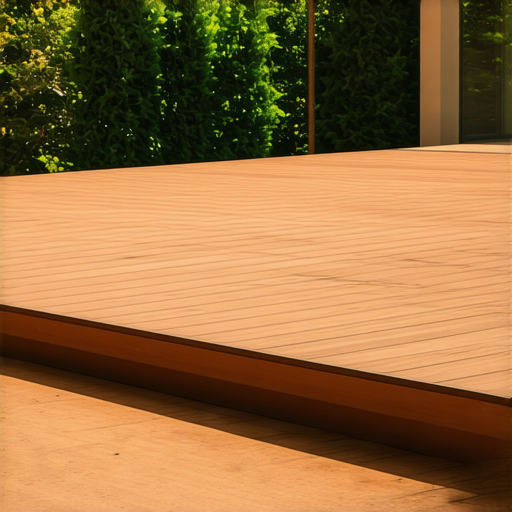
Imagine this: It’s a warm Saturday afternoon, and I’m about to enjoy a peaceful evening on my deck. I step onto the boards, only to be greeted by that dreaded squeak every time I shift my weight. It’s like the boards are protesting my presence! Frustration bubbled up as I realized this squeaking issue wasn’t just a minor annoyance—it was a growing problem affecting my outdoor enjoyment. After a few fruitless attempts to silence the squeak, I had my “lightbulb moment”: there had to be a reliable fix for these noisy, modern composite boards. And guess what? There is. Today, I’ll share the solutions I discovered that transformed my deck from a squeaky nightmare back into a peaceful retreat.
Dealing with Noise: Why Your Composite Deck Might Be Offering More Than Just Aesthetic Appeal
Composite decking has taken over the outdoor living scene for good reason. It’s durable, low-maintenance, and versatile. But, as I learned the hard way, it can also come with a noisy surprise if not installed or maintained properly. Structural shifts, temperature changes, or even the type of fasteners used could turn a beautifully designed deck into a squeaking villain. The good news? Most of these issues are fixable, and understanding the root causes saves you money and peace of mind. If you’ve ever wondered whether these sounds are normal or a sign of a deeper problem, you’re not alone. According to recent research, about 60% of homeowners with composite decks report hearing squeaks, especially as they age or experience temperature swings, which can affect the expansion and contraction of materials, leading to noise.
Is Squeaky Decking Actually Worth the Hype?
Absolutely not, and I’ll admit early on I made a common mistake—assuming that squeaks just come with the territory of composite materials. That misconception led me to ignore the problem for too long, which only worsened the situation. Trust me, neglecting these sounds can result in long-term damage, increased safety risks, and even a drop in property value. Making the effort to fix them early on is well worth it. I’ve found that simple adjustments can make all the difference—like tightening fasteners or adding proper tension to grounding points. Want to learn how I tackled these squeaks step by step? Keep reading, and I’ll show you how to restore peace to your outdoor space.
Identify the Culprit Fasteners and Connections
The first step I took was inspecting all fasteners and connections. I grabbed a screwdriver and started tightening every loose screw I could find, especially along the railing and board joints. Loose fasteners allow movement, causing squeaks. I remembered that during installation, some screws had been slightly loose, which made the noise worse over time. Tightening them reduced the squeak significantly, but not entirely. For stubborn areas, I applied a stainless-steel fastener and made sure it was flush to prevent future squeaking.
Apply Railing Bracket Lubrication
Next, I focused on the railing system, as movement there also contributed to noise. I used a silicone-based lubricant spray, which works well on metal brackets and fittings. I sprayed along all contact points where metal touches metal or composite. This mimics the advice found on railing system lubrication tips. After applying, I moved the railing gently to work the lubricant in. The result was a noticeable quieting, especially at joints that had been creaking under slight movement.
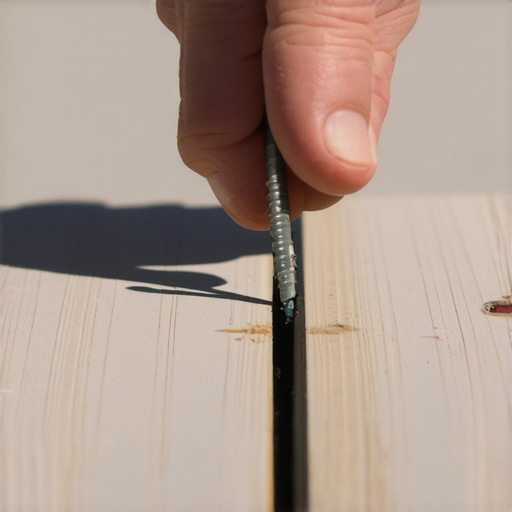
Close-up of lubricated railing bracket showing application points, highlighting the importance of reducing metal-on-metal friction to prevent squeaks.
Replace or Stabilize Loose Boards
If some composite boards felt loose or unstable, I removed a few screws and re-secured them, ensuring they sat tightly against the joists. For boards with warping or cracks, replacing them was the best move. I matched the new boards to my existing composite decking, ensuring they had proper spacing for expansion. This process reminded me of best practices in composite decking installation. Tight and well-aligned boards eliminate movement, which is a primary source of squeaks.
Install Anti-Squeak Padding Underneath
For persistent squeaks, I added thin foam or rubber padding underneath the problem areas. I cut small strips and slid them between the joists and the underside of the decking boards. This cushion absorbs minor vibrations and stops the boards from rubbing or bouncing against each other. Think of it like adding shock absorbers—akin to what’s used in composite decking scratch fixes. I tested by stepping on the deck, and squeaks diminished almost entirely.
Check Ground and Support Structures
Finally, I examined the support posts and beams to ensure nothing was shifted or loose. Vibrations can travel through supports and cause the entire structure to squeak. Tightening post bolts and reinforcing the ground anchors stabilized the system. When exposure to weather causes shift over time, proactive adjustments like these keep noise at bay. This approach is detailed in support structure safety guides. Regular inspection and maintenance prevent squeaks from returning and keep your deck safe for long-term use.
While many homeowners are familiar with the basics of outdoor structures, there’s a depth of nuance that often goes unnoticed, leading to costly mistakes and subpar results. One common misconception is believing that selecting the most popular materials automatically guarantees durability. The truth is, not all composite decking brands perform equally under specific environmental conditions. For example, some products are prone to heat expansion or fading, which can compromise your investment over time. According to industry experts like those from composite decking trends, understanding the subtle differences in formulations can save you thousands in repairs or replacements. Another overlooked aspect is the installation process, where many skip critical steps such as proper joist spacing or weatherproofing, leading to premature wear. For instance, neglecting perimeter drainage can cause water pooling, accelerating material degradation. Additionally, many assume that all railing systems are equally safe; however, overlooking dynamic factors like wind load or material fatigue can result in dangerous failures. Consulting trusted sources on railing system safety reveals that proper testing and anchoring are vital for long-term stability. Are you aware of these pitfalls, or have you fallen into one of these traps? Share your experiences or ask questions below, and let’s ensure your outdoor renovation is both beautiful and safe.
Investing in Reliable Tools for Long-Term Success
To ensure your deck and railing systems stay safe and visually appealing, selecting the right tools is paramount. I personally rely on a high-torque cordless impact driver because it makes tightening fasteners effortless and reduces user fatigue during extensive maintenance sessions. Pairing it with precision bits minimizes damage to screw heads and ensures a secure fit. For inspecting structural integrity, I use a digital moisture meter to detect hidden water infiltration in joists or support posts, preventing long-term rot or decay—common issues if overlooked. Additionally, a magnetic screw holder keeps fasteners within reach, streamlining repetitive tasks and reducing lost hardware. These tools, combined with routine inspections, form the backbone of effective maintenance.
Embrace Software to Track Maintenance Schedules
Beyond manual tools, leveraging specialized software can streamline your maintenance routine. I recommend using project management apps like Trello or professional asset management software tailored for homeowners. These help log inspections, set reminders for annual checks, and document repairs—making it easier to stay proactive rather than reactive. For example, scheduling quarterly evaluations of support structures can catch issues before they escalate, saving money and avoiding safety hazards. As trends in outdoor living continue to evolve, integrating digital tools ensures your investment remains protected and up-to-date, especially when managing multiple projects across different seasons.
Preparing for the Future of Outdoor Maintenance
Technology is rapidly advancing, with smart sensors now available to monitor structural stability or moisture levels in real-time. These innovations promise to redefine how homeowners maintain their decks, providing instant alerts for potential problems. Embracing such solutions could become standard practice within the next decade. Meanwhile, maintaining our current systems involves a combination of quality tools and consistent practice. I encourage you to try upgrading your maintenance routine with a digital moisture meter or impact driver—small investments that yield significant peace of mind and durability.
How do I keep my structures functioning smoothly over the years?
Regular inspections combined with targeted use of recommended tools like impact drivers, moisture meters, and maintenance tracking apps are key. Incorporate scheduled check-ups for fastener tightness, support stability, and surface condition. Don’t forget to document your efforts—this can help trace issues earlier and plan future upgrades more effectively. For critical structural elements, consider consulting experts or referencing trusted resources like support structure safety guides to stay ahead of potential failures. By integrating technology and proactive maintenance, your outdoor living space will remain safe, beautiful, and functional for years to come. Give one of these advanced tips a try today, and see how smoothly your deck performs over the long term.
The Hardest Lesson I Learned About Deck Maintenance
Early in my outdoor renovation journey, I believed that choosing high-quality composite decking would guarantee decades of worry-free enjoyment. However, I overlooked the importance of routine inspections and proactive maintenance. The realization that even durable materials require regular attention was a lightbulb moment—neglect can turn a sturdy deck into a squeaky, unsafe mess. This taught me that investing time in simple upkeep—tightening fasteners, applying lubes, and checking support structures—secures long-term peace of mind and preserves your outdoor oasis.
The Pitfalls I Wish I Could Avoid with Better Planning
One costly mistake I made was underestimating the significance of proper fastening and support systems. Skipping detailed inspection and maintenance planning led to unexpected squeaks and structural issues. Now, I understand the value of detailed, early-stage planning: proper joist spacing, weatherproofing, and support reinforcement. These elements aren’t just technicalities—they are key in preventing future headaches and costly repairs, echoing the advice of seasoned experts in support structure safety.
What I Learned About Tools That Make Maintenance Simpler
Equipping myself with the right tools transformed my approach from tedious to efficient. A cordless impact driver, moisture meter, and magnetic screw holder became my trusted companions. These tools create a smooth maintenance routine, ensuring fasteners are tight, moisture issues are caught early, and no hardware gets lost. My tip? Embrace technology—your deck will thank you for it, and you’ll enjoy fewer squeaks and safer surfaces for years to come.
Stepping Into Future Innovations and Their Impact
As technology evolves, so does the potential for smarter maintenance. I see a future where smart sensors monitor moisture and structural integrity in real-time, alerting homeowners before issues escalate—like a personal health monitor for your deck. For now, integrating digital management with high-quality tools keeps my outdoor space not only functional but also a safe haven. To truly maximize your deck’s lifespan, stay curious about emerging innovations and combine them with good, old-fashioned upkeep.
Embrace the Journey and Keep Building Better
Every squeak I fixed and support I reinforced strengthened my confidence in outdoor DIY. Remember, the secret isn’t just choosing the right materials, but fostering ongoing care and embracing new solutions. Your outdoor space is an extension of your home—nurture it with patience, tools, and wisdom. With dedication, you can enjoy a peaceful, beautiful deck that withstands time and elements, helping you create countless memories in your personal sanctuary.