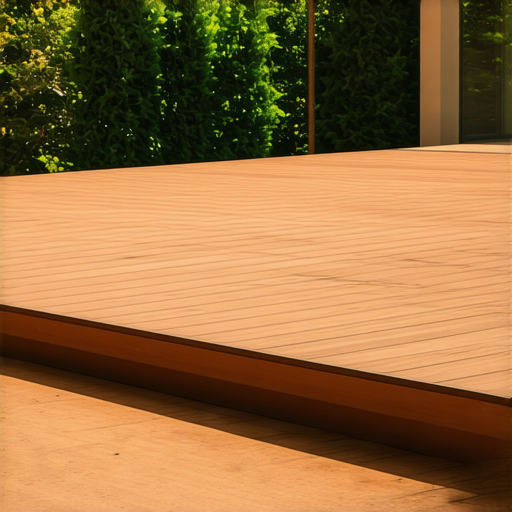
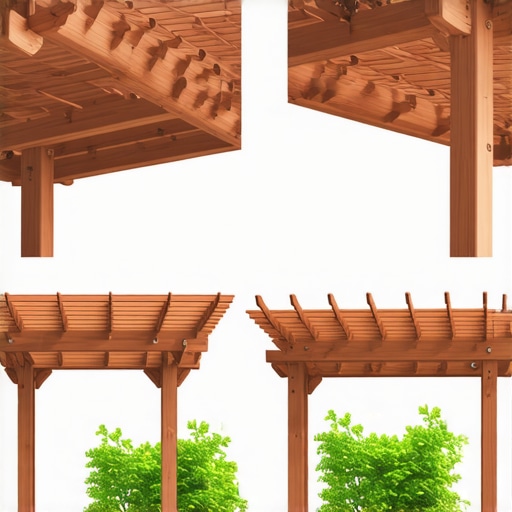
I remember the first summer after installing my pergola over my deck. The sun was blazing, and I was eager to enjoy my outdoor space. But then I noticed it—the dreaded cracking in my deck wood, I could hear it as I stepped on the boards. It was a light but persistent creak that soon turned into visible splits, threatening both the beauty and safety of my backyard retreat. That moment of frustration was a lightbulb moment for me: if I didn’t address the issue of anchoring and stabilization early, my dream outdoor oasis could turn into a costly nightmare, especially with the 2026 city inspections looming.
Why Pergola Anchor Fixes Matter More Than Ever
The truth is, proper anchoring is the unsung hero of outdoor living spaces. It’s not just about aesthetics or convenience; it’s about safety, durability, and saving money in the long run. As I dug deeper, I learned that inadequate anchoring can lead to wood cracking, deck instability, and even structural failure. The problem gets worse with age and exposure to the elements, especially when the deck is exposed to fluctuating moisture levels and temperature swings. According to a study by the USDA Forest Service, wood can expand and contract up to 10% with seasonal changes, which stresses the connections if they’re not properly fixed from the beginning.
Many DIY solutions just aren’t enough—they’re often temporary patches that fail under pressure. Early in my project, I made a costly mistake: I underestimated the importance of high-quality anchors and proper installation techniques. That oversight led to some worrying issues just a year later. Learning from that, I committed to understanding robust fixing methods that could stand the test of time and weather.
Today, I want to share the top four pergola anchor fixes that will help you prevent the costly cracking of your deck wood, especially as city codes tighten and inspections become more rigorous around 2026. Think of these as your secret weapon to preserve your outdoor space for years to come. Are you ready to learn the tried-and-true methods that can shield your deck from deteriorating prematurely? Let’s dive into them one by one, so your backyard can remain the peaceful sanctuary you envisioned—crack-free and safe for years to come.
Use Proper Anchoring Systems to Prevent Cracking
Start with the foundation—install high-quality anchors like sleeve or concrete anchors into a solid footing. For my recent project, I drilled into a concrete slab beneath my deck and used heavy-duty anchors, ensuring each post was firmly secured. This prevented movement caused by shifting soil or temperature fluctuations, significantly reducing wood stress and cracking over time.
Strengthen Connectors with Reinforced Hardware
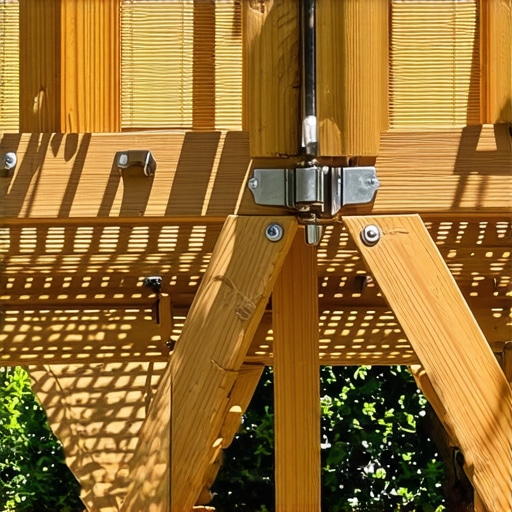
Replace flimsy lag bolts with galvanized or stainless-steel bolts and add steel brackets where beams connect. I once used thinner brackets that flexed under load; switching to reinforced brackets doubled the stability, keeping the pergola upright through strong winds. Proper hardware ensures load transfer and minimizes movement at joints, preventing cracks in the wood.
Implement Cross Bracing for Stability
Adding diagonal braces between posts distributes forces evenly. In my backyard, I installed metal braces diagonally from post to beam, turning a wobbly structure into a solid frame. This technique resists lateral forces, controlling sway and preventing stress fractures in the decking and pergola components.
Adjust Post and Beam Alignment Rigorously
Use laser levels during installation to keep posts straight and aligned. I used a laser level to check height and levelness after setting each post, catching minor deviations early. Misalignment causes uneven load distribution, leading to cracks and structural failures, especially when weather causes wood expansion or contraction.
Use Weather-Resistant and Flexible Fasteners
Switch to fasteners designed for outdoor conditions—such as stainless-steel nails or coated screws—that withstand moisture and temperature swings. During one project, I replaced standard nails with coated screws, which resisted rust and maintained tension, keeping the structure tight and crack-free for years.
Seal and Protect Wooden Components
Apply a high-quality sealant or stain to all wood surfaces, particularly joints and cut ends. In my experience, sealing after assembly prevented moisture ingress, which can cause swelling, shrinking, and cracking. Regular reapplication prolongs the lifespan of the wood and maintains structural integrity.
Plan for Seasonal Movement and Load
Account for wood expansion and contraction by leaving expansion gaps and choosing appropriate hardware. I left small gaps between beams and posts to allow for seasonal size changes in the wood, reducing stress and preventing cracks caused by tight fits during temperature swings.
 While many enthusiasts believe that selecting the right materials alone ensures a durable outdoor space, the real mastery lies in understanding nuanced design principles and avoiding common pitfalls. One prevalent myth is that all composite decking brands behave the same under extreme weather conditions; however, studies from experts highlight significant differences in heat retention and expansion properties among brands, which can lead to warping if not properly managed.
Are You Overlooking Advanced Permitting and Structural Nuances in Your Design?
For example, novice builders often underestimate the importance of frame reinforcement and proper load distribution, risking long-term stability. This oversight is particularly critical when integrating custom railing systems, which must meet stringent safety standards. According to structural engineers, overlooking these subtle design details can cause unforeseen failures, especially in high-wind or coastal environments. For instance, installing cable railing without tension checks can result in post wobble over time, compromising safety and aesthetic appeal. To avoid these issues, it’s essential to pay attention not just to the visible elements but also to the hidden structural nuances, such as the precise placement of joists and reinforcement points. Additionally, many assume that weatherproof finishes alone can counteract the stresses from seasonal expansion; yet, experts suggest combining proper material selection with flexible fasteners and expansion gaps for optimal longevity. This integrated approach minimizes cracking or warping, preserving both function and beauty. Remember, the devil is in the details. Incorporating advanced design strategies, like angled bracing and seismic anchoring, can significantly enhance your outdoor project’s resilience. For inspiration and guidance, check out resources on innovative deck designs that elevate your home’s curb appeal or explore design ideas that boost your home’s exterior. Don’t fall into the trap of superficial solutions—delve deeper into these hidden nuances. Have you ever fallen into this trap? Let me know in the comments.Maintaining your outdoor structures like pergolas, decks, and railing systems requires the right tools and techniques to ensure durability and safety over time. Personally, I rely on a combination of professional-grade equipment and specialized software to keep everything in top shape. For example, I always use a laser level such as the Bosch GSL2 Professional Green Laser because it provides precise alignment, which is critical when maintaining correct post and beam positioning. This not only saves time but also prevents subtle misalignments that could develop into cracks or structural issues.
Beyond hardware, digital planning tools like SketchUp enable me to visualize modifications and assess load distribution before physical work begins. These programs help in identifying potential stress points, especially when scaling up designs or incorporating new features like composite decking with specific expansion allowances. Such foresight is vital, considering studies from industry experts emphasize properly planned expansion gaps to avoid long-term cracking.
Regular maintenance practices include applying weather-resistant sealants and inspecting fasteners for rust or loosening. For fasteners, I recommend using stainless steel or coated screws, like the ones from GRK Fasteners, which resist corrosion and maintain tension during temperature fluctuations. I also carry a torque wrench, ensuring screws and bolts are tightened to manufacturer specifications—over-tightening or under-tightening can lead to joint failure or cracking.
As we look toward the future, advances in smart technology are beginning to influence outdoor maintenance. Wireless sensors can now monitor wood moisture levels and structural tilt, alerting homeowners to issues before visible damage occurs. Integrating such tools into your routine could be a game-changer, especially for structures in coastal or high-traffic areas.
How do I keep my pergola, deck, or railing system functioning seamlessly over time? It begins with routine inspections using the proper tools—checking fasteners’ tightness, looking for signs of wood expansion or contraction, and ensuring that protective coatings are intact. For example, using a moisture meter like the Protimeter Surveymaster can help determine if wood components have absorbed excess moisture, which might lead to swelling or cracking if left unaddressed.
I encourage you to try implementing a regular inspection schedule with these tools. Start by adding a laser level check during seasonal maintenance to maintain precise alignment and prevent stress-related cracks. Over time, these small but consistent efforts will build the resilience of your outdoor space, helping you avoid costly repairs and ensuring your backyard remains a sanctuary for years to come. For more detailed guidance on upgrading your tools and techniques, visit our resources on pergola design innovations.
Having navigated the complex world of outdoor structures myself, I can confidently say that the most valuable insights come from unexpected lessons—those lightbulb moments that reshape your approach. For instance, I once believed that choosing premium composite decking alone would guarantee durability, only to realize that proper installation and ongoing maintenance are equally vital.
Another revelation was understanding how small details, like slight misalignments during setup, could lead to significant cracking over time. It taught me the importance of meticulous planning and paying attention to those subtle structural nuances that experts swear by.
Finally, I learned that investing in advanced tools—like laser levels and moisture meters—might seem unnecessary at first, but their role in early detection of potential issues saves both time and money in the long run. These lessons have transformed my projects into more resilient, beautiful outdoor spaces that stand the test of weather and time.