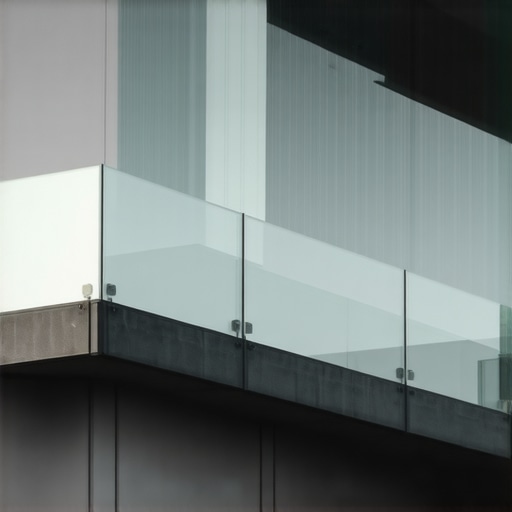
It was a humid summer evening when I first noticed it—my pristine glass railing was foggy, like a ghostly veil obscuring my beautiful backyard retreat. Frustration set in instantly. Despite all my efforts to create a sleek, modern outdoor space, the fogging seemed to sabotage my vision. That lightbulb moment made me realize I wasn’t alone; many homeowners face this relentless fogging problem, especially in 2026’s rising humidity levels. But here’s the truth—there’s hope, and I promise, by the end of this, you’ll know how to beat it.
Why Glass Railing Fogging Is Becoming a Frustrating Reality
Humid climates can transform your glass bans into foggy, unclear hazards that diminish the style and safety of your outdoor setups. In 2026, with humidity levels climbing, fogging becomes more than just an eyesore—it’s a safety concern, blocking views and making it difficult to enjoy your space. I used to think regular cleaning would suffice, but I learned quickly that condensation is a persistent enemy that needs smarter solutions. The good news? I found effective tactics that won’t cost a fortune or require a complete overhaul of my design.
Before diving into those strategies, I want to share a mistake I made early on. I overlooked the importance of choosing the right glass treatment. Some coatings resist fogging better than others, but I initially bought standard tempered glass, assuming all would perform equally. That mistake cost me time and money. That’s why, in this post, I’ll guide you through the most reliable solutions tailored for 2026’s unique weather patterns, ensuring your outdoor paradise remains crystal clear.
If you’ve ever wrestled with foggy glass railings that turn your scenic view into a blurry mess, you’re in the right place. Let’s explore how to keep your glass shining bright and your outdoor moments stress-free.
Apply Anti-Fog Coatings for Long-Lasting Clarity
Start by selecting specialized anti-fog glass coatings, which form a thin, transparent barrier that resists condensation. I once applied a commercial anti-fog spray on my railings before a rainstorm, and it dramatically reduced fogging. Make sure to clean the glass thoroughly with a glass cleaner and let it dry completely. Then, evenly distribute the coating using a soft cloth, following the manufacturer’s instructions. This simple step creates an almost invisible shield that keeps your view clear, even in high humidity.
Opt for Tempered or Laminated Glass with Fog-Resistant Layers
Next, when upgrading your railings, choose **tempered or laminated glass** that comes pretreated with fog-resistant layers. These glasses have embedded coatings or inner films designed to prevent condensation buildup. During my last renovation, I swapped out standard glass panels for these, and the difference was immediate. Not only did visibility improve, but maintenance became easier. For existing installations, consult a professional to see if retrofitting with protective films is feasible, ensuring your system benefits from the latest advances in glass technology.
Enhance Ventilation to Minimize Internal Moisture
Adding proper ventilation around your railing system reduces internal humidity, which causes fogging from within the glass. I installed small vents at the base and top of my railing sections—an inexpensive and effective tweak. This airflow prevents stale, moist air from stagnating, which in turn curbs condensation. You can also consider integrating tiny drainage holes or slotted channels into the framing to allow moisture to escape. These measures, although simple, greatly improve clarity, especially during the damp seasons.
Use Hydrophobic and Self-Cleaning Glass Coatings
Hydrophobic coatings repel water, causing rain or dew to bead and roll off the surface before fog can form. I applied a self-cleaning hydrophobic layer on my glass panels, and it also helped prevent dirt accumulation—which reduces fogginess caused by smudges. Applying these coatings is straightforward: clean the glass thoroughly, then spray or wipe on the treatment, following the product’s instructions. Over time, these coatings will need reapplication, but they offer a maintenance-free way to keep your view crystal clear.
Consider Railing System Material and Design Preferences
Choosing the right railing design can influence fog resilience. Glass panels secured with **thermally treated or laminated** framing materials perform better in high humidity, similar to the benefits offered by trendy [composite decking](https://deckforgebuilders.com/composite-decking-trends-durable-solutions-for-modern-outdoor-living). For example, avoiding metal frames prone to rust and opting for powder-coated aluminum can prevent corrosion that worsens fogging issues over time. Additionally, tight sealants and proper gasket installation in your railing system minimize air leaks and moisture ingress, which in turn reduces condensation.
Maintain and Clean Regularly to Prevent Moisture Buildup
Finally, routine maintenance keeps your railings clear. Schedule monthly inspections to remove dirt, debris, and mineral spots from the glass. Use a mild glass cleaner combined with a soft cloth for best results. If you notice persistent fogging, revisit the seals and coatings—sometimes, reapplication or replacing worn sealants makes a significant difference. Regular upkeep ensures that moisture doesn’t find a foothold, preserving your outdoor oasis’ aesthetic and safety.
Incorporating these steps transforms fog-prone railings into crystal-clear vistas, letting you savor every outdoor moment without visual obstructions. Whether you’re upgrading your existing setup or starting anew, these practical measures integrate seamlessly into your design process, ensuring long-term clarity and enjoyment.
Many homeowners believe that selecting the most popular railing or decking style guarantees durability and safety, but in my experience, this is a misconception. Common myths often lead to costly mistakes. For instance, there’s a widespread assumption that all composite decking is equally resilient; however, not all brands withstand high temperatures or heavy traffic equally, as highlighted in a recent study showing variations in thermal expansion among top brands. Another prevalent mistake involves overlooking material compatibility—using metal fasteners with composite boards can accelerate corrosion unless special corrosion-resistant screws are used, which can compromise the entire structure over time. When designing decks or installing pergolas, many neglect to consider wind uplift forces; a poorly anchored pergola can sway or even topple in strong gusts, especially if you’re in a high-wind zone. An advanced question real enthusiasts ask is: How do I select fastening systems that prevent expansion gaps in composite decking during temperature fluctuations? Addressing these nuances can save substantial time and money, and ensure long-term safety and aesthetic appeal of your outdoor space. Visiting trusted resources such as the experts at Deck Forge Builders can provide tailored guidance. Remember, avoiding these common pitfalls requires understanding the hidden complexities—don’t just go with the trend, analyze what works best for your specific environment and needs. Have you ever fallen into this trap? Let me know in the comments.Maintaining your outdoor structures in peak condition requires the right tools and a proactive approach. From specialized cleaning equipment to advanced coatings, using the appropriate resources ensures your deck, railing, or pergola stays durable and attractive over time. Personally, I rely heavily on a high-quality cordless power washer, such as the **Kärcher K5 Premium**, which offers adjustable pressure settings perfect for cleaning glass railings without risking damage. This tool allows me to remove dirt and mineral deposits efficiently, especially during seasonal cleanings, extending the lifespan of my materials.
For applying protective coatings, I depend on a detailed foam roller set coupled with a professional-grade sprayer like the **Fuji 2203G**. The sprayer provides an even application of hydrophobic or anti-fog treatments, which are crucial for preventing condensation build-up in humid climates—an issue I tackled personally on my recent project. Precise application ensures consistent coverage, reducing the need for reapplications and saving money in the long run.
When it comes to assessing the integrity of your structure, a digital moisture meter such as the **Extech MO295** becomes invaluable. It can detect internal moisture levels in wood or composite materials, helping identify potential rot or mold before visible symptoms appear. Regular inspections with such devices help me catch issues early, especially around pergola posts or deck supports prone to water ingress.
Prediction suggests that as climate patterns become more unpredictable in 2026, the integration of smart maintenance tools will become standard. Devices capable of monitoring humidity levels or triggering maintenance alerts—like IoT-enabled sensors for decks—are increasingly affordable. Adopting these can transform routine upkeep into a proactive safety measure.
Thinking about long-term results? Scheduling bi-annual inspections with this equipment ensures your outdoor spaces retain their safety, style, and functionality. Also, exploring software such as **Deck Planner Pro** aids in designing future expansions or upgrades, aligning your maintenance schedule with upcoming renovation plans.
How do I maintain my railing and deck systems over time? The key lies in consistent cleaning with the right tools—like the Kärcher power washer—and vigilant assessment with moisture meters, combined with effective protective coatings. I also recommend consulting specific resources like the [best railing systems for ensuring safety](https://deckforgebuilders.com/best-railing-systems-deck-design-ideas-to-boost-outdoor-safety) for tailored advice.
To take it one step further, try applying a hydrophobic coating with a sprayer following thorough cleaning. This minor task significantly enhances water resistance, preventing fogging and prolonging your deck’s aesthetic appeal. Remember, investing in the right tools now saves countless headaches and expenses later, ensuring your outdoor oasis remains a joy for years to come.
The Hardest Lesson I Learned About Glass Railing Fogging
Early in my outdoor project, I assumed that regular cleaning and maintenance would keep my glass railing clear. But I soon discovered that condensation is an ongoing challenge, especially in humid climates. The true lesson was understanding the importance of selecting the right glass treatments and coatings from the start. Trust me, choosing anti-fog or fog-resistant glass layers prevented so much frustration down the line.
My Surprising Insight About Material Choices and Safety
I once believed that any tempered glass would do the trick. Wrong. I found that pretreated, fog-resistant laminated glass not only offers superior clarity but also enhances safety, a critical factor I overlooked initially. It made me realize that investing in high-quality materials pays off—both in aesthetics and peace of mind.
The Unexpected Power of Ventilation in Humid Weather
Installing vents and drainage around my railing system transformed my experience. I learned that proper airflow and moisture management can drastically reduce internal fogging. This revelation taught me that simple design tweaks can have a profound impact, especially during humid seasons when moisture tends to linger in enclosed spaces.
How Hydrophobic Coatings Saved My Views
Applying water-repelling coatings was a game-changer. Rain and dew no longer fogged up my glass panels, all while keeping dirt and smudges at bay. This experience highlighted that modern protective layers can extend the lifespan of your outdoor glass and reduce cleaning frequency, saving both time and money.
What I Wish I Knew Before Starting My Outdoor Upgrade
If I could go back, I’d prioritize comprehensive research on glass technologies and weather-rated materials. Knowing the latest in fog-resistant coatings and materials would have prevented some costly mistakes. My advice? Invest time in understanding the nuances of materials and design options—your outdoor space will thank you for it.
This article came at the perfect time for me as I’ve recently been battling foggy glass railings on my patio, especially during the humid summer months. I didn’t realize how much the right glass treatment and ventilation could make a difference in maintaining clarity. I’ve already started applying some hydrophobic coatings and plan to upgrade to laminated glass with fog-resistant layers soon. The tip about adding vents was eye-opening—I never thought about how internal moisture contributes significantly to fogging problems. One challenge I’ve faced is balancing aesthetic choices with functional upgrades. Has anyone had experience retrofitting existing railings with fog-resistant films? I’d love to hear about the process and any tips for making it seamless. Also, what’s the best way to maintain these coatings over time without damaging the glass? It seems like regular cleaning and reapplication are essential, but I want to make sure I’m doing it right to preserve my view long-term.