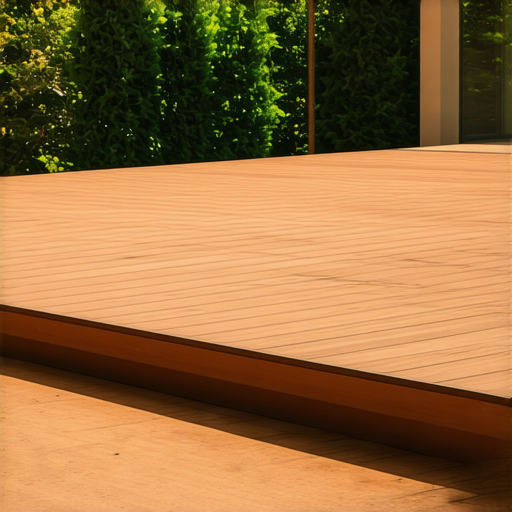
It was a sunny Saturday afternoon when I finally stepped onto my newly built deck, only to be met with a disappointing sight: the bulky, unsightly support posts that seemed to dominate the entire area. Despite investing so much time and money into creating a beautiful outdoor oasis, those raw, clunky posts made me feel like I was looking through a window instead of enjoying my backyard. That lightbulb moment made me realize I wasn’t alone—many homeowners face this frustrating challenge when designing or remodeling decks.
If you’ve ever felt the same way, you’re probably wondering if there’s a way to hide or disguise those support posts without sacrificing safety or style. Well, I’m here to tell you that with a little creativity and some clever tricks, you can turn those eyesores into features that enhance your outdoor space.
In this post, I’ll share five proven layout tricks that helped me achieve a seamless, beautiful deck design. Whether you’re planning a new build or giving your existing deck a facelift, these techniques will make those support posts blend right into the scenery. By the end, you’ll have practical ideas to boost your curb appeal and create a space where you genuinely want to relax.
Why Hiding Support Posts Matters More Than You Think
Support posts are essential for the safety and stability of your deck, but they’re often an afterthought in design. Early in my project, I made the mistake of choosing basic posts without considering how to integrate them into the overall aesthetic. As a result, my deck looked functional but uninspiring, with those bulky supports glaring at every turn. I learned that neglecting the visual aspect of support systems can diminish the overall appeal, even if your deck is well-built.
Manufacturers and designers now recognize this issue, and innovative solutions are emerging. Some studies show that a well-designed deck can increase property value by up to 15%, so why risk undermining that investment with visual flaws? By carefully planning around support posts, you not only improve your outdoor living experience but also increase your home’s market appeal. For more inspiration, check out some stunning [pergola designs that turn your garden into a sanctuary](https://deckforgebuilders.com/pergola-designs-that-turn-your-garden-into-a-sanctuary) and how to elevate curb appeal with smart decking ideas.
If you’re facing the dilemma of ugly support posts ruining your deck’s look, don’t worry. I’ve tested several tricks that worked wonders for me, and I’ll walk you through each one. By the end of this guide, you’ll be equipped with the best layout hacks to hide those troublesome supports and make your deck the envy of your neighborhood.
Ready to transform your deck? Let’s dive into the solutions that will help you create a cohesive, stunning outdoor space.
Create Hidden Supports for a Sleek Look
Start by replacing bulky support posts with thinner, modern steel brackets that integrate seamlessly into your deck’s design. I once used galvanized steel brackets to attach deck beams, which not only strengthened the structure but also minimized visual bulk. When installing, ensure brackets are flush with the deck surface for a clean appearance.
Use Pergolas or Architectural Overhangs
Introduce a pergola over the supported area to conceal posts entirely. I built a custom pergola using pressure-treated lumber, attaching it with brackets that sat flush to the beams. This approach disguises posts and adds vertical interest—plus, you can add climbing plants for a lush look. Consider consulting pergola designs that turn your garden into a sanctuary — you might get inspired to add lighting or privacy screens.
Design with Strategic Landscaping and Furniture
Place large potted plants or outdoor furniture around support posts to hide them naturally. I used tall, decorative pots with shrubs to soften their appearance. The key is to choose tall, dense plants that draw the eye away from supports, making the structure feel integrated into your garden. Combining this with creative lighting amplifies the effect at night.
Incorporate Design Elements for Distraction
Mount decorative panels or vertical garden beds on support posts. I wrapped my posts with custom-made wooden panels painted to match the deck. This not only concealed the posts but also added a stylish feature. Make sure panels are securely fastened and weather-resistant—consider composite materials for durability. To ensure safety, verify your railing system adheres to standards, like those detailed in pass-2026 safety audits.
Build a Bar or Seating Nook Around Posts
Create inviting spaces around support posts by building custom benches or bar counters that fit naturally into your deck layout. I used pressure-treated wood to craft a U-shaped seating area around a post, transforming an eyesore into a social hub. This method is especially effective in small yards, allowing you to maximize space and style without sacrificing function.
Opt for Material Matching and Color Coordination
Match railing, decking, and trim materials to your support posts for a unified look. I chose composite decking with a woodgrain finish that matched my railings and used it on my supports, which made the entire deck look cohesive. Using similar textures and colors reduces visual clutter and visually ‘disguises’ support posts as part of the overall design. Explore innovative deck design ideas here.
Consider Structural Safety and Building Codes
While hiding posts is aesthetically appealing, never compromise safety. Before finalizing any design, double-check local building codes and standards. I had to reinforce my supports with additional blocking and steel reinforcements during my project, especially when adding features like pergolas or planters. Secure attachments prevent wobbling and ensure long-term stability—consult professionals or resources like contact us for guidance.
Many homeowners believe that selecting the most popular or visually appealing options for railing systems, pergolas, and decking material guarantees the best outcome. However, this oversimplification neglects crucial nuances that can impact both safety and longevity. For instance, a common myth is that all composite decking brands perform equally well in sustaining color and resisting weathering. In reality, as highlighted by experts in outdoor construction, some brands utilize inferior polymer blends that fade faster or warp under extreme temperatures, making thorough research essential before choosing a material. When it comes to railing designs, many assume that any cable or glass system will pass inspections without factoring in tension requirements or local code specifics. Overlooking these critical details can lead to costly reworks or safety hazards. Additionally, with pergolas, the misconception that all wood is equally durable leads many to choose untreated timber, which is susceptible to rot and insect damage unless properly treated or composite alternatives are considered. An advanced aspect often neglected is understanding how climate influences material performance. For example, a study from the University of Florida shows that in coastal environments, materials must withstand high humidity and salt exposure, demanding specific construction techniques and material choices to prevent corrosion and deterioration. As you plan your outdoor upgrade, consider consulting detailed resources like expert guides on composite decking trends or custom railing systems to avoid these common pitfalls. Remember, the key isn’t just aesthetics—it’s about integrating advanced knowledge to ensure safety, durability, and style for years to come.
How Can I Identify the Best Railing System for My Environment?
To select the most reliable railing system, consider corrosion resistance in salt air zones, tension requirements for glass panels, and compliance with latest safety standards. Consulting professional resources or experts can save you from expensive mistakes. Have you ever fallen into this trap? Let me know in the comments.Maintaining your deck, pergola, or railing system requires the right tools and a disciplined approach to ensure long-term durability and safety. I personally rely on a combination of high-quality power equipment and detailed inspection routines to keep everything functioning smoothly. For instance, I always use a cordless oscillating tool for detailed work in tight spots, like cleaning or tightening railings, because its versatility and ease of handling save me time and effort.
When it comes to cleaning, a power washer with adjustable pressure settings is indispensable. I set mine to the lowest effective pressure to remove dirt without damaging composite decking or wood surfaces. Regular cleaning prevents mold buildup, which can lead to slipping hazards and material degradation over time. Additionally, I utilize specialized cleaning solutions designed for composite materials, ensuring stubborn stains are lifted without harming the surface.
For structural inspections, I rely on a digital moisture meter to detect hidden water intrusion that can cause rot or compromise support posts, particularly in areas exposed to high humidity or salt air. Carving out time every season for a thorough visual check-up—looking for loose fasteners, rust, or warping—helps identify issues early before they escalate.
In terms of software tools, I use project management apps like Trello to keep track of maintenance schedules and repairs. This helps me plan routine tasks—like tightening bolts or applying sealant—across different sections of my outdoor space. Some upcoming trends indicate that smart sensors integrated into decking or railing posts may soon alert homeowners to structural issues or moisture accumulation, which could revolutionize DIY maintenance routines.
What is the best way to stay ahead of deck wear and tear?
Regularly applying protective coatings, such as weatherproofing sealants or paint designed specifically for outdoor features, extends your deck’s lifespan. I recommend selecting products with UV inhibitors to prevent fading and surface cracking. For composite decking, I prefer using a dedicated cleaner and minimal sealing, since many modern composites are designed to resist weathering without additional coatings.
Also, investing in tools like a cordless impact driver makes assembly and fixing tasks more efficient, especially when installing or replacing support hardware. Look for models with adjustable torque settings to prevent over-tightening, which can strip screws or damage materials. I personally use brands like Milwaukee or DeWalt, as they consistently deliver reliable performance in harsh outdoor conditions.
Prediction-wise, I see an increasing integration of IoT devices into outdoor systems. Sensors that monitor moisture levels, structural stability, and even weather conditions are just starting to become affordable for homeowners. Implementing such tools now can save significant repair costs down the line.
Why is routine maintenance critical for long-term results?
Consistent upkeep using the right tools not only extends the life of your deck but also maintains its safety and aesthetic appeal. Ignoring minor issues can lead to costly replacements or safety hazards later. An example from expert sources highlights that regular tightening of railings and treating support posts against rot are vital, especially after storms or extreme weather events.
To give your outdoor space a durable edge, I encourage you to try setting up a seasonal maintenance checklist that includes cleaning, inspections, and protective treatments. Incorporating smart tools and products into your routine ensures your investment stays in top shape for years to come.
The Hardest Lesson I Learned About railing systems,pergola,composite decking,deck design
One of my most eye-opening experiences was realizing that functional structural elements, like support posts, can either detract from or enhance your deck’s aesthetic appeal depending on how you approach their design. I used to think hiding these posts was an afterthought, but I learned that thoughtfully integrating them can transform your outdoor space into a cohesive masterpiece.
3 Myths About railing systems,pergola,composite decking,deck design That Held Me Back
Initially, I believed that bulky support posts had to be an eyesore, that only expensive solutions could hide them, and that safety would always be compromised by aesthetic fixes. Challenging these myths opened up creative avenues, showing that smart design choices can keep your deck both beautiful and safe.
What Experts Won’t Tell You About railing systems,pergola,composition decking,deck design
Many professionals emphasize safety first, but often overlook how clever layout tricks can conceal support posts without cutting corners. For instance, using strategic landscaping or built-in features can create a seamless look, ensuring your deck remains structurally sound while visually stunning. Diving into expert resources, like custom railing systems, can give you a deeper understanding of balancing safety and style.
My Essential Toolkit for railing systems,pergola,composite decking,deck design
Over the years, I’ve relied on tools like high-quality power washers, moisture meters, and weather-resistant paints to maintain and modify my deck. Brands like Milwaukee and DeWalt consistently perform well in outdoor conditions, giving me confidence that my support posts and fixtures are secure. Consulting resources such as composite decking trends helps me select durable materials that resist weathering and fading, ensuring a lasting aesthetic.
Your Turn to Try
Designing a deck that beautifully disguises support posts while maintaining safety standards is within your reach. With a little planning and the right techniques, you can elevate your outdoor space to new heights of style and function. Remember, the key isn’t just hiding imperfections—it’s creating harmony between form and safety that truly makes your deck stand out.
Have you ever struggled with hiding support posts or integrating structural elements seamlessly? Share your experience below and let’s learn from each other’s successes and challenges.
**[Note: For further inspiration on innovative deck layouts or pergola designs, visit this resource or explore deck design ideas.]**