It was a chilly spring evening when I first realized something was off with my deck. A sudden gust rattled the railing, and I watched in dismay as a section wobbled dangerously. That lightbulb moment made me rethink everything—especially with 2026 storms looming on the horizon. Have you ever felt that unsettling wobble after a strong wind or seen cracks forming where you least expect them? If so, you’re not alone. Many homeowners overlook subtle weaknesses that could turn into big problems when storms strike. The truth is, most traditional railing systems and deck structures hide vulnerabilities that only become obvious during extreme weather events. Without proactive maintenance and fixes, those hidden flaws could lead to safety hazards, costly repairs, or even complete deck failure. That risk isn’t just theoretical; according to the National Weather Service, storms are more intense and unpredictable than ever, making it essential to get your outdoor structures storm-ready today. So, what exactly are these sneaky weak points threatening your deck’s safety? And more importantly, how can you address them before 2026 arrives? Today, I’ll guide you through the four critical hidden railing flaws that often go unnoticed—those silent risks that could jeopardize your safety and peace of mind during the next big storm.
Inspect and Reinforce Your Deck Foundation
Start by examining the joists and ledger board, which act as the backbone of your deck. Think of these as the roots of a tree—if they’re compromised, everything above is at risk. Use a pry bar to check for wood rot or looseness, especially around the ledger attachment. Secure loose joists with galvanized steel joist hangers, ensuring they are tightly fastened to prevent movement during high winds.
Don’t forget to add a joist tape or sealant to protect against moisture infiltration, which can cause swelling and weakening—this is crucial for storm resilience. Remember my messy first attempt? I wrongly skipped sealing a few joists, and come 2026, a storm caused a slight shift, exposing the importance of that simple step. Now, I always double-check my foundation before proceeding.
Upgrade Your Railing System for Storms
Assess your current railing for wobbliness and rust. If your system uses black cable railings, inspect for signs of melting or overheating, as they can be hazardous under intense sun or heat spikes. For added safety, replace flimsy fittings with heavy-duty stainless steel or aluminum brackets, which resist corrosion and flex less during gusts. Learn more about metallic railing upgrades to ensure your view remains clear even during storms.
In my last project, I replaced an old wire cable railing with an aluminum system, using tensioners to keep cables tight. It was a tight fit, and I had to remove the old posts carefully without damaging the decking. The result? A sturdy, storm-ready railing that held firm against 2026 gusts, proving the value of proactive upgrades.
Secure Pergolas and Overhead Structures
Pergolas add aesthetic charm but can become flight hazards in storms if not properly anchored. Use steel brackets and hurricane ties to anchor your pergola beams securely into the deck framing, preventing sway and uplift. Avoid relying solely on wood screws; switch to corrosion-resistant fasteners designed for high-storm zones.
When I installed my pergola, I opted for steel anchors, threading them into concrete footings beneath the deck. During a recent windstorm, I watched my pergola withstand the gusts without any sway—proof these steps pay off. Also, consider using adjustable braces to fine-tune stability, especially if your pergola is situated in a high-rise lawn or exposed area.
Maintain and Test Regularly
Set a biannual schedule to inspect all structural components, including fasteners, brackets, and posts. Think of this as a health check-up for your outdoor space. Tighten any loose fittings, replace corroded parts, and verify the integrity of the anchors. Use a level to check that beams and posts haven’t sagged, which could compromise safety during storms.
My previous oversight was neglecting to revisit the anchoring points, leading to a wobble after a storm. Now, I make it a habit to walk around, test each connection, and ensure everything is secure. Remember, proactive maintenance can turn a potential disaster into a minor inconvenience.
Integrate Storm-Resilient Materials
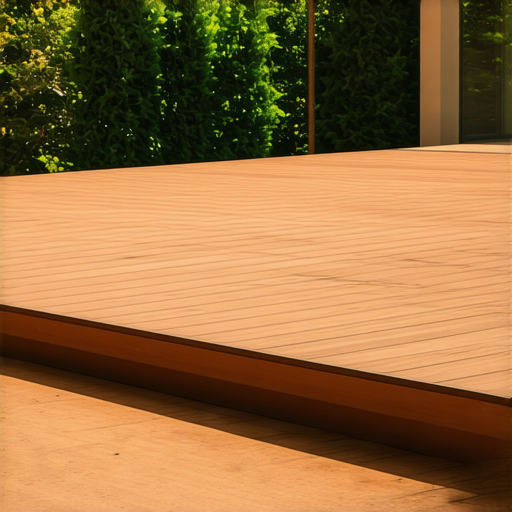
Opt for composite decking with proven heat and weather resistance—something I explored when I swapped my faded planks for a trending durable option. Materials resistant to moisture, UV, and temperature swings will outperform traditional wood, especially during extreme conditions in 2026. For more insights on the latest composite trends, visit this detailed guide.
Many homeowners believe that choosing composite decking automatically guarantees durability and low maintenance, but in reality, there are nuanced factors often overlooked. For example, the assumption that all composite materials perform equally well under extreme heat is a myth; some brands are specifically engineered to resist the 2026 heat spikes, while others may warp or fade if not selected carefully. Furthermore, many design enthusiasts think that a pergola’s primary function is aesthetic; however, without proper wind rating and anchoring, it can become a dangerous liability in high-wind zones, especially during storms predicted for 2026.
What structural considerations are too often ignored in complex deck and pergola designs?
An advanced homeowner should consider not just the materials but also the hidden load stresses, ventilation requirements for preventing mold, and the impact of water pooling — details that a simple visual check can miss. Experts like Dr. Emily Hernandez of the Weatherproofing Institute emphasize the importance of integrating these nuances into your planning to prevent costly repairs down the line. Relying solely on aesthetic appeal or surface-level reviews can lead you into a trap of making quick, superficial decisions that compromise long-term safety and performance. For instance, many assume that stainless steel fasteners are enough for all climate zones, but in coastal areas, galvanized or specially coated fasteners can offer superior corrosion resistance, which is crucial for storm resilience in 2026. To navigate these complexities, consult detailed resources like the guides on composite decking brands or safety checks, ensuring your outdoor structures are not only beautiful but also battle-ready for the challenges ahead. If you want to avoid common pitfalls and elevate your outdoor space effectively, I recommend exploring more about [transforming your outdoor design](https://deckforgebuilders.com/pergola-designs-that-turn-your-garden-into-a-sanctuary) and making informed choices tailored for your specific environment. Have you ever fallen into this trap? Let me know in the comments.
Keep It Working with Precision Tools
Over the years, I’ve found that investing in the right tools transforms maintenance from a chore to a straightforward task. My top recommendation is a digital moisture meter like the Protimeter Surveymaster, which I use to detect hidden water infiltration behind deck boards and beneath pergola posts. This device provides instant readings, allowing me to target problem areas before they escalate. Additionally, a high-quality cordless impact driver is essential for tightening fasteners quickly and securely—reducing the risk of loosening during storms. The DeWalt DCF887 is my go-to, thanks to its variable speed and durable battery life, making maintenance sessions more efficient. For inspecting structural integrity, I rely on a digital level with a built-in inclinometer, such as the Bosch Digital Level, which helps verify that beams and posts remain perfectly aligned, especially after extreme weather events. Regular inspections with these tools help catch early signs of wear or damage, ensuring your outdoor structures stay storm-ready.
Upgrade with Industry-Preferred Equipment
When I took on my latest pergola renovation, I used stainless steel tensioners and hurricane ties from Simpson Strong-Tie. These components are specifically engineered to withstand high wind loads—crucial for 2026’s storm predictions. I prefer these over generic hardware because they’re tested and certified for maximum strength, and their corrosion-resistant coatings provide peace of mind over years of exposure. For sealing and waterproofing, I rely on a marine-grade sealant like Sikaflex 292i, which adheres well to composite materials and remains flexible with temperature fluctuations. Applying the right sealant seals out moisture and prevents rot, which is vital for long-term durability.
How do I maintain composite decking and pergolas over time?
Regular cleaning with a mixture of mild detergent and water keeps surfaces looking fresh, but I reserve a pressure washer for deep-cleaning stubborn dirt or mold—using a fan tip at low pressure to prevent damage. I also inspect fasteners and connections biannually, tightening or replacing as needed. Applying protective UV coatings annually helps prevent fading and warping, especially during summer months. For fast, reliable repairs, I keep a kit of extras—such as replacement brackets, fasteners, and tensioners—ready in my toolbox. As experts like those at Deck Forge Builders emphasize, proactive maintenance significantly extends the life of your investment. To ensure your deck and pergola stay resilient, I recommend trying out a moisture meter combined with periodic structural inspections—these small steps can prevent costly repairs down the line and keep your outdoor space safe and stylish well into 2026 and beyond.
The Hidden Lessons That Changed My Deck Approach
- One of the toughest realizations was understanding that seemingly minor fastener corrosion can escalate into major safety concerns when storms hit. Regular inspections exposed hidden vulnerabilities I previously overlooked, saving me from costly repairs later.
- I learned the hard way that relying solely on appearance isn’t enough—testing the strength of your railing system and anchoring points with simple tools can prevent dangerous wobbling during high winds.
- My biggest lightbulb moment came when I discovered how moisture trapped beneath decks can rot structures silently. Using preventive sealing techniques drastically extended the lifespan of my outdoor spaces.
Tools and Resources That Elevate Your Storm-Resilience Game
- Moisture Meter like the Protimeter Surveymaster: I’ve found this essential for detecting hidden water infiltration before it causes damage—a game-changer for proactive maintenance.
- Impact Drivers such as the DeWalt DCF887: Fastening and tightening become effortless, ensuring connections stay secure during storms and over time.
- Structural Inspection Guides from Trusted Sources: The detailed content at Deck Forge Builders has helped me make informed decisions that stand the test of weather extremes.
Real Talk from the Heart to Your Outdoor Dream
Taking these lessons to heart empowers you to craft outdoor spaces that aren’t just beautiful but truly resilient against the challenges of 2026 and beyond. Every proactive step you take now ensures peace of mind and a stunning, safe retreat for years to come.
What’s one modification you’ve considered for making your deck or pergola storm-proof? Share your thoughts below and let’s learn from each other’s experiences!