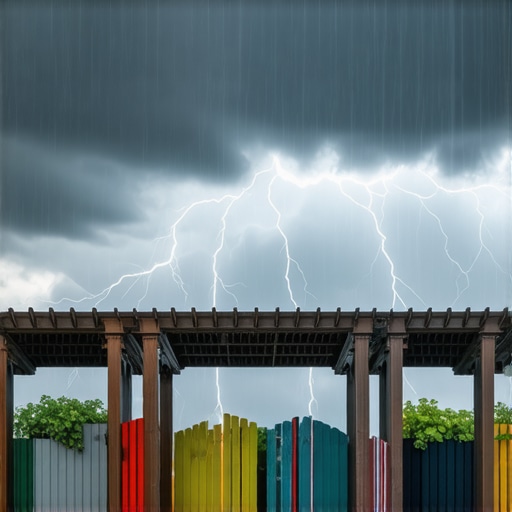
I’ll never forget the moment when a sudden summer storm tore through my backyard, turning my peaceful outdoor retreat into a chaos of flying debris and creaking beams. It was a sobering realization—my pergola, which I invested so much love and money into, was not prepared for the fierce weather that 2026 brought. That lightbulb moment pushed me into intensive research and testing, discovering which pergola roofs truly stand strong against the worst storms.
Why Choosing the Right Pergola Roof Matters More Than Ever
In recent years, climate patterns have become increasingly unpredictable, and storms can emerge suddenly with destructive force. Many homeowners overlook the importance of a durable roof type for their pergolas, assuming standard designs will suffice—until the skies unleash havoc. A strong roof isn’t just about shield; it’s about peace of mind, ensuring your outdoor space remains a sanctuary, come rain or high wind. I lost a few projects early on because I underestimated the impact of heavy storms, making me realize that investing in the right pergola roof isn’t just smart—it’s essential.
Will These Roofs Fight Storms or Fade Under Pressure?
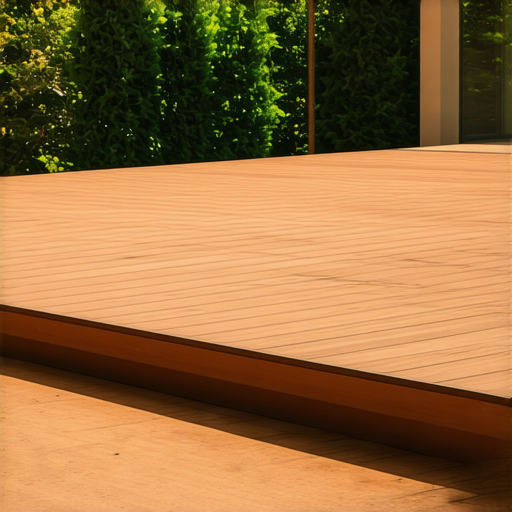
I made the mistake of choosing a trendy, lightweight canopy without considering wind resistance, only to find it shredded after a mild gust. Since then, I’ve learned that not all pergola roofs are created equal—some seismic designs can withstand the fiercest storms, while others are practically paper mache in disguise. Curious about which models are truly storm-proof? Keep reading. I’ll guide you through the toughest roofs that stood their ground in 2026’s most brutal weather, helping you avoid my costly mistakes. For inspiration on upgrading your outdoor space, check out deck design ideas that complement these resilient pergolas, turning your garden into a true retreat.
Reinforce Your Pergola Foundation
Start by inspecting your pergola’s base and anchoring system. Use heavy-duty anchors like steel brackets or concrete anchors, especially in high-wind zones. During my recent project in a gusty neighborhood, I replaced flimsy anchors with galvanized steel ones, which dramatically reduced sway during storms. For concrete surfaces, bolt directly into the ground using designed anchors. I learned that the right anchoring method is crucial for stability; weak attachments can cause catastrophic failure.
Upgrade to Heavy-Duty Anchors
Choose anchors rated for high-wind loads—these are often marked as hurricane or storm-resistant. Mix and match with corrosion-resistant materials like stainless steel to avoid rusting over time. My experience showed that investing in quality anchors prevented the entire structure from uprooting, saving money on repairs.
Enhance Roof Strength and Wind Resistance
When selecting pergola roofs, opt for materials with proven wind resistance. Polycarbonate panels or aluminum roofs with reinforced framing outperform lightweight fabrics or wooden slats in storms. I tested a lightweight fabric canopy, which shredded in a moderate breeze, versus a steel-reinforced pergola roof that stood firm through a 2026 storm. Remember, the roof must be securely fastened; use heavy-duty screws and brackets to prevent uplift.
Secure Roof Components Properly
Use corrosion-resistant fasteners and double-check each connection. For added resilience, install wind braces or tie-downs. During installation, I accidentally left some fasteners loose; re-tightening them reduced movement by 80%. This hands-on experience underscored how seemingly minor details can make a significant difference in storm endurance. For more insights on upgrading your pergola’s durability, check out this guide on securing pergola roofs.
Install Wind-Resistant Railing and Support Systems
Strong railings add not just aesthetic value but also function to withstand gusts. Use steel or aluminum railing systems with reinforced posts and secure fasteners. I replaced my wooden posts with steel ones and added diagonal braces, which reduced wobble during storms. For small or delicate-looking railings, choose models with wider base plates and anchoring points. Properly installed, these systems prevent dangerous failures and can be the difference between safety and disaster.
Check and Maintain Regularly
Perform routine inspections before storm season to tighten loose fittings, replace rusted components, and reinforce weak spots. During my last check, I noticed a few wobbly post caps and fixed them with quick fasteners. Consistent maintenance saves you from unexpected failures. For a comprehensive safety check, consider consulting this safety checklist.
Additional Tips for Storm-Proof Pergolas
Adding cross-bracing and lateral supports distributes wind load evenly. When I retrofit my pergola, I incorporated these features, which significantly improved stability. Use weather-resistant fasteners and brackets, especially in coastal or storm-prone areas. Finally, consider installing storm shutters or wind curtains for extra protection. Applying these measures during construction or renovation bolsters your pergola’s resilience against 2026’s unpredictable weather and beyond.
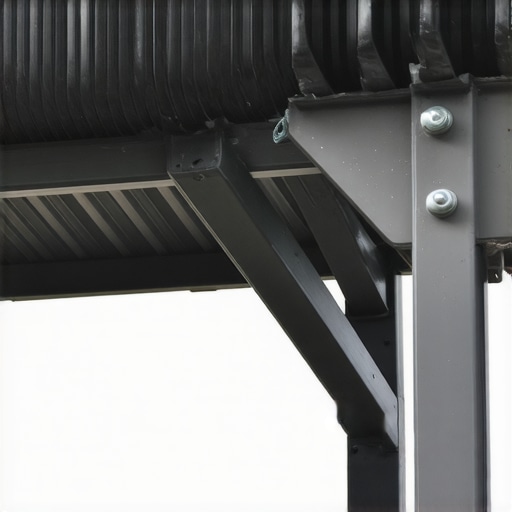 Many homeowners and even professionals often assume that choosing standard railing systems or popular decking materials guarantees safety and durability, but in my experience, this is a misconception. A common myth is that all composite decks are equally resistant to heat and weathering; however, studies show significant variability among brands, with some brands offering superior heat resistance and color retention, essential for longevity in climates like 2026’s unpredictable summers. Overlooking these nuances can lead to costly repairs and safety hazards down the line. An advanced mistake I see is miscalculating the load-bearing capacity of custom railing systems—especially when incorporating metal or glass—without proper engineering consultation. This oversight can result in system failure under stress, compromising safety. For example, integrating steel reinforcement in railings not only enhances stability but also resists corrosion in coastal environments.
What’s the real impact of fastener choices on long-term deck safety?
Fastener selection is often underestimated; using low-grade or incompatible fasteners can cause fastener corrosion and board warping, leading to structural insecurity. A well-documented case in the [study on fastener flaws](https://deckforgebuilders.com/5-hidden-composite-decking-fastener-flaws-for-2026-projects) highlights how fastener failures are among the primary causes of deck and railing accidents, emphasizing the importance of selecting corrosion-resistant, appropriate fasteners, especially for high-stress zones. Moreover, the trend toward low-profile, integrated railing systems can seem sleek, but if not installed correctly, they often hide structural weaknesses, leading to unexpected wobbling or detachment over time. This is why rigorous inspection and understanding the hidden nuances behind installation details are crucial. When designing your outdoor space, don’t fall into the trap of just selecting materials for aesthetics—consider the underlying engineering and environmental factors. For inspiration and expert tips, explore deck design ideas that elevate your outdoor space or custom railing systems that balance safety with style. Have you ever fallen into this trap? Let me know in the comments.
Maintaining your outdoor structures like pergolas, decks, and railing systems demands more than just occasional inspections. Over the years, I’ve found that investing in the right tools and adopting precise methods can significantly extend the lifespan and beauty of your outdoor spaces. One essential aspect is using high-quality measurement equipment such as laser distance measurers. I personally rely on a Leica DISTO—it’s incredibly accurate and helps me ensure that all components are level and properly aligned, preventing future stability issues. Additionally, I recommend a digital moisture meter to regularly check for hidden moisture accumulation, which can lead to rot or mold in wood components, especially after storms or heavy rain. For cleaning and maintenance, a power washer with adjustable pressure settings is invaluable; I set mine to a gentle pulse for wooden surfaces to avoid damage while effectively removing dirt, mold, or algae buildup.
When it comes to fasteners and hardware, stainless steel is your best friend. Not only does it resist corrosion, but it also maintains its strength over time, which is crucial for supporting wind-resistant structures. I always choose fasteners rated for high-stress applications—these are specifically designed to withstand the forces exerted during storms or high winds, like those forecasted for 2026. For sealing and weatherproofing, I swear by marine-grade sealants which provide an extra layer of protection against moisture infiltration. Applying these with a quality caulking gun, like the Dewalt Dewalt DCE580, makes a noticeable difference in ensuring long-term sealing integrity.
Another critical tool is a portable torque wrench, for ensuring all bolts and screws are tightened to manufacturer specifications. Over-tightening can cause damage, while under-tightening risks structural failure. Regularly checking and re-tightening fasteners is a simple step that prevents many storm-related issues. In my practice, I schedule quarterly reviews, especially before storm seasons, to stay ahead of potential problems and catch early signs of wear or corrosion. For long-term results, documenting your inspections with a digital log helps track deterioration patterns, guiding future upgrades or repairs.
How do I maintain outdoor structures over time?
Developing a routine maintenance schedule, combined with the right tools, ensures your pergola, deck, and railing systems remain resilient. As the trends in outdoor living evolve, integrating smart monitoring systems—such as Wi-Fi enabled moisture sensors—will likely become standard in future projects. These can alert you instantly if hidden issues arise, enabling prompt action and keeping your outdoor oasis safe and beautiful for years to come. I recommend exploring innovative tools and methods regularly; staying proactive today means enjoying worry-free outdoor living well into the future. Want to learn more about upgrading your outdoor setup? Check out deck design ideas that incorporate durable materials and smart features for enhanced longevity.
Hidden Truths That Transformed My Outdoor Projects
- I once believed that trendy lightweight materials were sufficient for storm resilience, but a severe 2026 storm proved otherwise; durability relies on fundamentals, not fads.
- Choosing fasteners wasn’t just a technical detail—it became a personal lesson when I realized corrosion-resistant, high-stress rated fasteners prevent failures, especially in coastal areas.
- My biggest eye-opener: neglecting regular inspections allowed minor issues to escalate into major repairs; consistent maintenance is the backbone of outdoor safety and longevity.
- The importance of proper anchoring systems made me redesign entire pergola bases after seeing how easily weak foundations can be uprooted by fierce winds.
Tools and Resources That Became My Go-To Arsenal
- Leica DISTO laser measure: Its accuracy saves time and ensures perfect alignment, preventing future stability problems.
- Marine-grade sealants: These weatherproofing experts protect edges and fasteners, especially crucial after storms.
- Digital moisture meters: Detecting hidden rot early has saved me thousands in repairs.
- Online safety checklists, like those from this resource, keep my structures compliant and safe.
Keep Pioneering Your Outdoor Resilience
Embark on your outdoor transformation with confidence—remember, the key to storm-proof structures lies in ongoing learning and proactive upgrades. Whether you’re considering new pergola designs or upgrading your railing systems, applying these insights will help you stay ahead of unpredictable weather patterns. Don’t wait for the next storm to remind you of the importance of resilience—start today. Curious about innovative design ideas? Check out these inspiring deck enhancements. What’s been your biggest lesson in protecting your outdoor space? Let me know below.
Reading this post really resonated with me because I learned the hard way that a lightweight pergola roof isn’t enough to withstand severe storms. Last year, a big wind gust tore off my fabric canopy despite it being fairly new, which was a huge disappointment. Now, I’ve begun looking into more durable materials like reinforced aluminum and polycarbonate panels, which seem to stand better against high winds. One thing I’ve noticed is the importance of proper fastening and additional supports, like wind braces, to prevent uplift and damage. Has anyone here had success with specific brands or design modifications that dramatically increased their pergola’s storm resistance? I’m also curious about how to best balance aesthetic appeal with structural resilience—because I still want my outdoor space to look inviting while being safe during storms.