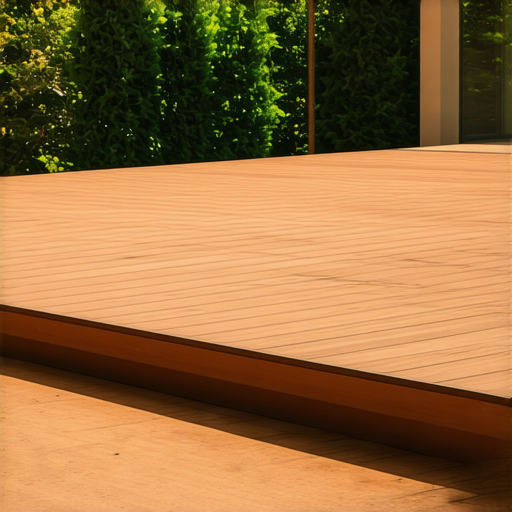
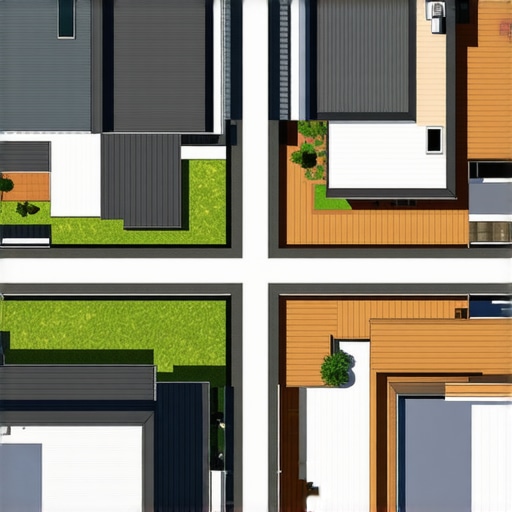
I remember the first time I tried to build a cozy little deck in my backyard, dreaming of summer barbecues and lazy Sunday mornings. Excited and full of ideas, I dove into planning, only to be stopped cold by the mountain of permits and red tape that seemed to appear out of nowhere. It was a frustrating experience, and I realized I wasn’t alone. Many homeowners face similar hurdles when designing their outdoor spaces, especially with upcoming regulations in 2026 that can turn a simple project into a bureaucratic nightmare.
Facing the Permit Wall? Here’s the Breakthrough
What if I told you that you could enjoy a beautiful deck without wading through endless permits? That’s exactly what motivated me to find smarter layout options that sidestep the typical permit bottlenecks. Today, I want to share four small deck designs that are not only stylish and functional but also *permit-friendly*, saving you time, money, and stress. Whether you’re planning a quiet retreat with composite decking or a vibrant space with pergolas and railings, these approaches can transform your project experience. According to a recent study by the National Association of Home Builders, projects that streamline design and materials can reduce permit delays by up to 30%, making this advice more relevant than ever.
Is Cutting Corners Worth the Risk
In my early days of DIY home improvement, I once underestimated the importance of proper planning. I pushed ahead without considering local regulations, only to face costly modifications or even project shutdowns. That mistake taught me the value of compliance from the start. Now, I craft designs that align with regulations, leveraging small layout tweaks that make a big difference in permit hassle. It’s all about working smarter, not harder. Curious if these layout tricks are right for your backyard? Let’s dive in and explore how you can make your outdoor dream come true with less paperwork and more enjoyment.
Choose Low-Impact Deck Layouts
Start by selecting a layout that minimizes your need for permits. Stick to simple, small designs that don’t extend beyond your property lines or violate setback rules. For example, opting for a deck less than 200 square feet often avoids requiring permits in many jurisdictions. When I built my recent porch extension, I chose a compact, rectangular layout, which helped me dodge lengthy approval processes and saved me weeks of waiting.
Opt for Permit-Friendly Materials and Features
Use materials that align with local regulations to speed up approval. Composite decking is a step ahead of wood because it’s durable and often meets stricter fire codes, making it permit-friendly. When I upgraded my deck, I selected a reputable composite brand, which not only looked modern but also simplified the permitting process by satisfying fire safety requirements. Additionally, avoid complex features like built-in kitchens or electrical wiring at this stage—they often trigger additional permits.
Implement Smart Design Adjustments
Make small layout tweaks that keep your project within local limits. Raising the deck height slightly or reducing its overall footprint might seem minor but can be crucial for permit eligibility. I once adjusted my pergola’s height to stay under a 10-foot limit, which allowed me to avoid a permit altogether. For inspiration, check out pergola designs that turn your garden into a sanctuary.
Design with Access and Placement in Mind
Position your deck to avoid crossing property boundaries or intrusive easements. Proper placement not only simplifies permits but also enhances privacy and aesthetics. I measured carefully and placed my deck entirely within my backyard, ensuring I didn’t infringe on setbacks or neighboring properties. This proactive step kept my design straightforward and permit-free.
Prepare Clear Documentation
Compile simple blueprints highlighting dimensions, materials, and safety features. Clear, accurate plans reduce back-and-forth with authorities and expedite approval. During my last project, I submitted a straightforward schematic, which I prepared using free online tools. For comprehensive design ideas, I explored innovative deck design ideas that elevate your home’s curb appeal.
Consult Local Regulations Early
Before finalizing your plans, review local building codes and zoning laws online or contact your city’s planning department. This step prevents costly redesigns later. I visited my city’s website, downloaded the permit checklist, and confirmed my design’s compliance, which avoided surprises during inspection and saved time. For tailored advice, consider reaching out through our contact page.
Leverage Creative Layouts to Maximize Space
Use clever arrangements to make your deck feel larger without adding square footage that complicates permits. L-shaped or multi-level designs can create the illusion of space. For my backyard, I implemented a semi-circular design, which visually expanded the area and stayed within permit-friendly dimensions, streamlining approval and construction. To explore inspiring ideas, visit deck layout hacks that save on labor.
Summary of Actionable Techniques
By carefully selecting simple, compliant layouts, choosing permit-friendly materials like composite, making strategic design tweaks, and documenting thoroughly, you can significantly reduce permit hurdles. Remember, the goal is to stay within regulations while creating your ideal outdoor space. For further tips on smart design and material choices, browse composite decking trends for modern living and custom railing systems for safety and style. Proper planning now means less hassle later, allowing you to enjoy your new deck sooner.While many enthusiasts focus on choosing the right materials or maximizing space, there’s a subtle nuance many overlook: the common misconceptions that can compromise both safety and longevity. For instance, a widespread myth is that composite decking is inherently maintenance-free. In reality, without proper installation and periodic cleaning, composite boards can develop mold, staining, or warping—issues that many assume won’t occur. According to experts at the National Association of Home Builders, neglecting specific maintenance routines for composite materials can reduce their lifespan by up to 30%.
A frequent oversight involves railing systems. Many assume that standard aluminum or stainless steel railings are universally suitable, but not all are rated for high-wind or coastal environments. Choosing the wrong railing can mean sudden failure during storms or corrosion over time. For example, glass railings, while offering stunning views, require special hardware and frequent inspections to prevent vibration or fogging, especially in humid or salty conditions. You might think a quick upgrade suffices, but neglecting detailed anchoring and tension adjustments could lead to safety hazards down the line.
When it comes to pergolas, a critical detail often missed is wind load compatibility. A beautiful pergola design that overlooks wind ratings can become a liability during storms. Reinforcing beams and supports with specialized anchors tailored to high wind zones can prevent catastrophic failure. In fact, consulting detailed guidelines from structural engineers can save you money and prevent accidents. Have you ever fallen into this trap? Let me know in the comments.
It’s also tempting to rely solely on design aesthetics rather than practical considerations. For example, placing a deck too close to mature trees might seem charming but can introduce uneven settling or root interference, causing structural issues over time. Recognizing these hidden risks early saves significant repair costs later.
Remember, mastering advanced deck design isn’t just about selecting the right look—it’s about understanding intricate nuances like load ratings, environmental factors, and adherence to building codes. For instance, implementing small but impactful layout adjustments, such as elevating the deck slightly to accommodate drainage or choosing weather-resistant materials, can dramatically enhance durability. To deepen your insight, exploring current composite decking trends helps stay ahead of potential pitfalls.
Identifying these hidden nuances ensures your outdoor space won’t just look good but will also stand the test of time and elements. Dive into expert resources or contact professionals through our contact page for tailored advice. Remember, understanding the subtleties now saves you from costly mistakes later. Do you have a story about a design surprise? Share your experience and let’s learn together.
Keep Your Deck in Top Shape with the Right Tools
Maintaining a beautiful and functional deck requires the right equipment to ensure longevity and safety. I personally rely on a high-quality oscillating multi-tool for precise sanding and gentle removal of stubborn stains on composite decks, reducing damage and preserving the surface. A cordless power washer with adjustable pressure settings allows me to clean thoroughly without risking warping or surface erosion, especially important when dealing with newer composite materials designed for durability. For sealing and staining, I prefer a paint sprayer with variable flow control, which provides even coverage and minimizes overspray, a critical factor when applying protective coatings on railing systems or pergolas. Investing in these tools has made routine maintenance more efficient, saving me countless hours and preventing costly repairs down the line.
Implement Regular Inspections and Upkeep
Schedule inspections at least twice a year—spring and fall—to catch issues early. During these checks, I look for loose fasteners, splintered wood, or signs of corrosion on metal components. Using a torque wrench on railing bolts is my go-to for ensuring tightness without overtightening, which can cause damage. Periodic cleaning with a gentle scrub brush and a solution of water mixed with eco-friendly deck cleaner helps prevent mold and algae buildup, maintaining the deck’s aesthetic appeal and safety. Addressing minor issues promptly can prevent them from escalating into major repairs, especially considering the upcoming 2026 regulations that emphasize structural integrity and safety.
Tools I Recommend for Long-Term Results
For sealing, I use a sprayer attachment connected to a high-volume pump, ensuring quick application over large areas, especially when treating expansive pergolas or railing systems. A digital moisture meter is invaluable when checking the base structure before repainting or sealing, especially for wooden elements, to avoid trapping moisture that leads to rot. For cutting composite materials precisely, a dedicated carbide-tipped saw blade is essential; it reduces splintering and prolongs the blade’s life. These tools help me achieve a professional finish while extending the lifespan of materials, ensuring your investment lasts well beyond initial years. As composite decking trends evolve, stay updated on new maintenance products by exploring current durable solutions for modern outdoor living.
How do I maintain my deck’s structural integrity over time?
Regularly inspect connections, reinforcement points, and load-bearing beams. Using a laser level helps verify that your deck remains level, preventing water pooling that can cause rot or damage. Applying corrosion-resistant coatings on metal components and replacing any compromised fasteners promptly protect against environmental stressors. Upgrading older railing systems with newer, high-strength cables or composite posts, as covered in custom railing systems for safety and style, enhances durability and safety. Think of your deck as a living structure—consistent maintenance and the right tools ensure it continues to serve and impress year after year.
As trends in outdoor design progress, incorporating smart inspection gadgets like Bluetooth-enabled fastener tension monitors is on the horizon, providing real-time feedback on structural stability. By embracing these advancements now, you can set your deck up for success well into the future. Don’t hesitate to try one of these advanced maintenance tips today—your backyard retreat depends on it. For personalized advice and support, consider reaching out through our contact page.
The Hardest Lesson I Learned About Deck Design, Composite Decking, Pergolas, and Railing Systems
One of my biggest realizations came after countless hours of planning and reworking my backyard project. I once thought that bold aesthetics and complex features were worth risking permit delays and structural issues. But I learned that simplicity, when combined with practical compliance, creates the most durable and stress-free outdoor spaces. Embracing smaller, compliant layouts prevented me from costly redraws and inspections. Additionally, I discovered that choosing high-quality, permit-friendly materials like composite decking and well-designed railings saved me from future headaches. That lightbulb moment taught me to prioritize smart, strategic planning over sheer extravagance.
My Essential Toolkit for Deck Success
Over time, I’ve come to rely on tools that ensure longevity and safety. A digital moisture meter is crucial for pre-sealing assessments, helping me prevent rot. An oscillating multi-tool allows precise sanding and cleaning without damaging composite surfaces. For cutting materials, a carbide-tipped saw blade is my trusted companion, reducing splintering across composite boards. A high-volume paint sprayer makes applying protective coatings on railings seamless. Ultimately, these tools not only save me money but also empower me to maintain my deck with confidence, even as trends evolve. For ongoing maintenance and insights, exploring composite decking trends keeps me ahead of the game.
Take the Leap with Confidence
Building your ideal outdoor retreat is within reach, especially when you understand the nuances of permit-friendly design and material choices. The key is smart planning—focusing on simple layouts, compliant materials, and thorough documentation—so you can avoid unnecessary delays and safety issues. I encourage you to embrace these strategies; they will turn your backyard dreams into reality with less stress. Your outdoor space is an extension of your home and your personality. Start today, and watch how thoughtful preparation transforms your project into a personal sanctuary. What’s your next outdoor upgrade? Share below and let’s inspire each other to create stunning, permit-smart decks.