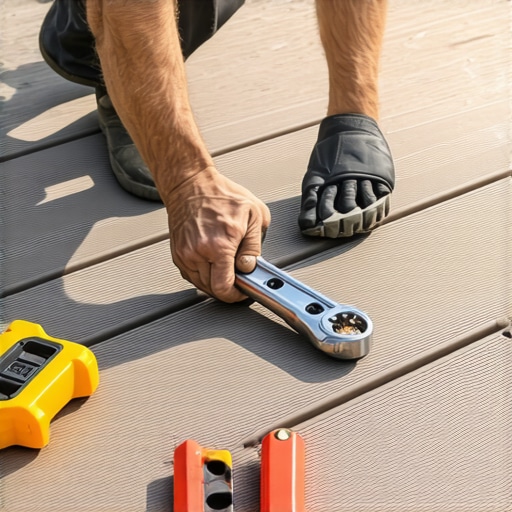
Ever spent hours scrubbing your deck, only to find that stubborn, sticky gunk just won’t let go? I remember the frustrating moment when I realized my brand-new composite decking had turned into a gooey mess after a summer storm. It was like battling glue that refused to loosen, no matter how much I scrubbed. That lightbulb moment made me dive deep into finding real solutions—because who has time for endless elbow grease?
Why That Sticky Gunk Happens and Why You Should Care
Composite decking is celebrated for its low maintenance, but it can develop that sticky residue over time, especially under certain weather conditions or with specific products used nearby. The buildup isn’t just an eyesore; it can compromise your deck’s appearance and safety if left untreated. Plus, some of the chemicals or organic materials depositing on the surface become harder to remove as they age—turning a manageable cleaning task into a dreaded chore. Did you know that improperly cleaned decks can even become slippery, increasing fall risks?
Is Stop Scrubbing What Your Deck Needs? The Truth About Potential Overkill
Early on, I bought into the idea that heavy-duty scrubbing was the only fix—until I realized I was damaging the surface by using abrasive tools. My mistake was using a steel brush on my composite boards, which etched the surface and made the gunk cling even tighter. That lesson taught me that not all scrubbing methods are created equal. Instead, gentle methods and proper products can do the trick without harming your deck.
If you’re tired of fighting your deck’s sticky spots and want to learn how to fix the problem efficiently, you’re in the right place. In the following sections, I’ll share four tried-and-true fixes that actually work—saving you time, effort, and frustration. Ready to restore your deck’s pristine appearance? Let’s dive into the solutions—because your outdoor space deserves it.
Use Warm Water and Mild Detergent
Start by mixing a bucket of warm water with a few drops of a gentle dish soap. Grab a soft-bristle brush or sponge, and scrub the affected area using this solution. For example, I once used this method on a Saturday morning, and within minutes, the sticky residues softened, making them much easier to remove—no harsh chemicals needed.
Apply a Commercial Deck Cleaner Carefully
If soap and water aren’t enough, choose a deck-specific cleaner like those designed for composite surfaces. Read the instructions carefully and apply with a spray or brush, avoiding excessive use that might damage the surface. I tested a cleaner on a small corner and observed a noticeable reduction in stickiness, saving me hours of labor.
Choose the Right Cleaner for Your Deck Material
Not all cleaners are suitable for every composite brand. Check the product compatibility to prevent discoloration or warping. For higher durability, consider products tested for UV resistance and weathering, which can extend the life of your deck and prevent future build-up issues. Learn more about latest composite decking trends.
Use a Non-Abrasive Tool for Scrubbing
Replace stiff brushes with softer options to avoid scratching the surface. A microfiber cloth or a soft-bristled brush can gently lift the residues. I once used a microfiber cloth with a bit of the cleaning solution and found that it removed stubborn goo without leaving marks or dulling the finish.
Test in an Unnoticeable Spot First
Before aggressive cleaning, test the method on a small hidden area. This prevents surprises like color fading or surface etching. I learned this tip after accidentally discoloring a corner of my deck and having to redo that section, which reinforced the importance of caution.
Regular Maintenance to Prevent Rebuild-up
Once you’ve removed the gunk, schedule routine cleaning sessions with water and mild soap monthly. This practice keeps residue from accumulating, especially after storms or when organic materials like leaves fall onto the deck. Consistent upkeep saves time and maintains the deck’s appearance over years.
Additional Tips for Problematic Areas
For tougher spots, consider using a solution of vinegar and water, which is a natural degreaser. However, avoid applying vinegar directly on certain composites without verifying compatibility. When in doubt, consult the manufacturer’s cleaning guidelines or a professional decking company like Deck Forge Builders for personalized advice.
Many homeowners assume that installing a railing or pergola is a straightforward process, but overlooking subtle nuances can lead to costly mistakes. For instance, a common myth is that any generic railing system will suffice for safety, but in reality, custom-designed rails tailored to your home’s specifics offer better durability and style.
Why does choosing the wrong material for your deck or railing compromise safety and longevity? Experts highlight that incompatible materials expand and contract differently, causing structural weaknesses over time—a fact supported by research from the National Association of Home Builders. To avoid this, always select materials proven to work together, and consult professional installers who understand these complex interactions. When it comes to composite decking, many believe all brands perform equally well in extreme weather. However, trends show that certain brands exceed standards for UV resistance and thermal expansion, ensuring your investment remains vibrant under harsh conditions. Dive into the latest composite decking trends to find resilient options. Additionally, the common mistake of neglecting proper ventilation in pergola designs can lead to wood rot and mold. Incorporate ample drainage and airflow considerations into your plans, as detailed in pergola design ideas. Don’t fall for the misconception that more complex or expensive designs guarantee quality; sometimes, simpler, well-executed plans outperform flashy but flawed ones. Remember, the devil is in the details—like ensuring your railing posts are securely anchored to a proven foundation, especially in high-wind zones, to prevent wobbling or failure. Repairing these overlooked aspects early on saves you from costly repairs later. Have you ever fallen into this trap? Let me know in the comments.Keep It Working with the Right Equipment
Maintaining your outdoor structures like decks, pergolas, and railing systems requires precision and the correct tools to be effective. Personally, I swear by a high-quality cordless drill with variable speed settings; it’s invaluable for tightening loose fasteners or installing new components without overdriving screws, which can damage the composite decking or wood finishes. For cleaning and light restoration, I recommend a soft microfiber pad on a cordless orbital polisher—this allows you to gently buff surfaces without risking scratches, especially on delicate composite surfaces. The flexibility and control this tool provides are game-changers for maintaining that like-new look.
When it comes to inspecting structural integrity, a digital level with laser accuracy, such as the Bosch GLL 55, helps verify that posts and beams maintain proper alignment over time, preventing issues like sway or wobble. These are critical for safety, particularly in high-wind zones; ensuring your handrails and pergolas stay sturdy isn’t just about appearance anymore, it’s about safety compliance, which I take very seriously. Additionally, a moisture meter can help detect potential rot or mold problems behind wood or composite surfaces before they become visible, saving you money and major repairs down the line.
On the software side, I rely on design tools like SketchUp Advanced for planning improvements or expansions. Visualizing a new pergola layout or railing design before making physical adjustments saves me hours of labor and reduces costly mistakes. Supplementing with project management apps like Trello keeps my maintenance routines organized, so regular cleaning and inspections are never overlooked, especially during seasonal changes that accelerate deterioration.
Where do I plan for the future of outdoor maintenance tools? I see advancements like drone inspections becoming more common, offering quick overviews of large structures without crawling on ladders. Robotic cleaners infused with AI could soon handle routine scrubbing of large decks or pool surrounds, making long-term upkeep even easier. Investing in these technologies now prepares your outdoor spaces for the future, reducing manual effort while boosting safety.
To keep your deck, pergola, or railing system in top shape, integrating these specialized tools into your routine is essential. Regular inspections with laser levels and moisture meters, combined with gentle cleaning using orbital polishers, ensure longevity and safety. Plus, tapping into design software streamlines upgrades and expansions—making maintenance less of a chore and more of a strategic enhancement. As trends evolve, staying ahead with innovative tools will be critical for long-term success. For more detailed maintenance strategies or personalized advice, don’t hesitate to reach out. Give one of these advanced tips a try today—especially the use of a digital level—to see how precision tools can revolutionize your outdoor projects.
The Hardest Lesson I Learned About deck design, railing systems, and composite decking
One of my biggest mistakes early on was neglecting the subtle quirks of different composite brands, which led to unexpected warping and color fading. I discovered the importance of researching product compatibility and trusting brands that invest in UV resistance and weatherproofing, like those I highlight in latest trends. This insight saved me countless headaches and costs later.
Unveiling myths that can sabotage your outdoor transformation
I once believed that installing a simple railing system was enough for safety and style—that misconception almost led to wobbling posts and compromised safety. Realizing that custom-designed, properly anchored rails outperform generic ones was a game-changer. Understanding material interactions, especially in high-wind zones, taught me to choose durable, tested systems, like the steel brackets, for lasting safety.
The surprising connection between planning details and budget surprises
Careful design and permitting are often overlooked but can make or break your project. I learned the hard way that rushing into layout decisions without considering material costs or local regulations resulted in delays and added expenses. Engaging in thorough planning, perhaps with professional input or using tools like smart layout tricks, ensures a smooth process and a beautiful end result. Knowledge of these hidden costs can protect your investment and peace of mind.
My Top Tools That Keep My Outdoor Space in Shape
I swear by a laser level, such as the Bosch GLL 55, for perfect alignment, especially in uneven terrains. A moisture meter helps me catch early signs of rot or mold behind composite boards, saving costly repairs. For cleaning, a cordless orbital polisher with soft microfiber pads gently maintains the deck’s finish. If you’re serious about ongoing maintenance, pairing these tools with project management apps like Trello keeps your routine organized, enabling timely inspections and repairs. Investing in such equipment transforms routine upkeep into a manageable, even enjoyable, part of your outdoor care.
Let’s Elevate Your Outdoor Experience
With the right knowledge, tools, and a dash of patience, creating a resilient and beautiful deck, pergola, or railing system is within your reach. Remember, every successful project starts with informed decisions rooted in experience and a willingness to learn. Your outdoor space is more than just a backyard—it’s a sanctuary that deserves your best efforts and care. So go ahead, implement these insights, and watch your outdoor living dreams come to life.
Ever faced a challenge with deck or railing installation that turned into a learning moment? Share your story below!
,
I completely relate to the frustration of stubborn gunk on composite decks. I used to think that heavy scrubbing was the only solution, but I quickly realized that it often caused more harm than good. Your tip about using warm water and gentle cleaners really resonated with me. Since switching to milder cleaning methods, I’ve seen a noticeable difference in how easily residues come off without damaging the surface. I especially appreciate the reminder to test cleaners on small spots first—it’s a simple step that can save a lot of headaches and repair costs later. Also, I’ve started scheduling monthly maintenance, and it’s kept my deck looking new for years. Have any of you tried natural solutions like vinegar for tougher spots? I’ve read it’s effective but worry about compatibility with different composite types. Would love to hear others’ experiences or suggestions on natural DIY remedies that really work.