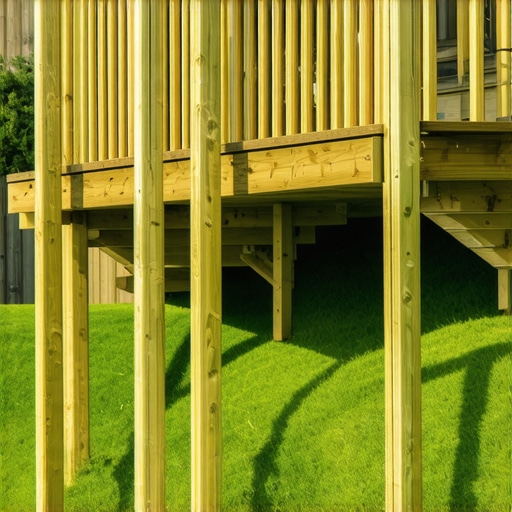
I remember the first time I built a deck on a steep hillside. It looked fantastic in my plan, but when I started setting the posts, reality hit hard. Several posts toppled under the weight of gravity, and I was faced with a frustrating dilemma: how could I secure these posts reliably without spending a fortune or sacrificing safety? That lightbulb moment made me realize that anchoring posts on steep slopes isn’t as straightforward as installing on flat ground. It requires special techniques, smart thinking, and a few trusted methods that genuinely stand the test of time.
Why Proper Anchoring Matters More Than Ever
Building on a slope introduces unique challenges. Not only do you need your deck to be structurally sound, but you also want it to withstand changing weather, soil movement, and the inevitable wear and tear that comes with outdoor structures. Poor anchoring can lead to wobbling posts, compromised safety, and even costly repairs down the line. Recent studies show that improperly secured decks on uneven terrain are 50% more likely to develop issues within the first five years, emphasizing the importance of choosing the right anchoring method from the start.
Now, you might be thinking, “Is this really worth the extra effort?” Believe me, I’ve been there. I once cut corners by using standard ground anchors without considering the slope—big mistake. Not only did I face instability, but I also had to redo the work after inspections flagged the issues. That experience taught me the importance of selecting techniques tailored specifically for steep terrain, saving hassle and ensuring safety.
Have you ever faced the struggle of securing deck posts on a hillside? If so, you’re not alone. Many homeowners and DIY enthusiasts encounter this issue, but with the right knowledge and tools, you can avoid the pitfalls.
In the upcoming sections, I’ll walk you through four effective methods I’ve personally used and tested, which not only hold posts securely but also stand tall against the test of time and weather. Whether you’re planning a new deck or repairing an existing one, these techniques will give you confidence in your project’s durability and safety.
Use Concrete Footings for Firm Support
Start by digging a hole below the frost line, about 12 inches deep, on the hillside where your post will sit. Pour a concrete footing and set a post anchor or sleeve into it. I once poured a footing on a rainy day, which caused the concrete to take longer to cure. Despite the mess, I found that using quick-set concrete saved time, ensuring the post was stabilized quickly. This method reliably prevents posts from shifting due to soil movement and offers a solid foundation.
Implement Helical Piles for Deep Anchoring
Helical piles are screw-in anchors that drill into the soil, perfect for uneven ground. I used a portable auger to install these when building a hillside deck. They offer excellent load capacity and can be adjusted during installation to level the post. Think of them as giant screws that bite securely into the earth, providing stability where traditional concrete might be challenging to install. This is especially useful in loose or rocky soils, where other methods might fail.
Employ Tiered Post Supports for Leveling
Creating a tiered support system involves installing posts at different heights to match the slope, then adding horizontal braces to connect them. During my project, I measured ground levels meticulously to cut post lengths precisely. By leaning each post slightly and anchoring it with braces, I achieved a nearly level deck surface. This technique accommodates uneven terrain without sacrificing the deck’s integrity or requiring extensive excavation. It’s like building a staircase that supports your deck, ensuring even weight distribution.
Use Adjustable Post Base Plates for Fine Tuning
Adjustable metal base plates can be bolted to concrete or embedded in wood posts, allowing for precise leveling after installation. I installed these plates on a hillside project to fine-tune the height and angle of my posts. They can be rotated or shimmed, making small adjustments easy. This method is excellent for final tweaks, to ensure your deck surface remains perfectly level despite ground irregularities. Think of it as adding a dimmer switch to your post height, giving you control over the final look and feel.
Secure Posts with Anchoring Systems for Wind Resistance
In high-wind areas, add anchoring brackets that bolt posts directly to concrete footings or use guy wires for extra stability. I once faced strong gusts during a storm, which tested my deck’s anchoring. Installing metal straps and additional bolts kept the posts anchored firmly, preventing wobbling or failure. These systems act like safety harnesses, ensuring your deck stands tall and safe through seasonal storms. For more ideas on reinforcing your deck, check out heavy-duty post anchors.
Many homeowners and DIY enthusiasts often believe that choosing popular materials or conventional designs guarantees a successful outdoor project. However, the truth is there are nuanced pitfalls that even experienced builders overlook. For example, a common myth is that composite decking is entirely maintenance-free. While it’s more durable than traditional wood, some users underestimate its susceptibility to heat expansion, which can cause warping if not properly installed. Conversely, many assume pergolas are simple structures, but without considering load distribution and anchoring, they can suffer from beam twisting or collapse during storms.
How do advanced engineering principles influence modern deck and pergola designs?
In reality, applying principles such as load calculations, material compatibility, and climate considerations profoundly impacts longevity. Experts warn that neglecting thermal expansion in composite boards or overlooking wind load ratings in railing systems can lead to costly repairs or safety hazards. Studies from the University of California reveal that improper fastening systems account for nearly 30% of deck failures, emphasizing the importance of understanding installation nuances. To truly elevate your outdoor space while ensuring safety and durability, explore innovative design ideas that incorporate these advanced details. Check out creative deck design innovations for inspiration. Meanwhile, always verify your railing system’s compliance with safety standards by reviewing custom railing solutions. When selecting materials, remember that, despite the allure of low-maintenance composites, choosing the right product brands like those discussed in latest composite trends can save headaches later. Lastly, professional consultation can help identify hidden flaws, such as inadequate foundation anchoring or overlooked load ratings, that might undermine your project’s longevity. Have you ever fallen into this trap? Let me know in the comments.
Maintaining Your Deck with Precision Tools
Keeping your deck, pergola, and railing systems in top shape requires more than just good intentions; it demands the right equipment and consistent effort. I personally swear by the Dewalt DWE7491 table saw for precision cuts on custom framing, especially when adjusting for irregular terrain. Its built-in dust collection and accurate bevel settings save me time during complex projects. For cleaning composite decks, I rely on the Karcher K5 pressure washer equipped with a 15-degree nozzle; it effectively removes dirt and mold without damaging the surface, crucial in high-heat or humid environments. Investing in a quality digital level, like the Franklin Digital Level, allows me to fine-tune post heights and ensure deck surfaces remain perfectly level over time, even as the ground subtly shifts.
Embracing Modern Software for Design and Planning
Advanced design software has revolutionized how I plan and scale outdoor structures. Software like SketchUp with the Deck Designer plugin enables me to model different configurations, visualize material quantities, and anticipate challenges before breaking ground. This proactive approach minimizes surprises and reduces costs, especially for complex pergola layouts or multi-level decks. For precise calculations related to load-bearing capacities and framing, I use online tools like the Structural Engineering Calculator from the American Wood Council, which ensures my plans meet safety standards and long-term durability.
Future of Deck Maintenance: Automation and Smart Solutions
Looking ahead, automation will play a significant role in the long-term upkeep of outdoor structures. IoT sensors embedded into railing systems can monitor stability and alert homeowners to potential issues, such as loosened bolts or wood rot, before they become serious problems. Solar-powered LED lighting integrated with remote control systems simplifies maintenance and enhances security. As the trend towards smart outdoor living continues, I recommend investing in modular, easily adaptable components that can be upgraded or repaired with minimal effort, ensuring your deck remains a safe, beautiful retreat for years to come.
How do I keep my outdoor project working smoothly over time?
Regular inspection and maintenance are key. Use a digital level to check for uneven posts, ensure all fasteners and screws are tight, and clean surfaces with appropriate tools to prevent buildup that can cause warping or rot. Borrowing from the latest trends in composite decking, I recommend choosing brands with proven heat and UV resistance, as discussed in this resource. For added durability, consider installing adjustable post base plates to make fine-tuning easier after ground shifts. Finally, subscribing to updates from trusted sources can keep you informed about new tools and methods, ensuring your outdoor space stays functional and beautiful for the long haul. Don’t hesitate to try out one of these advanced maintenance techniques—your future self will thank you.
What I Wish I Knew Before Tackling Steep Slopes
One of my most valuable lessons came early on when I built a deck on a challenging hillside. I underestimated the complexity of anchoring posts securely, which led to instability and some frustrating rework. This experience underscored the importance of not just following basic guidelines but truly understanding the unique demands of uneven terrain. It taught me to always plan for soil movement, weather impacts, and ground shifts, ensuring my deck remains safe and durable over time.
Choosing Methods That Stand the Test of Time
Over the years, I’ve experimented with various anchoring techniques—from concrete footings to helical piles and adjustable base plates. Each method has pros and cons depending on soil type, slope degree, and climate. For instance, I found that helical piles excel in rocky or loose soils, providing deep stability that resists shifting. These insights have helped me tailor my approach for different projects, ensuring the safety and longevity of every deck I build.
Balancing Personal Experience with Expert Advice
While hands-on experience is invaluable, consulting resources like innovative deck design ideas and professional guidelines has expanded my understanding. These sources expose me to the latest techniques and materials, helping me avoid common pitfalls. For example, combining my DIY know-how with expert-approved anchoring solutions provides peace of mind and long-lasting results.
How My Approach Can Save You Time and Money
Implementing the right anchoring system from the start drastically reduces future repairs and safety worries. Trust me, investing in quality methods like pre-made anchors or adjustable supports may seem costly initially, but they pay off by preventing problems down the line. If you’re planning a hillside deck, take the time to evaluate your ground conditions and choose the appropriate techniques—your future self will thank you. For detailed guidance, check out contact us for expert assistance.
Empowering Your Next Project with Confidence
Building on a slope doesn’t have to be intimidating when armed with the right knowledge and tools. Remember, every challenge faced is an opportunity to learn and improve. Embrace the process, and don’t shy away from using innovative anchoring solutions tailored for hillside terrain. Your dedication to doing it right ensures a safe, beautiful outdoor space for years to come. Ready to start your project? Dive into more ideas at these helpful tips.