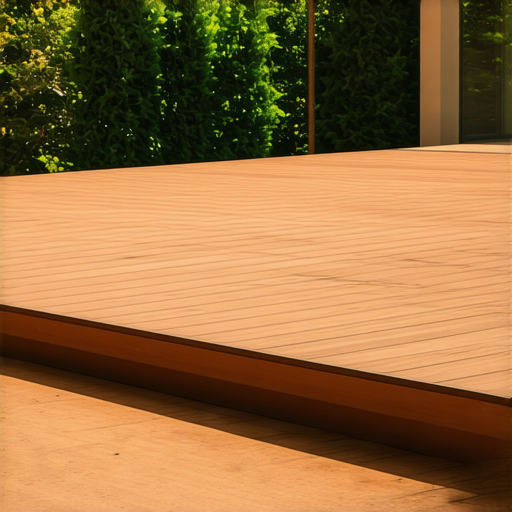
I remember the first time I built my own deck, excited to create an inviting outdoor space. But as the project progressed, I hit a frustrating snag—those unsightly holes on the edges of my composite decking, left exposed after installing the boards. They looked terrible and made the whole area appear unfinished, undermining all my effort. It was a lightbulb moment: visual imperfections like these can really detract from what should be a smooth, polished look.
Why You Can’t Ignore Those Ugly Core Holes
Once I noticed the holes, I realized they could become more than just an eyesore—they might also trap dirt or moisture if not properly concealed, leading to potential damage over time. Facing this dilemma, I researched and experimented with various fixes, learning that there’s more than one way to cover up those pesky spots efficiently and attractively. If you’re like me, you’ve probably wondered whether hiding these holes is even worth the effort, or if it’s better to just live with them. The good news is, addressing this problem is entirely doable—and I’ll walk you through proven methods that work in real-life scenarios.
Is Concealing Core Holes Really Necessary or Just a Cosmetic Issue?
Early on, I made the mistake of thinking a quick paint job or a slapdash patch would suffice. However, I soon discovered that neglecting these imperfections can lead to bigger issues, like moisture infiltration and compromised deck integrity, especially in climates prone to rain and humidity. According to recent studies, proper maintenance and concealment can extend the lifespan of composite decking by years. So, yes, hiding those ugly core holes isn’t just about aesthetics—it’s about protecting your investment.
Now, let’s explore some of the most effective and creative ways to hide and embellish these areas, transforming a minor flaw into a seamless feature of your outdoor space. Whether you prefer quick fixes or more decorative solutions, I’ve got you covered with techniques that I’ve tested and trusted over the years. Ready to elevate your deck’s appearance? Keep reading to discover practical, affordable, and stylish fixes that will make your backyard project look professionally finished without breaking the bank.
Prepare Your Tools and Materials
Before starting, gather silicone caulk, paint, wood plugs matching your deck color, or decorative trim pieces. I once used matching wood plugs to cover holes, which took time but looked seamless. Ensure your tools are clean and ready for a smooth application.
Assess the Size and Location of Holes
Identify all exposed core holes on your deck edges. Use a measuring tape or ruler to determine their diameters, so you can choose the right covering. For larger gaps, consider using wood plugs; for smaller ones, caulk or filler works better. I remember tackling a particularly stubborn hole in a corner, which required a custom-cut trim piece for the best fit.
Choose the Right Concealment Method
Using Wood Plugs
Match the plug to your decking color for a professional look. Drill slightly undersized holes if needed, then tap in the plugs gently. Seal around the edges with outdoor-grade sealant. This approach is like fitting puzzle pieces; precision matters for a clean finish.
Applying Caulk or Sealant
For smaller holes, apply a bead of high-quality exterior silicone caulk into the holes. Smooth the surface with a caulk-smoothing tool or your finger dipped in water. This method is quick but effective for minor imperfections, as I experienced when sealing tiny gaps in my deck perimeter.
Adding Decorative Trims or Caps
Secure pre-made trim strips over larger exposed areas with outdoor adhesive or screws. Ensure they are flush with the deck surface. It’s similar to installing moldings; careful measurement and leveling are key. I used this method near steps, creating a finished look that also prevented dirt accumulation.
Execution: Applying the Chosen Solution
Follow the specific steps for your selected method. For example, when installing wood plugs, gently tap them in and sand any excess for a flush finish. When sealing with caulk, work in small sections to avoid streaks. I once overfilled a gap with caulk, which required extra smoothing and clean-up, but the end result was solid and neat.
Finishing Touches that Elevate Appearance
Once the covering material has cured, lightly sand any uneven areas to match the deck surface. Consider applying a matching stain or paint if needed. For decorative trims, ensure screw heads are countersunk and covered with matching filler. These small details make a big difference, turning a simple fix into a polished highlight.
Prevent Future Exposure and Maintain Your Fix
After concealing, regularly inspect the area for wear or damage. Clean the surface with gentle cleaners compatible with composite decks to prevent dirt buildup that can highlight imperfections. Proper maintenance preserves your deck’s aesthetics over time. For ongoing ideas on deck upkeep and improvements, explore [custom railing systems](https://deckforgebuilders.com/transform-your-outdoor-space-custom-railing-systems-for-safety-and-style) and stay ahead of wear and tear.
Many homeowners and even some designers fall prey to oversimplified notions about deck design, pergolas, and composite decking that can lead to costly mistakes. For instance, a prevalent myth is that selecting the most affordable materials guarantees savings and durability. In reality, opting for cheaper options often results in higher maintenance costs and reduced lifespan, undermining your investment over time. For example, some believe all composite decking brands perform equally, but recent [trends](https://deckforgebuilders.com/composite-decking-trends-durable-solutions-for-modern-outdoor-living) reveal that specific brands outperform others in heat resistance and wear, making thorough research essential.
A hidden nuance often overlooked is the significance of proper framing and support structures. Many assume that the decking material alone dictates the durability and safety of your outdoor space, yet studies indicate that [structural integrity](https://deckforgebuilders.com/why-your-2026-deck-stairs-may-need-this-hidden-support) is equally crucial. Neglecting this aspect can result in sagging, wobbling, or even collapse under heavy loads or during storms. An advanced mistake is underestimating the impact of environmental factors such as wind and sun exposure, which can warp or fade surfaces if not adequately planned for. For example, choosing a railing system without considering local wind patterns may compromise safety—and in such situations, high-quality [railing solutions](https://deckforgebuilders.com/transform-your-outdoor-space-custom-railing-systems-for-safety-and-style) become an absolute necessity.
Many believe that aesthetic choices are purely superficial, but integrating them thoughtfully enhances both safety and longevity. For instance, decorative trims and customized lighting not only elevate visual appeal but also cover potential weak points, adding an extra layer of durability. When designing pergolas, some underestimate the importance of [drainage](https://deckforgebuilders.com/pergola-designs-that-turn-your-garden-into-a-sanctuary), which can prevent wood rot and structural weakness over time. Poor drainage may seem minor but leads to hidden damage that jeopardizes the entire structure.
From my experience, the biggest pitfalls often stem from neglecting these nuances—such as assuming all fasteners are equal or ignoring local code requirements. An underrated factor is how climate-specific solutions, like heat-resistant [composite decking](https://deckforgebuilders.com/3-new-composite-decking-brands-built-for-2026-heatwaves), can dramatically improve your deck’s performance in the long run. Falling into the trap of one-size-fits-all thinking can be costly.
Make sure your project considers these intricacies to avoid future headaches and ensure the safety, durability, and beauty of your outdoor spaces. For more advanced insights and updates, stay informed with resources like [custom railing systems](https://deckforgebuilders.com/transform-your-outdoor-space-custom-railing-systems-for-safety-and-style). Have you ever fallen into this trap? Let me know in the comments.
Building and maintaining a durable, beautiful deck requires the right tools and consistent care. Over the years, I’ve refined my toolkit to include specialized equipment that streamlines tasks and ensures long-term results. One indispensable item is a high-quality cordless impact driver, such as the Makita XDT131. Its power and compact design make it effortless to drive fasteners and secure railing systems, especially when working in tight corners or overhead positions. Unlike traditional drills, impact drivers deliver relentless torque without stripping screws, which is crucial for maintaining structural integrity over time.
Alongside power tools, I always keep a digital moisture meter handy. Moisture levels in framing lumber can significantly influence the longevity of your deck. Using a device like the
For detailed planning and documentation, I rely on deck design software like Deck Engineer. It allows me to visualize layouts, plan support beams, and simulate environmental factors such as wind load and sun exposure. Integrating digital tools saves time, minimizes mistakes, and informs decisions about scaling or upgrading your structure, like adding pergolas or decorative railing systems.
How do I keep my deck functioning well over time?
Consistent maintenance is key to longevity. I recommend scheduling seasonal inspections that focus on fastener tightness, structural integrity, and surface wear. Applying a high-quality, UV-resistant sealant such as Sikaflex-2C every two years guards against moisture penetration and UV damage, especially in areas exposed to sun and rain. Additionally, preventative checks on joist tapes and flashing can prevent issues like rot or mold, saving you repair costs down the road. For instance, recent studies emphasize the significance of protective barrier tapes that prevent water infiltration at critical joints.
Furthermore, investing in quality railing systems like custom railing options not only enhances safety but also simplifies future inspections. Using adjustable mounting brackets enables easy tightening if post wobble develops over years, maintaining both appearance and security without costly replacements.
Predicting where this trend is headed
As technology advances, I foresee a shift towards smart maintenance tools. Integrating sensors into deck components—such as pressure sensors on joists or moisture detectors—could alert homeowners via smartphone before minor issues escalate. Additionally, automated cleaning systems for composite decks, coupled with UV and mold-resistant coatings, will likely become standard practice, extending the lifespan of outdoor structures significantly.
Consider trying an advanced maintenance tip
One technique I’ve found particularly effective is using infrared thermography to identify hidden moisture and heat anomalies beneath decking surfaces—detecting potential rot before visible signs appear. Renting or investing in an IR camera can reveal trouble spots that traditional inspections might miss, enabling targeted repairs and saving money long-term. Embracing such innovative tools can revolutionize your deck care routine and ensure your outdoor space remains safe and stunning for years to come.
Over the years, I’ve realized that the true mastery of deck design and maintenance lies in uncovering those hidden lessons that most overlook. One of the most profound insights I gained was how easily small details—like concealed holes or support stability—can make or break the longevity and aesthetic of your outdoor space.
What the Pros Won’t Tell You About Deck Outerwear
- Small gaps can hide big problems: I once ignored tiny exposed holes, thinking they were purely cosmetic. Later, I discovered moisture infiltration leading to hidden rot, a costly mistake I won’t repeat.
- Structural supports are silent heroes: Strong framing and support structures saved my deck during unexpected storms, preventing wobbles and potential collapses.
- Materials matter more than you think: Choosing the right composite decking or railing systems, like those discussed on this page, can dramatically affect performance in heat or weather extremes.
- Details elevate overall safety: Proper fasteners, supports, and drainage fixes that I overlooked initially now serve as the backbone of my deck’s durability.
- Maintenance is ongoing, not optional: Regular inspections, using tools like moisture meters or infrared thermography, can preemptively address issues before they escalate, saving both time and money.
My Arsenal for Deck Mastery
From tools to literature, my toolkit has evolved to include items and resources that consistently deliver results. For instance, contacting experts for custom support and staying updated with trend insights ensures I stay ahead. Key tools like impact drivers, moisture meters, and deck design software have revolutionized how I approach repairs and upgrades, making them more precise and less stressful.
Seize the Moment and Transform Your Space
Your backyard has the potential to become a true sanctuary, but it starts with understanding the nuances that elevate simple structures into lasting masterpieces. Focus on the little things—hidden holes, support stability, material choices—and you’ll be amazed at how much longer your deck remains safe, beautiful, and inviting.
Now it’s your turn to take action. What part of your deck or outdoor space have you been neglecting or unsure about? Share your stories below, and let’s grow our outdoor mastery together!