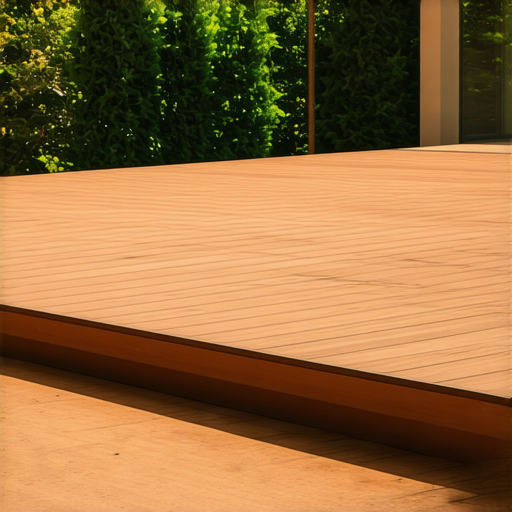

I’ll bet you’ve been there—standing on your deck, looking around at your outdoor space, and suddenly realizing that those bulky, under-deck storage units from 2026 are more eyesore than practical storage. It was a frustrating moment for me, too. I remember thinking, “Is this permanent? Can I live with this ugly patch beneath my beautiful deck?” The answer, thankfully, is no. Over time, I discovered some clever layout fixes that completely hide those unsightly units, transforming my deck into a clean, inviting retreat. And today, I want to share those solutions with you, so you won’t have to endure the same eye-roll-inducing sight every time you’re out there.
Why Hiding Under-Deck Storage Matters More Than Ever
Breaking up the visual chaos beneath your deck isn’t just about aesthetics. It’s about safety, maintenance, and even increasing your property’s value. According to a recent study by real estate experts, curb appeal can boost home value by up to 7%, and a cluttered, unattractive under-deck area can detract from that charm. Plus, those storage units from 2026 often come with their own set of issues—drafts, pests, and water intrusion—that make hiding them even more desirable. Have you faced the struggle of trying to incorporate your storage without sacrificing style? If so, you’re not alone. Early on, I made the mistake of simply shoving items underneath and leaving the units exposed. That was a quick ticket to a cluttered, neglected look. It’s a common mistake I see people make—letting functionality override visual cohesion. But with a few layout tweaks, your deck can look sleek, organized, and inviting, instead of cluttered and rundown. Let’s dive into the practical fixes that will help you achieve just that, so your outdoor space can truly shine like the beautiful oasis it’s meant to be.
Build Concealed Storage Compartments
Start by framing custom enclosures using weather-resistant materials like composite panels or treated wood. Measure the dimensions of your existing units precisely to ensure a snug fit. Use galvanized steel brackets to secure the framing, preventing wobble during high winds. I once used scrap cedar to build a false wall behind my existing storage, leaving a small door for access — it was messy at first, but the clean look paid off.
Create a Decorative Skirt or Lattice
Attach a lattice or skirting material around the perimeter of your deck that extends down to hide the storage below. Select materials such as PVC lattice for durability and low maintenance. Paint or stain it to match your deck’s color scheme for visual cohesion. During my project, I painted the lattice in a neutral tone, which seamlessly integrated with my decking. This approach also allows ventilation, which is critical for preventing moisture buildup.
Integrate the Storage with Your Deck Design
Design built-in benches or planter boxes that incorporate storage inside. Opt for benches with hinged lids or removable panels, offering easy access. Use composite decking for the lids to ensure resistance to warping and moisture. I used a combination of steel hinges and weatherproof screws to secure the lids, making the opening smooth and reliable. This method enhances functionality without sacrificing style.
Use Permitting and Planning to Your Advantage
Ensure your concealment strategies comply with local building codes. Proper planning can save time and prevent costly rework. Consider layout optimizations like minimizing material waste by using modular components. For my project, I scheduled a quick consultation with local authorities, which clarified permit requirements. Thoughtful planning allowed me to implement multiple concealment techniques while avoiding delays.
Apply Finishing Touches for Cohesion
Finish your concealed storage areas with matching paint, stain, or sealant to blend seamlessly with your deck. Add decorative hardware or trim accents to elevate the look. During my last update, I applied a weatherproof stain to my skirting, which paired well with the deck’s overall color palette. Small details like this make a significant difference in achieving a polished appearance.
Many homeowners believe that selecting a pergola or railing system is a straightforward decision, but in my experience, this area is fraught with misconceptions that can compromise both safety and aesthetics. For instance, the myth that all materials are equally durable is widespread, yet the truth is that some options like aluminum or composite offer far superior longevity and resistance to weathering; for more insight, explore [composite decking trends](https://deckforgebuilders.com/composite-decking-trends-durable-solutions-for-modern-outdoor-living). Another common misunderstanding involves railing height requirements, which many assume are a one-size-fits-all — in reality, local building codes and safety standards, such as those outlined in [railing safety checks](https://deckforgebuilders.com/3-hidden-signs-your-railing-system-needs-a-2026-safety-check), dictate specific dimensions to prevent accidents. Overlooking these nuances can lead to costly rework or safety hazards. An advanced mistake many overlook is underestimating the importance of structural reinforcement, especially with modern deck designs that incorporate heavier materials or glass panelings; neglecting proper anchoring can result in catastrophic failures during high winds or storms. This is where understanding the latest hardware, like [steel brackets that stop pergola sway](https://deckforgebuilders.com/4-steel-brackets-that-stop-pergola-sway-in-2026-winds), becomes critical. Additionally, many assume that aesthetic choices can be made in isolation, neglecting how essential it is to harmonize the style of pergolas, railings, and decking to create a cohesive outdoor space. Advanced architectural insights suggest integrating these elements with design principles—like focal points and sightlines—that elevate curb appeal, as discussed in [innovative deck design ideas](https://deckforgebuilders.com/innovative-deck-design-ideas-that-elevate-your-homes-curb-appeal). Furthermore, there’s a prevalent trap of ignoring maintenance considerations—choosing materials based solely on initial costs while neglecting how weather, pet activity, and UV exposure affect durability. For example, some composites, though cheaper upfront, may warp or fade faster, leading to higher long-term costs. To avoid these pitfalls, stay informed about the latest trends and safety standards—an excellent resource is [transforming your outdoor space with custom railing systems](https://deckforgebuilders.com/transform-your-outdoor-space-custom-railing-systems-for-safety-and-style). Making informed decisions rooted in nuanced understanding ensures your deck and outdoor structures are both stunning and resilient. Have you ever fallen into this trap? Let me know in the comments.
Keeping It Working with the Right Tools
Maintaining your pergola, railing systems, and composite decking isn’t just about aesthetics; it ensures safety and longevity. Over the years, I’ve refined my toolkit to include specific equipment that makes upkeep efficient and effective. A high-quality cordless drill, for instance, is indispensable for tightening loose fasteners or replacing worn hardware. I personally prefer models with brushless motors like the Makita XDT16, which offer more power and longer battery life, ensuring minimal downtime during maintenance sessions.
For cleaning stubborn grime or mold, I rely on a pressure washer equipped with adjustable settings. A model like the Sun Joe SPX3000 allows me to switch between low-pressure rinse and high-pressure cleaning, preventing damage to composite surfaces while effectively removing debris. Remember, always use a fan tip nozzle to control spray distance and avoid splintering or gouging the material.
In addition, a digital moisture meter helps monitor wood and composite materials for hidden water intrusion, which is critical for preventing rot and maintaining structural integrity. I suggest the Wagner Meters MMC220; it’s quick to read and highly accurate, offering peace of mind after storms or heavy rainfall.
Tools like trim routers are useful for refreshing worn edges or installing decorative trims and skirting, especially when concealing storage or repair areas. A versatile router with variable speed control, such as the Bosch Colt, provides precision without damaging the surface.
Leveraging Software and Planning Strategies
Beyond physical tools, digital planning is revolutionizing deck maintenance. Software like SketchUp allows me to visualize repairs or modifications in 3D, ensuring that any new components harmonize with existing structures. For instance, planning a new railing layout or concealment feature becomes much easier with accurate digital models, minimizing material waste and costly mistakes.
Moreover, tracking maintenance schedules via apps like Trello or specialized project management software helps me stay ahead of issues such as hardware corrosion or wood rot. Regular checklists ensure that I replace sealants, tighten fasteners, and inspect structure parts before small problems escalate into expensive repairs.
How do I keep my outdoor structures thriving long-term?
Consistent maintenance hinges on understanding the specific needs of your materials. Composite decking, for example, requires less frequent sealing but still benefits from annual cleaning to prevent mold buildup. Using a dedicated cleaner like Star brite Mold & Mildew Remover makes this task straightforward, especially combined with a soft-bristle scrub brush. For metal components, applying anti-corrosion sprays like WD-40 Marine helps prevent rust formation, extending their life.
Implementing preventive measures, like installing weatherproof covers over hardware or applying protective sealants, enhances durability. Additionally, incorporating smart sensors to monitor moisture or structural shifts can alert you early to issues, especially in high-wind or high-humidity zones.
Scaling Your Outdoor Comfort
If you’re looking to expand or upgrade your deck and outdoor features, the future leans toward integrated, maintenance-friendly designs. Think modular railing systems that facilitate easy replacement or composite materials engineered for minimal upkeep. Stay informed about latest trends and innovations by consulting sources like deck design ideas and expert insights.
Ready to upgrade your maintenance approach? Try using a moisture meter combined with a smart planning app this season—you’ll be surprised how much easier keeping your outdoor space pristine becomes! Incorporate these tools and techniques to ensure your deck, pergola, and railing systems remain safe, stunning, and long-lasting for years to come.
The Hardest Lesson I Learned About Pergolas and Railings
Patience truly is a virtue when it comes to outdoor upgrades. Early in my project, I underestimated the importance of structural reinforcement, leading to wobbling pergola beams during storms. That experience taught me to prioritize robust hardware like steel brackets—learning the hard way that cutting corners can compromise safety.
I Thought All Deck Materials Were Created Equal—Until I Discovered Better Options
My misconception that any composite decking would withstand weathering resulted in warped boards after just one summer. Now, I trust brands that resist fading and warping, like the latest trends in durable composites. For insights, I recommend exploring these durable solutions.
Does Safety Really Mean Sacrificing Style?
Initially, I believed safety features like taller railing systems meant sacrificing aesthetic appeal. However, integrating design principles with safety standards, through elegant glass panels and matching hardware, created a sleek look that still protected my loved ones. Local codes, like those outlined in safety checks, are instrumental in this balance.
3 Secrets That Accelerated My Deck Projects
- Pre-planning is everything: Using software like SketchUp saved me time and material costs, ensuring gorgeous sightlines and functional layouts. See how this approach can transform your project here.
- Quality tools make a difference: From cordless drills to moisture meters, reliable equipment reduced errors and extended the lifespan of my outdoor structures.
- Know your materials: Regularly inspecting and cleaning my decking with specialized cleaners kept mold and fade at bay, reinforcing the importance of routine maintenance.