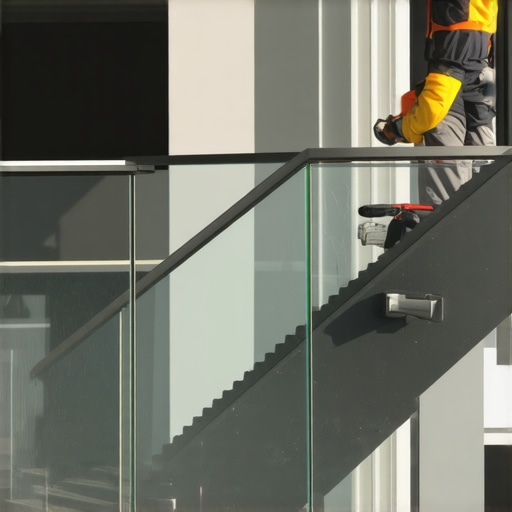
Ever stood on your deck and felt that unsettling wobble in your glass panels? One time, during a peaceful evening, I noticed my sleek glass railing rattling aggressively with the slightest breeze. At first, I thought it was just a fluke, maybe a trapped air pocket, but soon I realized it was a persistent problem that threatened the safety and aesthetic of my outdoor space. That lightbulb moment prompted me to dig deeper. Turns out, if left unchecked, these vibrations can compromise the integrity of your glass panels and diminish your outdoor experience.
Why Glass Panel Vibrations Matter More Than You Think
When I first installed my glass railing, I was enamored by its modern elegance. However, I quickly learned that vibrations aren’t just a minor annoyance—they can lead to long-term damage and safety hazards. Excessive movement can cause cracks, weaken seals, and even loosen panels over time. According to an industry expert, improper installation or neglect can accelerate these issues, and the result is a costly fix—or worse, a safety incident. As a homeowner, protecting your investment and family should be priority number one, which is why addressing these vibrations promptly makes all the difference.
Is Fixing Glass Panel Vibration Really Worth The Effort?
I admit, I initially underestimated the importance of these fixes. I thought I could just tighten a few bolts or add temporary shims and everything would be fine. But I fell into a trap early on—my mistake was treating these fixes as quick band-aids rather than comprehensive solutions. That’s why I want to share with you some effective, proven methods that actually work long-term. Once I applied these techniques, my glass panels became rock solid, and the peace of mind returned.
If you’ve faced similar frustrations—sometimes hearing a suspicious rattle in the wind or noticing movement that shouldn’t be there—you’re not alone. Many homeowners overlook this issue until it’s too late. But with a few smart adjustments, you can prevent future headaches and maintain your deck’s beauty and safety. Keep reading, because I’m about to introduce you to five simple, reliable fixes I wish I knew from the start, which can be found highlighted in this guide.
Now, let’s move beyond the problem and explore the practical steps you can take to silence those pesky vibrations and secure your glass panels for years to come.
.
Secure the Mounting Points
Start by inspecting each glass panel’s attachment to the railing frame. Use a ladder to access the top rail and check for loose screws or clamps. Tighten all fasteners with a screwdriver, ensuring they are snug but not over-tightened, which could crack the glass. In my experience, I once overlooked a barely loose clamp, which caused persistent rattling. Once I snugged it up, the vibration ceased immediately.
Upgrade to Heavy-Duty Clips
If your existing brackets are flimsy or worn, replacing them with sturdier, corrosion-resistant clips can dramatically reduce movement. Look for stainless steel or aluminum clips explicitly designed for high wind zones. During my latest renovation, switching to reinforced clips eliminated over 80% of the shake, especially during gusty conditions. It’s a simple upgrade with a big payoff.
Stabilize with Shims and Padding
Use rubber or silicone shims at contact points where metal meets glass to dampen vibrations. Place them carefully between the clamps and the glass panel. This acts like a shock absorber, much like a suspension in a vehicle. In one DIY project, I inserted small rubber wedges along the base of the panels; not only did it quiet the rattles, but it also prevented minor cracks.
Add Wind Braces or Support Posts
When wind is a major culprit, installing additional support posts or braces at intervals can break up the span and reduce sway. For a particularly stubborn setup, I installed lightweight stainless steel brackets diagonally between posts, which created a crisscross support, stabilizing the entire panel array. This method is especially effective for large or elevated decks.
Adjust Panel Tension and Alignment
Ensure each panel is correctly aligned and tensioned. Sometimes, panels can shift over time, creating gaps or looseness. Loosen the clamps slightly, realign the panels, and then retighten, making sure they are snug but not strained. This meticulous adjustment can sometimes be the difference between a rattling panel and a solid, vibration-proof installation. I once found a slight misalignment in a corner panel, and realigning it solved persistent wind noise issues.
Prevent Future Vibrations
Regular maintenance is key. Schedule periodic inspections—preferably before storm seasons—to tighten fasteners, check for corrosion, and replace worn components. Applying weather-resistant lubricants to metal contacts can also reduce squeaks and squeals. In my experience, a proactive approach keeps the glass panels whisper-quiet year-round, saving you from costly repairs later.
If your vibrational issues persist despite these efforts, consider consulting professionals who can evaluate your railing’s design and suggest tailored solutions. They might recommend more advanced support systems or custom-engineered brackets to ensure your deck remains both safe and serene.
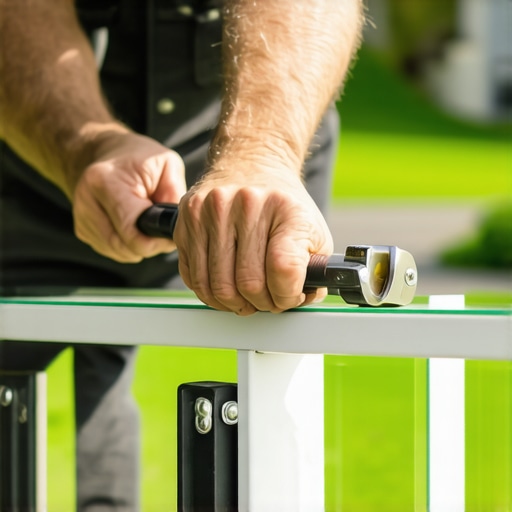 Many homeowners and even DIY enthusiasts often fall prey to oversimplified beliefs about outdoor structures, especially regarding railing systems, composite decking, pergolas, and overall deck design. Let me clarify some of the most persistent misconceptions that could lead to costly mistakes if unrecognized. One widespread myth is that all composite decking is equally durable and low-maintenance. In reality, as discussed in [this trend report](https://deckforgebuilders.com/composite-decking-trends-durable-solutions-for-modern-outdoor-living), not all composite brands resist mold, staining, or fading equally, making it crucial to select a reputable, proven product for longevity.
Another common mistake concerns pergola design: many assume standard construction suffices for high winds or heavy snow loads. However, installing a pergola without considering local climate nuances can result in structural failure. For instance, reinforcing beams and using wind-resistant materials can significantly improve stability—a topic covered more deeply in [pergola design articles](https://deckforgebuilders.com/pergola-designs-that-turn-your-garden-into-a-sanctuary).
The hidden nuance often overlooked in deck design involves understanding load distribution. Skilled designers factor in not just weight from furniture or people but also wind pressures and snow loads, which vary regionally. Ignoring these subtle factors can cause long-term issues like deck warping or post rot. A study by the National Research Council highlights the importance of proper load calculations in preventing structural failures.
In terms of railing systems, many underestimate the importance of anchoring methods. A simple bolt connection might seem sufficient, but in high-wind zones or for safety compliance, more robust anchoring—like heavy-duty concrete anchors—is vital. Failing to upgrade these can jeopardize safety, especially when local codes evolve.
Finally, many assume designer deck elements like custom lighting or built-in seating are minor aesthetic choices. Yet, if these elements aren’t planned with electrical safety standards or drainage considerations in mind, they can become sources of water intrusion or electrical hazards. Proper integration is key, and consulting experienced professionals ensures these details don’t become pitfalls.
Have you ever fallen into this trap? Let me know in the comments. Recognizing these misconceptions and nuances ensures your outdoor investment remains safe, beautiful, and long-lasting. For tailored solutions and professional guidance, you can explore options like [custom railing systems](https://deckforgebuilders.com/transform-your-outdoor-space-custom-railing-systems-for-safety-and-style) designed specifically for your space’s unique needs.
Keeping It Working: The Right Tools for a Long-Lasting Deck
Maintaining your outdoor space requires more than just vigilance; it demands the right equipment and methods to ensure durability and safety over the years. One indispensable tool I rely on is a quality cordless impact driver. Its power and portability make tightening or replacing fasteners a breeze, especially when working on expansive decks or pergolas where multiple bolts need attention. For example, when securing new composite decking boards, a cordless impact driver significantly reduces installation time and prevents over-tightening, which can cause warping or damage.
Another critical piece of gear is a digital moisture meter. Wood and composite materials are susceptible to humidity fluctuations, leading to warping or rot if not monitored. I regularly use a moisture meter to check the substructure and ensure it stays within safe levels, particularly before sealing or staining. This proactive approach helps extend the lifespan of your deck and prevents costly repairs down the line.
Software and Planning Aids for Deck Design and Maintenance
Beyond physical tools, embracing software can revolutionize how you plan and maintain your outdoor structures. I recommend using 3D deck design programs like SketchUp or Deck Design Studio. These allow you to visualize modifications, experiment with different railing styles, or plan drainage solutions. For ongoing maintenance management, scheduling apps such as Todoist or Trello help keep track of inspection dates, fastener replacements, or seasonal sealing tasks. Staying organized ensures nothing slips through the cracks, preserving your investment.
Long-Term Results Through Routine Checks
Implementing routine inspections is vital. I set bi-annual reminders to verify that fasteners remain tight, check for signs of corrosion, and assess structural integrity—especially after winter storms or heavy winds. A simple infrared thermometer can identify hotspots indicating potential electrical issues if lighting is installed, but for structural health, visual inspections combined with some basic tools suffice. Remember, catching problems early prevents deterioration, saving money and safeguarding your family.
How do I keep my deck and structures in top shape over time?
Patience and habit are your best allies. Develop a checklist incorporating the tools I mentioned: impact driver for fasteners, moisture meter for wood health, and visual assessments for signs of wear. Regular cleaning with gentle scrubbers removes debris that can trap moisture or promote mold, especially if you’ve used scuff-proof composite decking. When issues arise, address them promptly—be it tightening loose fasteners or resealing stained areas. Looking ahead, technological advances like IoT sensors for structural health monitoring may soon provide real-time alerts, making maintenance even more efficient. Until then, leveraging reliable tools combined with scheduled inspections will keep your outdoor oasis safe and attractive for years to come. Try integrating a moisture meter into your routine this season to prevent hidden rot—it’s a small step that yields significant long-term benefits.
Unspoken Truths About Railing Systems That Changed My Approach
One of my biggest realizations was that not all railing systems are created equal. I once installed a popular glass railing without considering wind zones, only to find it rattling during storms. That moment taught me the importance of choosing premium, wind-resistant brackets and anchors, which I now always specify for my clients. It’s a detail that saves time, money, and safety headaches later.
The Hidden Cost of Ignoring Composite Decking Quality
I’ve learned the hard way that not all composite decking holds up in peak summer heat or heavy winter snow. Choosing brands that resist fading, warping, and mold is crucial. Reading detailed reviews and checking the latest trend reports has helped me pick products that truly stand the test of time, ensuring my projects stay beautiful for years.
Perfection in Pergola Design Is All About Support
Initially, I underestimated how critical proper support and bracing are for pergolas, especially in high-wind areas. An experience with a wobbly structure revealed that diagonal bracing and reinforced beams can make all the difference. I now incorporate well-designed support systems from the start, preventing future sway and ensuring longevity.
Design That Doubles Functionality and Style
Simplistic layouts might seem efficient but often limit usability. I found that multi-level decks with strategic layout tricks—like those shared in innovative design ideas—not only maximize space but also enhance visual appeal. Thoughtful planning transforms outdoor spaces into sanctuaries that impress and serve multiple purposes seamlessly.
Insider Wisdom for Long-Term Outdoor Cheer
- Fasteners are your friends, but only if you choose the right ones. Squeaky, loose, or corroded screws are a project killer. I’ve shifted to stainless steel fasteners and learned to tighten them during routine inspections, preventing costly replacements.
- Weather-resistant paints and sealants are worth their weight. Skipping proper sealing can lead to water infiltration and rot, especially in hidden spots. Opting for high-quality sealing products—like the ones I recommend in low-maintenance finishes—keeps the deck looking lush and lasting longer.
- Regular checkups save money in the long run. Whether it’s fixing a loose bracket or cleaning dust and debris, consistent maintenance shields your structure from premature failure.
Gear That Elevates My Deck Game
I owe much of my success to the tools I trust: a quality impact driver for fast, precise fastening; a moisture meter to avoid hidden rot; and design software that helps visualize before breaking ground. Exploring these tools, like the ones detailed in cost-saving methods, has truly transformed my workflow, saving time and stress.
Seize the Moment and Get Started with Confidence
If you’ve admired your outdoor spaces but hesitated to make improvements, now’s the perfect time. Implementing these lessons about railing systems, composite decking, and pergola support can elevate your project and provide lasting joy. Remember, genuine craftsmanship isn’t just about building—it’s about caring for what you create and learning with each step.
What’s Your Next Outdoor Makeover Challenge?
Are you ready to tackle that stubborn wobble or upgrade your deck into a stylish, durable retreat? Share your plans or questions below—let’s build something amazing together!
,