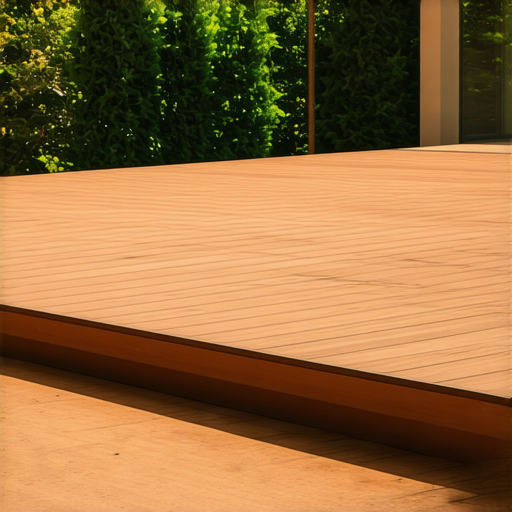

It was a warm Saturday afternoon when I finally stepped onto my newly installed composite decking. Excited to enjoy my weekend outdoors, I immediately noticed a nasty scratch across one of the boards—an eyesore that seemed to ruin all the effort I’d put into creating my perfect backyard oasis. Frustration set in, and I wondered whether I’d need to replace entire sections or invest hours into sanding and refinishing.
If you’ve ever faced a similar dilemma—discovering scratches on your composite deck that threaten to spoil your outdoor space—you know exactly how disheartening it can be. Fortunately, through my own trial and error, I’ve learned that there are effective ways to address these blemishes without the mess and effort of sanding. Today, I want to share reliable tips and tricks to help you restore your deck’s beauty quickly and easily.
Say Goodbye to Scratches: My Proven Methods
First, let’s get real about why scratches happen and what really works to fix them. Unlike traditional wood decks, composite decking is designed to resist stains and scratches, but it’s not invincible. The good news is that many superficial scratches can be repaired or minimized with simple products and techniques—without the need for professional refinishing or replacing entire planks.
Early in my decking journey, I made the mistake of assuming that every scratch was permanent or meant costly repairs. That’s a common misconception. With the right approach, you can often polish out minor imperfections or use specific touch-up products. This saves time, money, and preserves your deck’s smooth, attractive appearance.
But before diving into solutions, it’s essential to understand what doesn’t work. I once tried scrubbing a scratch vigorously with harsh cleaners, thinking it would buff out the mark, only to worsen the damage. That taught me to seek proven, gentle fixes backed by experience—and, of course, a bit of patience.
Now, are you ready to learn how to refresh your deck’s surface and keep it looking pristine? Let’s explore some effective methods that I’ve tested and trusted.
Is Repairing Scratches on Composite Decking Worth the Effort
One common skepticism I hear is whether these quick fixes are truly effective or merely temporary cover-ups. When I first started, I worried about making things worse or wasting time on methods that wouldn’t last. My mistake early on was neglecting to research proper solutions, which led me to ineffective products and frustration.
According to recent industry insights, a careful approach using appropriate repair kits and techniques can preserve the longevity and aesthetics of your deck—often extending its life well beyond initial expectations. It’s crucial to select the right products and follow instructions carefully, avoiding abrasive tools or harsh chemicals.
If you’ve faced a scratched composite deck and felt unsure whether to tackle it yourself or call in professionals, rest assured that with a bit of guidance, you can achieve excellent results without extensive work. Ready to see what solutions work best? Let’s get into the details of fixing those scratches effortlessly.
Prepare Your Workspace and Gather Tools
Start by clearing your deck of furniture, planters, and loose debris to access scratched areas fully. Wear gloves to protect your hands and gather essential supplies: a soft cloth, mild soap, a non-abrasive sponge, a cleaning brush, touch-up markers or repair kits designed for composite decking, and a microfiber cloth for buffing. I once spent my Saturday cleaning and prepping my deck, which made the repair process smoother and prevented further damage.
Clean the Surface Thoroughly
Before addressing scratches, eliminate dirt, grime, and any loose particles. Mix a few drops of mild soap in warm water and use a soft cloth or sponge to gently scrub the area. Rinse with clean water and dry completely with a microfiber cloth. This step ensures that repair products adhere properly and that no debris causes uneven fixes. I recall carefully cleaning a stubborn stain, only to realize residual dirt hindered my touch-up efforts, emphasizing the importance of meticulous cleaning.
Assess the Depth and Extent of Damage
Gently runs your fingernail over the scratch; if it catches, the damage is likely deeper. For superficial scratches, a touch-up marker or composite filler might suffice. For deeper grooves, consider using a repair kit that includes color-matched epoxy or putty. In my experience, identifying scratch severity prevented over- or under-treatment, saving time and ensuring a more seamless repair.
Apply Touch-Up Products Effectively
Choose a touch-up marker or filler that matches your deck’s color. Use the applicator to carefully fill in or cover the scratch, applying thin layers instead of one thick coat. For best results, work in good lighting and follow the manufacturer’s instructions precisely. I once accidentally over-applied a filler, which led to a messy finish, but sanding lightly after curing corrected the problem. These tools work best for minor blemishes and restore uniformity.
Use a Plastic Spreader for Precise Application
If your repair kit includes a spatula or spreader, gently smooth out the filler or epoxy to match the surface level. This prevents uneven patches that could stand out later. Remember, patience during this step pays off—allow sufficient curing time before moving on. I learned the hard way that rushing curing times resulted in smudged repairs, so I now always adhere to recommended wait periods.
Buff and Finish the Repaired Area
Once the filler or marker has cured, lightly buff the area with a microfiber cloth to blend it with the surrounding surface. If needed, use fine-grit sandpaper (around 600 grit) to smooth out any excess and achieve a seamless look. Carefully avoid sanding too aggressively, which can damage the composite surface. In a past repair, gentle buffing restored the original sheen and avoided visible repair lines.
Protect and Maintain Your Deck
After fixing scratches, consider applying a UV protectant or sealant to guard against future damage. Regular cleaning and inspections help catch damages early, making repairs easier. I’ve found that maintaining my deck with proper cleaning solutions and occasional touch-ups prolongs its beauty and lifespan. For more insights on keeping your deck in prime condition, explore UV shielding solutions.
Many homeowners assume that selecting high-quality composite decking or a stylish pergola automatically guarantees a maintenance-free outdoor space. However, this belief overlooks critical nuances that can impact longevity and aesthetic appeal. For instance, a widespread myth is that composite materials are completely resistant to scratches and stains—while they are highly durable, superficial damage can still occur if not properly cared for. Relying solely on surface-level cleaning or neglecting regular inspections can lead to hidden issues like mold buildup or material degradation, which isn’t immediately visible but compromises safety and appearance over time.
Another common misconception involves pergola anchoring systems. Many think that standard post mounts suffice, but in high-wind areas, inadequate anchoring can cause structural sway or even collapse. Using heavy-duty anchors and understanding soil conditions are essential nuances that can prevent costly repairs later. For example, integrating sealed concrete footings or adjustable brackets tailored to specific climate zones can significantly enhance stability. I’ve seen DIY installations fail because they overlooked these subtle but vital details.
When it comes to railing systems, a prevalent mistake is selecting designs based solely on aesthetics rather than compliance with safety standards. Many assume glass panels are inherently safer or more durable, but without proper tempering and secure fittings, they pose serious risks. Moreover, choosing the right materials—like aluminum or stainless steel—matters enormously for resisting corrosion, especially in coastal climates. To avoid these pitfalls, consulting with experienced professionals can provide insights that are often missed by DIYers.
**How can advanced deck designs actually improve functionality and maintenance?** Well, incorporating thoughtful layout considerations—such as strategic placement of drainage channels and access points—can dramatically reduce water damage and ease cleaning efforts. For example, designing a multi-level deck not only enhances visual appeal but also channels runoff effectively, preventing moisture accumulation that leads to rot or mold. It’s about understanding that your deck’s longevity hinges on more than just material choices; structural planning is equally crucial.
A crucial warning for serious enthusiasts: falling into the trap of underestimating environmental factors. Ignoring UV exposure or climate-specific wear can cause rapid deterioration. Studies indicate that UV-resistant coatings can extend composite deck life by years, so neglecting such protective layers is a costly mistake. For detailed guidance tailored to your region, exploring trusted resources like [composite decking trends](https://deckforgebuilders.com/composite-decking-trends-durable-solutions-for-modern-outdoor-living) can help inform better decisions.
By digging beneath the surface and understanding these complex details, you ensure your outdoor investments truly stand the test of time. Don’t let common myths or oversights undermine your efforts. Have you ever fallen into this trap? Let me know in the comments! Ensuring proper design and maintenance practices now can save you headaches—and money—in the future.When it comes to keeping your composite decking and outdoor structures in top shape over time, investing in the right tools and adopting effective maintenance routines are essential. Personally, I prioritize high-quality equipment that ensures durability and precision, enabling me to perform inspections and repairs efficiently. For example, I rely on a digital moisture meter to detect hidden water intrusion under decks and pergolas—a vital step since moisture is a primary factor in material degradation. This device, paired with a bright LED flashlight, allows me to identify early signs of rot or mold, especially in hard-to-see areas. For cleaning, I use a soft-bristle deck brush combined with a specialized composite cleaner to remove dirt without scratching the surface, maintaining the deck’s appearance and longevity.
In terms of repair, I recommend a cordless multi-tool with a fine-grit attachment for gentle sanding and blending touch-up areas—this ensures repairs are smooth and less noticeable. When addressing structural concerns or planning for scalability, I turn to software like SketchUp or DeckDesign, which helps visualize modifications and expansions without costly mistakes. These tools also facilitate accurate measurements, ensuring materials are used efficiently and waste is minimized.
Looking ahead, I predict that smart technology will play an increasingly prominent role in outdoor maintenance. Devices equipped with IoT sensors could monitor environmental conditions and alert homeowners to potential issues before they escalate, effectively turning maintenance from reactive to proactive. Incorporating such technology into your routine might seem advanced now, but early adoption could save significant time and resources in the future.
**How do I maintain my deck systems over time?** Regular inspections are key—checking for loose fasteners, damaged railings, or signs of water ingress. Applying protective coatings or UV sealants annually helps preserve composite materials’ vibrant appearance, especially in regions with intense sun exposure. For long-term results, I also recommend integrating drainage solutions like surface slope adjustments to prevent water pooling, which can cause hidden damage. For more detailed advice on integrating such improvements, consider exploring innovative deck design strategies.
Lastly, scaling your outdoor space effectively involves planning for future uses—adding modular railing systems or pergola extensions that can be adapted over time. I use modular systems that are easy to adjust or replace, which is especially helpful as your needs evolve. When selecting materials for expansion, ensure they match your existing setup for uniformity and safety. Consulting with professionals or referencing trusted resources on custom railing options can provide valuable insights.
To make your maintenance routine more effective, try using a moisture meter before and after sealing to verify the effectiveness of your protective layers. This small step can yield big results in extending your deck’s lifespan. Are you ready to get your tools in order and plan your next upgrade? Dive into high-quality equipment tailored for outdoor maintenance and see the difference it can make.
The Hardest Lesson I Learned About composite decking,pergola,railing systems,deck design
One of the most eye-opening realizations was that even durable materials like composite decking require ongoing care and attention. I once believed that choosing high-quality materials meant I could neglect routine maintenance, but I quickly discovered that neglect leads to premature wear and visible damage, like scratches or warping. Consistent inspections and gentle upkeep extend the aesthetic appeal and lifespan of my outdoor spaces.
3 Myths About composite decking,pergola,railing systems,deck design That Held Me Back
Initially, I thought that composite decking was completely scratch-proof and maintenance-free, which isn’t true. I also believed that pergolas could be installed without considering local wind loads, leading to instability. Lastly, I assumed that choosing the fanciest railing design was enough to ensure safety, but proper anchoring and compliance matter more. Busting these myths has empowered me to design more resilient and beautiful outdoor areas.
What Experts Won’t Tell You About composite decking,pergola,railing systems,deck design
Professionals often emphasize the importance of environment-specific treatments and structural details that DIYers might overlook. For example, sealing edges and selecting sturdy anchoring solutions can prevent costly issues. Learning these nuances has helped me plan upgrades that combine beauty with durability, truly elevating my outdoor retreat beyond basic expectations.
My Essential Toolkit for Outdoor Upkeep
To maintain and repair my deck effectively, I trust a digital moisture meter for early water intrusion detection, a soft-bristle brush with composite cleaner for gentle cleaning, and a cordless multi-tool for precise sanding. These tools, combined with resources like waterproofing guides, enable me to keep my outdoor spaces both beautiful and safe. Investing in the right equipment has made routine maintenance less daunting and more rewarding.
Your Turn to Try
Embracing these insights and tools can transform your outdoor space into a resilient, stunning retreat that stands the test of time. Remember, even small, consistent efforts make a big difference. Whether it’s fixing scratches or reinforcing structural elements, taking action now will pay dividends in beauty and safety later. Are you ready to apply these lessons and elevate your deck design experiences? Let me know below how you plan to start or improve your outdoor projects!