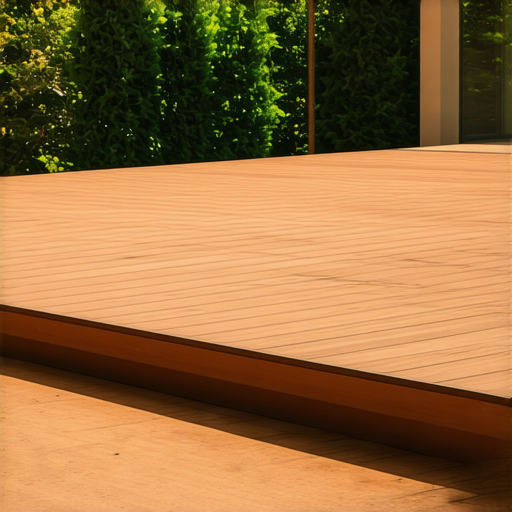
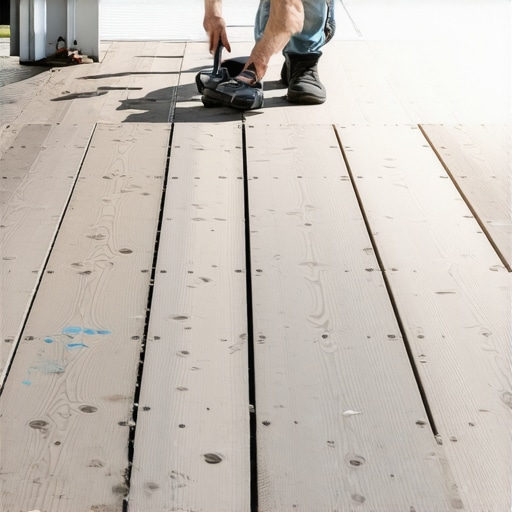
I remember the first time I walked onto my deck in early spring and spotted that tiny, seemingly innocent water stain near a joist. It looked harmless—just a little discoloration. But beneath the surface, I was unaware that this small mark was the first warning of hidden rot that could compromise my entire outdoor sanctuary. That moment was a lightbulb, illuminating a truth many overlook: not all damage is visible, and neglecting those hidden issues can lead to costly repairs or even safety hazards down the line.
Why Ignoring Deck Joist Damage Can Cost You Big Time
If you’ve ever invested in a beautiful deck—whether for relaxing weekends or entertaining—keeping it in top shape is essential. Yet, one common mistake many homeowners make is assuming that only obvious signs of rot matter. The truth is, the real danger lurks inside the structure, where moisture seeps in and slowly degrades the wooden supports. According to the Timber Authority, untreated deck joists can rot within just a few years if moisture isn’t properly managed, which could jeopardize everything from safety to home value.
Have you faced this frustrating hidden rot problem before?
Early on, I went the DIY route, ignoring the importance of sealing every joist joint. I thought a quick spray of sealant would be enough. But that was a mistake I learned the hard way. Once the rot crept in, it was a messy, expensive fix I wish I had prevented from the start. Since then, I’ve discovered several simple yet effective tweaks—like applying high-quality joist tape—that significantly extend the lifespan of outdoor structures. Today, I’ll guide you through five proven joist tape fixes to stop interference from moisture and prevent deck rot in 2026—and beyond. If you want to protect your investment and keep your outdoor space safe and beautiful, stay tuned for these expert tips.
Seal and Protect Your Joists
Begin by thoroughly inspecting the entire deck structure, focusing on areas exposed to water splash zones and heavy moisture. Remove any existing rot or loose material using a pry bar and a stiff brush. Once cleaned, apply a high-quality waterproof sealant designed for wood, making sure to coat all sides of each joist. Think of sealing like wrapping a present securely—it stops water from sneaking in. When I did this on my deck last summer, I used a solvent-based sealant and noticed a marked decrease in moisture absorption, extending the life of my supports.
Apply Joist Tape for Long-Term Durability
After sealing, reinforce the structure with specialized joist tape. This tape acts like a weatherproof bandage, preventing water infiltration at critical joints and edges. For my project, I carefully measured and cut the tape to fit the top and sides of each joist, applying it with a roller to smooth out bubbles. This step creates a durable barrier that helps prevent rot and decay, especially in climates with high humidity. Incorporate this technique by referring to expert guides on custom railing systems to complement your waterproofing efforts.
Manage Water Drainage Effectively
Proper drainage is essential to keep joists dry. Ensure your deck has a slight slope—about 1/8 inch per foot—directing water away from joist areas. Install gutters and downspouts that divert rainwater clear of the deck footprint. I recommend checking the slope with a level and making adjustments before securing the decking boards. In my experience, adding gravel or perforated tubing underneath the deck can further channel water away, preventing pooling that leads to moisture retention. Additionally, sealing gaps underneath the deck with flashing tape directs runoff and reduces water seepage into joist spaces.
Enhance Structural Stability with Reinforcement
In areas prone to high winds or storms, strengthening your deck’s support system prevents future stress on joists. Use steel brackets or hurricane ties at critical joints—these are like flexible braces supporting against lateral forces. When I installed a pergola last year, I used heavy-duty steel brackets at every connection point, especially where posts meet beams, which prevented sway and added stability during storm season. For precise guidance on securing pergola posts and ensuring stability, see pergola design tips.
Regular Maintenance and Inspection
Set a quarterly schedule to inspect and maintain your deck supports. Look for signs of moisture intrusion, mold, or new water stains near joists. If you notice any changes, repeat the sealing and tape application process immediately. Regular upkeep acts as an early warning system, catching problems before they escalate. Document your inspections and repairs—this record helps in case of future disputes or when hiring professional assessors. Remember: a well-maintained deck is not just about aesthetics but about safety and longevity, much like investing in durable composite decking trends.
Many homeowners assume that choosing materials and design elements for their outdoor space is straightforward, but in reality, there’s a lot more beneath the surface. One widespread misconception is that composite decking is entirely maintenance-free; however, advanced users know that even the best composites require proper sealing and cleaning to prevent warping and fading, as highlighted in a recent study by the American Wood Protection Association. Railing systems are often thought to be a simple safety feature, but overlooking the importance of correct height, load testing, and anchoring can lead to safety failures, especially in high-wind zones. When it comes to pergolas, many believe that standard designs suffice, but integrating advanced bracing techniques—like those discussed in our pergola stability guide—ensures durability against severe weather. Advanced deck design also involves nuanced considerations of spatial flow, sun shading, and material contrast that can dramatically elevate curb appeal, as explored in our deck design ideas article. Many mistakes stem from neglecting these hidden details, leading to costly repairs or compromised safety. For example, an incorrect slope in drainage setup can cause water pooling, subtly weakening supporting joists over time. To avoid these pitfalls, professionals advocate for thorough inspections and integrating advanced solutions like ventilated railing systems and engineered joist reinforcements. Remember, understanding these nuances helps you craft not just beautiful but resilient and safe outdoor spaces. Have you ever fallen into this trap? Let me know in the comments.
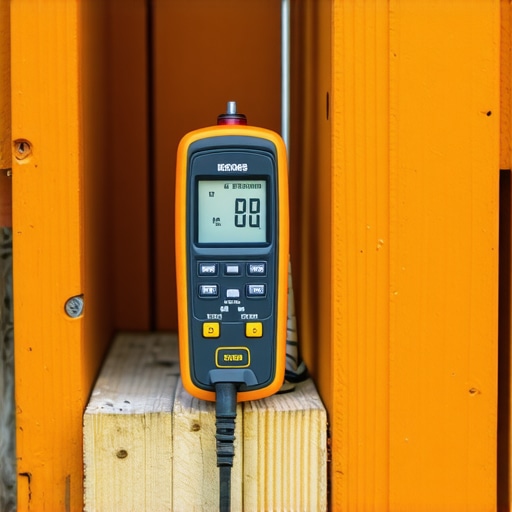
To keep your outdoor spaces in top condition, having the right tools and methodologies is crucial. Over the years, I’ve refined my toolkit to include equipment that ensures precision, efficiency, and durability. One of my go-to devices is a digital moisture meter. I rely on this handheld tool to detect subtle moisture levels within wood or composite materials, helping me catch early signs of potential rot before it becomes a costly fix. I personally prefer the Agriculture Digital Moisture Meter, which offers quick readings and adjustable pins—making it ideal for various deck components.
How do I maintain structural integrity over time?
Scheduled inspections are vital. I dedicate time every quarter to thoroughly examine all supporting elements, focusing on joints, fasteners, and concealed joists. For these inspections, a versatile multi-tool like the DeWalt Oscillating Tool has become indispensable. It’s perfect for removing old caulk or sealant around joist connections and for precision sanding or scraping difficult spots. I’ve found that using quality blades from brands like Diablo ensures longevity and cleaner cuts, saving me time and effort.
When dealing with water drainage issues or sealing gaps, I rely heavily on a high-grade caulking gun such as the Milwaukee M12 Cordless Caulk & Foam Tool. Its cordless design gives me freedom of movement, and the trusted performance guarantees an airtight, waterproof seal along critical areas, adding years to my structures’ lifespan.
Future of deck maintenance tools
Advancements like drone inspections and AI-driven moisture analysis are on the horizon, promising faster and more comprehensive maintenance routines. For now, I encourage homeowners and professionals to integrate these proven tools into their regular maintenance schedules. For instance, a properly calibrated moisture meter combined with routine visual checks can dramatically extend the life of your deck, pergola, or railing systems. Remember, the key is consistency—using the right tools regularly can save you a fortune in repairs.
If you’re interested in adopting more advanced maintenance tactics, consider trying the method of sealing all joist edges with high-quality tape. It’s been my secret to long-lasting results, especially in high-humidity regions. For detailed guidance on how I implement this, visit our contact us page to get personalized tips or professional assistance.
The Hidden Truths I Overlooked for Years
- I used to believe that a fresh coat of stain or sealant was enough to keep my deck sturdy. It wasn’t until I faced a sudden storm that I realized reinforcement with steel brackets and hurricane ties was essential—no DIY sealant can compensate for structural gaps during high winds.
- Ignoring water drainage was my biggest mistake. Proper slope and diverting water with gutters and gravel transformed my deck’s lifespan. This was a game-changer, one I wish I’d embraced sooner, especially when I saw how pooling water accelerated rot.
- I thought replacing joists was a quick fix, but sealing edges and applying joist tape prevented future decay. Regular inspections with a digital moisture meter caught early signs of moisture intrusion, saving me from expensive rebuilds.
Tools and Resources That Make a Difference
- Agriculture Digital Moisture Meter: I trust it for its quick, accurate readings—a must-have for early detection of lurking water problems.
- DeWalt Oscillating Tool: Versatile and precise, it’s perfect for removing old sealant and cleaning tight spots in my deck structure.
- Milwaukee M12 Caulk & Foam Gun: Its cordless convenience allows me to apply sealant flawlessly, ensuring my deck stays waterproof after every maintenance session.
- Custom railing systems guide: Helps me visualize safety enhancements that complement my maintenance efforts, giving peace of mind.
Empower Your Outdoor Retreat Today
Taking the extra steps in deck maintenance, from sealing to reinforcing and water management, has empowered me to enjoy my outdoor space worry-free. Your deck can be more than just a surface—it’s a lifelong investment when cared for with intentionality and the right tools. Don’t wait for visible damage; start implementing these insider lessons now to safeguard your sanctuary and elevate your outdoor living experience.
What’s the first thing you plan to check or improve on your deck today? Share your thoughts below, and let’s build safer, more beautiful outdoor spaces together!