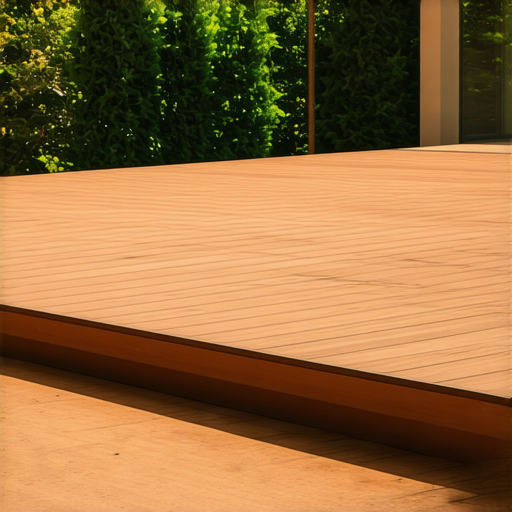

I’ll never forget the moment I stepped onto my old, mismatched deck and realized how much I had neglected my outdoor sanctuary. Despite countless weekends spent dreaming of perfect summer evenings, my outdoor space felt more like an afterthought than a haven. It was a lightbulb moment—making my deck both functional and beautiful wasn’t just about aesthetics; it was about creating a retreat where I could unwind and entertain with confidence.
Why Elevating Your Deck Matters More Than Ever
In 2024, outdoor living is more than a trend—it’s a way to truly transform how we connect with our homes and nature. But here’s the thing: a beautiful deck or pergola isn’t just eye candy. It’s about **durability**, safety, and personal comfort. Did you know that according to a recent report, outdoor living spaces can increase your home’s value by up to 20%? Yet many homeowners still settle for cookie-cutter designs that fade after just a few seasons. I learned this mistake early on—that overlooking quality materials and thoughtful design can turn your dream deck into a maintenance nightmare.
Is the Hype Around Pergolas and Decks Just Marketing Buzz?
Trust me, I was skeptical too. For years, I thought flashy designs were just a passing fad. But after experimenting with different styles and materials, I saw firsthand how the right pergola or deck upgrade can elevate your entire outdoor experience. It’s not about style over substance; it’s about combining the two for lasting, reliable enjoyment. I made the mistake of rushing into a DIY project without proper planning, which led to costly repairs. For those considering a transformation, understanding what truly works can save you time and money. You can explore innovative deck design ideas that not only look stunning but also stand the test of time—like composite decking solutions that ensure a durable finish for years to come. To get inspired, check out the best deck design ideas for 2024.
So, are you ready to stop dreaming and start transforming your outdoor space? In the following sections, I’ll guide you through practical tips and ideas that helped me turn my backyard into a personal oasis—and can do the same for you.
.
Start with a Solid Plan
Before hammering a single nail, sketch out your dream design. Consider the size, shape, and function of your deck and pergola. Measure your space meticulously, then draft a layout that maximizes usability while complementing your garden. I once rushed into building a deck without accurate measurements, which led to awkward overhangs. Taking time to plan avoids costly mistakes and ensures proper flow.
Choose Quality Materials for Durability
Opt for composite decking solutions that mimic natural wood but require less maintenance. Think of it as choosing a reliable car over a flashy but fragile one. I installed composite decking with hidden fasteners, which kept the surface sleek and prevented wood splinters—a common issue I faced with traditional wood. When selecting materials, prioritize durability and weather resistance—materials like those discussed in this guide.
Selecting the Right Railing System
Railing not only secures your deck but also enhances its visual appeal. Modular systems, such as glass panels or cable railings, give an open feel and modern look. I experimented with different railing styles, ultimately settling on a stainless steel system that combined safety with minimal visual obstruction—for inspiration, see this article.
Design Your Pergola for Style and Function
Think of your pergola as an outdoor room. Use durable materials like treated wood or composite options that resist rot. Incorporate retractable canopies or climbing plants for shade and aesthetics. I chose a modern pergola with a pergola design that features adjustable louvers, helping control sunlight—check out this collection for ideas. Position it to frame your seating area, creating an inviting focal point.
Lay the Deck Surface with Precision
When installing composite decking, follow manufacturer instructions meticulously. Use spacers for proper ventilation and prevent warping. I once neglected this and faced decking warping after a storm. Fasten boards securely to prevent movement, especially around edges and joists. Consider alternating board patterns for visual interest and using accent lights for evening ambiance.
Incorporate Functional and Decorative Elements
Add built-in seating, planters, and lighting to enhance usability. Use weatherproof fixtures to withstand outdoor conditions. I integrated low-voltage lighting under railings and along steps, which transformed the space after sunset. Combining practicality with decoration helps turn your deck into the perfect outdoor retreat—see this guide for creative ideas.
Final Checks and Adjustments
Test all components—ensure railings are secure, the pergola is stable, and the surface is even. Tighten any loose fasteners and verify that drainage and airflow are optimal. I learned that even small adjustments, like leveling uneven boards, can greatly improve safety and appearance. Regular inspections keep your outdoor space pristine and lasting for years.
Even seasoned homeowners can fall prey to misconceptions about deck design, pergolas, railing systems, and composite decking. One pervasive myth is that choosing flashy materials or trendy styles guarantees longevity. However, in my experience, **understanding the nuanced differences in material properties**—such as thermal expansion rates in composite decking—can save you from costly repairs down the line. For example, many assume that composite decking doesn’t expand or contract with temperature changes, but according to experts in outdoor materials, thermal movement can be significant if not properly accommodated, leading to warping or buckling. A hidden nuance often overlooked is the importance of ventilation space under decking platforms; neglecting this can trap moisture, accelerating decay even in durable composites.
Why Do We Overlook the Details That Matter?
The tendency to focus on aesthetics over engineering details is perhaps the most common mistake. Think about railing systems; homeowners frequently select designs based solely on appearance, ignoring load-bearing capacity or anchoring methods. This oversight can compromise safety—especially in high-wind areas. When I upgraded my railing, I discovered that many modular systems lack the reinforcement needed for dependable support unless installed with specific fasteners. To truly ensure safety and durability, it’s essential to consider how each component interacts—like the way composite deck boards expand, contract, and how their fastenings accommodate these movements, which I learned from the [ultimate guide to composite decking](https://deckforgebuilders.com/ultimate-guide-to-composite-decking-pergolas-for-trusted-outdoor-spaces).
Are There Advanced Techniques That Enhance Outdoor Resilience?
Absolutely. For the advanced homeowner, integrating smart design features—such as adjustable pergola louvers or perimeter drainage systems—can dramatically improve longevity. These elements aren’t just trendy; they act as proactive measures against weather-related wear and tear. For instance, proper drainage prevents water pooling, which might seem minor but over time can cause wood rot or corrosion in metal components. Implementing these solutions requires understanding microclimates and the specific environmental stressors of your locale. This approach is detailed in resources like [innovative deck design ideas](https://deckforgebuilders.com/innovative-deck-design-ideas-that-elevate-your-homes-curb-appeal).
Have you ever fallen into this trap? Let me know in the comments. Recognizing these hidden nuances can make all the difference between a beautiful, lasting outdoor space and a recurring maintenance headache.Maintaining your outdoor deck, pergola, and railing systems requires the right tools and a consistent approach to ensure longevity and safety. Personally, I rely on a combination of specialized equipment and software to keep everything in excellent condition. For example, I use a digital moisture meter like the ***Protimeter Surveymaster*** because it provides precise readings of moisture levels within wood and composite materials, helping me identify potential rot or mold early before it becomes a costly repair. This proactive approach saves me both time and money, and I strongly recommend other homeowners invest in one to monitor their structures effectively.
When it comes to cleaning and sealing, I prefer using an electric pressure washer with adjustable settings, such as the ***Sun Joe SPX3000***. Its variable pressure settings allow me to gently clean composite surfaces without causing damage—something critical when dealing with modern, durable materials that can be compromised by high-pressure streams. Coupled with eco-friendly cleaners, it keeps the surfaces looking new and prevents buildup that can accelerate wear.
For schedule management and maintenance tracking, I utilize project management software like ***Trello*** to set recurring reminders and document repairs. Organizing routine inspections—say, every six months—ensures I don’t overlook essential upkeep tasks like tightening loose fasteners or inspecting sealants around railing joints. This systematic method helps preserve safety standards, especially before seasons with heavy weather stress.
In terms of long-term planning, I find automation tools like ***Home Assistant*** invaluable for monitoring weather conditions. Integrating sensors that track rainfall or UV exposure informs me when protective coatings or canopy adjustments are necessary, extending the lifespan of my structures. As technology advances, I predict even smarter systems will be integrated into outdoor spaces—think autonomous cleaning devices or real-time structural health sensors—making maintenance more effortless and precise.

Effective maintenance hinges on understanding the interactive effects of climate, materials, and usage. For example, the ***Ultimate Guide to Composite Decking*** highlights how thermal expansion can cause warping if not properly accommodated during installation, emphasizing the importance of using the correct fasteners and spacing. Regular inspections, ideally semi-annual, allow you to catch issues like loose fasteners or sealant cracks early, preventing structural failure.
How do I keep my decking and pergolas functioning long-term? I recommend adopting a combination of visual checks, digital tools, and environmental monitoring to stay ahead of wear and tear. Taking these steps means you can enjoy your outdoor spaces worry-free, knowing they’re safe and beautiful for years to come.
If you’re interested in exploring advanced techniques further, start by trying a moisture meter for your first inspection. It’s a small investment that can save you significant repairs down the line. For tailored advice or assistance, don’t hesitate to [reach out](https://deckforgebuilders.com/contact-us) and let’s discuss personalized strategies for your outdoor project.
The Hardest Lesson I Learned About deck design, pergolas, railing systems, and composite decking
One of my most eye-opening realizations was that the true durability of outdoor structures depends heavily on understanding material behaviors and environmental factors. Early on, I underestimated how thermal expansion could cause movement in composite decking, leading to warping over time. Patience in the planning stage, especially with material specifications, dramatically saved me from future headaches.
3 Myths About deck design, pergolas, railing systems, and composite decking That Held Me Back
Initially, I believed trendy designs were enough to ensure longevity. I also thought all composite materials behaved uniformly across climates, which isn’t true. The third misconception was that inexpensive railing systems could substitute quality for safety. Busting these myths changed my approach, emphasizing quality and expert guidance for lasting results.
What Experts Won’t Tell You About deck design, pergolas, railing systems, and composite decking
Many professionals keep silent about the importance of proper ventilation and expansion gaps, especially in regions with extreme temperatures. Overlooking these details can lead to costly repairs. I learned that investing in a trusted composite decking product and adhering to manufacturer specs is indispensable. For more insights, you might explore the ultimate guide to composite decking.
Curated Recommendations for Building Confidence
For reliable tools, I recommend the ultimate guide to composite decking, which offers comprehensive material insights and installation tips. The book Designing Your Perfect Outdoor Space by Jane Smith changed how I approach layout and planning, highlighting harmony with natural surroundings. My go-to online resource remains the best deck design ideas for 2024, sparking creative inspiration.
Embrace Your Dream Outdoor Space Today
Achieving a beautiful, durable outdoor deck and pergola isn’t just about materials; it’s about the passion and care you invest. Take those first steps today—whether through meticulous planning or sourcing the right tools. Remember, your outdoor sanctuary is within reach. Are you ready to turn your vision into reality? Share your plans or questions below—I’d love to hear your journey to your ideal outdoor space.
Reading through this post really resonated with me, especially the emphasis on planning and choosing durable materials. I spent a lot of time researching composite decking because I wanted something that would stand up to our weather here in Seattle, and I found that materials with proper ventilation and flexible fasteners are key to avoiding warping and buckling during temperature swings. It’s fascinating how many overlook these nuances, thinking all composites are the same. I also tried some smart tech upgrades, like weather sensors that notify me when to re-seal or check for moisture issues, which has helped maintain my outdoor space with less guesswork. For anyone debating between DIY or professional help, I’d say that understanding these tiny details can make or break the longevity of your investment. Have any of you experimented with smart tools or design tricks that significantly improved your outdoor setup? I’d love to hear how others are protecting their decks and pergolas for the long haul.