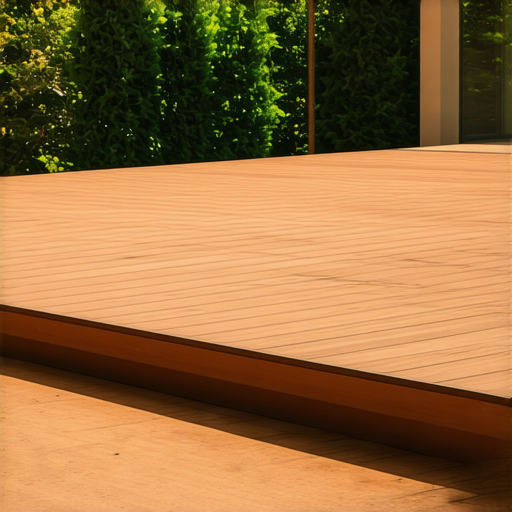
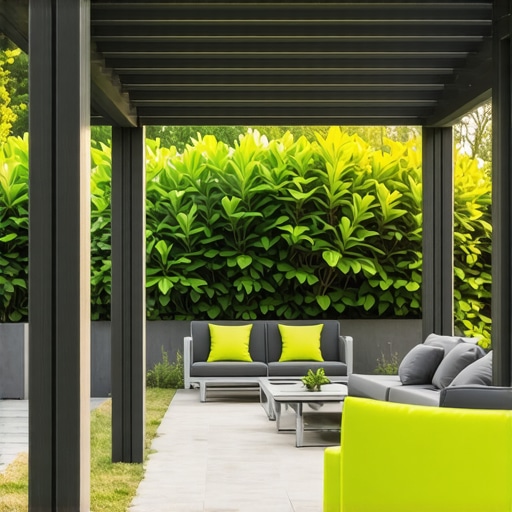
It was a bright Saturday afternoon when I finally looked out from my patio and realized something was missing. Despite having a decent deck and sturdy railing, the space didn’t invite lounge sessions or spontaneous gatherings. Instead, it felt like a forgotten corner of my backyard—functional, sure, but uninspiring. That’s when I had my “lightbulb moment”: a beautiful, well-designed pergola could be the game-changer I needed to create an outdoor sanctuary.
Why Your Backyard Deserves More Than Just a Deck
I’ve come to believe that a pergola isn’t just about aesthetics; it’s about transforming your entire outdoor experience. In 2024, the trend leans heavily toward personalized outdoor structures that offer both style and function. The right pergola, paired with durable decking and secure railing systems, can turn a typical backyard into an inviting retreat. Not convinced? You’re not alone. Many homeowners overlook this vital piece, thinking it’s just a decorative feature rather than a functional one. But, once I added a pergola with a custom design, everything changed—outdoor dinner parties, family movie nights, even a quiet moment reading a book became elevated experiences.
According to a recent study by the Deck Forge Builders, outdoor living spaces significantly increase property value and enhance daily well-being. The secret lies in creating a space that encourages you to spend more time outside, enjoying nature and recharging after busy days.
Is Investing in a Pergola Actually Worth It in 2024?
I made a mistake early on—choosing a cheap, flimsy pergola that couldn’t withstand weather or last more than a couple of seasons. Trust me, I learned the hard way that quality matters. Today, I focus on sturdy materials like composite decking and high-grade framing, which ensure longevity and safety. If you’re hesitant about making that investment, I get it. It’s easy to think all pergolas are equal—until you realize the difference durability and design make.
In the next sections, I’ll share practical tips on selecting the best pergola designs for 2024, ensuring your outdoor space becomes the envy of the neighborhood. If you’ve struggled with outdoor space that just doesn’t feel right, keep reading. You’re about to discover how to turn your backyard into a stunning, functional retreat that reflects your style and meets your needs.
Selecting Durable Materials for Your Outdoor Space
Start by choosing high-quality materials like composite decking, which resembles wood but offers advanced durability and low maintenance. I once picked a cheaper capstock composite that faded quickly; now I prefer brands like Trex or TimberTech for longevity. For framing, opt for aluminum or pressure-treated wood to withstand weather. When I built my first pergola, I mistakenly used untreated pine, which warped after one season—it was a lesson in durability. Use online comparison guides to select products, and ensure they meet local climate demands.
Designing Your Pergola to Match Your Style
Sketch out a design that complements your home and outdoor vibe. I used a simple rectangular plan with a vaulted roof, drawing inspiration from modern minimalism. Consider the spacing between beams for shade and light; a common approach is 6 inches apart. To personalize, add lattice panels or integrated lighting. I installed string lights through my pergola beams, which transformed my evenings into cozy retreats. Use online tools or consult with a designer if you’re unsure about proportions or style consistency.
Installing the Pergola Framework Accurately
Mark out your post locations with stakes and string for precision. Dig holes (18-24 inches deep) and pour concrete for stability. I once misaligned a post, causing roof beams to slope—measure twice, cut once. Use a level and string line to keep everything straight. Secure posts with metal brackets and double-check their plumbness before concrete sets. Patience here ensures the structure remains secure and level for years to come. Detailed tutorials can be found at Pergola Designs.

Attaching the Beams and Lattice
Next, install the main beams across the posts, attaching them securely with galvanized bolts or hardware designed for outdoor use. Pre-drill holes to prevent splitting. When I installed mine, a miscalculation led to uneven spacing, but I corrected it with shims and re-tightening. Finish with lattice panels if desired for extra shade or privacy, securing with appropriate fasteners. Proper attachment methods are crucial for safety and stability; consult manufacturer instructions or local codes for guidance.
Adding a Composite Deck and Ensuring Safety
Lay out your composite decking boards perpendicular to the main beams, following manufacturer spacing recommendations for expansion. Use hidden fasteners for a sleek look. I once ignored spacing, and my deck warped under temperature fluctuations; now I always leave a 1/8-inch gap. Secure each board tightly, and periodically check for levelness. Incorporate safety features like secure railing systems—visit Railing Systems for ideas. The right railing not only secures but also elevates your design.
Finishing Touches to Customize and Protect
Seal wood components with weatherproof stain or paint to prolong life and maintain appearance. For composite, minimal sealing is needed, but regular cleaning prevents stains. I added LED lighting strips along the beams, creating a warm ambiance at night. Incorporate smart features like remote-controlled lighting or fans for added comfort. Regular inspections ensure bolts and fasteners stay tight, keeping your outdoor sanctuary safe and beautiful for years.
While many homeowners are enthusiastic about upgrading their outdoor spaces with composite decking, railing systems, and pergolas, there’s a common misconception that these materials and structures are foolproof solutions. As an expert in outdoor design, I want to reveal the nuances that are often overlooked, so you can make truly informed decisions. Most people assume that composite materials are entirely maintenance-free and that all railing systems are created equal. However, the reality is more complex. For example, **not all composite decking holds up equally well under varying climate conditions**. Some brands may fade or warp faster if you don’t select durable options, like those recommended in [latest trends for durable outdoor solutions](https://deckforgebuilders.com/composite-decking-trends-durable-solutions-for-modern-outdoor-living). A common myth is that composite decking never requires sealing or cleaning, but in truth, periodic maintenance to prevent stains or mildew is critical for longevity.
When it comes to railing systems, many folks choose the cheapest options, unaware that inferior fasteners or poor craftsmanship can compromise safety over time. An advanced mistake I’ve seen is overlooking the importance of compatible hardware designed for specific materials—using incompatible fasteners can lead to loosening or rusting, which is a safety hazard. It’s vital to select custom railing systems that are engineered for both durability and style.
Pergolas are often treated just as decorative features, but their structural nuances decide their performance. Many underestimate the importance of precise post anchoring or choosing the right framing materials—errors that can cause wobbling or collapse under heavy wind or snow. **The advanced nuance? Consider the framing’s material composition in relation to your climate**; for instance, aluminum offers corrosion resistance in coastal areas, whereas pressure-treated lumber might be suitable for dry zones. This detail can make or break your investment, and consulting expert insights helps prevent costly mistakes.
### Why Do Material Choices Matter More Than You Think?
Choosing the right composite decking isn’t just about aesthetics; it involves understanding the material’s composition—whether it’s capped or uncapped, and its resistance to UV exposure. Research from industry experts indicates that **selecting a high-quality, UV-resistant composite significantly extends the material’s lifespan**, reducing fading and mildew growth. Moreover, experts recommend paying attention to pergola design elements that enhance durability, such as proper drainage and ventilation, rather than merely focusing on decorative features.
### The Trap of Underestimating Climate Impact
One of the most overlooked advanced mistakes is ignoring regional weather patterns. For example, a deck designed without considering snow load or high humidity can deteriorate prematurely. Materials like composite decking and aluminum railing are better suited for extreme conditions, but many still opt for cheaper options that aren’t up to the task. As I always say, _investing in quality is investing in peace of mind_. Don’t fall prey to the misconception that price correlates with quality—do your research and consult local experts, which can sometimes save you thousands in repairs or replacements.
In conclusion, the hidden nuance lies in understanding the specific properties and climatic appropriateness of your chosen materials and designs. This knowledge empowers you to create an outdoor space that lasts and remains stunning. If you’ve ever fallen into these common traps, let me know in the comments. Remember, the difference between a good project and a costly mistake often hinges on these expert tips.Maintaining your outdoor structures over time is crucial to preserve their functionality and appearance. Investing in the right tools and adopting effective methods can significantly extend their lifespan. One essential tool I personally rely on is a high-quality power washer with adjustable pressure settings. For composite decking, a pressure washer helps to remove dirt and mildew without damaging the surface, provided you keep the pressure below 1500 PSI and use a wide-angle nozzle. I always test on a small area first to prevent any inadvertent damage. Additionally, using a soft-bristle brush attached to a cordless drill can facilitate deep cleaning of textured deck surfaces, making maintenance quicker and more effective.
When it comes to sealing and protecting railing systems or pergolas, I recommend a high-grade, weather-resistant protectant specifically formulated for the material. For metal components, applying a rust-inhibiting primer and topcoat extends their durability, especially in coastal or humid environments. For wooden elements treated with composite or hybrid materials, regular inspections for loose fasteners and signs of wear are paramount. I often carry a cordless impact driver to tighten or replace fasteners swiftly during routine maintenance.
Software tools like SketchUp or specialized deck design apps assist in planning upgrades or extensions, allowing you to visualize modifications before committing. For long-term documentation, I keep a maintenance log, noting when surfaces were cleaned, sealed, or repaired. This practice ensures timely interventions, avoiding costly repairs later.
Looking ahead, the trend points toward automation and smart maintenance. Future tools may include IoT-enabled sensors embedded in decks or pergolas that monitor structural integrity, exposure to elements, and signs of wear in real-time. Installing durable, weather-resistant hardware now prepares your outdoor space for this technological evolution.
How do I maintain my composite deck and railing systems to keep them looking pristine over time?
Regular cleaning with gentle tools, such as soft brushes and low-pressure washing, combined with annual inspections and timely repairs, will keep your outdoor investment in top shape. Remember, choosing the right cleaning tools and materials tailored to your specific deck or pergola ensures longevity. For expert guidance and quality tools, consider reaching out through the Contact Us page. Don’t forget, applying a protective sealant every few years is key to defending against UV and weather damage. For more insights on durable solutions, check out the trends in [composite decking trends and durable solutions for modern outdoor living](https://deckforgebuilders.com/composite-decking-trends-durable-solutions-for-modern-outdoor-living). Be proactive: try using an impact driver for routine fastener checks, and you’ll notice your structure maintaining its strength and beauty longer than ever before.
The Hardest Lesson I Learned About Creating Outdoor Retreats
When I first embarked on my outdoor upgrade journey, I underestimated the importance of climate-specific materials. Choosing the wrong composite decking for my humid summer environment led to fading and mildew within a year. This taught me that understanding regional weather patterns is crucial — a lesson I wish I had learned earlier. Now, I always consult local experts and focus on UV-resistant and mold-proof materials to ensure longevity.
My Trusted Tools and Guides for Building Reliable Outdoor Spaces
I rely on industry-leading resources such as the Ultimate Guide to Pergolas and Composite Decking, which offers comprehensive insights into durable, weather-resistant designs. For tools, I swear by my impact driver and a high-pressure washer with adjustable settings, making maintenance both efficient and safe. Additionally, online design platforms like SketchUp help me visualize modifications before making any real-world changes, avoiding costly mistakes.
Your Turn to Build Outdoors That Lasts
Now that you’ve uncovered some of the nuanced insights and trusted resources, it’s time to turn your backyard into a beautiful, dependable haven. Whether upgrading your pergola, selecting the right railing system, or designing a new deck, focus on quality and climate compatibility. Remember, an outdoor space that combines expert design and durable materials will reward you with years of enjoyment. Are you ready to take the next step toward creating your perfect outdoor retreat? Share your plans or ask questions below — I’d love to hear your story!
For personalized guidance and top-tier materials, don’t hesitate to reach out via our Contact Us page. Happy building!
Reading this post really resonated with me because I recently undertook transforming my backyard after realizing my old deck was only good for basic functionality. I agree that adding a well-designed pergola can truly enhance outdoor living, making it more inviting and versatile. I especially appreciated the emphasis on durable materials like composite decking and weather-resistant framing, since I learned the hard way that cheap materials tend to warp and fade quickly, especially in humid climates. One challenge I faced was ensuring the structural integrity of my pergola against strong winds—does anyone have tips on anchoring techniques or particular framing structures that withstand heavy weather? I’m curious about incorporating automated lighting or even ceiling fans in a pergola setup, as mentioned. How have others balanced aesthetics with function when customizing these structures? Would love to hear your experiences or recommendations! Creating that cozy, stylish outdoor space seems manageable now with all these expert tips.