It was a sunny Saturday afternoon when I finally stepped onto my deck, eager to enjoy the fresh air and the view. But in that same moment, I realized something was off—my old railing system looked tired, and I felt a twinge of concern about safety. The thought struck me: “Is this the best I can do for outdoor safety and style?” That lightbulb moment set me on a journey to discover railing solutions that are both beautiful and dependable.
Why Choosing the Right Railing System Matters More Than Ever
Outdoor spaces are no longer just a place to sit; they’ve become our retreats, entertainment hubs, and even workspaces. Yet, many of us overlook a critical aspect—*the safety and style of the railing systems that frame our decks*. As of 2024, experts emphasize that a well-designed railing isn’t just about aesthetics but is a crucial safety feature. According to the Consumer Product Safety Commission, falls from decks are responsible for nearly 30,000 injuries annually in the U.S., underscoring the need for sturdy, reliable railings.
However, with so many options available—ranging from traditional wood to modern composite materials—it can be overwhelming to choose what’s best. Early in my search, I made the mistake of opting for a fancy design without considering durability, only to face weather damage within a couple of years. That experience taught me a valuable lesson: choosing the right railing system is about balancing safety, longevity, and style.
Are you struggling to find a railing that withstands your local weather while matching your home’s vibe? You’re not alone. Today, I’ll share insights that will help you select the perfect blend of safety and style for your outdoor space, ensuring you feel confident in your choice for years to come. Ready to transform your deck into a safe yet stunning retreat? Let’s dive into the options that can make that happen.
Assess Your Terrain and Design Goals
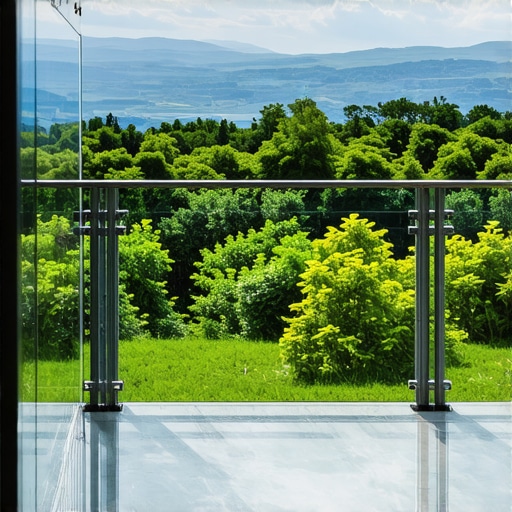
Start by evaluating your outdoor space’s layout, elevation, and traffic patterns. I once measured my deck’s height multiple times, fearing installation errors. Knowing the exact dimensions ensures your railing system fits perfectly, preventing safety hazards. Decide whether you want a modern glass look or traditional wood; clarity at this stage helps in narrowing options.
Research Material Choices for Longevity and Style
Consider materials like aluminum, composite, or wood. I initially picked a decorative wood railing expecting classic charm, but my coastal climate caused warping within two years. Reading product reviews and consulting manufacturer specs clarified that aluminum or composite options often outperform wood in harsh weather—offering both durability and style. Use these guides to compare lifespan and safety features.
Calculate Load-Bearing Requirements
Determine how much weight your railing must support, especially if you plan to install accessories or plan to add weight temporarily. During my project, I realized my deck’s code required railings to withstand at least 200 pounds per linear foot. Consulting local building codes and a structural engineer ensures your installation meets safety standards, preventing costly rework later.
Gather Tools and Prepare Installation Space
Prepare your workspace with drills, anchors, levels, and safety gear. I learned this the hard way after starting without a level, which resulted in an uneven railing. Properly marking drill points and double-checking measurements seize as much accuracy as possible. Having all tools ready prevents delays and ensures a smoother process.
Install Post Footings Securely
Embed posts deep into concrete footings that resist shifting over time. I recommend setting a post in a hole filled with quick-setting concrete and ensuring it remains perfectly vertical using a level. Patience in curing time guarantees a strong foundation, critical for safety and stability. For detailed steps, refer to this guide.
Attach Rails and Balusters with Precision
Use the appropriate brackets and fasteners, ensuring even spacing for aesthetics and safety. I once skipped measuring every baluster spacing, leading to uneven gaps that compromised look and compliance. Employ a spacers or jig for consistency, and verify every connection with a level. Proper assembly prevents wobbliness and meets safety standards.
Finish with Weatherproofing and Aesthetic Touches
Seal and paint your railing to resist weather damage. I applied a weatherproof paint earlier, which helped my railings endure rain and UV rays without fading. Adding LED lighting or decorative trim not only enhances style but also improves visibility at night. Regular maintenance checks are essential for long-term durability, especially in extreme climates.
While many homeowners believe they understand the essentials of outdoor design, several subtle misconceptions can lead to costly mistakes and missed opportunities for durability and style. One pervasive myth is that all composite decking is equally long-lasting; however, recent studies indicate that quality and manufacturing Standards significantly impact durability, especially in harsh climates. For instance, lower-grade composites may discolor or warp over time, undermining your investment. Additionally, a common oversight is neglecting the importance of proper waterproofing and ventilation in pergola structures, which can cause wood rot and weaken support beams. Experts emphasize that integrating these details can extend your pergola’s lifespan and enhance safety. Moreover, many assume that railing systems merely serve a safety purpose; in reality, well-designed rails can elevate your entire outdoor aesthetic. However, selecting a system without considering load-bearing capacity or material compatibility with your deck can result in wobbly or unsafe installations. This trap is especially risky if you plan to incorporate glass panels or lightweight materials that require precise engineering. For advanced homeowners, understanding the nuances of load calculations and material resilience is crucial, particularly with evolving standards such as those outlined in industry guidelines. Remember, even small details like the spacing of balusters or the anchoring methods can make a significant difference between a reliable outdoor space and a safety hazard. It’s essential to approach deck and pergola projects with an eye for detail and a willingness to consult professionals when in doubt. If you’re rethinking your outdoor design, I recommend visiting this resource for insights into creating a custom, durable, and stylish solution. Have you ever fallen into this trap? Let me know in the comments.Maintaining the integrity and appearance of your outdoor structures like pergolas, composite decking, and railing systems requires more than just occasional cleaning. Investing in precise tools and software can make this process efficient and effective. For instance, I personally rely on a high-quality digital moisture meter to regularly check wood and composite materials for hidden moisture, which helps prevent rot and warping over time. This small device provides instant readings, allowing me to address issues before they escalate, extending the lifespan of my deck components.
How do I maintain my outdoor structures over time?
Beyond occasional inspections, routine maintenance involves using specialized cleaning equipment. I recommend a soft-bristle deck brush paired with a biodegradable cleaner designed for composite materials. This combo effectively removes dirt and algae without damaging delicate surfaces. For more stubborn grime, I utilize a power washer set to a low-pressure setting—always testing on a small area first to avoid surface damage. Such tools help preserve the aesthetic appeal and structural safety of your deck and railing systems.
In addition, employing a quality sealant or weatherproofing product is crucial. I opt for a UV-resistant decking oil that penetrates the material, providing a protective barrier against sun damage and moisture infiltration. Regular reapplication, roughly every 2-3 years, keeps the surface looking fresh and prevents deterioration. For comprehensive insights into long-term maintenance, check out this guide.
Tools that assist in accurate measurements are essential for repairing or scaling your deck design. A digital angle finder allows me to confirm joist and railing angles during installation or repair, ensuring everything remains aligned and safe. For projects involving custom design, I use design software like SketchUp, which helps visualize modifications before actual work begins—saving time and resources. As deck and pergola designs evolve, leveraging these digital tools will be indispensable for professional-quality results.
Predicting future trends, I believe that automation and smart monitoring systems will become mainstream. Sensors embedded in the decking or railing posts could alert homeowners to structural shifts or moisture problems, much like home security systems. Embracing these innovations now can prepare you for seamless upkeep down the line.
By integrating these advanced methods and tools, you not only ensure safety and durability but also elevate your deck’s overall aesthetic. Don’t hesitate to try incorporating a digital moisture meter into your routine—it’s a game-changer for long-term conservation. For tailored advice or to explore custom solutions, consider reaching out through this contact page. Remember, proactive maintenance today is the key to enjoying your outdoor haven for years to come.
The Hardest Lesson I Learned About Deck Safety and Style
Early in my outdoor improvement journey, I underestimated the importance of integrating safety seamlessly with design. I thought selecting stylish materials was enough until I realized that neglecting load-bearing and weatherproofing can turn your dream deck into a hazard. That lightbulb moment pushed me to prioritize structural integrity over aesthetics alone, a lesson I wish I had embraced sooner.
From experience, I learned that overlooking small details like proper anchoring or material compatibility can lead to costly repairs or safety issues. Investing time in understanding industry standards and consulting professionals can save you from this pitfall, ensuring your outdoor space remains both beautiful and secure.
Moreover, I discovered that innovative railing designs not only enhance safety but also elevate your entire outdoor aesthetic. Modern materials like aluminum or composite offer durability with a sleek look, proving that style and functionality can coexist beautifully.
Finally, I realized that maintenance routines—like regular inspections and weatherproofing—are the backbone of longevity. Embracing new tools and technologies, such as digital moisture meters, has made proactive upkeep easier and more effective, helping my outdoor structures stand strong against time and elements.