I remember last summer, staring at my old wooden deck, which had seen better days. The splinters, the fading stain, and the constant maintenance chores finally hit me—I was tired of battling Mother Nature just to enjoy my backyard. That lightbulb moment made me realize: it was time for a change. But where do I start? With so many options out there, especially with the latest trends emerging for 2024, choosing a durable, stylish solution feels overwhelming.
Why Upgrading Your Deck Isn’t Just About Looks
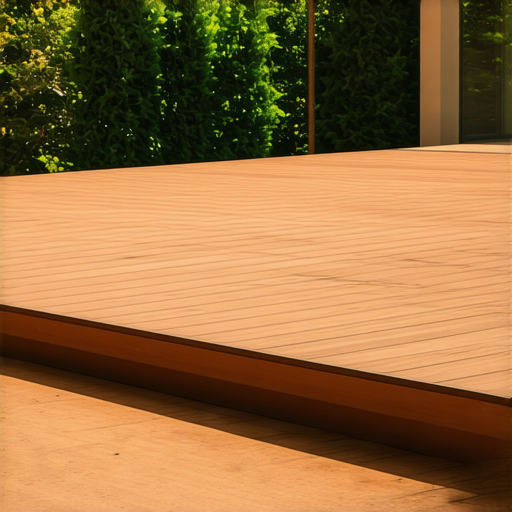
Transforming your outdoor space can seem daunting, but trust me, it’s about creating a sanctuary where you feel safe, relaxed, and proud to host friends. Swap out that aging wood for composite decking, which has come a long way. Not only does it look fantastic, but it also offers long-lasting performance with minimal maintenance. I found that understanding current trends and selecting the right materials can turn an ordinary backyard into a stunning retreat that lasts for years.
In 2024, the focus is on durability and style—the modern outdoor living essentials. Incorporating innovative designs and premium materials means you can enjoy your deck without the worry of fading, warping, or frequent repairs. Remember, a well-implemented deck can also boost your home’s value, as noted in a recent study indicating that outdoor upgrades see a return on investment of up to 75%.
Have you ever faced the disappointment of a deck that didn’t withstand the test of time? I did, and that early mistake taught me the importance of choosing the right materials and designs. In the sections ahead, I’ll share practical tips and insights based on personal experience to help you navigate the latest trends and make informed decisions. Let’s get started on creating an outdoor space that’s both beautiful and built to last.
Select Your Materials with Precision
Start by choosing high-quality materials, especially for your decking surface. Replace aging wood with composite decking, which resists fading, warping, and staining. Think of it like upgrading from a paper umbrella to a reinforced tarp—it’s about durability. I once bought a cheap composite for my first project, only to find it cracked under winter snow; the lesson was clear—invest in quality for longevity.
Plan Your Layout Meticulously
Design your decking layout to maximize space and functionality. Use measuring tapes and chalk lines, much like drafting blueprints with precision to avoid costly mistakes later. I spent an entire afternoon marking the intended dimensions, only to realize I had miscalculated. Once I adjusted the layout and reinforced the substructure, the deck came together smoothly, highlighting that detailed planning prevents frustration.
Build a Strong Foundation
Lay a solid foundation by installing concrete footings or pier blocks, depending on your terrain, akin to anchoring a ship in calm waters. For my deck, I dug holes, poured concrete, and set steel posts, which stabilized the structure against shifting ground. Remember, a shaky base equals a wobbly deck, so prioritize this step. Use a level consistently—it’s your guiding star to ensure everything is straight and secure.
Construct the Frame Carefully
Assemble the frame with galvanized or stainless steel fasteners to prevent rust. Think of the frame like the bones of a building—if it’s weak, the whole structure suffers. I bobbled a few screws initially, which led to minor wobbling, but after replacing them with corrosion-resistant fasteners, the stability improved dramatically. Double-check connections and compensate for any uneven ground by adjusting post height.
Lay Down the Decking and Railings
Install your composite boards tightly together, avoiding gaps that can trap water—much like laying bricks with mortar for a seamless look. Use spacers to maintain consistency. For the railing system, select options that blend safety with style, such as custom railing systems. I personally chose a sleek cable railing, which opened up sight lines and added modern flair. Secure railings thoroughly, respecting local codes for safety, especially if children will be around.
Incorporate a Pergola for Shade and Charm
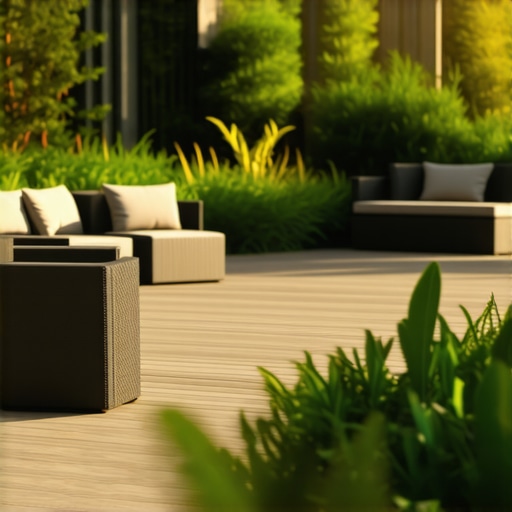
Add a pergola to define your space and provide shade, turning your deck into a garden sanctuary. Construct it using weather-resistant beams, and consider louvered or open designs based on your needs. I opted for a pergola with adjustable slats, letting me control sunlight, which turned my backyard into an outdoor lounge for all seasons. For design inspiration, check out pergola ideas that elevate your outdoor staycation.
Finish with Style and Safety
Apply a protective sealant designed for composite surfaces to preserve color and prevent stains. Install reliable lighting and safety features—like top railing systems—to ensure your space is both appealing and safe. During my project, I installed LED strips along the railing for nighttime ambiance and added non-slip mats in high-traffic areas. Small details make a big difference in creating an inviting, secure environment.
While many homeowners focus on selecting the right materials for their decks and outdoor structures, there’s often a gap in understanding the intricate details that ensure long-term success. One widespread myth is that choosing trendy design elements automatically guarantees durability. In reality, the nuances of material compatibility and environmental considerations can make or break your project. For instance, many assume that all composite decking is equally resistant to warping; however, recent studies highlight how formulations vary significantly in their performance under different climates.
A common mistake is underestimating the importance of proper installation techniques, especially for railing systems. Even premium materials can falter if not installed correctly, leading to safety risks and costly repairs down the line. This is why attention to details such as fastening methods and anchoring points is crucial—something experienced builders prioritize over aesthetics alone.
In the realm of pergolas, a frequently overlooked aspect is the emphasis on open-louvered designs. While they provide excellent light control, neglecting the structural reinforcement needed for larger spans can result in sagging or collapse over time. It’s a misconception that a simple pergola frame suffices; thorough load analysis considering snow and wind loads—according to structural engineering experts—is essential to ensure longevity. Incorporating these factors can significantly enhance both safety and performance.
Many assume that installing a high-end railing system automatically results in lasting safety and style. However, neglecting routine inspections and maintenance can lead to corrosion, especially in coastal environments, despite using stainless steel or composite options. Regular cleaning and timely repairs are vital to preserve both function and appearance. Moreover, some believe that tackling these upgrades themselves suffices, but overlooking specialized fasteners or sealants—recommended by experts—can compromise the entire system.
-smart question for advanced homeowners—
How do environmental factors influence the choice of composite decking formulations and railing materials?
Understanding the complex interaction between climate conditions and material performance elevates your project from ordinary to extraordinary. For example, areas with high humidity or salt exposure require formulations with enhanced UV resistance and minimal porosity, as detailed in [industry research](https://deckforgebuilders.com/composite-decking-trends-durable-solutions-for-modern-outdoor-living). Matching the right materials for your specific environment minimizes maintenance and extends the lifespan of your outdoor structures.
Remember, the devil is in the details. Ignoring these advanced nuances can result in costly surprises and subpar performance years down the line. So, before making your selections, educate yourself on these subtleties or consult with experts who specialize in durable outdoor design. If you want to explore more about combining safety with style, check out [custom railing systems](https://deckforgebuilders.com/transform-your-outdoor-space-custom-railing-systems-for-safety-and-style) or dive into [innovative pergola designs](https://deckforgebuilders.com/pergola-designs-that-turn-your-garden-into-a-sanctuary) for inspired ideas. Have you ever fallen into this trap? Let me know in the comments.When it comes to keeping your pergola, railing systems, and decks in top shape, having the right tools and maintenance routines is essential for long-term success. As outdoor structures are exposed to the elements, they require proactive care to prevent issues like corrosion, warping, or deterioration. Personally, I rely on a combination of specialized equipment and software—particularly digital inspection tools and project management platforms—to streamline maintenance and ensure durability.
One of my go-to tools is a high-quality digital moisture meter. This device helps me identify hidden areas where moisture might seep into materials like composite decking or the joints of railing systems. Regular monitoring with a moisture meter allows for early detection of water ingress, especially in coastal or humid environments, which can significantly extend the lifespan of your investment.
Another essential piece of equipment is a cordless impact driver paired with corrosion-resistant fasteners. Using a trusted impact driver makes assembling and tightening deck and railing components more efficient, reducing the risk of over-tightening or damaging the materials. I prefer impact drivers that support multiple torque settings—this level of control is especially helpful when working with composite materials to prevent cracking.
Beyond physical tools, leveraging project management and inspection software designed specifically for outdoor construction can enhance your maintenance schedule. Apps like iAuditor allow you to create checklists, track recurring tasks, and store photographic records of your structures’ condition over time. This systematic approach ensures that maintenance isn’t neglected and helps in diagnosing issues before they escalate.
Predicting the future, I believe that automation and smart materials will increasingly influence how we care for outdoor structures. Sensors embedded within composite decking or pergolas could provide real-time data on environmental conditions, prompting timely interventions. Combining these with AI-driven maintenance schedules might become standard practice, making upkeep more predictable and less labor-intensive.
For DIY enthusiasts, I recommend starting by integrating a moisture meter into your routine inspections. Schedule quarterly checks, especially before winter and after heavy storms, to catch potential problems early. Additionally, investing in a good impact driver with corrosion-resistant fasteners can make ongoing repairs and adjustments much smoother.
How do I maintain outdoor structures securely without overdoing it?
Regular, targeted inspections and the right set of tools help achieve a balance—ensuring your outdoor space remains safe, functional, and attractive without unnecessary repairs or expenses. Remember, the key is consistency and using specialized equipment to catch issues early. Try incorporating digital inspection tools into your maintenance routine to elevate your outdoor project management. If you’re interested in more advanced strategies, reach out through our contact page or explore our latest insights on composite decking trends.
3 Surprising Lessons That Changed My Deck Building Journey
One of the most valuable insights I gained was realizing that overlooking environmental factors when choosing materials can lead to unexpected failures. For example, I once used a standard composite decking formulation in a coastal area, only to see it warp after a harsh winter. That lightbulb moment taught me to prioritize formulations with enhanced UV and moisture resistance—something I now always verify before making a decision.
Another lesson was understanding the significance of precise installation techniques. Early in my projects, I believed that selecting high-quality materials was enough, but I soon learned that improper fastening or neglecting surface prep could result in wobbly rails or uneven decking. Now, I swear by detailed inspection checklists and quality fasteners, which save me time and money in the long run.
Lastly, I discovered that design isn’t just about aesthetics—it directly impacts safety and durability. I once designed a pergola with open-louvered slats without considering load and weather conditions, which led to sagging over time. Consulting structural guides and understanding load calculations transformed my approach, ensuring every structure can stand the test of time, regardless of the elements.
My Tried-and-True Toolbox for Outdoor Confidence
Over the years, I’ve curated a set of tools that keep my outdoor projects on point. A high-quality digital moisture meter is essential to catch hidden water ingress early—especially important in humid environments. I also rely on a cordless impact driver, paired with corrosion-resistant fasteners, which vastly streamlines assembly and prevents rusting.
Beyond physical tools, digital inspection apps like iAuditor help me track maintenance routines, store condition photos, and schedule preventative checks—making sure every part of my deck remains safe and vibrant over time. These tools aren’t just gadgets; they are game-changers that turn DIY maintenance from a chore into a confident routine.
Looking ahead, I believe that smart sensors integrated into decking and railing systems will revolutionize outdoor upkeep, providing real-time alerts for issues like moisture buildup or structural strain. Staying ahead means embracing technology and continuing education—ultimately, it’s about building outdoor spaces that stand the test of time and inspire pride.
What’s Next for Your Outdoor Oasis?
Now is your chance to take action—your outdoor space can become a sanctuary of durability, style, and safety. By applying these lessons and tools, you’re not just following trends but creating something personalized and lasting. Whether you’re considering a new deck, a stylish pergola, or secure railing systems, remember that the right knowledge turns plans into reality. Ready to start transforming your backyard into a masterpiece? Share your biggest challenge below or ask me anything about making durable outdoor projects thrive.