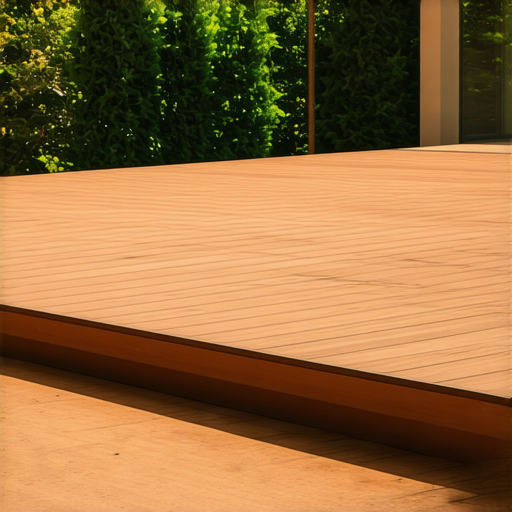
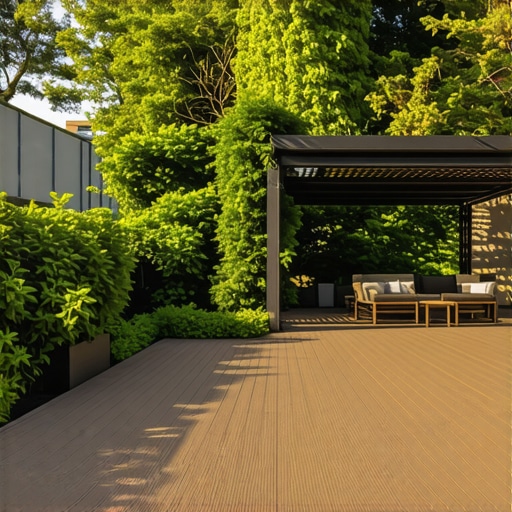
I remember the first summer I installed my dream deck, only to realize that a few seasons later, it looked more like a weathered relic than a backyard oasis. Warped boards, faded colors, and loose railings made me wonder if I had chosen the wrong materials or just plain neglected maintenance. That lightbulb moment taught me the hard way that durability isn’t just about aesthetics—it’s about making smart choices from the start.
Why Choosing the Right Materials and Design Matters More Than Ever in 2024
In recent years, outdoor living has skyrocketed in popularity. But with new materials flooding the market, how do you distinguish durable options from fleeting trends? I’ve learned that making an informed decision today can save you a headache tomorrow. With climate challenges intensifying, especially in areas prone to heavy rain or sun, selecting resilient composite decking and pergola systems isn’t just a fashion statement—it’s a necessity. According to a recent report, the outdoor building market is projected to grow significantly, emphasizing the need for reliable, long-lasting solutions. If you’ve ever faced cracked decking or fading pergolas after just a couple of years, you know exactly what I mean.
Is All the Hype About Modern Decking and Pergola Materials Just Marketing?
Early in my project, I made the mistake of assuming that any composite decking was essentially the same. Turns out, not all composites are created equal. I learned that a poorly chosen material can drastically reduce your deck’s lifespan and increase maintenance costs. Investing in high-quality, durable systems—like those discussed in our comprehensive guides—ensures your outdoor space remains stunning and safe for years to come. Want to explore some innovative options that can elevate your backyard? Check out this article for inspiration.
Prepare Your Site for Long-Lasting Durability
Start by choosing a level, stable foundation. Clear the area of debris and ensure proper drainage to prevent water accumulation, which can weaken materials over time. Use a stake and string to mark the layout, ensuring your deck and pergola placements are precise. Conduct soil tests if necessary to identify any areas prone to shifting or erosion, then level or reinforce as needed. I once skipped this step and ended up with a wobbling deck; the mess was a quick lesson in the importance of proper site prep.
Selecting Materials That Stand Up to Time
Opt for composite decking with high UV resistance and a proven track record for durability. Think of composite decking as the steel beams of outdoor spaces—strong, reliable, and low maintenance. When choosing railing systems, look for aluminum or stainless steel options that resist corrosion, especially in salty or humid environments. I remember installing a railing made of untreated wood, which rotted within two years—an avoidable mistake that taught me to prioritize material toughness from the start. For example, explore latest composite decking trends.
Choosing the Right Fasteners and Connectors
Use corrosion-resistant fasteners like stainless steel or galvanized screws to secure your decking and framing—these are the unsung heroes preventing structural failures. Imagine fasteners as the nails in your shoe; if they rust or loosen, your entire structure is at risk. Remember, the longevity of your outdoor space depends on these tiny but crucial components. During my last project, switching to quality fasteners eliminated squeaks and wobbling, preserving the deck’s integrity for years.
Design Smart for Lasting Strength
Incorporate proper joist spacing—generally 16 inches on center—to support weight and prevent sagging. Reinforce joints with metal brackets or hangers designed for outdoor use—they’re like braces that keep everything aligned. Use careful framing techniques, ensuring clearances for drainage and expansion to avoid cracking. I once ignored these details, resulting in a deck that warped after a few seasons. A simple fix was adding a slight gap between boards, allowing for expansion and contraction without damage. For inspiring ideas, check this article.
Integrate Protective Coatings and Finishes
Apply sealants or stains designed for exterior use to shield your wood and composite surfaces from moisture, UV rays, and mildew. Think of these coatings as sunscreen for your outdoor furniture—necessary for prolonged beauty and strength. Be diligent with reapplication schedules; a neglected finish can lead to peeling or rotting. During a previous project, I learned the hard way that neglecting this step led to a faded, cracked surface, costing me extra time and money. For more advice, visit our guide to composite decking and pergola tips.
Construct with Precision and Care
Use level and square tools to ensure every beam and board aligns perfectly—accuracy here determines the overall strength. Secure components tightly but avoid overtightening, which can cause cracking or warping. Pay attention to weather conditions; avoid construction in extreme heat or rain to prevent material warping during installation. I once attempted to build on a humid day and ended up redoing some joints—proof that patience and proper timing matter. For comprehensive design ideas, explore top deck design ideas for 2024.
Many homeowners and DIY enthusiasts believe that choosing trendy materials or following popular design tips guarantees long-lasting outdoor spaces. However, this misconception can lead to costly mistakes and disappointment. A widespread myth is that all composite decking is inherently durable; in reality, quality varies significantly, and some inferior options may warp or fade within a few years. As referenced in a recent industry analysis, selecting high-grade materials with proven UV resistance and manufacturer warranties is crucial for durability, especially in harsher climates.
Are There Hidden Traps Even Experts Sometimes Miss?
One often overlooked nuance is the importance of proper installation techniques for pergolas and deck systems. Even premium materials can underperform if installed without attention to alignment, drainage, or native soil conditions. For example, neglecting to incorporate adequate drainage gaps can cause water accumulation, accelerating rot or corrosion. An advanced mistake many make involves ignoring load calculations for structural components; overloading a pergola or deck without reinforcement can lead to catastrophic failure. For those seeking to elevate their projects, exploring innovative design ideas can be beneficial; check these ideas to make your outdoor space stand out.
How Do Railing Systems Impact Long-Term Safety and Style?
Railing systems are often viewed as mere aesthetic additions, but their technical specifications are vital for safety. Many assume that standard fasteners suffice; however, without corrosion-resistant fasteners like stainless steel, railings can corrode and loosen over time. Additionally, improper height or spacing can violate safety codes and increase liability. Advanced users understand that integrating customizable railing systems not only enhances safety but also complements overall design—exploring this guide can help you select the best options. Remember, overlooking these details could compromise your outdoor oasis’s integrity, especially in salty or humid environments.
Ultimately, avoiding common pitfalls involves more than selecting good materials; it’s about understanding the nuances of design, installation, and long-term maintenance. Have you ever fallen into this trap? Let me know in the comments.
Keep It Working: Essential Tools and Methods for Longevity
To ensure your outdoor structures remain safe and stunning, using the right tools and techniques is crucial. I personally rely on a high-quality cordless drill with multiple torque settings, which makes assembling and tightening components effortless without overdriving fasteners that could damage composite materials. A digital moisture meter is indispensable for checking wood or framing in humid climates; it helps prevent rot by indicating moisture levels before sealing or finishing a surface. For cleaning, I swear by a power washer with adjustable pressure settings—setting it around 1500 psi prevents etching or splintering of composite decking and railings, while effectively removing dirt and algae buildup. Regular inspections with a good flashlight (preferably LED with a focused beam) help me spot early signs of wear, like loose fasteners or chipped finishes, before they escalate.
In terms of maintenance, applying protective coatings annually extends the life of your deck and pergola. I recommend using a penetrating silicone-based sealant for wood components, which maintains flexibility and prevents cracking, especially important as climate patterns shift. For durable railings, a corrosion-resistant coating combined with routine tightening of fasteners prevents loosening and rusting—many overlook this, but it critically impacts safety and appearance over time.
How do I maintain my composite decking and railing systems over time?
Maintain your composite decking by sweeping regularly and cleaning with a gentle soap solution or specialized composite deck cleaner. Avoid abrasive tools that can scratch the surface; instead, opt for soft-bristle brushes or microfiber cloths. When rebuilding or expanding your deck, precise measurements and high-quality connectors—such as stainless steel fasteners—are vital. An advanced tip I follow is to periodically inspect for and re-tighten loose fasteners, especially after severe weather events, as vibrations and temperature shifts can loosen them over the years. Upgrading to modular railing systems with integrated clamps simplifies ongoing maintenance and adds to safety, ensuring your outdoor space remains both beautiful and secure. For more detailed guidance, check out our article on best practices in composite decking maintenance.
Predictably, as materials and fastening technologies evolve, I expect a trend toward smart maintenance systems—like corrosion-detecting sensors embedded in critical joints—that could alert you to issues long before visual cues appear. Embracing these innovations now can save significant time and money down the line.
In the meantime, I encourage you to experiment with sealing your wood components using advanced, UV-resistant finishes. This small investment in maintenance can dramatically improve long-term results, especially in challenging weather. For a practical starting point, try applying a high-quality sealant this spring and observe how easily your surface withstands the season’s elements.
The Hardest Lesson I Learned About Pergolas and Deck Longevity
One of the most unexpected challenges I faced was neglecting proper soil testing before installing my deck, which led to uneven settling and costly repairs. It taught me that understanding your site’s unique conditions is vital for long-term durability.
My Eye-Opening Discovery About Material Choices
Initially, I believed that all composite decking was equally durable, but I soon realized that quality varies dramatically. Investing in high-grade materials with UV resistance and good warranties pays off over time, saving you money and headaches.
Why Proper Installation Can Make or Break Your Outdoor Space
Skipping detailed framing inspections resulted in a wobbling deck, despite using premium materials. Accurate measurements, level framing, and quality fasteners are the backbone of a safe, lasting outdoor area.
Curious About Tools that Extend Your Deck’s Lifespan? Here’s What Works for Me
I rely on a moisture meter to catch hidden water problems early and a power washer set at low pressure to keep surfaces clean without damage. Routine inspections and timely reapplications of sealants or finishes are essential for long-term beauty and strength.
Curated Resources to Guide Your Outdoor Projects
For comprehensive guidance, I recommend exploring this expert article on composite decking and pergolas, which has been invaluable in my DIY journey. The latest design trends offer fresh inspiration; finally, consulting trusted local suppliers ensures you get high-quality materials suited for your environment.
Your Next Step in Creating Outdoor Confidence
Embrace the process, invest in quality, and stay proactive with maintenance. Your outdoor space can become a true sanctuary when built with knowledge and care—so get started today! What’s the first project aspect you plan to tackle? Share your plans or questions below to keep the momentum going.