
I’ll never forget the moment I stepped onto my freshly stained deck last spring, only to find the color already fading and the wood looking dull. It was a frustrating wake-up call—my new stain wasn’t going to last even a full year, let alone three. Like many homeowners, I had fallen prey to slick marketing promises, assuming that all deck stains are created equal. Spoiler: They’re not. That lightbulb moment made me realize how important it truly is to select a stain that endures beyond the quick fade.
Why Picking the Right Deck Stain Matters More Than You Think
Choosing the correct stain isn’t just about aesthetics; it’s about protecting your investment and ensuring your outdoor space remains inviting year after year. A good stain shields your deck from weather-related wear—think UV rays, moisture, and temperature fluctuations—which, if neglected, can lead to rot, warping, and even structural failure. Yet, with so many options on the market, it’s easy to get overwhelmed, often leading to costly mistakes. I learned this early on when I used a popular, cheap stain without considering its durability. It looked fine at first but started peeling within a year, forcing me to redo the entire project. That costly lesson pushed me to dig deeper and find the secrets behind a lasting stain.
Is All the Hype About Long-Lasting Deck Stains Just Marketing?
Honestly, I was skeptical at first. I thought the differences might be marginal until I discovered a fact that blew my mind: Some high-quality stains can actually last up to five years with proper application, saving you money and effort in the long run (source). Early mistakes, like skipping surface preparation or choosing a low-quality product, drastically reduced the lifespan of my initial stain job. Now I know that, much like with any maintenance decision, knowledge is power—especially when it involves protecting and beautifying your outdoor oasis.
If you’ve ever felt that sting of a stain that just doesn’t stand the test of time, you’re not alone. In the following sections, I’ll walk you through practical, proven strategies to select a deck stain that delivers what it promises—lasting, vibrant protection for at least three years. Ready to give your deck the love it deserves? Let’s get started!
Prepare Your Surface Meticulously
Before applying any stain, I dragged a leaf blower across my deck to remove loose debris, then swept thoroughly with a stiff broom. Next, I used a garden hose to wet the surface, letting it dry completely. This mimics the surface preparation crucial for a lasting finish. Skipping this step can trap dirt or moisture underneath, causing peeling or mold. I learned this firsthand when a rushed cleanup led to peeling within months, prompting me to redo the entire deck. Proper prep ensures the stain bonds well and endures longer.
Choose the Right Stain for Longevity
Not all stains are created equal. I selected a high-quality penetrating stain with UV inhibitors after reviewing product ratings and longevity data. To decide, I checked the specifications and customer feedback—opt for brands emphasizing durability over flashiness. Remember, a cheaper product might save money upfront but require reapplication in a year. In my case, investing in the right stain minimized maintenance and kept my deck vibrant for years. For modern decks, consider materials like composite decking, which pair well with specialized stains for added protection and minimal upkeep (see trends).
Apply an Invested Primer
If your deck’s surface is uneven or has old, peeling stain, applying a primer can help. I used a wood prep solution to etch the surface and ensure a smooth, absorbent base. This step is vital for boards with previous treatments; otherwise, the new stain may not adhere properly, leading to early peeling. Think of it as priming a wall before painting—skipping it results in uneven coverage and reduced lifespan.
Stain Technique: Consistency is Key
Using a high-quality brush and roller, I started at one edge of a board, worked in straight lines, and maintained a wet edge to avoid lap marks. I kept a 3-inch margin at board ends for extra protection against water ingress. During application, I brushed in the direction of the grain, avoiding over-application that can lead to drips. Once dried, I lightly sanded rough patches and applied a second coat for enhanced durability. The difference? My deck’s color remained vibrant and intact through two seasons of weather.
Maintain and Reapply When Needed
Even the best stain eventually wears out. I scheduled a yearly inspection, checking for fading, peeling, or gray patina. For touch-ups, I cleaned the affected areas thoroughly and applied a fresh coat following the original method. A trick I learned was to test water absorption on the surface; if water beads, the stain is still effective. Proactive maintenance extends your deck’s life and saves you from costly repairs in the future.
Protect Your Deck Post-Application
After staining, I avoided heavy foot traffic for a couple of days. I also installed protective pads on furniture legs and encouraged friends to stay off the surface during curing. Sealing the deck with a clear water-repellent sealer annually adds an extra layer of defense. These small steps proved invaluable, preventing premature wear and keeping my deck looking fresh year-round.
Remember, proper surface prep, selecting the right product, applying techniques meticulously, and regular maintenance are the foundations of a deck that lasts. For tailored advice or project support, you can contact experts at Deck Forge Builders. Investing effort now saves happiness and money in the long run.
Many homeowners believe that choosing railing systems, pergolas, or composite decking is straightforward, but in reality, there are nuanced pitfalls that can undermine your outdoor project’s longevity and style. First, there’s a widespread myth that all railing materials offer the same durability. In fact, not all options—whether wood, vinyl, or metal—stand up equally to weather or require similar maintenance. For example, many assume aluminum railings are maintenance-free, but without proper installation and regular checks, they can rattle or develop rust, especially in high-wind areas. Delving into expert advice reveals that choosing the right railing involves understanding not just style but also how different materials perform over time, and this can dramatically affect safety and longevity.
Another common mistake revolves around pergola design, where homeowners focus solely on aesthetics without considering structural integrity. An elegant pergola can become a safety hazard if not properly anchored or if the posts are spaced incorrectly, leading to sway or collapse. Advanced builders recommend paying close attention to the load-bearing capabilities and integrating bracing techniques—like diagonal supports—to prevent sway, which is especially vital in areas prone to high winds. For sophisticated projects, consulting resources such as pergola design guides can ensure your structure balances beauty with safety.
When it comes to composite decking, many believe it’s virtually maintenance-free. However, a hidden nuance lies in understanding expansion and contraction behaviors. Unlike wood, composite boards expand with heat and moisture, which if unaccounted for, can cause buckling or unsightly gaps. An advanced mistake is installing decks without proper spacing—usually recommended at 1/4 to 1/2 inch—to accommodate these movements. Experts stress that neglecting this detail can lead to costly repairs and shortened lifespan. Furthermore, selecting a high-quality composite material, such as solid-core boards, ensures better resistance to weathering and less noise when walked upon, as outlined in the composite decking longevity article.
Questions often arise about integrating these elements into cohesive backyard designs. For instance, “How do I balance aesthetic appeal with durability in my outdoor space?” The key lies in thoughtful planning—matching materials and styles with your local climate and usage patterns. Advanced homeowners prioritize not just immediate visual impact but also long-term performance, which involves understanding the intricacies of material interactions, structural requirements, and environmental challenges.
To avoid these common pitfalls, always seek detailed guidance and consider professional consultation when designing or renovating your deck area. For expert support tailored to your needs, you can reach out through our contact page. Remember, paying attention to these nuanced details now saves you frustration and expense later. Have you ever fallen into this trap? Let me know in the comments.
Maintain Like a Pro: Essential Tools for Deck and Pergola Care
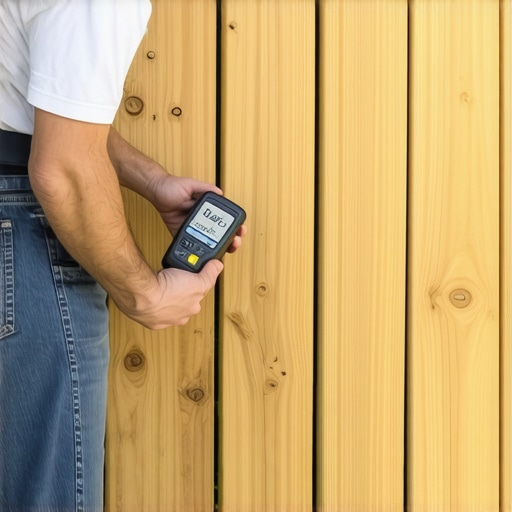
When it comes to ensuring your outdoor structures stay durable and attractive, investing in the right tools makes all the difference. I personally recommend a combination of precision and durability in my toolkit—it’s the secret to long-term success. For instance, a high-quality cordless drill with variable speed settings allows me to secure fasteners properly without damaging the materials. I also keep a digital moisture meter handy; controlling moisture levels in wood and composite materials is critical to prevent rot and warping over the years. An underrated but invaluable tool is a paint thickness gauge—here’s why: it helps me monitor the evenness of stain and sealant layers, ensuring optimal protection and appearance.
Why Proper Surface Preparation Requires the Right Equipment
Before applying any protective finishes, thorough surface prep is non-negotiable. I use a power washer with adjustable pressure settings—settings around 1500 psi are perfect for cleaning decks without damaging the wood. A stiff-bristled brush attachment is also essential for stubborn grime. For decks with existing peeling stain, I rely on a sander with a dust collection system to roughen the surface for better adhesion. Using the right gear here prevents premature failure of coatings and extends their lifespan. These tools save me time and reduce frustration, making maintenance more manageable over decades.
Anticipating Future Needs with Advanced Equipment
Looking ahead, I predict that automation will become more embedded in outdoor maintenance routines. Smart moisture sensors connected via apps can continuously monitor your deck’s condition, alerting you when it’s time to reseal or clean. Additionally, powered curing lamps, which emit controlled heat, will become standard for quick-drying sealants—cutting down wait times significantly. For those eager to stay ahead, trying out a digital moisture meter or even a smart deck camera for periodic inspections might be your best move. Upgrading your toolkit now pays off by reducing long-term repair costs and ensuring your outdoor spaces remain a sanctuary for years to come.
How do I maintain my railing systems and pergolas over time?
To keep your railing systems and pergolas in top shape, regular inspections are key. I inspect fasteners and joints annually, tightening or replacing components as needed. Applying a protective coating of paint or sealant every few years helps prevent rust and wood decay, especially if you live in a region with high humidity or salt exposure—as detailed at this resource. Additionally, using specialized tools like rust removers and wire brushes during maintenance ensures thorough cleaning without damaging the material. Don’t forget to check the structural integrity of support posts and anchoring points: a sturdy foundation safeguards all the decorative elements above. Staying vigilant with your tools and inspection routine guarantees your outdoor structures stay safe and attractive for many seasons to come.
By equipping yourself with the right tools and techniques, you’re actively extending the lifespan of your decks, pergolas, and railing systems. I encourage you to try out a digital moisture meter or consider investing in a power sander with dust collection to see immediate improvements in your maintenance routine. Remember: proactive upkeep with quality equipment makes every project—big or small—more straightforward and rewarding.
What the Pros Don’t Tell You About Deck Longevity
- My biggest eye-opener was realizing that surface prep isn’t just a step—it’s the foundation of a lasting stain. Skipping the thorough cleaning and sanding led to early peeling, teaching me that patience with prep saves headaches later.
- Investing in high-quality stain materials with UV inhibitors might seem pricey upfront, but I learned that it pays for itself by dramatically extending the lifespan of your deck’s vibrancy and protection.
- Applying a primer before staining a worn or uneven surface made all the difference. This hidden step enhanced adhesion and prevented peeling—less frustration, more durable results.
- Regular maintenance, like yearly water absorption tests and prompt touch-ups, keeps my deck looking fresh and prevents costly repairs—it’s a small effort with big rewards.
- Protection doesn’t end after staining. Simple actions like adding furniture pads and limiting foot traffic during curing can prolong your deck’s beauty and structural integrity.
My Arsenal for Deck & Pergola Success
- Moisture Meter: I trust this tool for pinpointing hidden rot or moisture issues before they escalate, saving me money and preventing surprises.
- Power Sander with Dust Collection: It speeds up surface prep and leaves a smooth finish, making staining easier and more even.
- Quality Brushes and Rollers: Investing in these ensures even application and reduces streaks, resulting in a professional look and longer-lasting protection.
- Weatherproof Sealants: Docs recommend high-quality sealants that resist mold and UV damage—I’ve seen the difference in how long my deck stays vibrant.
Keep Building Your Dream Space!
Every project brings new lessons and opportunities to refine your skills. With knowledge and the right tools, your outdoor space can become a stunning, durable haven for years to come. Don’t hesitate to innovate and personalize—your perfect deck is within reach! If you’re ready to elevate your backyard, explore modern designs at this inspiring collection. What’s the next upgrade you’re excited about for your outdoor space? Share your ideas below, and let’s make your vision a reality.