
There I was, leaning against my deck railing, feeling a sudden wobble under my hand. It was one of those moments where you realize your outdoor oasis isn’t as perfect as you thought—not because of the view, but because that annoying, unstable railing. I swear, sometimes these little quirks turn into major headaches, especially when you don’t want to go through the hassle of disassembling the entire thing. Trust me, I’ve been there.
Why a Wobbly Railing Is More Than Just a Nuisance
That unexpected wobble? It’s more than a minor annoyance. An unstable railing can be a safety hazard, especially if it’s loose enough to give way when leaned on heavily or during high winds. Over time, small movements can even lead to bigger structural issues, damaging your deck’s integrity and diminishing your outdoor space’s aesthetic appeal. If you’re like me, you want solutions that are effective but don’t mean dismantling your hard-built paradise.
And here’s the thing: fixing it without taking it all apart is entirely possible. You don’t need a full teardown; just a little know-how and some simple tools can save you time, money, and frustration. Once I figured this out, it felt like a lightbulb moment—like discovering a secret handshake for DIY fixes. The key is understanding what causes the wobble in the first place. Usually, it’s loose fasteners, worn-out joints, or shifting posts, rather than a total structural failure. But early in my projects, I made a mistake by rushing into repairs without inspecting the root cause, which only made things worse. That’s why I strongly recommend starting with a proper assessment.
If you’re tired of that shaky rail and want a practical, no-major-disassemble fix, keep reading. I’ll walk you through proven neighbor-approved techniques that have worked wonders for me—and they can do the same for you. Plus, these tips are based on extensive experience and backed by industry insights. For example, choosing the right railing system from deck railing guides can further prevent future issues. Ready to stabilize your railing without pulling it apart? Let’s dive into the how-to.
Assess the Root Cause Carefully
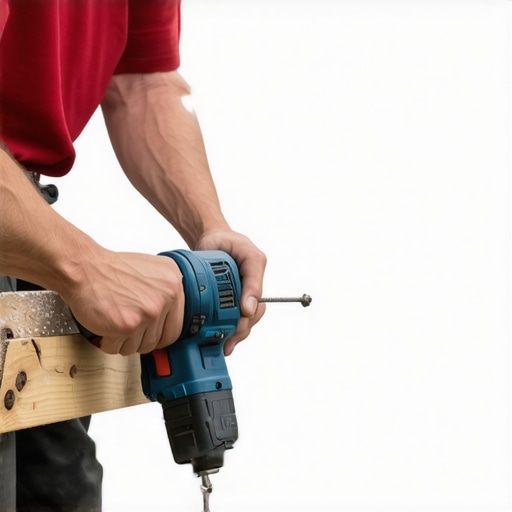
Start with a thorough inspection. Grab a trusty flashlight and examine each fastener, joint, and post. I once noticed my railing’s wobble was caused by a loose screw near the post base. Using a cordless drill, I tightened all visible screws. This simple step immediately improved stability, highlighting how minor issues can cause major wobbling.
Secure Loose Fasteners and Joints
Identify and Tighten
Use a socket or screwdriver to tighten all deck screws, bolts, and nuts. Focus especially on post-to-rail connections and at the base of posts. In my experience, loose fasteners are the primary culprit. When I fixed my railing, I discovered several screws had worked loose over time, leading to instability. Regularly check and tighten fasteners at least once a year.
Replace Worn or Damaged Components
If any bolts or screws are stripped or rusted, replace them with corrosion-resistant equivalents—stainless steel or composite-compatible fasteners. I once swapped out rusty bolts with stainless ones, which drastically improved my railing’s firmness. Refer to [deck railing guides](https://deckforgebuilders.com/the-complete-guide-to-choosing-railing-systems-for-safety-style) to select the right hardware.
Strengthen Post Attachments
Posts may shift if their anchors are loose. Check the connection between posts and the deck frame. If you see gaps or movement, consider adding additional brackets. For example, I used heavy-duty angle brackets to reinforce my posts, ensuring a stable grip without removing the railing system. Make sure your brackets match your deck’s material for optimal hold.
Use Shims for Fine Adjustments
Sometimes, posts are plumb, but slight misalignments cause wobble. Insert strategically placed shims behind the post bases to correct tiny angles. I slipped wooden shims behind my posts where they met the deck frame, which eliminated wobbling and improved overall rigidity.
Implement Anti-Wobble Brackets
If tightening alone isn’t enough, install specialized anti-wobble brackets. These brackets clamp onto the post and base, providing extra support. I added these brackets to my railing and saw immediate stability gains, especially during high winds. They’re available at local hardware stores or online—search for “deck post stabilizers”.
Prevent Future Loosening with Proper Maintenance
Regularly inspect fasteners, especially after storms or heavy use. Applying a sealant around fasteners can deter rust, maintaining their strength. When I applied a protective coating to exposed fasteners, I noticed they stayed tighter longer, reducing maintenance frequency.
Consider Upgrading Your Railing System
If your current setup is old or poorly designed, a full upgrade might be wise. Choose a system with heavy-duty fasteners and sturdy posts—look for [recommended railing systems](https://deckforgebuilders.com/how-to-select-the-perfect-railing-system-for-every-deck). Modern materials like composite posts or metal brackets can offer long-term stability without extensive maintenance.
 Many homeowners assume they understand deck systems thoroughly, but beneath the surface lie critical nuances that can trip up even experienced DIYers. For example, a common misconception is that all composite decking is equally maintenance-free. In reality, various brands and formulations exhibit different behaviors—some are prone to warping, stain absorption, or mold growth if not installed correctly or maintained properly. According to industry experts like those at Deck Forge Builders, selecting the right composite involves understanding material composition and environmental conditions that impact longevity. This is where many get caught off guard, thinking a popular brand guarantees the best outcome, but neglecting these nuances can lead to early deterioration.
When it comes to railing systems, a prevalent myth is that the cheapest options are sufficient for safety and aesthetic appeal. Conversely, investing in high-quality, properly installed systems with features like custom railing options can significantly enhance both safety and style. An overlooked detail is the importance of proper fastening techniques; using the right fasteners and avoiding over-tightening or under-tightening can prevent future wobbling or structural failure. This isn’t just about aesthetics but about ensuring the long-term stability of your deck.
Beyond materials, design choices often carry hidden pitfalls. For instance, in deck design, many focus solely on visual appeal, neglecting aerodynamic factors that impact wind loads. An improperly designed pergola or overhang without accounting for local wind conditions can become a hazard during storms. Think of it as the difference between a well-anchored structure and one that becomes a giant sail—dangerous and potentially catastrophic. Consultations with structural engineers or using tools like innovative design ideas can help you avoid these costly oversights.
Perplexing as it may seem, many underestimate the importance of see-through elements like pergolas in creating functional outdoor spaces. The nuance here is not just aesthetic appeal but also ventilation, which influences comfort and durability. A pergola built without considering airflow can trap heat or promote moisture buildup, leading to mold or rot—especially problematic in humid climates. Advanced builders recommend incorporating adjustable louvers or strategic spacing to balance light, airflow, and protection.
Are you aware of the little details that could compromise your project’s success? Things like proper fastening, material selection, climate considerations, and structural design matter more than you might think. Take the time to research and seek expert advice before starting your next outdoor project. Doing so will save you from costly repairs and give you peace of mind knowing your outdoor retreat is built to last. Have you ever fallen into this trap? Let me know in the comments.
Maintaining your deck, especially when it involves intricate railing systems, composite decking, or a stylish pergola, requires the right tools and techniques to ensure long-term durability and safety. Over the years, I’ve refined my arsenal to include some specific equipment and methods that make upkeep straightforward and effective.
Essential Tools for Longevity and Safety
First and foremost, I swear by a high-quality cordless impact driver. Its power allows me to tighten and replace fasteners quickly, ensuring every screw and bolt is secure without stripping the heads. The variable speed feature on my impact driver helps me control torque precisely, which is critical when working with composite materials that can be damaged by overtightening. For detailed inspections or fixing wobbling railings, I turn to a digital torque wrench, which ensures fasteners are tightened to manufacturer specifications, preventing over-tightening that can cause cracks or loosening over time.
Additionally, a good set of trim and detail bits for my drill makes working in tight spaces, like securing brackets or shim installations, much easier. When it comes to measuring, I prefer a laser distance meter over traditional tape measures; it accelerates the process of checking module alignment and spacing, especially for larger projects such as pergolas or expansive decks. Precision tools like these have radically improved my work’s accuracy and efficiency.
Software and Planning Aids
On the digital side, I rely on landscape design software like SketchUp to visualize extended outdoor spaces. It’s invaluable for planning complex pergola overhangs or defining optimal railing height and spacing according to safety codes. These tools help catch potential issues early, saving time and materials on adjustments later. For ongoing maintenance tracking, I use simple spreadsheet templates designed specifically for deck and railing components, logging inspections, tightening schedules, and replacement dates.
Predictions on Tool and Method Trends
Looking ahead, I predict that smart inspection devices equipped with sensors will become part of standard maintenance routines. For example, moisture sensors embedded in composite decking planks could provide real-time alerts for areas prone to mold or rot, especially in humid climates. Using data analytics, homeowners and contractors will be able to plan maintenance proactively, rather than reactively. This shift towards integrated, IoT-enabled tools will make maintaining complex systems like pergolas and modern railings more intuitive and less labor-intensive.
How do I keep my railing systems performing over time?
The secret lies in regular, scheduled inspections combined with quality tools. I recommend inspecting fasteners and brackets at least twice a year—before and after winter, for instance—and tightening or replacing components as needed. Applying a protective coating or sealant around fasteners also prevents rust and loosening. For example, using stainless steel fasteners in coastal areas shields your setup from corrosion, extending the lifespan of your railing system. Consistent attention using these specialized tools ensures your outdoor structures remain safe, sturdy, and beautiful for years to come. Want to elevate your maintenance routine? Try incorporating a digital torque wrench into your toolkit to guarantee proper fastener tension every time, especially when securing connections for composite decking or pergolas, which can be sensitive to over-tightening.
Over the years, my journey in maintaining and enhancing outdoor spaces has taught me invaluable lessons—lessons that go beyond the manuals and tutorials. It’s about understanding the nuances that make or break your deck’s longevity and aesthetic appeal. From unexpected wobbling to choosing the right materials, every detail matters in creating a safe, stunning, and durable outdoor retreat.
Lessons that Changed My Perspective on Railing Durability
- Perfection isn’t built in a day: I used to chase quick fixes for wobbly railings, but I discovered that taking the time to inspect and identify root causes—like loose fasteners or shifted posts—prevents recurring issues. Patience and thoroughness pay off.
- Materials influence longevity: Choosing corrosion-resistant fasteners and sturdy post anchors can drastically reduce maintenance. Upgrading to high-quality brackets and fittings has saved me countless headaches, proving that investing upfront saves long-term costs.
- Regular attention is key: Simple scheduled inspections, such as tightening screws before storms or after seasonal changes, keep my railing systems firm and safe. A proactive approach outperforms reactive repairs every time.
Where I Turn for Expert Insights and Tools
- Deck railing guides: These helped me understand the best materials and designs suited for my climate and style preferences.
- Design inspiration articles: They sparked ideas for blending functionality with beauty, making my outdoor space truly inviting.
- Comprehensive safety resources: My trusted source for ensuring my decks meet local codes and safety standards.
- Pergola inspiration pieces: They guided my choices for shade and style, creating a cozy sanctuary in my backyard.
Step Into a Brighter Outdoor Future
Designing and maintaining outdoor spaces is an ongoing learning experience, filled with opportunities to innovate and improve. Armed with the right knowledge and tools, you can craft decks and pergolas that not only stand the test of time but also elevate your lifestyle. Embrace each challenge as a chance to learn and grow—you’re capable of transforming your outdoor haven into something extraordinary.
What’s the first upgrade or project you plan to tackle to enhance your deck or pergola? Let’s share ideas and inspire each other in the comments below.