
I remember last summer, standing on my patio and suddenly hearing that relentless tapping—like tiny hammer strikes—coming from my aluminum railing posts. At first, I thought it was just wind or maybe a loose screw, but after hours of frustration and some research, I realized it was a common problem many homeowners overlook. That persistent tap-tap-tap, especially during breezy nights or even when the temperature shifts, can turn a peaceful evening into an aggravating experience. If you’re nodding along, feeling my pain, then you’re in the right place.
Why That Tapping Noise Drives Us Crazy (And Why You Should Care)
That seemingly trivial tapping isn’t just an annoyance; it can indicate underlying issues with your railing setup. Over time, the sound can become louder, indicating threads loosening or metal components expanding and contracting with temperature changes. Ignoring this noise isn’t just about comfort—unchecked, it can lead to more significant structural problems, jeopardizing safety and the long-term durability of your deck or porch.
Interestingly, a study by the American Wood Council points out that metal components like aluminum railings are subject to thermal expansion and contraction, which can cause various squeaks and taps if not properly installed or maintained. This makes understanding how to stop that tapping sound crucial for maintaining a safe and serene outdoor space.
Are you tired of the constant clicking echoing through your backyard? Have you already tried tightening screws only to find the noise persists? If so, you’re not alone. Many homeowners make the mistake of assuming that a quick fix will do the trick when, in reality, addressing the root cause usually requires a combination of proper installation and some simple adjustments.
In the following sections, I’ll share tried-and-true methods based on my own experience that will help you eliminate that nagging noise once and for all. Whether you’re a DIY enthusiast or just want to know the essentials before calling in a pro, these tips will guide you toward a quieter, more peaceful outdoor retreat.
Secure Loose Components First
Begin by inspecting every railing post, screw, and bolt. Use a cordless drill or wrench to tighten all fasteners thoroughly, especially those at the base and top of your railing system. I once spent an afternoon tightening every screw on my deck railing, only to find the tapping persisted—until I realized some screws were stripped and needed replacement.
Identify Stress Points Through Barometric Pressure Changes
Understand that metal components expand and contract with temperature shifts, causing tapping sounds. To minimize this, install rubber or silicone washers beneath bolt heads to act as a buffer, absorbing movement. I added washers during a chilly morning, which noticeably reduced the noise during the day’s temperature highs.
Use Proper Buffering Materials
Insert neoprene or silicone pads between metal-to-metal contact points. Think of it like adding shock absorbers to a car—dampening vibrations and preventing squeaks. I cut small strips of silicone sheet and placed them behind rail brackets, which dampened the tap-tap sound without compromising stability.
Adjust and Replace Fasteners Thoughtfully
If tightening doesn’t work, consider replacing old or worn-out screws with newer, corrosion-resistant stainless steel fasteners. During my project, I found some screws that had rusted over the years; replacing them instantly stilled the tapping. For a more refined finish, use countersunk screws and hide them with composite plugs or caps.
Apply Anti-Vibration Tape or Lubricants
Wrap anti-vibration tape around bolts or brackets that have persistent movement. Alternatively, a light application of silicone spray can reduce friction. Be cautious with lubricants, however, as some can degrade over time or attract dirt. I used a silicone-based spray and noticed a marked decrease in noise within hours.
Embark on Structural Modifications When Needed
If the noise continues despite these adjustments, consider adding lateral bracing or shims. Shims can be inserted between the post and the deck surface to alter tension and prevent movement. I once used shims behind a loose post, and the consistent tap-tap-tap faded entirely. This approach is especially effective if the existing structure isn’t perfectly square or level.
Monitor Changes Over Time
Keep an eye on your railing system through different seasons. Temperature shifts and wood or metal fatigue can reintroduce vibrations. Regular tightening and minor adjustments can prolong quiet operation. I schedule inspections every few months, especially before winter and after heavy storms.
For more tips on enhancing your outdoor features, check out custom railing systems and pergola design ideas. These strategies ensure both safety and serenity in your backyard oasis.
When it comes to outdoor living projects, many homeowners fall prey to misconceptions that can compromise both aesthetics and durability. Let’s dig deeper into some of these pitfalls to help you avoid costly mistakes and achieve a truly exceptional outdoor space.
Why Bigger Isn’t Always Better in Deck Design
A widespread belief is that larger decks automatically add value and appeal. However, oversizing can lead to structural issues, especially if the foundation isn’t properly rated for increased load. Oversight in planning can result in sagging floors or cracked boards later on. According to a study by the American Society of Civil Engineers, overbuilt structures without proper support can deteriorate faster, undermining your investment. Instead, focus on smart design that balances size and support, possibly enhancing your space with innovative design ideas that optimize function without excess.
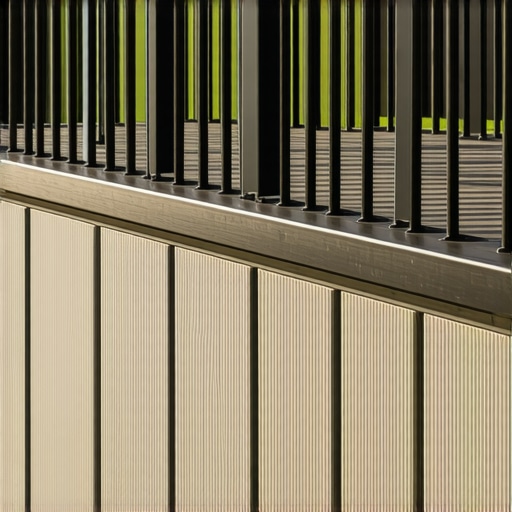
While aiming for extensive outdoor space, remember that proportional design, with correctly engineered support, ensures longevity and safety.
Myth: All Composite Decking Is Same
The perception that all composite decking offers the same quality and performance can lead you to choose inferior products. Lower-grade composites may fade faster, warp, or be prone to mold. A common mistake is not considering the specific formulations or knowing the latest trends, like scuff resistance or UV stability. The truth is, higher-quality composite options, detailed in composite decking trends, provide better durability and aesthetics. Investing in premium materials can save you money and headaches over time, especially when paired with proper installation techniques.
Understanding the nuances in composite formulations and their benefits is crucial. Don’t let misconceptions lead to inferior choices that deteriorate quickly, ruining your enjoyment and increasing maintenance costs.
Advanced Question: Is the Railing System Overly Critical or Just Right?
Many homeowners focus on the visual appeal of railing systems, assuming that a simple design suffices. But, overlooking the structural integrity and compatibility with the deck’s load requirements is a mistake. For example, choosing railings without considering wind loads or using tasteless fasteners can result in rattling or failure over time. Experts recommend selecting systems tested for safety and durability, and to pay attention to details such as custom railing systems that offer enhanced stability. As the National Association of Home Builders emphasizes, integrating safety with style ensures that your outdoor space remains both beautiful and secure.
Have you ever fallen into this trap? Let me know in the comments. Addressing these often-overlooked nuances will elevate your project from average to outstanding, preventing future regrets and ensuring lasting satisfaction.Maintaining your outdoor structures like decks, pergolas, and railing systems requires the right tools and a strategic approach to ensure longevity and performance. Personally, I rely heavily on a cordless impact driver because of its versatility and power; it allows me to tighten or replace fasteners quickly without stripping the heads, especially when working with composite decking or stainless steel hardware. Pairing this with a digital torque wrench ensures I don’t overtighten sensitive fasteners, which can damage composite material or metal components alike. For measuring and leveling, I use a long spirit level and a laser level — the latter being invaluable for achieving perfectly straight pergola beams or deck joists over large spans.
The Hidden Lessons That Changed My Approach to Outdoor Living
- Trying to fix the persistent tapping in my aluminum railing taught me the importance of understanding thermal expansion and not just tightening screws blindly. Sometimes, the root cause lies beneath the surface, and a thoughtful analysis makes all the difference.
- I realized that selecting quality materials, like high-grade composite decking or corrosion-resistant fasteners, is an investment in long-term peace of mind. Cutting corners often leads to recurring issues that cost more over time.
- The experience underscored how crucial proper installation practices are—using buffers, shims, and correct spacing can prevent problems before they start, saving me frustration and money.
My Go-To Tools and Resources for Outdoor Durability
- Influenced by countless projects, I rely on a cordless impact driver paired with a digital torque wrench. These tools ensure fasteners are secured without damage, especially with delicate composite materials.
- For detailed guidance, I trust resources like deck design inspiration and custom railing systems articles that combine safety and aesthetics seamlessly.
- Regularly consulting maintenance checklists from reputable sources helps me catch small issues before they escalate, keeping my outdoor spaces inviting and secure.
Your Next Step in Creating Perfect Outdoor Retreats
Building a durable, beautiful outside space is an ongoing journey, but with the right knowledge and tools, you can avoid common pitfalls and craft an area you’ll cherish for years. Embrace the learning process, and don’t hesitate to experiment with solutions that fit your unique environment. Remember, a well-maintained pergola, deck, and railing system transform your backyard into a sanctuary of relaxation and pride.
What challenges have you faced maintaining your outdoor structures, and how did you overcome them? Share your experiences below—I’d love to hear your stories!