
It was a sunny Saturday afternoon when I finally finished installing my new deck. I stepped back, admiring the sleek lines and modern look. But then, my gaze fell to the ends of those hollow composite boards—those rough, unsightly gaps and raw edges that screamed, “I wasn’t finished!” I had overlooked one crucial detail, and now, every guest who visited noticed it. That lightbulb moment made me realize: those exposed ends can ruin an otherwise stunning outdoor space.
The Hidden Challenge of Hollow Composite Ends
Hollow composite boards are a homeowner’s dream—durable, low-maintenance, and stylish. However, they come with a sneaky drawback: the ends are often exposed and can look downright ugly if not properly concealed. This isn’t just about aesthetics; exposed ends can also trap debris, hold moisture, and lead to decay over time. If you’ve ever felt frustrated because the edges look unfinished or tacky, you’re not alone. I was there too, fumbling through online tutorials and trying to find a way to improve the appearance.
The good news? After some trial, error, and shared tips from seasoned builders, I discovered effective techniques to hide these ugly ends. Today, I want to share my experience, so your project can look seamless and professional—and save you from the same embarrassment.
Is It Really Worth the Effort to Cover Those Ends?
Many homeowners dismiss the ends of composite boards as minor details. But trust me, those small features make a big difference in overall appearance. Plus, neglecting them can cause issues down the line, like water infiltration or mold. I learned this early on when I saw water seep into a poorly sealed end during a rainstorm, leading to dark streaks and compromised material.
So, the question is: are you willing to put in a little extra effort to achieve a polished look? If your answer is yes—and even if you’re skeptical—stick around. I’ll guide you through proven methods, backed by real-world experience and expert insights.
Before we jump into the solutions, I should confess a common mistake I made at first: I tried to ignore the ends altogether, thinking they wouldn’t be noticeable. Spoiler: they are. For more tips on maintaining your decking, check out [this guide on preventing composite board ghosting](https://deckforgebuilders.com/how-to-fix-the-ghosting-effect-on-dark-composite-boards).
Attach a End Cap or Cover Strip
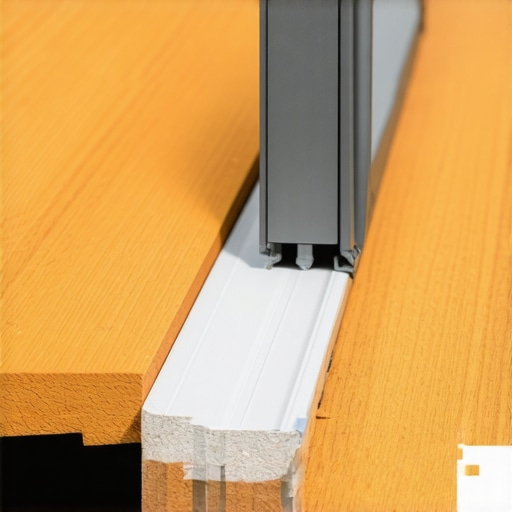
Start by measuring the width of each exposed end, then cut a matching piece of aluminum, plastic, or composite material. Secure it with weatherproof screws or adhesive, pressing firmly to ensure a flush fit. During a project last summer, I used a aluminum channel cut slightly wider than the board’s end, and once installed, it created a sleek finish that looked professional and protected the edges from moisture exposure.
Seal the Ends with a Specialized Tape or Caulk
If you prefer a less invasive method, apply a high-quality outdoor sealant or tape designed for composite materials directly onto the end grain. This temporarily protects the edges and can fill minor gaps, giving an almost seamless appearance. I once sealed a deck’s edges with a clear acrylic caulk, which was quick to apply and prevented water ingress, though it required periodic reapplication for ongoing protection.
Use End Skirts or Finish Trim Pieces
Installing an end skirt involves attaching a decorative trim piece along the board’s edge. Choose a material that matches your decking for a cohesive look. Fasten it with hidden nails or clips to avoid visible screws. In my experience, using a composite decorative strip along the perimeter of my deck rounded out the design and prevented debris accumulation, making maintenance easier.
Employ Post or Railing Supports to Conceal Edges
Position your railing or posts to cover the exposed ends, effectively hiding rough edges behind structural elements. This method adds stability and aesthetics simultaneously. When I added a new railing, I aligned it to hide the ends of the composite boards, which gave the deck a cleaner, unified appearance, while also adding safety.
Consider Composite End Caps for a Professional Finish
Many decking manufacturers offer matching composite caps; these are straightforward to install with a simple snap-on or adhesive method. This solution provides a durable, low-maintenance finish. I found that purchasing matching caps from the same brand as my boards ensured color consistency and weather resistance, resulting in a polished look that lasts through the seasons.
When applying these techniques, always double-check measurements before cutting and ensure compatibility between materials to prevent warping or detachment. Consistent maintenance and periodic inspections will keep the ends looking pristine for years. For more innovative design ideas, visit this resource.
 While many homeowners focus on choosing the right materials or styles for their outdoor spaces, they often overlook the nuanced details that can make or break a deck’s longevity and aesthetic appeal. For example, a widespread myth is that railing height is the only crucial safety consideration, but in reality, the type of railing system and its installation quality greatly influence both safety and visual harmony. Skipping the importance of proper load calculations and secure anchoring can lead to dangerous wobbling or failure over time, a mistake many initially underestimate.
Another tricky aspect involves deck design — many assume that symmetry is always ideal, yet some of the most visually appealing decks leverage asymmetrical layouts to create unique focal points. Advanced designers consider weight distribution, sightlines, and natural surroundings, which can be overlooked by beginners eager for quick results. Moreover, neglecting local building codes or zoning laws about deck dimensions and railing specifications can result in costly legal issues. Always check guidelines before finalizing your plan; for detailed legal requirements, visit our privacy policy page for compliance tips.
Why Do So Many Overlook the Impact of Composite Material Selection on Long-Term Performance?
People often choose composite decking based solely on appearance or initial cost, assuming all products behave similarly. However, nuances such as UV resistance, formulation of the core stability, and moisture absorption rates significantly affect durability. For instance, some lower-quality composites may warp or fade faster after exposure to sunlight, leading to expensive replacements. Experts warn that disregarding manufacturer specifications on these points can result in premature deck failure, especially in harsh climates. A study published by the Surface Technology Association emphasizes that choosing high-quality composite materials enhances lifespan and reduces maintenance over time. For more insights on innovative, durable solutions, explore this article on trends in composite decking.
What Are the Common Pitfalls When Designing Pergolas for Style and Function?
Many homeowners believe a pergola’s primary goal is shade, but without considering the structure’s engineering nuances, it can become a wind sail or a safety hazard. For example, failing to incorporate proper bracing or a slight downward slope on beams can lead to instability or water pooling, which accelerates rot and decay. Also, selecting the right spacing between rafters and posts is critical to both aesthetic appeal and airflow. An overlooked detail is anchoring pergolas correctly into the ground or attached to the house, especially on uneven terrain; inadequate anchoring can amplify shaking in high winds. For solutions on robust pergola designs, visit our resource on elegant pergola designs.
Remember, diving deeper into these nuances and avoiding common traps can elevate your project from average to outstanding. Have you ever fallen into this trap? Let me know in the comments.
Keep Your Deck and Railing Systems in Top Shape with the Right Tools
Maintaining your outdoor structures requires more than just effort—it demands precision and the right equipment. One tool I rely on heavily is a high-quality cordless impact driver. Its power ensures quick, secure fastening, especially when installing railings or securing composite boards, reducing hand fatigue and improving accuracy. I personally prefer models with brushless motors and variable speed controls, which provide more torque and longer battery life, making the job faster and more efficient.
Another indispensable tool is a digital moisture meter. Knowing when your wood or composite materials have absorbed too much moisture can prevent issues like warping or mold growth. I check my deck periodically with a moisture meter to detect hidden problems before they manifest visibly.
When it comes to cleaning and surface preparation, I’ve found that a dual-action random orbital sander equipped with 120-grit sanding discs is invaluable for smoothing rough edges or reconditioning older components. It offers superior control and minimizes surface damage, extending the lifespan of your materials. For detailed cleaning, a compressed air blower is excellent for removing debris from hard-to-reach areas, ensuring your deck stays pristine and free of obstructions that could cause damage over time.
Planning for Long-Term Success: Software and Maintenance Routines
Beyond physical tools, innovative software has become essential for planning and maintaining complex railing configurations or pergola layouts. I use 3D modeling programs like SketchUp to visualize modifications before committing to modifications. This approach helps me foresee potential issues, such as load distribution or spacing conflicts, saving time and materials in the long run. Regularly scheduling maintenance using software reminders ensures no detail is overlooked, such as re-sealing end caps or inspecting fasteners for rust.
In the future, I predict a surge in smart maintenance systems, integrating sensors into deck joists and railing posts that monitor structural integrity and environmental conditions in real time. Early detection of wear or moisture infiltration could dramatically extend the lifespan of these outdoor features, saving homeowners significant cost and effort.
How do I keep my railing and deck systems performing over time?
The key to lasting performance lies in routine inspections and prompt repairs. I recommend periodically checking for loose fasteners, rusted hardware, and moisture issues. Using a torque wrench during re-tightening ensures fasteners are secured to manufacturer specifications, preventing wobble or failure. Applying protective sealants to metal and composite components every couple of years forms a robust barrier against weathering. For more detailed guidance on durable solutions, explore this resource on composite decking innovations.
Investing in quality tools and establishing a consistent maintenance routine can dramatically improve the longevity of your railing and deck systems. Why not set aside a weekend to inspect, clean, and reinforce your outdoor structures, ensuring they remain safe and beautiful for years to come? For tailored support or custom solutions, contact us via our contact page.
The Hardest Lesson I Learned About railing systems,deck design,pergola,composite decking
One profound realization was how overlooked details like finishing exposed ends or proper anchoring can make or break a project’s success. I once thought a beautiful deck was all about the visible aesthetics; however, I learned that hidden structural nuances significantly impact durability and safety.
Another lightbulb moment involved underestimating the importance of weatherproofing joints and fasteners. Delaying this step led to costly repairs, teaching me the value of proactive maintenance routines and high-quality sealants, which I now swear by.
My Essential Toolkit for Railing and Deck Craftsmanship
I trust a quality impact driver for tight fastening, a digital moisture meter to monitor wood conditions, and a dual-action sander for smoothing surfaces. These tools have consistently empowered me to achieve professional results and prolong the lifespan of my outdoor structures.
For design inspiration, I frequently explore new ideas from this resource. It’s a treasure trove for current trends and innovative concepts that elevate backyard aesthetics.
Your Turn to Elevate Your Outdoor Space
Remember, paying attention to the small, often hidden details in railing systems, deck design, pergolas, and composite decking can transform your outdoor project from ordinary to extraordinary. Embrace the process, invest in the right tools, and never overlook the power of thoughtful finishes. With dedication, you’ll create a space that’s not only beautiful but built to last.
What unexpected challenge did you encounter in your decking or pergola projects? Share your story below—I’d love to hear how you turned setbacks into successes!
Biased, innovative, and practical, these insights aim to make your next outdoor project truly shine.