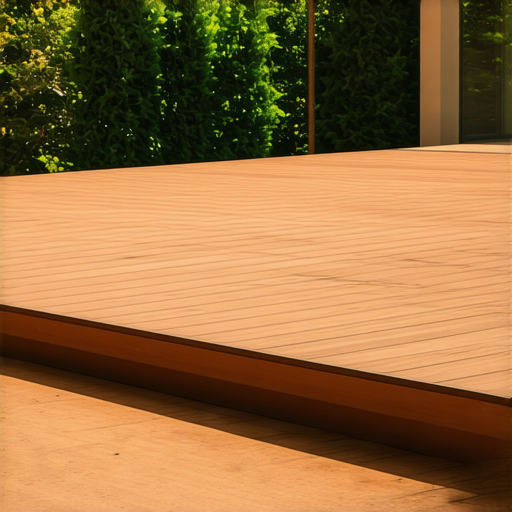

Have you ever stood on your deck, gazing out at your backyard, only to realize that it’s more of a liability than a haven? That sinking feeling when you spot a wobbly railing or uneven boards—it’s a wake-up call that your outdoor space might not be as safe as it should be. I’ve been there myself, and let me tell you, nothing ruins a relaxing afternoon faster than worrying about safety rather than enjoying the view. But here’s the good news: with a few expert tips, you can transform your deck into a secure and stunning retreat that you’ll love for years to come.
Why Safety and Style Should Go Hand in Hand on Your Deck
Building or renovating a deck isn’t just about making it look good; it’s about making it safe and durable enough to withstand the seasons and the kids’ antics. Early on, I learned a costly mistake—ignoring the quality of my railing system. I thought a quick fix would do, but within a few months, I was patching up loose balusters and worrying about potential falls. That’s when I discovered that the true secret to a long-lasting outdoor space is choosing the right materials and design that prioritize safety without sacrificing style. If you’re tired of feeling unsure about your deck’s stability, this post will guide you through the essentials of expert deck design and railing tips that truly last.
Is It Really Worth Investing in High-Quality Railing Systems?
When I first built my deck, I thought I could cut corners on the railing system. Big mistake. Cheap materials may save you money upfront but often lead to dangerous weaknesses down the line. I learned this the hard way when a loose railing almost caused a serious fall. Experts agree that investing in trusted, durable railing systems not only enhances safety but also boosts your home’s overall value. Curious about what makes a reliable railing? Check out these professional tips for lasting outdoor trust. Remember, a well-designed railing isn’t just about safety; it’s about peace of mind.
Start with a Solid Foundation
Before adding any decorative elements, ensure your deck’s structure is sound. Check for loose or rotting joists, cracked boards, or unstable support posts. I once ignored a loose ledger board, which led to a minor collapse during a family BBQ. To avoid such mishaps, use a level and a sturdy screwdriver or pry bar to test the stability of your existing frame. Replace any damaged or weakened components with high-quality, pressure-treated lumber or composite materials, which resist rot and insects. For detailed guidance, visit this comprehensive deck planning resource.
Design Safety into Every Step
Plan Your Layout Carefully
Measure your space precisely, considering clearance for furniture, foot traffic, and safety zones. Avoid overcrowding to prevent tripping hazards. When I redesigned my deck, I mapped out the area on graph paper, leaving at least 3 feet around furniture for easy movement. Use a chalk line or laser measure to mark your layout directly on the deck surface for accuracy.
Select the Right Materials
Choose durable, slip-resistant decking and railing materials. I opted for composite decking from this trusted supplier because it offers excellent traction and weather resistance. For railings, pick options with embedded steel reinforcements and non-slip handrails, which provide added strength and grip.
Build with Precision and Safety in Mind
Follow Manufacturer Instructions
Always adhere to installation guidelines for fasteners, brackets, and connectors. I learned this the hard way when I used the wrong size screws, resulting in loose railings after a storm. Use galvanized or stainless steel fasteners to prevent corrosion and ensure longevity.
Secure Every Connection
Double-check that all bolts, screws, and brackets are tight. Use a torque wrench if necessary. For example, I used a cordless drill with a torque setting to secure my railing posts, which prevented over-tightening and damage. Reinforce critical joints with metal brackets or straps for extra stability. For advanced insights, see these expert railing tips.
Finish with Safety and Style
Paint or seal your deck surfaces with slip-resistant coatings. Install lighting along pathways and stairs to prevent accidents at night. I added solar-powered LED strip lights beneath the railing for ambiance and visibility, making my deck safer after sunset. Regular maintenance, like cleaning and sealing, prolongs the lifespan and safety of your deck. Remember, investing in quality materials and precise construction makes all the difference for lasting outdoor trust.

Most homeowners believe that choosing the most durable materials or following basic installation guidelines guarantees a safe and long-lasting deck. However, even seasoned DIY enthusiasts often overlook subtle yet critical nuances that can compromise safety over time. Let’s dig deeper into what many get wrong and how to avoid these pitfalls.
Why Relying Solely on Material Quality Can Be a Trap
While selecting high-quality composite decking or steel-reinforced railings is essential, overestimating their durability without proper maintenance can lead to unexpected failures. For example, many assume that a premium material is maintenance-free. In reality, composite decks and metal railings require regular inspection and cleaning to prevent buildup of debris or corrosion. Neglecting this can cause deterioration that isn’t immediately visible, increasing safety risks. An often overlooked aspect is the importance of proper sealing and protective coatings, which can extend the lifespan of critical components. For expert advice on this, consider visiting this guide on durable railing systems.
The ‘Oops’ Factor: Ignoring Hidden Structural Weaknesses
One common mistake is neglecting the hidden condition of the substructure, especially ledger boards and support posts. Many homeowners skip detailed inspections, assuming these parts are stable after initial installation. But over time, exposure to moisture and seasonal shifts can cause rot or shifting supports, which compromise deck stability. For instance, I learned this the hard way when a seemingly solid ledger board developed hidden rot behind the siding, causing a partial collapse. Regularly checking for signs of rot, movement, or corrosion and addressing issues promptly can prevent costly accidents. For more insights, see this comprehensive deck inspection guide.
How Can Advanced Design Choices Improve Safety and Aesthetics?
Advanced homeowners and builders often focus on safety but overlook how design nuances can enhance both safety and style. For example, choosing railing systems with embedded steel reinforcements improves strength, but selecting the right mounting technique ensures they stay secure over decades. Also, incorporating lighting that’s integrated into railings or stairs improves visibility without cluttering the visual appeal. This dual focus on form and function is a nuanced art. Experts suggest customizing railing heights for accessibility and safety, which is often overlooked. For innovative ideas, explore this resource.
Have you ever fallen into this trap? Let me know in the comments. Remember, understanding these hidden nuances can make all the difference in creating a deck that’s both beautiful and safe for years to come.
Keeping your deck in top shape requires more than just initial construction. Over time, routine maintenance, proper tools, and smart techniques ensure your outdoor space remains safe, attractive, and durable. In this post, I’ll share the exact tools I rely on for effective deck upkeep, along with insights into how these tools help prolong your deck’s lifespan and why investing in quality equipment pays off in the long run.
Power Tools That Save Time and Boost Precision
When it comes to deck maintenance, I always start with a high-quality cordless drill and impact driver. These allow me to tighten or replace fasteners quickly, especially when working on railings or replacing damaged boards. I prefer models with brushless motors from reputable brands like Milwaukee or Makita because they offer longer battery life and more torque, saving me from constant recharging. For sanding and surface prep, I use an orbital sander with a dust collection system—this keeps debris at bay and ensures smooth, even finishes during sealing or staining. The right power tools streamline my workflow, making maintenance more manageable and less time-consuming.
Manual Tools That Provide Control and Detail
Despite the power of modern tools, some tasks still benefit from manual instruments. A sturdy pry bar and a cordless screwdriver help me remove old nails or loosen stubborn boards without damaging surrounding materials. A good level and a measuring tape are critical for ensuring proper alignment during repairs or upgrades. I also keep a set of safety gloves and goggles handy—they’re essential for protecting myself during scraping or sanding. These manual tools give me the precision needed for detailed work, especially in tight spaces or when addressing structural issues.
Cleaning Equipment to Maintain Safety and Appearance
Regular cleaning is vital for preventing rot and keeping your deck looking its best. I rely on a pressure washer with adjustable settings—using it carefully prevents damage to the wood while effectively removing dirt, mold, and debris. A deck broom and a garden sprayer filled with cleaning solution help me tackle stubborn stains or algae buildup. After cleaning, I apply a slip-resistant sealant using a roller or sprayer. This not only enhances safety but also extends the life of your surface. Consistent cleaning and sealing are perhaps the most cost-effective ways to maintain your deck’s safety and appearance over time.
Software and Planning Tools to Keep Track of Maintenance Tasks
Beyond physical tools, I use project management apps like Trello or Notion to schedule regular inspections and maintenance tasks. Setting reminders for sealing, checking fasteners, or replacing worn components ensures nothing gets overlooked. Digital records of your deck’s repairs and upgrades can also help you plan future improvements or troubleshoot issues down the line. As technology advances, I predict more homeowners will adopt smart sensors embedded in decks to monitor structural integrity remotely, making preventative maintenance even easier.
How do I maintain my deck over time?
The key to long-term deck safety is consistent, proactive maintenance. This includes annual inspections for rot, corrosion, or loose fasteners, along with seasonal cleaning and sealing. Investing in durable, high-quality tools—like those from trusted brands—ensures your efforts are effective and your deck remains secure for years to come. If you want to elevate your outdoor space further, explore custom railing systems that combine safety with style, or consider adding a pergola for shade and character. Remember, the right tools and regular upkeep are your best allies in keeping your deck working perfectly for the long haul. Try incorporating a power sander or pressure washer into your routine this season—you’ll notice the difference in the longevity and safety of your outdoor haven.
The Hardest Lesson I Learned About Building Safe Decks
One of my biggest realizations was how overlooked the importance of proper railing installation is. I once thought that choosing a trendy design was enough, but I learned the hard way that safety hinges on detailed attention to the connection points and material quality. This lightbulb moment taught me that a sturdy, well-secured railing system can make or break your deck’s longevity and safety.
My Essential Toolkit for Lasting Outdoor Trust
Over the years, I’ve come to rely on a handful of tools that keep my deck in top shape. A high-quality cordless impact driver and a sturdy orbital sander are my go-to for quick repairs and surface prep. For inspecting structural integrity, I swear by a good level and a digital moisture meter—trust me, these small investments save you from costly surprises down the line. Regular maintenance, combined with these tools, helps me ensure my deck remains safe and beautiful for years to come.
Let Your Deck Inspire Action and Confidence
Your outdoor space is an extension of your home and your lifestyle. With the right safety measures and design ideas, you can create a deck that’s not only stunning but also built to last. Don’t wait for safety hazards to appear—start your upgrade today and enjoy the peace of mind that comes with expert craftsmanship. Dive into the world of durable railing systems and creative designs, and let your deck become the envy of your neighborhood.
This post really hits the mark on the importance of combining safety with style in deck design. I renovated my deck last year and initially underestimated the significance of high-quality railing systems. It was only after a small incident where a loose baluster caused a bit of a scare that I realized investing in sturdy, well-installed railings isn’t just about aesthetics — it’s about peace of mind. I also appreciate the emphasis on routine maintenance, as many homeowners tend to overlook this aspect, leading to long-term safety issues. I’ve found that regular inspections with a moisture meter and fixing tiny issues early can prevent costly repairs later on. Has anyone used smart sensors or digital monitoring tools to keep an eye on structural integrity? I’m curious whether tech-savvy solutions could make ongoing maintenance even more straightforward.