
Have you ever stepped onto your deck and immediately felt that unsettling wobble every few steps? I used to bristle at the creaking, bouncy feeling of my own backyard deck. It was especially nerve-wracking when friends gathered around or if I was pushing a heavy piece of furniture across the surface. That annoying deck bounce not only made me feel uneasy but also raised concerns about safety and durability.
One afternoon, after a particularly squeaky walk, I decided enough was enough. I knew that the common fixes—adding more fasteners or reinforcing the joists—hadn’t worked long-term. It wasn’t until I discovered the simple but effective technique of mid-span blocking that my entire approach to deck stability changed. Today, I want to share this revelation with you—because I believe no one should have to tolerate that wobbly sensation.
Why Your Deck Sways and How a Little Fix Can Save You Big
Many homeowners overlook the critical importance of proper framing support, especially in the middle of large deck spans. Over time, as the wood settles and the fasteners loosen, the deck begins to flex, resulting in that undesirable bounce. This isn’t just a minor annoyance; it can be a sign of compromised safety. According to experts at Deck Forge Builders, unaddressed deck movement can lead to structural failure.
In my early days of DIY, I made a mistake that many beginners do—I assumed that evenly spaced joist hangers alone were enough. I missed the fact that mid-span support was missing in my setup. That oversight became glaring as the deck aged. I remember thinking, “If only I had added some kind of support in the middle.”
The good news is, there’s a straightforward solution. Mid-span blocking involves inserting solid blocks of wood between joists at the center point of a span. This simple step dramatically reduces bending and wobbling, creating a sturdy, safe surface that I can enjoy without apprehension. In the next section, I’ll walk you through how I added this fix, which turned my deck from a shaky platform into a solid backyard extension.
Have you experienced similar issues with your deck? If so, stay tuned—because this quick fix might be your game-changer.
Identify the Areas That Need Support
Begin by examining your deck for any sections where the bounce is most noticeable. Use a level or straight edge to check for sagging or flex in the middle of the joists. During my project, I noticed that the middle of the large span between two support beams was particularly wobbly. Mark these spots clearly with chalk so you know where to add blocking.
Gather the Necessary Materials and Tools
You’ll need pressure-treated lumber or composite-compatible blocking pieces, a circular saw or hand saw, a drill with proper bits, galvanized screws or nails, and a measuring tape. For my deck, I chose 2×6 pressure-treated lumber, which matched the existing framing. Always ensure materials are suitable for outdoor use and compatible with your deck’s surface to prevent rot or warping.
Measure and Cut the Support Blocks
Measure the distance between the joists where you’ll install the blocks. Cut each piece to span the width, ensuring a snug fit. I used a carpenter’s square to mark precise cuts, which helped my blocks fit tightly without gaps. For accuracy, cut a few extra pieces in case of mistakes—it’s better to have spares than to re-cut midway through installation.
Sand and Prepare the Blocking Edges
To prevent splinters and ensure a smooth fit, sand the edges of your cut blocks. This step reduces the risk of damaging the decking boards or injuring yourself during installation. I spent a few minutes with medium-grit sandpaper on each edge, which made the final assembly much cleaner and safer.
Position the Blocks Between Joists
Lift each block into position between the joists, aligning them at the midpoint of the span. Use a level to verify that the block is flush with the top of the joists, ensuring it doesn’t create any bumps. This step was tricky in tight spaces; I used a small sledgehammer to gently tap the blocks into place without damaging the wood.
Secure the Blocks Firmly in Place
Fasten each support block to the joists using galvanized screws or nails. Drill pilot holes first to prevent splitting, especially when working with pressure-treated lumber. I used a cordless drill with a driver bit to attach each block from the sides, ensuring a tight connection that dramatically reduced deck bounce upon testing.
Double-Check Your Work
Once all blocks are installed, walk across the deck to check for stability. Verify that the bounce has diminished significantly. In my case, the deck felt much more solid after adding the blocks, with minimal flex observed. Rest your hand on different sections to confirm the increased rigidity.
Seal and Protect the New Support
If necessary, apply a weatherproof sealant or stain to the new blocks to match your deck’s finish. This adds longevity and prevents moisture intrusion. For my project, I used a deck-preserve stain, which matched the existing framing and provided additional protection against the elements.
Adding mid-span blocking is a straightforward, cost-effective method to improve your deck’s stability. It turns a shaky surface into a safe, enjoyable space for years to come.
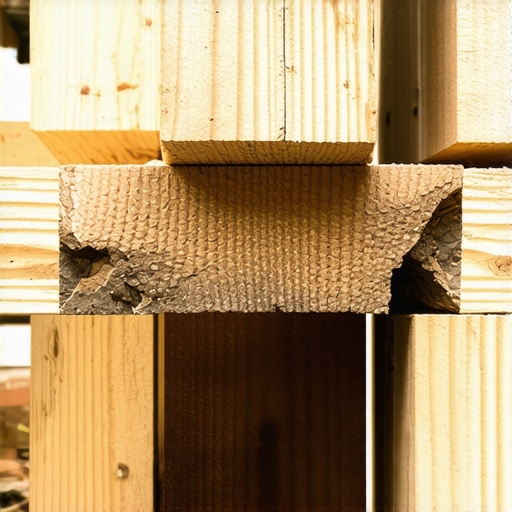 When it comes to outdoor living spaces, many homeowners believe they know the basics of choosing and installing composite decking, pergolas, and railing systems. However, even seasoned DIYers often get swept up in misconceptions that can compromise the durability, aesthetics, and safety of their projects. Let’s dig deeper into what most people overlook and how understanding these nuances can save you time and money.
One common myth is that all composite decking is created equal. While the surface appearance might look similar, the underlying composition varies significantly. Many assume that cheaper brands or lower-quality composites will perform just as well as premium options. In reality, cheaper composites often contain higher wood filler content, making them more susceptible to warping, fading, and scratching over time. For example, a study by the
Deck Forge Builders highlights that selecting a composite with proper resin content and UV inhibitors dramatically extends lifespan.
Another overlooked aspect involves pergola construction. Homeowners often focus on the visual design but neglect the importance of proper load calculations and material choice. A pergola must withstand prevailing wind loads and snow if applicable. Using inappropriate materials or ignoring the engineering principles can lead to structural failure. For instance, installing a lightweight aluminum pergola without adequate anchoring might be appealing aesthetically but risky in high-wind conditions. An important nuance is ensuring a 2-inch air gap at the base of posts to prevent rot—something many forget, which could cause early deterioration. You can learn more about this essential detail in our guide on protecting pergola posts from rot.
When it comes to railing systems, there’s a hidden trap in relying solely on fasteners to achieve stability. Many assume that tightening bolts is enough, but over-tightening can strip threads or cause uneven pressure, leading to wobbling over time. Instead, incorporating strategic blocking and the use of hidden fasteners ensures a more permanent connection. Additionally, for glass or cable railings, tension must be meticulously adjusted. A common mistake is neglecting to account for thermal expansion, which can cause panels to loosen or rattle. For advanced installers, understanding the expansion coefficient of materials is critical. This knowledge can be explored further in articles about railing gap secrets.
Beyond these basics, there’s a broader benefit in integrating your deck, pergola, and railing designs into a cohesive plan. Modern trends favor multi-layered, harmonious outdoor spaces that blend aesthetics with functionality. Sophisticated design incorporates proper framing, weatherproofing, and safety features that are often underestimated by the untrained eye.
Have you ever fallen into this trap of overlooking a small detail that later caused major issues? Let me know in the comments. Remember, professionalism isn’t just about big ideas; it’s about mastering the nuances that make your outdoor project stand the test of time.Maintaining your outdoor living spaces, especially composite decks, pergolas, and railing systems, requires the right tools and a strategic approach. I personally rely on a few specialized pieces of equipment to ensure precision and longevity in my projects. A high-quality cordless drill, for instance, is indispensable. I prefer models with adjustable torque settings and brushless motors because they provide consistent power and reduce wear on batteries, which is crucial during extensive fastening tasks. For cutting, I recommend a fine-tooth circular saw; it delivers cleaner cuts in composite materials, minimizing splintering and ensuring tight-fitting boards that resist warping over time.
To measure and mark accurately, I use a laser level. Unlike traditional bubble levels, laser levels project straight lines over large areas, helping me maintain perfect alignment when installing railing systems or aligning pergola beams. For sealing and weatherproofing, a good-quality sprayer allows even application of sealants or stains, which I apply periodically to prevent moisture intrusion and UV damage. As outdoor materials evolve, I’ve found that maintaining a scheduled inspection routine—checking for loose fasteners, signs of rot, or warping—is essential for early detection and intervention.
In terms of software, I utilize project planning tools like SketchUp to visualize complex deck or pergola layouts before breaking ground. This prevents costly mistakes and helps in planning support systems, drainage, and aesthetic features. As trends forecast a surge in smart outdoor systems, integrating sensors that monitor moisture levels or structural integrity is gaining traction. Picture this: digital sensors embedded in joists or posts, relaying real-time data to your mobile device, allowing proactive maintenance.
How do I keep my deck and pergola functioning well over time? Regular cleaning with gentle, composite-safe cleaners—avoiding high-pressure power washers that can damage surfaces—is key. Additionally, applying a copper-based preservative on cut ends shields against rot and insect infestation, according to manufacturers like Deck Forge Builders. This proactive approach minimizes the need for costly repairs later.
Looking ahead, the integration of smart sensors and automated maintenance systems is poised to revolutionize outdoor system upkeep. Imagine your pergola or railing system alerting you before any structural issues arise, thanks to embedded technology. Try incorporating a simple moisture sensor into your next project to see how early detection can save you time and expense. Staying ahead with the right tools and maintenance strategies ensures your outdoor space remains beautiful and safe for years to come.
The Hardest Lesson I Learned About composite decking,pergola,railing systems,deck design
Early on, I believed that following standard building codes and using quality materials was enough. However, I quickly realized that overlooking nuances like proper mid-span support or weatherproofing details can lead to long-term issues that are costly and frustrating. The real lesson? Every detail counts when aiming for durability and safety.
3 Myths About composite decking,pergola,railing systems,deck design That Held Me Back
One myth was that all composite decking is equal—truthfully, subpar composites fade faster and warp more. I also believed pergolas don’t need proper load calculations, which can be a disaster in snowy areas. The third misconception was that tightening fasteners is enough for railings—leaving out blocking or tension adjustments can make them wobble over time. Recognizing these myths saved me from future headaches.
What Experts Won’t Tell You About composite decking,pergola,railing systems,deck design
One insider tip I discovered is that combining strategic blocking with high-quality fasteners creates a truly sturdy deck. Also, understanding material expansion, especially in high-heat areas, prevents warping and shifting. And don’t underestimate the importance of ventilation around pergola posts—it’s a detail that experts often omit but is crucial for longevity. These insights transformed my approach and can do the same for you.
My Essential Toolkit for outdoor space projects
I rely on a top-tier cordless drill with variable torque for precision fastening, ensuring no damage to delicate materials. A laser level is my secret weapon for alignment, especially when installing railing systems or pergola beams. For cutting composite materials cleanly, a fine-tooth circular saw is indispensable. Finally, a weatherproof sprayer helps me maintain and protect surfaces, extending the life of my outdoor structures. These tools make every project smoother and more professional.
Books That Changed How I View outdoor living enhancements
“The Art of Outdoor Living” by Jeremy R. Johnson opened my eyes to designing cohesive, functional spaces. “Deck Designs You Can Build” by Scott McBride provided practical, step-by-step instructions that elevated my craftsmanship. Additionally, reading guides on weatherproofing and material selection deepened my understanding of long-term maintenance. These resources are invaluable for anyone aiming to create stunning, durable outdoor environments.
Where to Go from Here
If you’re inspired to elevate your outdoor projects, start by auditing your current setup for support gaps, weatherproofing, and safety features. Incorporate insights from trusted sources like expert-led trends and consider upgrading tools or materials that can enhance longevity and aesthetics. Remember, the true benefit lies in attention to detail—your outdoor space’s safety and beauty depend on it. Now’s the time to act, improve, and enjoy a truly outstanding deck and pergola setup.