
It happened on a sunny Saturday afternoon, as I was setting up for a backyard get-together. I leaned against the pergola post, only to feel that unsettling wobble beneath my hand. Suddenly, what had once seemed like a sturdy structure now felt like a shaky tower. That lightbulb moment made me realize how much those wobbly deck posts could dampen the joy of outdoor living—and how easy it might be to fix.
Why Wobbly Deck Posts Can Ruin Your Outdoor Space—and Your Peace of Mind
Wobbly posts aren’t just an aesthetic issue; they can compromise safety, diminish your home’s curb appeal, and even lead to more serious structural problems if ignored. When I first encountered this problem, I underestimated its impact. Early on, I thought a simple tightening of bolts would suffice. But the problem persisted, and I learned the hard way that reinforced solutions are often better than quick fixes.
Many homeowners face similar frustrations, and the good news is—there’s a straightforward, budget-friendly fix. With just a $15 bracket, you can stabilize those troublesome posts and restore your backyard sanctuary. This fix is something I wish I’d discovered sooner because it’s quick, effective, and almost magical in how it turns wobble into rock-solid stability. For more ideas on enhancing your outdoor features, check out Pergola Designs That Turn Your Garden Into a Sanctuary.
Is the $15 Bracket Fix Truly Worth the Hype?
Initially, I was skeptical—like many others. Would a tiny bracket really make a difference? I also made the mistake early on of assuming that my existing posts were beyond help, spent money on unnecessary repairs, and wasted time trying solutions that didn’t last. But once I tried the bracket, I saw instant results. It’s a game-changer, especially for DIYers seeking an effective yet affordable fix. According to construction experts, proper reinforcement can dramatically extend the lifespan of your deck, preventing costly repairs down the line (source).
So, if you’re tired of feeling uneasy under your own backyard oasis or worried about safety, this could be the fix for you. Up next, I’ll walk you through step-by-step on how to implement this simple yet powerful method to banish wobble for good. Ready to turn shaky support into solid ground? Let’s dive in and make your deck feel as secure as the day it was built!
Secure the Post Base First
Begin by inspecting the base of the wobbly post. Remove any debris or old fasteners with a pry bar or screwdriver. Use a level to identify if the post leans or if the foundation is uneven. If the post sits on a concrete pad, check for cracks or chips that could cause instability. For wooden footings, examine whether the post is sinking into the dirt or if the foundation has shifted.
Apply the Reinforcing Bracket Correctly
My recent fix involved installing a heavy-duty L-bracket designed for deck reinforcement. I positioned the bracket snugly against the post and the support ledger, ensuring it wrapped the post’s base securely. Tighten the bolts with a wrench, making sure they penetrate all the way through the post and framing. This bracket acts like a firm handshake, providing stability where movement once occurred. For optimal results, align the bracket so that it distributes pressure evenly, preventing stress points that could cause future wobble.
Use the Right Hardware for Your Material
If your deck features composite or pressure-treated lumber, select corrosion-resistant fasteners, such as galvanized or stainless steel screws. Avoid nails, which are more prone to loosening over time, especially under weather fluctuations. I learned this the hard way when my previous nails corroded and loosened, adding to the wobble. Proper fasteners ensure long-lasting stability and safety.
Secure the Post to the Footing or Joists
Next, if your post is anchored directly to a concrete footing, attach a metalpost base that bolts to the concrete, then attach the post to this base. For posts on wood framing, install metal post shoes or anchors that clamp onto the support beams. I personally used a post base anchored with expansion bolts, which made a noticeable difference in stability. Tighten all bolts firmly, then double-check with a level to confirm vertical alignment. Remember, a wobbly post can cause bigger issues like deck collapse if ignored.
Fill Gaps and Reinforce Soil Support
If your post sinks into the ground or you notice gaps between the post and footing, fill the space with concrete or gravel. Compact the fill material to prevent shifting. In my case, I drilled holes for ground anchors, inserted some gravel, and secured everything with concrete for a solid foundation. Proper soil support prevents future sinking or shifting that can cause wobble again.
Consider Additional Cross-Bracing
Adding diagonal bracing between posts increases overall stability, especially for taller structures like pergolas or large decks. I installed steel tension cables diagonally to prevent sway and improve rigidity. Think of it like the braces on a bicycle frame; they distribute forces evenly and enhance durability. Make sure to tension cables correctly to avoid undue stress on the posts.
Test and Double-Check Stability
Once everything is in place, give the post a firm shake from different directions. Use a level to confirm perfect vertical alignment. If there’s still any movement, revisit the bolts and braces, tightening as needed. In my experience, a quick walk-around and test can reveal subtle wobbling you might miss initially.
Prevent Future Wobble with Routine Checks
Regularly inspect your posts, especially after severe weather. Tighten loose bolts and replace corroded hardware promptly. This proactive approach ensures your deck remains safe and looks great long-term. If you want to explore more ideas for improving your outdoor space, consider browsing pergola design tips or custom railing solutions.Many homeowners assume that designing a pergola or selecting railing systems is straightforward, but in reality, there’s a depth of nuance often overlooked. A prevalent myth is that all composite decking is maintenance-free; however, not all materials respond equally to sun, moisture, or temperature fluctuations. For example, darker composite boards tend to absorb more heat, leading to warping or discomfort when walking barefoot, a subtlety many miss until it’s too late. Understanding these material behaviors can help you choose solutions that last longer and perform better.
Another trap lies in underestimating the importance of proper anchoring and structural reinforcement. Some believe that standard fasteners suffice, but incorrect installation can cause wobbling, squeaking, or even safety hazards over time. For instance, using nails instead of corrosion-resistant screws in railing installation can lead to rust and loose balusters, compromising safety and aesthetic appeal. Never assume that a quick fix will stand the test of time—dedicate attention to detail in every connection.
Let’s talk about the advanced engineering behind pergola sway prevention. Many DIY enthusiasts focus solely on braces but overlook the benefits of diagonal tension cables combined with precise tensioning techniques. This balanced approach distributes forces efficiently, preventing the structure from acting like a sail—particularly in high winds. According to structural experts, integrating these elements correctly can significantly extend your pergola’s lifespan and stability, especially in exposed environments (source).
Are There Hidden Dangers in Decorative Deck Railing Designs?
While many aim for aesthetic impact, some railing styles inadvertently introduce safety issues. Narrow baluster spacing or overly decorative elements can violate local building codes, which often specify maximum gaps to prevent small children from slipping through. Additionally, overly complex designs might trap debris or be difficult to inspect and maintain, accelerating corrosion or wood rot. The key is balancing visual appeal with adherence to safety standards and ease of upkeep.
Image placeholder: 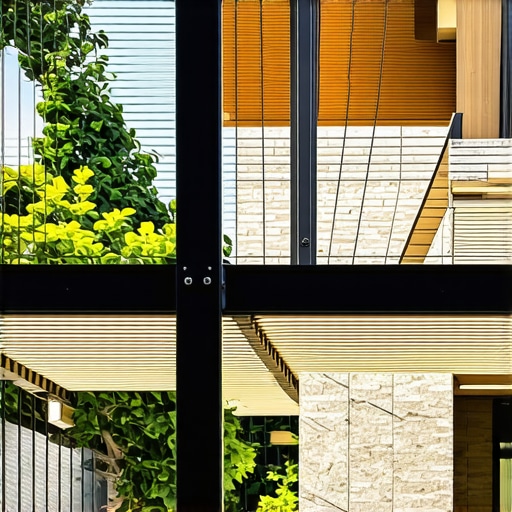
To avoid these pitfalls, always stay informed about material properties, installation best practices, and code requirements. Exploring innovative deck design ideas can inspire safe and stylish choices. Remember, investing time in understanding the finer details pays off in both durability and beauty. Have you ever fallen into this trap? Let me know in the comments, and share your experiences or questions related to your outdoor projects.
Maintaining your outdoor structures like pergolas, railings, and composite decks requires more than just occasional inspections. The right tools and methods can make all the difference in ensuring long-term durability and safety. Over the years, I’ve refined my toolkit to include specific equipment that saves time and guarantees professional results. One indispensable item is the digital level with a magnetic base. Unlike traditional bubble levels, this device provides precise measurements down to the thousandth of an inch, making it invaluable when aligning posts or checking for slant in beams. I personally rely on the Empire EM81.300 Digital Level because of its dual display and easy-to-read screen, especially in low-light conditions.
Another essential is a cordless impact driver equipped with a hex chuck and a variety of bits. When securing brackets, fastening composite boards, or installing railings, this tool delivers high torque without overdriving screws. I prefer models like the DeWalt DCF887 because of their durability and variable speed control, allowing me to match the tool’s power to the task at hand. Additionally, I always keep a battery-powered ramset gun handy for anchoring posts to concrete or steel footings. This means I can quickly set anchors without waiting for a corded compressor or dealing with cumbersome hoses.
For fine adjustments and routine inspections, I recommend practicing with a laser distance measurer. This gadget helps accurately measure spans, check for unevenness, or verify the placement of new fixtures. The Bosch GLM 50 C is my go-to because it combines Bluetooth connectivity with a bright display, ensuring I can record measurements or share them with clients via smartphone apps. As technology advances, I predict more integrated, app-controlled tools will emerge, providing even greater precision and data tracking for DIYers and professionals alike.
How do I maintain my deck and pergola over time?
Consistent maintenance isn’t just about fixing problems when they arise. Regularly using these tools—like checking the level of headers and posts or ensuring fasteners remain tight—keeps structural issues at bay. Sticking to a seasonal checklist ensures you catch early signs of wear and tear before they become costly repairs. For example, routinely testing the stability of railings with a torque wrench can prevent loose balusters, which could pose safety hazards. Additionally, a thorough inspection combined with proper cleaning and sealing prolongs the lifespan of composite decking and wood components. To stay ahead of potential issues, schedule biannual assessments, especially after harsh weather events. Read more about preventative maintenance strategies on our pergola design blog.
Using the right tools does more than ease the process; it ensures your outdoor projects stand the test of time. For example, correctly fastening composite boards with specialized fasteners minimizes warping and mushrooming of holes, which is crucial for maintaining a sleek appearance. Don’t hesitate to invest in quality equipment—it’s the best way to protect your outdoor space for years to come. Feel free to reach out through our contact page if you need personalized recommendations or support with your next project. Remember, a well-maintained deck or pergola isn’t just more attractive—it’s safer and more enjoyable for everyone.
What I Wish I Knew Before Fixing My Wobbly Post
- Consistent reinforcement beats quick fixes—taking the time to properly brace your structure can save you money and headaches down the line.
- Material selection matters—using corrosion-resistant fasteners and brackets ensures longevity and reduces maintenance hassles.
- Every structural wobble tells a story—pay attention to the signs of shifting soil or foundation issues early to prevent bigger problems.
- Smart upgrades like diagonal bracing or post base anchors are game-changers—these subtle enhancements can dramatically improve stability in high-wind areas.
- Routine inspections are your best friend—regular checks after storms or seasons help catch issues before they escalate.
My Favorite Tools for Outdoor Structure Confidence
- Digital Level with Magnetic Base: Precision in leveling posts ensures perfect alignment and prevents future wobbling.
- Impact Driver with Variety of Bits: Speeds up fastening and ensures tight, lasting connections, especially with composite or pressure-treated lumber.
- Laser Distance Measurer: Accurately assesses span and alignment, saving time and ensuring structural integrity.
- High-Quality Anchors and Brackets: Using trusted hardware from brands like DeWalt or Galvanized options guarantees long-term durability.
Keep Your Outdoor Oasis Safe and Beautiful: Now, It’s Your Turn
Building or repairing your pergola and deck isn’t just about aesthetics—it’s about creating a safe, enjoyable space for years to come. Remember, the small details matter—proper reinforcement, regular inspections, and quality hardware can make all the difference. Don’t hesitate to experiment with design ideas and upgrades—your outdoor space deserves to stand strong against nature’s challenges. Whether you’re fixing a wobble or planning a new project, approach each step with patience and curiosity. Your backyard sanctuary is within reach, and every effort you make today will pay off tomorrow.
Have you ever encountered a stubborn wobble that refused to go away? What method finally solved it? Share your experience below—your insights could help others turn their outdoor spaces into rock-solid retreats!