
Have you ever stood on your deck, admiring its beauty, only to realize the stairs feel cramped or awkward? I had that exact lightbulb moment when I was attempting to design a more accessible, stylish entryway for friends and family. It was a frustrating experience—measuring, re-measuring, and late-night brainstorming—until I discovered a simple yet powerful trick: the Double-Rim Joist Secret for Extra-Wide Deck Stairs.
Why Wider Stairs Make a Difference—and How to Achieve It
Wider stairs are not just a luxury—they improve safety, accessibility, and visual appeal. But expanding stair width isn’t as straightforward as just adding more treads. The structural support must be perfectly aligned to handle the increased load and ensure stability. That’s where the double-rim joist technique truly shines. It allows you to extend your deck’s framing without compromising strength or safety. In this post, I’ll walk you through my journey—from initial failures to successful implementation—so you can avoid common pitfalls and build stunning, extra-wide stairs that last for years.
Skeptical About the Double-Rim Joist? You’re Not Alone
At first, I thought extra support would mean complicated framing or costly reinforcements. I made the mistake early on of underestimating how crucial proper support is—thinking I could just widen the stairs with basic joist extensions. Spoiler: I learned the hard way that ignoring the double-rim joist approach can lead to creaking, wobbling, and even safety hazards. The good news? Once I adopted this method, my deck felt solid and reliable. If you’re worried that this technique is overhyped or unnecessary, ask yourself: have you faced loose railings or deck bounce? Those signs point to support issues that the double-rim joist can solve. Want to see how this could work for your project? Check out detailed guides on choosing the right railing systems to complement your stairs for safety and style.
Start with Precise Measurements and Planning
During my first attempt, I mistakenly assumed that adding extra joists would suffice for wider stairs. I learned the importance of meticulous measurement—using a tape measure and chalk line to outline the desired width. Draft a detailed plan, noting the placement of the double-rim joist to support increased loads. This step prevents costly mistakes later, ensuring your support spans adequately across the new width.
Reinforce with the Double-Rim Joist System
Install the Inner Rim Joist
Begin by securing the inner rim joist parallel to the ledger board, ensuring it aligns with your planned stair width. Use galvanized framing screws to prevent corrosion. Once attached, double-check the level and perpendicularity with a carpenter’s square and level—accuracy here pays off in stability.
Attach the Outer Rim Joist
Next, fasten the outer rim joist on the opposite side, creating a robust support frame. Use structural screws and, if necessary, additional blocking between joists to prevent lateral movement. My messy first try involved a flimsy connection, which resulted in creaking. Reinforcing with proper fasteners and additional blocking made the deck feel rock solid afterwards.
Ensure Proper Load Distribution and Support
Double-rim joists distribute weight evenly, especially for wider stairs bearing more foot traffic. I added blocking between joists at the stair location to prevent bounce. During deck construction, I also placed additional posts beneath the widened stairs—think of it as giving your support beams extra legs for stability. Consult technical tables or a structural engineer if your span exceeds standard limits, referencing guides like this resource.
Incorporate Railing and Safety Elements Thoughtfully
An extra-wide staircase isn’t complete without compliant and stylish railing. I opted for a custom railing system that complements the wider design—more on this in this comprehensive guide. The key is choosing railing posts that are adequately anchored into the double-rim joist for maximum stability, preventing wobble or sway over time.
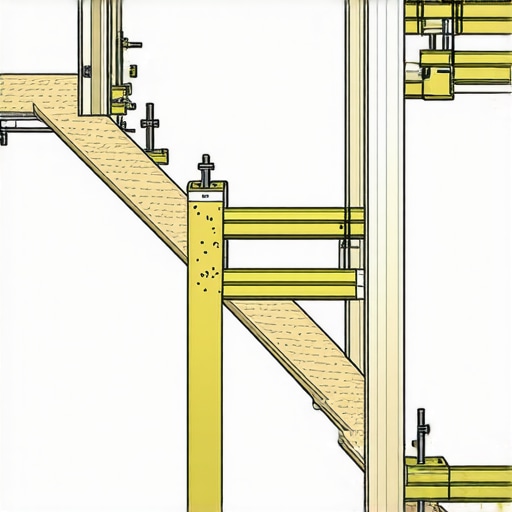
Visualize the reinforcement process with this diagram of a double-rim joist setup supporting wider stairs, illustrating the layered support and attachment points for maximum stability.
When it comes to outdoor spaces, many homeowners fall into the trap of oversimplified solutions—believing that a basic pergola or standard railing system will suffice. However, seasoned builders and designers know that there’s more beneath the surface. For instance, a prevalent misconception is that thicker decking boards or more elaborate pergola designs automatically mean better durability or aesthetic appeal. In reality, understanding the materials’ nuances, like the differences between composite decking options, is crucial. For example, many assume all composite boards are equally resistant to UV rays and temperature fluctuations, but experts suggest choosing products with high-quality additives and proper venting to prevent warping and fading—check out [this guide](https://deckforgebuilders.com/composite-decking-secrets-longevity-tips-for-a-lasting-deck) for insights.
Speaking of railing systems, a common myth is that DIY install methods are just as sturdy as professional ones. In practice, unsupported or improperly anchored railings pose safety hazards, especially in windy or heavy-use environments. The secret lies in understanding load distribution—not just choosing the right style, but also the correct anchoring points and hardware. For advanced homeowners, exploring [custom railing options](https://deckforgebuilders.com/transform-your-outdoor-space-custom-railing-systems-for-safety-and-style) can dramatically improve both safety and style.
A frequent mistake in deck design involves ignoring the hidden load nuances, particularly with wide or multi-level decks. Many underestimate the importance of proper framing, leading to bounce or creak over time. The double-rim joist technique, for instance, is often overlooked but provides critical support for expansive decks or stairs. Recognizing these subtleties can save money and extend the life of your outdoor space.
Let’s address a nuanced question: How does climate influence material choice and design strategies? Climate considerations, such as humidity and sunlight exposure, directly impact the longevity and performance of your deck or pergola. For example, in regions with high UV exposure, selecting UV-stabilized composite materials and incorporating adequate shading elements can prevent premature fading and deterioration. For deeper insights, consider reviewing [current pergola trends](https://deckforgebuilders.com/pergola-trends-crafting-shade-elegance-in-your-outdoor-space) and [deck design strategies](https://deckforgebuilders.com/innovative-deck-design-ideas-that-elevate-your-homes-curb-appeal).
Beware of the overlooked details, such as proper flashing around ledger boards or correct drainage slopes, which can lead to costly water damage or rot. Recognizing these hidden vulnerabilities requires an expert eye—something to keep in mind whether you’re building new or retrofitting existing structures. Always think beyond aesthetics; prioritize function and longevity.
Are you falling victim to any of these misconceptions or missing these subtle yet crucial details? Share your experiences or questions below—I’d love to dive deeper into your outdoor projects and help you build smarter, more durable spaces.
Keeping Your Outdoor Spaces in Top Shape
Maintaining a durable and beautiful deck or pergola requires more than just initial construction; it demands the right tools, consistent care, and strategic upgrades. From specialized cleaning equipment to advanced fasteners, every tool plays a vital role in ensuring your outdoor structures withstand weather, wear, and time.
One essential tool I swear by is a cordless impact driver equipped with high-torque, corrosion-resistant bits. This allows me to tighten or replace fasteners securely, especially when dealing with composite decking and railing systems, which require precision to prevent wobbling or creaking. For example, using amarring tool helps avoid surface damage when removing stubborn screws or applying new fasteners without blemishing the surface.
Cleaning and inspecting your structure is equally important. I recommend investing in a soft-bristle brush and a low-pressure washer—powerful enough to remove debris but gentle enough to protect composite materials. Regularly checking for signs of rot, rust, or loosening fasteners prolongs the lifespan of your investment. For more advanced maintenance, consider a moisture meter to monitor hidden water intrusion, which could lead to rot behind ledger boards or in support posts.
Future Trends in Outdoor Maintenance
The trend toward smart maintenance tools is on the rise. Imagine integrating sensors that alert you to moisture buildup or fastener loosening via a smartphone app. As IoT technology advances, we can expect more self-monitoring systems that notify homeowners of issues before they become costly repairs.
How do I keep my deck and pergola working well over time?
Consistency is key. Schedule regular inspections, clean your surfaces carefully, and replace fasteners as needed. Using high-quality, corrosion-resistant hardware—like stainless steel screws—can make a significant difference in longevity. Remember, the right tools make all the difference; for example, a joist tape not only protects beams but also simplifies future maintenance by preventing moisture intrusion. Try applying one advanced tip this season: regularly checking your fasteners with a torque wrench can prevent loose components, saving you money and ensuring safety. Incorporate these practices, and your outdoor living space will remain stunning and safe for years to come.
The Hardest Lesson I Learned About Pergolas and Wide Decks
Early in my building journey, I believed more elaborate pergola designs with complex braces automatically meant a sturdy, long-lasting structure. Turns out, overlooking simple reinforcement techniques like diagonal bracing or proper load distribution was a costly mistake. I discovered that a straightforward understanding of load paths and framing support can prevent wobbling and ensure safety—a lightbulb moment that reshaped my approach.
Tools and Resources That Accelerated My Skills
Over the years, I’ve come to rely on an arsenal of trusted tools and literature. The comprehensive guide to railing systems helped me understand proper anchoring techniques, while secrets of composite decking longevity ensured I selected materials that withstand the test of weather. These resources distilled complex building concepts into actionable insights, saving me time and preventing mistakes.
Building Confidence for Your Outdoor Projects
Embarking on deck or pergola construction can feel overwhelming, but remember: every expert started with uncertainty. Focus on mastering foundational techniques like double-rim joists to support wider stairs or precise measurements to avoid costly rework. Your outdoor space is an investment in your home and lifestyle—approach it with patience and a willingness to learn. Start small, apply what you learn here, and watch your confidence grow, turning visions into durable, beautiful realities.