
I remember the first time I built a pergola above my deck. The sun was shining, and I was eager to finish — until I realized my measurements were off. The boards wouldn’t sit right, gaps were inconsistent, and I felt a twinge of frustration that turned into a lightbulb moment. It hit me: I’d fallen for the common myth that all I needed was a standard expansion gap, and that was enough for a perfect fit. But reality told a different story. If you’ve ever faced similar struggles, you’re not alone. Many DIY enthusiasts and pros alike stumble here because they overlook the importance of getting real measurements for expansion gaps, especially with modern composite decking and pergola systems.
Why Standard Gaps Won’t Cut It Anymore
Most people just follow generic recommendations — a quarter-inch here, a little more there. The problem? Those rules are often outdated or too simplistic. When you install premium composite boards or intricate pergola structures, the environment, material type, and even installation method can drastically alter how much your wood or composite expands and contracts. I learned this the hard way early in my projects, making the mistake of relying solely on standard gaps without accounting for specific conditions. According to experts, the key to a truly seamless outdoor space is meticulous measurement and understanding how your materials behave over time. These factors can prevent issues like warping, buckling, or unsightly gaps that ruin the aesthetic.
Would you agree that mismeasured gaps can turn your beautiful deck or pergola into an ongoing maintenance nightmare? If so, keep reading. I’m here to share the proven methods I’ve used to break free from those rigid, one-size-fits-all gaps and start designing spaces that look and perform better. We’ll cover how to truly measure for expansion and contraction and how to adapt your planning accordingly.
Measure Everything Before Cutting
Start by creating a detailed layout of your project area using a laser measure or a tape. For example, I once used a laser to measure the pergola span across my backyard, ensuring every post placement would be precise. This step eliminates guesswork and sets the foundation for proper gaps. Record all measurements meticulously.
Account for Material Behavior
Understand how your materials evolve with the environment. Composite decking, like the trends I recently explored, responds differently to humidity and temperature changes. During summer, I noticed my composite boards expanded more than anticipated, so I adjusted my gaps accordingly. Consider local climate data and material specifications to anticipate these shifts.
Calculate Environmental Factors
Estimate how much expansion or contraction you should expect. Use formulas derived from the material’s coefficient of thermal expansion. When building a pergola, I added extra length to my rafter cuts based on the peak summer temperature to prevent warping in winter. This proactive adjustment keeps your structure neat over time.
Use Spacers Strategically During Installation
Place spacers after measuring and cutting components. For instance, I used numbered plastic spacers when installing my composite decking, maintaining consistent gaps. These spacers serve as guides, ensuring gaps aren’t too tight or too loose, which could lead to buckling or unsightly separation later.
Perform a Dry Fit Testing
Before fastening everything permanently, assemble your components loosely to check fit and gaps. I once laid out all my pergola rafters without screws, observing how they aligned under the sun’s heat. Adjustments at this stage save time and reduce errors, resulting in a cleaner finish.
Adjust for Future Conditions
Plan for expansion by leaving slightly larger gaps or using adjustable fasteners. In my project, I left an extra 1/8 inch in critical joints, knowing that cold weather might cause contraction. This foresight prevents cracking and maintains aesthetic integrity during seasonal changes.
Consult Material and Design Resources
Reference guides like the comprehensive composite decking trends or explore design inspiration from modern to classic pergola designs. These resources offer insights into best practices for measurements and gap management, preventing costly mistakes.
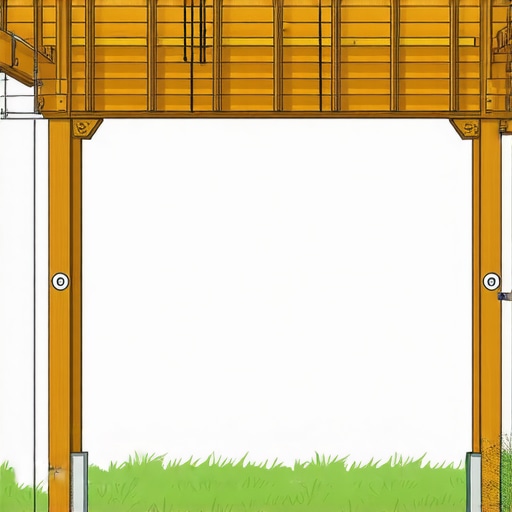 When it comes to outdoor structures like pergolas, decks, and railing systems, there’s a wealth of advice circulating that can actually lead to costly mistakes. One of the most pervasive myths is that choosing trendy materials or popular styles guarantees durability and aesthetic appeal. In reality, the nuanced understanding of how different materials respond to environmental factors and installation techniques is critical for long-term success. For example, many assume that composite decking will never warp or fade, but studies from the composite decking trends reveal that quality and proper installation are key to longevity. Misjudging these details often results in warped boards, uneven gaps, or structural instability over time.
Another common pitfall involves railing systems. While it might seem intuitive to select the most affordable option, this can backfire when safety and aesthetics suffer. Using incompatible fasteners or neglecting to consider the load requirements can lead to wobbling or even failure under stress, which makes selecting the right railing system more crucial than many realize. The advanced mistake many overlook is ignoring climate-specific considerations, such as salt air in coastal areas, which can accelerate corrosion in aluminum or steel railings if not properly treated or selected.
When designing pergolas, a subtle yet impactful mistake is ignoring load and span calculations. Many DIYers assume that simply spacing posts evenly is enough, but even minor miscalculations can cause sagging or collapse over time. The critical nuance is understanding how loads distribute across the structure and integrating features like diagonal bracing for stability. You might think your traditional design is sufficient until strong winds or snow loads reveal weaknesses. For this reason, consulting authoritative resources like pergola design inspiration that incorporate these structural insights can be transformative.
An unexpected trap involves the misconception that more decorative elements always enhance safety. For instance, installing ornate balusters or sharp-edged railings may look attractive but can become hazards, especially for children or pets. Balancing style with safety requires careful attention, often overlooked because aesthetics tend to take precedence over functional nuances. A study published in the comprehensive guide to railing safety emphasizes that proper height, spacing, and material choice are fundamental for compliance and safety.
Making these informed choices requires an eye for detail and understanding of advanced concepts. For example, accounting for thermal expansion in deck boards or designing for water drainage in pergola posts can save many headaches. Consider the benefits of proactive design adjustments, like leaving extra gap allowances or selecting corrosion-resistant fasteners, to ensure your outdoor space remains beautiful and functional through changing seasons.
Have you ever fallen into this trap of oversimplification? Let me know in the comments. Remember, the devil is in the details, and mastering these nuances elevates your project from amateur to professional.
Keep Your Outdoor Structures Running Smoothly with Precision Tools
Maintaining pergolas, decks, and railing systems requires more than just routine inspections; it demands the right toolkit to diagnose issues early and execute repairs effectively. One of my essential tools is a digital moisture meter, which I use to monitor wood dryness, preventing issues like splitting and rot in pergola posts. By measuring moisture content accurately, I can decide whether to apply sealants or delay sealing until the wood reaches optimal dryness, based on guidance from the experts at the Forest Products Laboratory.
For assessing structural integrity, a high-quality laser level proves invaluable. I trust my Bosch GLL 3-80 C because it provides reliable, self-leveling line projections—perfect for ensuring railings and beams are perfectly aligned. Precise alignment not only enhances aesthetics but also contributes to safety, aligning with standards outlined in deck code regulations.
When it comes to cleaning and long-term results, a powerful pressure washer with adjustable psi settings allows me to remove grime without damaging composite surfaces. I prefer models with a turbo nozzle attachment, which cleans thoroughly while being gentle on delicate materials. Regular cleaning preserves the look of composite decking, such as those highlighted in composite decking trends, and extends its lifespan significantly.
How do I keep my structures resilient against the elements over time?
Preventative maintenance is crucial. I recommend applying a high-quality, elastomeric sealant around pergola joints and fasteners annually. Not only does this impede water intrusion, but it also accommodates material expansion and contraction—especially important in climates with temperature fluctuations. Also, using stainless steel fasteners instead of galvanized ones can ward off corrosion, ensuring your railing systems stay secure and visually appealing for years. For more safety-oriented upgrades, consider exploring low-maintenance composite options that combine durability with ease of upkeep.
Planning for the Future: Scaling and Upgrades
If you’re considering scaling your outdoor living space, investing in modular components and adjustable fasteners allows flexibility as your needs evolve. Modern composite decking and pergola systems are increasingly designed for easy expansion, so choosing compatible products and tools now will pay off in the future. Technologies like laser measuring devices keep your projects precise, reducing costly errors as you grow your setup. Stay ahead by keeping abreast of trends through trusted sources and consulting structural guidelines—think of it as investing in your outdoor upgrade’s longevity and safety baseline.
Incorporate these advanced tools and maintenance strategies into your routine, and you’ll enjoy durable, beautiful outdoor spaces that stand the test of time. Start today by calibrating your moisture meter or inspecting your fasteners with a laser level—small steps that lead to big results!
As I reflect on my journey transforming outdoor spaces, one thing stands out: uncovering the hidden truths about material behavior, precise measurement, and thoughtful design has been my most valuable lesson. The real game-changer was realizing that shortcuts—like relying solely on standard gaps or overlooking climate-specific adjustments—can sabotage even the most beautiful setups. Embracing meticulous planning, personal experimentation, and continuous learning has allowed me to craft spaces that stand the test of time and delight every season.
What Surprised Me About Building Outdoor Structures
One of the most eye-opening lessons was discovering that the biggest myths—like composite decking never warping—are easily debunked with a little understanding of environmental factors. The truth is, materials respond intricately to heat, humidity, and installation methods. My tip? Always test your assumptions by observing how your chosen materials behave over the course of different seasons. This proactive approach prevents costly mistakes and makes your outdoor space truly resilient.
Tools and Resources That Elevated My Projects
Over the years, I’ve curated a toolkit that’s indispensable: a laser measure for accuracy, a digital moisture meter to assess wood health, and a laser level to ensure perfect alignment. These tools put professional precision within reach, especially when combined with trusted resources like design inspiration that bridges modern and classic styles and guides on structural integrity. Investing in quality tools and continual education transforms your projects from guesswork into craftsmanship.
Elevate Your Outdoor Living: Choose Your Next Step Wisely
Now, it’s your turn to bring your outdoor visions to life with confidence and clarity. Whether you’re planning a pergola canopy, designing a seamless railing system, or selecting durable composite decking, remember that attention to detail and understanding your materials is key. Each successful project is a step closer to creating a backyard sanctuary that combines beauty with longevity. Keep experimenting, learning, and, most importantly, enjoying the process!
What design challenge are you currently facing, or what’s your biggest lesson learned in outdoor construction? Let me know below—I love hearing about your projects!
,