
I remember the exact moment I realized my deck’s railing was wobbling, just enough to make me nervous every time I leaned on it. It was a sunny Saturday, and I was hosting friends, when I noticed the slightest sway whenever someone hugged the railing. That lightbulb moment hit me — if I didn’t stabilize it properly, not only was I risking safety, but I was also losing sleep over whether it would hold up over time. After some research and a bit of trial and error, I discovered a surprisingly effective secret that transformed my deck’s stability: the Hidden Bolt Trick for Rock-Solid Deck Stair Railings.
Why Rock-Solid Railings Make All the Difference
A sturdy railing isn’t just about safety; it’s about peace of mind and the overall aesthetic of your outdoor space. Loose or wobbly railings can give your entire deck an unstable feel, detracting from its beauty and potentially leading to costly repairs down the road. Many homeowners overlook the importance of proper fastening techniques, and I was no different at first. Early on, I made the mistake of relying solely on visible screws, which often loosen over time due to weather exposure and regular use.
What’s the Big Deal About Hidden Bolts?
The real game-changer was learning how to use hidden bolts or concealed fasteners that lock the railing posts securely in place. This simple but overlooked trick not only improves safety but also gives your deck a sleek, professional look. I found that many traditional fastening methods tend to loosen, causing that dreaded wobble. But with the hidden bolt approach, I achieved a rock-solid stability that lasted through seasons of weather.
> Interestingly, according to some experts, properly concealed fasteners can increase the durability of your railing system and reduce maintenance needs over time (source: [DeckForgedBuilders](https://deckforgebuilders.com/the-complete-guide-to-choosing-railing-systems-for-safety-style)). This insight was a revelation for me, confirming that small adjustments can make a significant difference.
If you’ve ever faced similar issues with deck stability, you know how frustrating it can be. The good news is, this isn’t a complicated fix. Stay tuned; I’ll guide you through the step-by-step process to implement the Hidden Bolt Trick and achieve that sturdy, safe, and stylish railing that you and your family can rely on for years to come.
Identify the Right Fastening Points
Start by examining your existing railing posts to locate the hidden fastening points. Remove any visible caps or covers to access the bolts or brackets underneath. Use a flashlight if needed to see clearly into tight spaces, similar to how I discovered a loose bolt behind the post cap during my first attempt, which taught me the importance of thorough inspection before proceeding.
Gather Essential Tools and Materials
Collect a socket wrench set, a screwdriver, a drill with bits, and concealed fasteners compatible with your railing system. I chose stainless steel hidden bolts to withstand weather conditions. Having the right tools on hand makes the process smoother and prevents frustration, especially when working on complex geometries or tight spots.
Remove Existing Fasteners and Debris
Carefully unscrew the visible bolts and clear debris or paint that might obstruct access. Be gentle to avoid damaging surrounding wood or composite material. During my project, I used a small flathead screwdriver to pry off paint buildup around the fastener holes, which allowed easier insertion of the new concealed bolts later.
Install Hidden Fasteners Technique
Insert the concealed fasteners into pre-drilled holes aligned with the railing posts. Tighten with a socket wrench, ensuring they are snug without over-tightening, which could cause deformation. This step transformed my wobbling railing into a firm, stable structure, visually seamless and highly secure. For detailed guidance, resources like this guide offer excellent insights on railing stability.
Secure and Conceal Anchor Points
After tightening, insert wood plugs or caps into the bolt head recesses to conceal fasteners completely. I used matching wood plugs and a bit of wood glue for a flush finish. This not only improved safety by eliminating protrusions but also gave my deck a sleek, professional appearance, enhancing aesthetic appeal—similar to the look showcased in modern pergola styles.
Test the Stability and Make Adjustments
Gently push or lean on the railing to test stability. If there’s any wobble, double-check the fastener torque. I found that a quarter-turn more on the bolts fixed residual looseness, ensuring a long-lasting solution. Regular inspections can catch early signs of loosening, especially after severe weather, saving you future repair costs.
Maintain the Integrity Over Time
Periodically tighten the concealed bolts and inspect for corrosion or damage. Applying a weatherproof sealant around fastener holes can prolong the integrity of your railing system. My experience taught me that investing a little maintenance effort pays off by keeping the deck safe and looking great years in advance, similar to how composite decking requires minimal upkeep but offers durability.
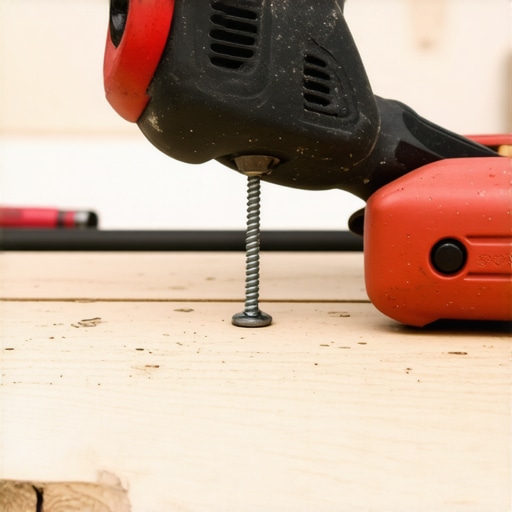 When it comes to deck design, many homeowners fall prey to common myths that can compromise safety and aesthetics. A prevalent misconception is that choosing premium materials alone guarantees durability, but in reality, the subtle details like proper fastening techniques and environmental considerations are crucial. For instance, relying solely on visible fasteners often leads to loosening over time, especially if concealed fasteners aren’t used properly—something I learned firsthand during my project on railing stability.
Is your deck truly optimized for longevity or just looking good on the surface?
One advanced nuance that many overlook involves the thermal expansion and contraction of deck materials, which can cause joints and fasteners to fail prematurely. According to a study by the American Wood Protection Association, ignoring these factors can reduce a deck’s lifespan by up to 30%. This means that even with the best-looking design, neglecting these details puts your investment at risk. Additionally, many assume that composite decking is maintenance-free, but without proper ventilation and spacing, these boards can warp or develop mold, undermining their supposed low-maintenance advantage. Be cautious of the temptation to skimp on installation details; small mistakes like uneven joist spacing or improper flashing can lead to costly repairs down the line. For a deeper dive into the nuances of robust deck design, check out resources like this guide on composite decking trends. Now, consider your current deck: have you incorporated these advanced considerations? If not, you’re potentially leaving longevity and safety to chance. Remember, a well-designed deck isn’t just about aesthetics—it’s about mastering the hidden details that keep it durable and safe for years to come. Want to learn more? Grab my detailed insights on custom railing systems that blend safety and style. Have you ever fallen into this trap? Let me know in the comments.Maintaining your deck, pergola, or railing system requires the right tools and a consistent approach to ensure longevity and durability. As I’ve learned from years of hands-on experience, investing in high-quality equipment minimizes repair costs and keeps your outdoor space looking its best. First, I always rely on a good cordless impact driver for fastening projects. Its power and portability make it effortless to drive concealed fasteners, especially in tight spots where manual prowess falls short. I prefer models with brushless motors, like the Milwaukee M18 Fuel, because they deliver sustained torque and have longer battery life—crucial when working on larger projects. pair it with a precision torque wrench to avoid over-tightening, which can crack composite boards or damage wood framing. Next, a good quality level and a laser distance finder are indispensable. The laser measure ensures accurate spacing for balusters and posts, preventing uneven gaps that can compromise safety and aesthetics. My go-to is the Bosch GLM 50 C, which provides quick, precise measurements and records data for later review. When it comes to cutting tools, a sharp miter saw with a fine-tooth blade (such as a 60-tooth carbide blade) ensures clean cuts on composite or hardwood decking, reducing splinters and uneven edges. Protective gear is indispensable; always wear safety glasses, gloves, and hearing protection to safeguard against debris and noise. Regular maintenance is equally important. Periodically, I inspect fasteners for corrosion—stainless steel or coated fasteners resist weathering better—and replace any that show signs of rust. Applying a weatherproof sealant around fastener holes further guards against water intrusion, which can cause rot or ice damage in colder climates. Staying organized with a toolbox that includes a magnetic screwdriver, spare fasteners, and a cordless drill ensures you’re always ready for touch-ups or larger repairs. Looking ahead, the trend is moving toward smart maintenance tools that sync with smartphone apps, allowing for real-time monitoring of your deck’s integrity. This integration not only keeps your space safe but also helps plan long-term preservation efforts efficiently. How do I maintain my deck over time? Simple, I schedule seasonal inspections and cleanings, use quality fasteners for repairs, and stay ahead of corrosion with protective coatings. For example, the use of marine-grade stainless steel fasteners significantly prolongs the life of railing systems exposed to harsh elements. I recommend trying out a high-power impact driver combined with a laser measure for your next project—it’ll make your work faster, more precise, and ultimately more satisfying. For comprehensive insights into composite deck longevity, check out this guide and consider how regular, proactive maintenance can keep your outdoor oasis looking pristine for years to come.
Lessons the Hard Way: What I Wish I Knew About Deck Fastening
One of the toughest lessons I learned was the importance of concealed fasteners in ensuring long-term stability. Relying solely on visible screws might seem simpler, but weather and regular use weaken them over time, leading to wobbling railings and costly repairs. I also discovered that the thermal expansion of materials can subtly shift fastener positions, causing even well-installed railings to loosen. This insight pushed me to pay closer attention to weatherproofing and material choices from the start.
Another personal revelation was that a small investment in quality tools, like high-grade impact drivers and precise torque wrenches, dramatically improved my installation quality. Improper tightening or using the wrong fasteners can compromise safety and aesthetics, so I now emphasize careful, thorough work, understanding that attention to detail is what transforms a wobbly deck into a durable outdoor space.
Tools and Resources I Trust for Deck Perfection
- Milwaukee M18 Fuel Impact Driver: Its power and durability help me secure hidden fasteners efficiently, especially in tight spots where manual effort falls short.
- Bosch GLM 50 C Laser Measure: Accurate measurements save time and prevent uneven gaps, which can be aesthetic eyesores and safety hazards.
- Marine-Grade Stainless Steel Fasteners: Their resistance to corrosion extends the lifespan of my deck and railing system, especially in harsh weather.
- This comprehensive guide on railing fasteners and system design offers invaluable insights that I use as a reference to keep my projects secure and stylish.
Your Deck’s Future Starts Today
Taking the time to master concealed fastener techniques elevates your deck from ordinary to extraordinary—safe, durable, and sleek. Remember, the small details matter, and every bolt hidden today is a step toward a lasting outdoor oasis. Whether you’re planning a new pergola or upgrading your existing railing, don’t let overlooked fasteners undermine your hard work. Explore more about innovative deck and pergola designs here.