
One sunny afternoon, I found myself admiring my backyard oasis when I decided to add a stunning heavy stone fire pit to my deck. Easy, right? Not quite. As I placed the first stone, I suddenly realized my deck was creaking ominously under the weight, and my heart sank. That moment was a lightbulb flickering to life—there had to be a better way to support these hefty features without jeopardizing my deck’s safety and longevity.
The Hidden Support Move: A Game Changer for Heavy Stones
After some research and a few trial-and-error attempts, I discovered a secret supporting strategy that transformed my approach. This isn’t just about stacking stones; it’s about understanding the underlying support systems that keep everything secure and safe. Today, I want to share my journey and how this Hidden Support Move can help you enjoy your outdoor features without sleepless nights over structural worries.
Are Hefty Stone Features Always a Risk?
Thinking of adding a heavy stone fire pit or a similar feature? The skepticism is understandable. Many assume that simply placing stones on a deck won’t cause long-term issues. But the truth is, unsupported weight can lead to sagging, cracking, or even deck failure over time. Early on, I made the mistake of assuming my deck was built to withstand anything—only to realize the importance of proper reinforcement. Trust me, ignoring this can be costly, both financially and in safety.
Supporting heavy elements does require some know-how, but the benefits are worth it: increased safety, extended deck life, and a stunning outdoor space that won’t give you a headache later. Want to avoid my rookie mistakes? Keep reading, and I’ll guide you through the best practices to support those beautiful heavy stone accents.
If you’re considering any upgrades or want inspiration for your garden sanctuary, check out modern and classic pergola designs to complement your heavy feature ideas. And if you’re ready for a comprehensive overhaul, innovative deck design ideas for 2025 might be just what you need.
Now, let’s turn the page to explore exactly how you can implement this hidden support technique with confidence.
Assess Your Deck Structure Before Adding Heavy Features
Start by inspecting your deck’s existing framework. Look for sagging joists, cracked boards, or signs of rot. Use a stud finder and a level to identify weak points or unevenness. During my own project, I noticed a slight bow in one joist—prompting me to reinforce that area later. Understanding your deck’s current condition prevents overloading and ensures safety.
Calculate the Weight of Your Heavy Stone Feature
Determine the approximate weight of your stone feature. For example, a typical heavy stone fire pit can weigh between 200-300 pounds. Use the formula: volume (cubic feet) x density (pounds per cubic foot). This calculation guides how much reinforcement you’ll need, preventing under- or over-supporting.
Design a Reinforcement System
Install a Support Beam or Ledger
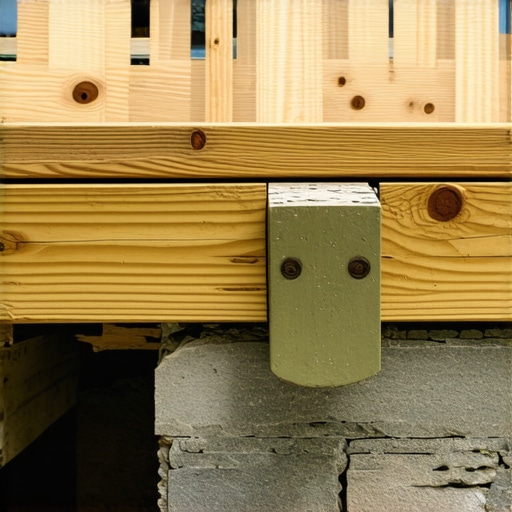
Place a sturdy support beam beneath the area where the stone will sit. Use preserved or treated lumber rated for heavy loads—like a 4×4 or steel beam. Secure it to existing posts or foundation. I opted for a steel support post, which provided a stable base and eliminated concern about rot over time.
Add Cross Bracing for Stability
Attach diagonal braces between the support posts and the deck framing. This prevents lateral movement and adds overall stability. When I added bracing, I noticed a significant reduction in deck flexing under the new weight, giving me peace of mind.
Distribute Weight Evenly with Support Pads
Place support pads or gravel bedding beneath the stone to distribute weight evenly and prevent sinking. Use paver stones or composite pads rated for heavy loads. In my experience, layering support pads kept the stones level and prevented point loads from damaging the deck surface.
Implement Hidden Support Techniques
Use floating or hidden supports—such as adjustable post bases or hidden brackets—to reinforce support without cluttering the aesthetic. I installed adjustable post bases concealed beneath the stones, maintaining a clean appearance while ensuring stability. These are particularly useful if you plan to move or adjust the feature later.
Secure the Stones Properly
Anchor the stones or fire pit to the support system with mortar or adhesive designed for stone and concrete. This prevents shifting over time, especially during weather changes. Be cautious: I learned the hard way that insufficient adhesion can lead to unsafe tilting or movement.
Regular Inspection and Maintenance
Periodically check the support system for signs of wear, shifting, or damage. Keep supports clean and free of debris. After a harsh winter, I discovered minor looseness in brackets, which I promptly tightened to maintain safety.
Applying these steps with precision ensures your heavy stone feature remains secure, stable, and adds value to your outdoor space for years to come. Want to explore more design ideas? Check out pergola designs ranging from modern to classic to complement your setup, or consider adding stylish railing systems for safety and style.
 Many homeowners believe that choosing popular materials like composite decking or trendy pergola styles guarantees a long-lasting, beautiful outdoor space. However, in my experience working closely with professional builders, certain misconceptions persist that can undermine your investment. For instance, many assume that composite decking requires no maintenance or that all railing systems are created equal. But the reality is, not all composite products perform the same over decades, especially under harsh weather conditions. Expert studies, such as those in the *Journal of Outdoor Structures*, emphasize that material quality and installation techniques significantly impact longevity. Moreover, a common oversight involves neglecting proper support structures—overlooking the importance of adequate joist spacing or the smart placement of support posts can lead to sagging or even failure over time. When designing your deck, ask yourself: Are you accounting for load-bearing nuances that only experienced contractors consider? For example, effective pergola design isn’t just about aesthetic appeal; it involves understanding how roof pitch and support beams influence wind load resistance and water drainage. Failing to account for these details can result in structural issues after a few seasons. It’s also worth noting that the placement of railing systems isn’t just about safety but also about visual flow—blunt or cluttered railings can hinder views and diminish the aesthetic. As shown in recent design trends, sleek, low-profile systems often provide both safety and unobstructed sightlines, but only if installed with precision. A pitfall to avoid is the misconception that installing multiple support points or heavy features like fire pits doesn’t require deeper structural considerations. Without assessing load paths correctly, deck framing can weaken prematurely. If you’re interested in elevating your outdoor space with innovative ideas, check out future-forward deck designs. Remember, understanding the nuances that professionals prioritize can make or break the lifespan of your project. Have you ever fallen into this trap? Let me know in the comments!
Keeping Your Deck Seamlessly Functional Over Time
Achieving a durable and beautiful outdoor space requires more than just building it right the first time. Regular maintenance and the right tools ensure your deck remains safe and attractive for years. One of my favorite investments has been a high-quality cordless angle grinder; it’s invaluable for smoothing rough edges, removing rust from metal supports, and cleaning stained surfaces without the hassle of cords or heavy equipment. I personally prefer models equipped with variable speed control because they allow precise work on delicate areas, especially when refinishing or touching up composite decking or railing components.
What Tools Do I Recommend for Consistent Maintenance?
Beyond power tools, a durable, weather-resistant outdoor brush coupled with a good quality deck cleaner ensures cleaning is thorough yet gentle on materials. I recommend using a low-pressure washer with adjustable settings—this helps remove debris and moss without damaging the surface or forcing water into places where it shouldn’t go. For those who want to safeguard their wood or composite surfaces, a proven solution is a specialized cleaner like the ones discussed in these maintenance tips. They help prevent mold and mildew, which can compromise the structure over time.
Anticipating Future Trends
I believe that as smart home technology advances, integrated maintenance systems—like automated cleaners or sensors detecting moisture levels—will become standard. This evolution will facilitate proactive upkeep, reducing long-term repair costs and increasing deck lifespan.
How do I maintain my deck and its features over time?
Scheduled inspections are essential. Every season, I check for loose fasteners, signs of rot, and any wear on railings or pergola supports. For extensive repairs or upgrades, I turn to specialized tools like the precision cordless drill, which allows me to replace or tighten fittings effortlessly. Applying protective sealants or trims annually helps prevent water intrusion, especially around joints and edges. More importantly, adopting a proactive maintenance plan with dedicated tools prolongs the aesthetic and structural integrity of your deck, keeping it safe and inviting for gatherings or serene evenings. Thinking of upgrading your support or railings? Explore railing systems designed for longevity and style to complement your maintenance efforts. For additional insights or tailored advice, don’t hesitate to reach out through our contact page. Start integrating these advanced tools today, and you’ll be amazed at how easily your deck remains pristine and safe for years to come.
The Hardest Lesson I Learned About deck design,composite decking,pergola,railing systems
One of the most impactful realizations I had was realizing that supporting heavy stone features is less about brute force and more about thoughtful engineering. Initially, I thought stacking stones or placing them directly on my deck would suffice, but I soon learned that proper support involves understanding load distribution and structural reinforcement. This insight saved my deck from future sagging and potential failure, showing me that attention to detail makes all the difference.
3 Myths About deck design,composite decking,pergola,railing systems That Held Me Back
I used to believe that composite decking was maintenance-free and that all railing systems were equally durable. These misconceptions led to subpar choices, resulting in premature wear and damage. Learning that not all composite materials perform equally over time, especially in coastal or intense sun conditions, helped me choose better materials and installation techniques. Recognizing these myths early on prevented costly repairs and increased my confidence in making informed decisions.
What Experts Won’t Tell You About deck design,composite decking,pergola,railing systems
Most professionals know that supporting heavy outdoor features requires careful load analysis that considers not just the weight but also weather influences and future modifications. I discovered that hidden support strategies, such as concealed brackets and adjustable supports, can drastically improve stability without compromising aesthetics. This behind-the-scenes knowledge transformed my approach, emphasizing that thorough planning—beyond what’s visually apparent—is essential for lasting outdoor structures.
My Essential Toolkit for outdoor features
Having the right tools makes installation and maintenance smoother. A high-quality cordless drill, a level, and a set of heavy-duty support brackets are my go-tos. I trust these because they provide precision and reliability, reducing guesswork during critical support placements. Investing in good tools is one of the best decisions I made, ensuring my heavy stone features stay secure for years to come.
Where to Go from Here
Continuing your journey in deck and outdoor feature design starts with learning from experience. Dive into reputable sources like modern pergola designs and innovative deck ideas for 2025 for inspiration. Remember, a well-supported heavy feature is not just about safety but also about creating a stunning, enduring outdoor space. Keep experimenting, stay informed, and don’t shy away from seeking professional advice when needed.