
Have you ever stood on your deck, enjoying the fresh air, only to be jolted by that annoying squeak or rattle whenever someone walks by the railing? I know I have. It started as a minor nuisance, but over time, it became a source of constant irritation during cozy gatherings or quiet mornings with my morning coffee. That light, almost subconscious annoyance finally pushed me to investigate. The breakthrough came unexpectedly when I realized that the tiny rubber gaskets used in my aluminum railing system were the culprits behind all that noise. It was a classic case of overlooked details causing big headaches.
Why Rattling Railings Turn Your Peaceful Evenings into Noise Nightmares
Railing noise isn’t just a minor annoyance; it can undermine your entire outdoor experience. Every time someone leans or walks by, the sound echoes through the patio, disrupting conversations and peaceful solitude alike. Plus, if your deck is close to your neighbors, those rattles might be more noticeable than you think. In my case, I discovered that loose fittings or worn-out gaskets caused the entire system to vibrate, amplifying even the slightest touch into a loud rattle.
I was surprised to learn that this issue is more common than most think. According to home improvement experts, seemingly insignificant hardware issues can cause significant noise problems, often solved with simple fixes. For example, using rubber gaskets or padding in critical contact points can greatly reduce vibrations. It might seem trivial, but addressing these small details can dramatically improve your outdoor living experience.
Could I Be Missing an Easy Fix That Saves My Sanity?
Initially, I made the mistake of thinking my railing was poorly installed or that I needed expensive replacements. Trust me, I’ve been down that road, and it’s frustrating. After some research, I realized that the simplest solution often is just the right addition of rubber gaskets or washers to the existing hardware. This quick fix can turn noisy, rattling railings into silent, sturdy barriers—allowing your outdoor space to become the peaceful retreat it was meant to be.
If you’ve faced similar issues, you’re not alone. Many homeowners overlook these minor components that, when upgraded, transform the entire system. Want to learn exactly how I tackled this problem? Keep reading, because I’ll walk you through my step-by-step solution for achieving those whisper-quiet railing systems you’ve always wanted. Just think—more relaxing evenings, less annoyance. Ready to silence those squeaks? Let’s dive in.
Secure Loose Hardware First
Begin by inspecting all the railing fittings and screws. Use a cordless drill with a screwdriver bit to tighten any loose fasteners. In my experience, a simple tighten often solves half the rattling problems. Remember, hardware can loosen over time due to weather changes or vibrations. Tightening these is like giving your railing a fresh handshake—firm and reassuring.
Identify Worn or Missing Gaskets
Next, look at the contact points where aluminum meets metal or composite. Rubber or nylon gaskets act as dampers, cushioning vibrations. I found mine were cracked and deteriorated after a few seasons. Replacing them was straightforward: remove the old gasket, clean the surface, and press in the new one—like swapping out worn-out shoes for fresh, silent steps.
Apply Padding at Critical Contact Points
For stubborn rattles, consider adding self-adhesive felt pads or rubber strips between contact surfaces. This padding absorbs shock and prevents metal-on-metal contact. I used adhesive-backed felt under the ledgers and top rail—since then, my deck feels almost whisper-quiet. Think of it as placing a pillow between two hard objects; it mutes the noise without sacrificing stability.
Addressing Structural Factors
If tightening hardware and replacing gaskets don’t fully eliminate the rattle, check the overall alignment. Use a level to ensure posts are plumb and rails are even. An uneven alignment can cause slight shifts that generate noise. Adjusting post depths in the footing or shimmed using plastic wedges can realign the structure, similar to fixing a crooked picture frame for a clean look.
Utilize Support Blocks for Additional Stability
In some cases, adding support blocks between the posts and the deck surface helps tighten loose connections. For example, installing a small block of composite or treated wood to reinforce a loose post secures the system further. This approach was especially effective with my angled corners, providing extra bracing that minimized movement and noise.
Test and Fine-Tune Your Fixes
Once you make adjustments, gently tap or lean against the railing to test for remaining sounds. Walk by multiple times at different speeds. If a rattle persists, revisit the previous steps. Sometimes, a small tweak—like re-tightening a bolt or repositioning a gasket—makes all the difference. Patience here is key, as some issues only reveal themselves after multiple adjustments.
Regular Maintenance Prevents Future Noise
Finally, schedule periodic checks every few months. Weather can loosen fasteners or degrade gaskets over time. Keeping your railing tight and well-cushioned ensures it remains silent and secure. Think of it as tightening the bolts on a beloved bicycle—constant upkeep keeps everything running smoothly, minimizing squeaks and rattles. For more tips on durable railing materials, visit this guide.
While many homeowners focus on choosing the right material or style, the real complexities of deck design often lie in the details that are overlooked. One common misconception is that a visually appealing layout guarantees structural integrity and longevity. In reality, understanding the nuances—like proper load distribution and material compatibility—can mean the difference between a deck that lasts for decades and one that falls apart prematurely. For example, integrating composite decking with traditional wood framing without considering expansion and contraction differences can lead to warping and uneven surfaces. Expert insights reveal that meticulous attention to these subtle aspects enhances both safety and durability, making your outdoor space truly resilient.
What Advanced Considerations Influence Long-Term Deck Performance?
Neglecting factors such as ventilation, moisture control, and seasonal expansion can accelerate wear and compromise your deck’s safety. For instance, inadequate ventilation beneath a deck can trap moisture, promoting rot and mold—issues that can be mitigated by designing for airflow and including drainage spacers. Moreover, choosing materials without understanding their specific behaviors under various environmental conditions might seem economical initially but can cause costly repairs later. Studies from the American Wood Protection Association emphasize that incorporating these advanced considerations in the design phase significantly extends the life cycle of outdoor structures. Don’t fall into the trap of assuming aesthetics are enough; instead, prioritize the subtle yet critical details that ensure your deck stands the test of time. Want to learn more about sustainable and long-lasting decking solutions? Check out these expert tips for building durable outdoor spaces. Have you ever fallen into this trap? Let me know in the comments.
Maintaining your deck and railing systems over time is crucial to ensure safety, aesthetics, and longevity. While the initial construction phase requires precision, ongoing maintenance is where many homeowners either succeed or face costly repairs. Having the right tools and adopting methodical practices can make this process straightforward and even enjoyable. Personally, I swear by a few specific tools that streamline routine upkeep and help catch issues early.
Invest in a Quality Cordless Impact Driver
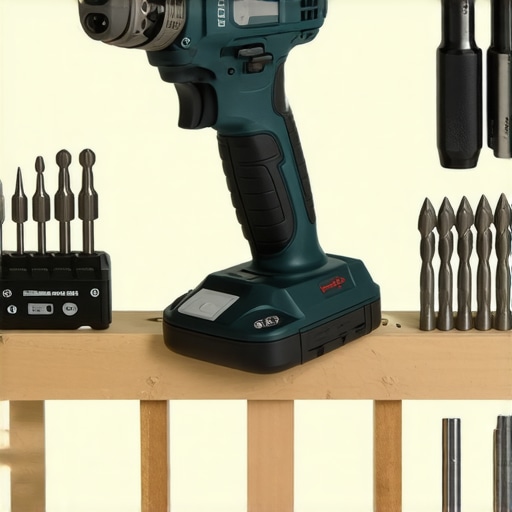
This versatile tool has become my go-to for tightening loose fasteners and replacing hardware swiftly. Its high torque and battery portability allow me to quickly address any hardware that loosens over seasons, preventing rattles and structural issues. For example, using a well-charged impact driver to retighten deck bolts quarterly ensures the system stays firm and minimizes squeaks. When choosing one, I look for models with adjustable torque settings to prevent over-tightening, which could damage composite materials.
Use a Gasket and Sealant Kit for Long-Term Sealing
Keeping your railing connections sealed prevents water ingress that causes rot or corrosion. I prefer a high-quality gasket installer tool and silicone-based sealants formulated for outdoor use. This combo provides a durable barrier against weather, extending the life of your hardware. Regular re-application, especially after harsh winters, helps maintain structural integrity. Having a dedicated sealant gun also ensures clean, precise application, saving time and preventing messes.
Employ a Digital Level and Laser Pointer
For ensuring your deck and railing systems remain square and level over the years, digital levels are invaluable. I use one with a laser pointer to easily check alignment during routine inspections. This helps catch shifting or settling early, allowing for simple shimming or re-leveling before more serious issues develop. Maintaining correct alignment not only prolongs the deck’s lifespan but also enhances safety and visual appeal. Modern laser levels are affordable and user-friendly, helping even DIY enthusiasts achieve precision standards.
Implement a Weather-Resistant Paint or Sealant System
Protecting your deck’s surface and railing posts with a high-quality, weather-resistant coating is a game-changer. I recommend airless paint sprayers for even coverage, especially for large surfaces. Applying a fresh coat of sealer every couple of years guards against UV damage, moisture, and mildew. This preventive maintenance saves money in the long run by reducing repairs and preserving the deck’s appearance. For composite decking, choosing a sealant compatible with plastic surfaces is essential to prevent peeling or discoloration.
Anticipate Future Trends in Deck Tools
The future of deck maintenance tools is leaning towards smart technology. Think Bluetooth-enabled gadgets that alert you to loose fittings or sensors embedded in deck materials monitoring moisture levels. These innovations aim to simplify upkeep and prevent damage before it becomes visible. Staying updated with these trends can give you a significant edge in long-term deck management. For instance, integrating moisture sensors can help you schedule cleaning and sealing more effectively, ensuring your deck remains in top shape for years to come.
If you want to streamline your maintenance routine, I highly recommend trying out a digital level combined with laser guidance. These tools have saved me from countless mishaps and premature repairs. Remember, consistent maintenance—done with the right equipment—can make your outdoor space a worry-free haven for years. For more insights on durable materials and tips, check out the latest trends in composite decking.
Lessons No One Tells You About Deck Durability and Railing Silence
- Sometimes, it’s the tiny rubber gaskets and washers that make or break your deck’s quietude; overlooking them can mean ongoing frustration instead of peaceful evenings.
- Real success in deck longevity comes from understanding the subtle interactions between materials, hardware, and environmental effects—it’s a dance of attention, not just big-picture planning.
- Replacing worn components early, like gaskets or shims, is less about maintenance and more about safeguarding your investment and peace of mind.
- I learned that proactive checks using simple tools like a digital level or impact driver can prevent small issues from snowballing into costly repairs.
Tools and Guides That Elevated My Decking Game
- Impact Driver: My trusty tool for tightening bolts quickly prevented rattles before they started; quality impacts make maintenance both efficient and satisfying.
- Gasket and Sealant Kits: Essential for sealing connections against weather, these keep your railing silent and corrosion-free for years.
- Laser Level: Ensures perfect alignment, reducing unevenness or wobble that can cause noise or structural issues—precision is the key.
- Expert books and resources like the above have deepened my understanding of choosing durable materials and designing for longevity, transforming how I approach each project.
Your Next Step in Creating a Peaceful Outdoor Sanctuary
Embark on your deck and railing journey with confidence—attention to detail, the right tools, and a willingness to learn can turn your outdoor space into a personal oasis of silence and durability. Remember, every small fix and adjustment counts toward a safer, more serene yard. Investing time now pays off with years of enjoyment and peace. Ready to implement these tips and watch your outdoor space flourish? Share your experiences or ask your questions below; I’d love to hear about your deck adventures.