
I vividly remember the first time I laid down my new composite deck, only to discover unsightly scratches and marks immediately after installation. It was a frustrating moment, and it made me question whether I’d ever achieve that flawless finish I envisioned. Like many homeowners, I was eager to upgrade my outdoor space, but the fear of damaging this expensive material haunted me.
Overcoming the Scratch Nightmare: My Journey to a Perfect Finish
The truth is, installing composite decking isn’t just about laying down boards; it’s about doing so with care to preserve their pristine appearance. Early on, I learned that scratches and marring often stem from simple mistakes—like dragging tools or applying too much pressure during handling. After reviewing expert advice, I realized that small adjustments could make a massive difference. In this post, I’ll share the proven techniques I used to install my deck without visible scratches, so you won’t have to repeat my trial-and-error journey.
Can You Really Install Composite Decking Without Damage
Initially, I believed scratches were just part of the process—a risk I had to accept. But I made the mistake of rushing through the work without proper precautions, which only worsened the problem. According to industry professionals, careful planning and the right tools can significantly reduce surface damage. For example, using specialized equipment like non-marring clamps and gloves can prevent common mishaps. If you’re tired of ruining your beautiful boards, stick around—I’ll guide you through the exact steps to protect your investment.
If you’ve ever faced the disappointment of scratched decking right after installation, know that you’re not alone. Many DIYers and pros alike struggle with this issue, but there’s good news: with the correct approach, you can achieve a flawless, scratch-free surface. Ready to learn the secrets that transformed my deck into a stunning, damage-free masterpiece? Let’s dive into the practical solutions that made all the difference.
Use the Right Tools to Prevent Surface Damage
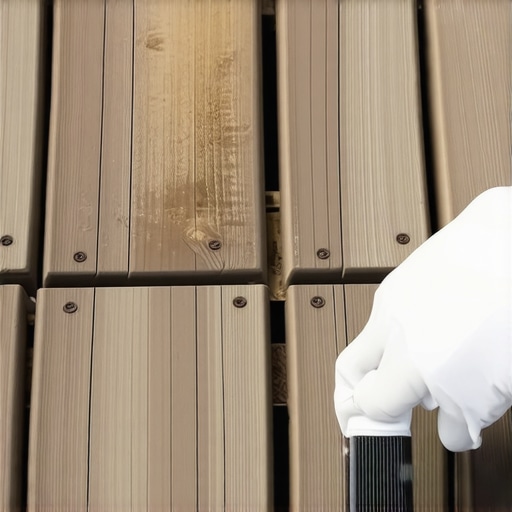
In my experience, employing non-marring tools was a game-changer. I replaced standard clamps with rubberized or silicone-coated ones, which grip tightly without scratching the boards. When I installed the deck, I also wore soft gloves to prevent accidental scratches from rough edges or metal parts. This small change kept my boards pristine even during heavy handling, saving me from costly refinishing later.
Handle Boards Carefully During Transport and Placement
Think of composite boards as delicate glass panels; rough handling leads to scratches. I laid down thick blankets in my truck bed and gently slid the boards onto them rather than dragging directly over rough surfaces. During installation, I lifted and supported each board properly, avoiding dragging tools or elbows across the surface. I remember one hectic afternoon where rushing caused a few marks—so I slowed down and was meticulous, which resulted in a flawless finish.
Prepare Your Workspace to Avoid Accidental Damage
Creating a clean, organized workspace made a noticeable difference. I cleared debris and avoided walking over freshly laid boards with heavy work boots. Concentrating on the area reduced accidental kicks or dropped tools that could scratch the surface. Using a soft-bristled brush to clean debris before working preserved the protective surface layer of the composite material.
Secure Boards Properly During Cutting and Fastening
When cutting or drilling, I clamped boards securely on a stable surface, ensuring even pressure and preventing slips. I avoided freestanding boards, which could shift and cause scratches or uneven cuts. I also used blade guards and bits designed specifically for composite materials, which reduce fraying and chipping. Remember, a stable setup minimizes mishaps that can mar your deck’s surface, and for more details on perfecting your deck with professional tools, visit this guide.
Apply Protective Finish Post-Installation
After successfully laying out my boards without blemishes, I sealed the surface with a high-quality, UV-resistant finish. This not only protected against scratches but also preserved the deck’s appearance over time. Regular maintenance and reapplication of protective coatings can prevent minor scratches from becoming permanent scars. For unique design ideas to elevate your outdoor space, check this article.
 Many homeowners and even seasoned DIY enthusiasts often fall prey to misconceptions when planning their outdoor spaces, especially concerning deck design, pergolas, composite decking, and railing systems. While surface-level advice is widespread, let’s dig deeper into some of the most overlooked nuances that can make or break your project’s success.
**Avoid the Oversimplification of Aesthetic Choices** When selecting colors or styles, many assume that matching existing home tones or following trendy patterns guarantees long-term satisfaction. However, expert designers emphasize the importance of considering climate, wear patterns, and maintenance. For instance, darker composite decking may look sleek but can absorb more heat, making barefoot walking uncomfortable during summer—an aspect discussed in recent durability studies.
**Beware of the ‘One-Size-Fits-All’ Railing Systems** Railing designs are often chosen based on personal preference or cost, but neglecting structural codes and safety standards can result in non-compliance or dangerous setups. A common mistake involves spacing balusters too far apart, which might pass inspections now but can pose a fall hazard over time. To meet safety and aesthetic goals simultaneously, explore options like custom railing systems that optimize both form and function – more info can be found in our detailed guide on railing safety and styles.
**Myth: Minimalism Equals Easy Maintenance** It’s tempting to opt for simple, minimalist deck geometries, assuming they require less upkeep. Yet, complex layouts with multiple levels, stairs, or integrated pergolas can hide dirt and moisture, leading to faster deterioration if not properly designed. Advanced planning on drainage and material selection is crucial here, as improper sealing or inadequate slope can cause water pooling and mold growth.
**Hidden Trap: Ignoring the Nuances of Material Compatibility** Different composite decking brands and railing materials might look similar but can have incompatible expansion rates or bonding properties. For example, trying to pair a PVC railing with a wood-plastic composite deck without considering the expansion can lead to warping or gaps over seasons. Industry experts recommend consulting manufacturer specs before mixing materials, which can be a subtle but decisive factor. For more insights, you might want to check out recent trends in durable material solutions for modern outdoor living.
**Advanced Insight: How to Navigate Local Regulations and Design Flexibility** Sometimes, homeowners overlook the importance of local building regulations or community standards, leading to costly modifications or rebuilds. Interestingly, incorporating adjustable or modular components in your design can offer long-term flexibility, accommodating future changes or additions without complete overhaul. Read more about innovative deck and pergola design ideas that respect regulations but allow room for personal expression.
In the end, understanding these nuances and myths can save you time, money, and frustration. Remember, a well-executed outdoor space isn’t just about looks—it’s about durability, safety, and harmonious integration with your environment. Have you ever fallen into this trap? Let me know in the comments.When investing time and resources into building a durable outdoor space, having the right tools and maintenance routines is crucial for ensuring longevity and performance. I’ve found that equipment tailored for composite decking and pergolas not only speeds up the process but also preserves the quality of materials over years of use.
A standout tool in my arsenal is the cordless impact driver, specifically the Milwaukee M18 FUEL. Its high torque and compact design make fastening deck screws effortless, reducing the risk of over-driving or damaging boards. For precision cutting, I rely on a DeWalt DW717 miter saw equipped with a fine-tooth blade designed for composite materials, which results in smooth, clean cuts without splintering or chipping.
To measure and align components accurately, a Bosch GLL 3-80 Laser Level is indispensable. It ensures level installations of railings and pergola beams, saving time and preventing uneven gaps that could compromise safety or aesthetics. When dealing with expansion gaps in composite decking, I use a spacer system that maintains consistent spacing throughout the project, which you can learn more about in our guide on [how to fix 2026 composite decking grain mismatch](https://deckforgebuilders.com/5-ways-to-fix-2026-composite-decking-grain-mismatch).
Maintenance-wise, applying a penetrating sealant like Messmer’s UV Plus for decks provides a protective barrier against UV damage, moisture, and mold. Routine cleaning with a soft-scrub brush and a gentle-soap solution keeps the surface pristine without harming the composite’s finish.
Looking ahead, the trend points toward smart maintenance systems integrated with IoT sensors that can monitor moisture levels and wear patterns. While not mainstream yet, early prototypes suggest a future where ongoing upkeep becomes less labor-intensive.
**How do I keep my deck and pergola functioning over time?** Regular inspections, cleaning, and timely application of protective treatments are key. Check fasteners for looseness, replace any corroded components, and ensure drainage systems are working correctly to prevent water pooling, which can accelerate deterioration.
One advanced tip I recommend: switch to a laser-guided alignment system during installation to ensure your railing posts and pergola beams are perfectly straight. This simple upgrade reduces misalignments and enhances structural integrity, making maintenance easier in the long run. For more on professional tools that make deck design foolproof, explore our section on [innovative deck design ideas that elevate your home’s curb appeal](https://deckforgebuilders.com/innovative-deck-design-ideas-that-elevate-your-homes-curb-appeal). Remember, investing in quality tools and routine upkeep not only extends your project’s lifespan but also preserves its beauty and safety.
The Hardest Lesson I Learned About deck design, pergola, composite decking, railing systems
One of the most impactful lessons was realizing that rushing the installation process often leads to avoidable mistakes. I learned that patience and meticulous handling are crucial, especially when dealing with delicate composite surfaces that can scratch easily. Investing in quality tools and taking the time to prepare my workspace made all the difference, creating a beautiful, damage-free outdoor sanctuary.
My Essential Toolkit for Deck and Pergola Projects
Tools like a laser level for precise alignment, impact drivers with torque control, and non-marring clamps revolutionized my approach. I trust these because they’ve consistently delivered professional results and saved me from costly fixes. Additionally, selecting the right sealants and cleaning supplies ensures my deck remains pristine over years of use, turning a DIY project into a long-term investment.
Don’t Be Afraid to Start Your Outdoor Transformation
Building or upgrading your outdoor space with composite decking and stylish pergolas can be incredibly rewarding. Embrace the learning curve, and remember that perfection comes from careful planning and attention to detail. Your dream outdoor area awaits—take that first step confidently, and enjoy the process as much as the finished result. Curious about design ideas? Check out innovative deck design ideas to get inspired. And if you want tailored advice, don’t hesitate to reach out for expert guidance.
Comments are closed.