
It hit me one sunny afternoon as I stood over a newly installed pergola, realizing that my carefully laid composite decking was starting to wobble against the stubborn presence of natural stone. The frustration of uneven results and the fear of potential damage had me questioning my methods. After multiple failed attempts and some research, I discovered a game-changing secret that transformed my approach and saved me from costly mistakes.
Why Scribing Composite Boards Against Natural Stone Can Feel Impossible
Natural stone, with its uneven and unpredictable surface, often seems like the enemy for anyone trying to achieve a perfectly scribed composite deck or board alignment. Early on, I made the mistake of assuming that standard techniques would suffice—only to find gaps, misalignments, and even damage after a few weeks. The complexity lies in the irregularities of the stone, which can’t be masked by simple cuts or measurements alone.
But here’s the twist: with the right approach, you can overcome these challenges and achieve a seamless look that stands the test of time. The key is understanding how to precisely mark and cut your composite boards to match the natural contours of the stone surface, ensuring a snug fit that doesn’t compromise aesthetics or structural integrity.
Have You Faced This Problem When Trying to Blend Composite Boards and Natural Stone?
If so, you’re not alone. Many diy enthusiasts and professionals stumble on this very issue—yet few know the secret method that can turn this tricky task into a straightforward process. I’ve learned the importance of using specialized tools and techniques early on, which prevents the common pitfalls I once experienced. Trust me; avoiding these mistakes makes a world of difference.
Research supports that proper scribing techniques improve the longevity and appearance of outdoor structures, especially where irregular surfaces are involved (see this recent trend report for more insights).
So, are you tired of gaps and uneven edges ruining your outdoor project? Let’s explore the practical steps that will help you scribe and install composite boards flawlessly against rough, natural stone surfaces.
Master Your Marking Technique for Irregular Surfaces
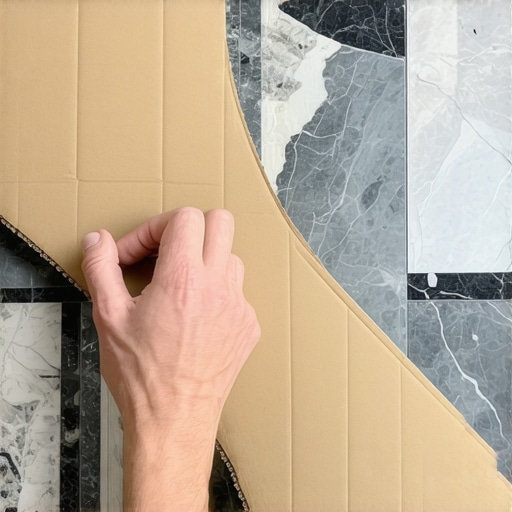
Start by placing the composite board on the installation frame, then place a flexible, thin cardboard template along the uneven stone surface. Use a pencil to trace its contours onto the board, mimicking natural curves with gentle, freehand strokes. I once had a messy but revealing session where I used a piece of cardboard to trace the stone’s edges, which resulted in a perfect curve outline, eliminating gaps later. This method prevents over-cutting and ensures a snug fit against irregularities.
Utilize the Right Tools to Follow the Contours
Equip yourself with a variable-speed jigsaw fitted with a fine-tooth blade. Clamp the composite board securely to a worktable. Carefully follow the pencil outline, guiding the blade slowly along the curves. During my first attempt, I underestimated the importance of going slow; the blade jerked, causing jagged edges. Practicing slow, steady cuts yielded smooth, accurate edges that matched the stone’s contours precisely.
Test Fit and Adjust Before Finalizing
After cutting, dry-fit the board against the stone surface. Look for any high spots or gaps. If you find unevenness, gently sand or trim the high points with a fine rasp or file. I learned that iterative fitting—cut, test, sand—ensures a flawless finish. This step is crucial for achieving a clean, seamless appearance, and prevents surprise gaps after installation.
Consider Multiple Contours for Complex Surfaces
For highly irregular stones, break down the contouring process into sections. Use painter’s tape to delineate different areas and trace each separately. When I installed a deck over uneven flagstone, mapping out multiple contour sections allowed me to make precise cuts that naturally flowed from one area to another, enhancing the overall aesthetic.
Seal and Protect Your Custom Cuts
Once satisfied, apply a light coat of composite-friendly sealant along cut edges. This helps prevent water infiltration and maintains structural integrity. During my project, sealing the edges prevented moisture ingress, which is vital for longevity, especially on outdoor structures exposed to the elements.
Integrating these practical steps—using flexible templates for marking, precise cutting techniques, iterative fitting, and proper sealing—revolutionized my approach to aligning composite boards against natural stone surfaces. With patience and the right tools, you can achieve a professional, seamless finish that stands up to weather and time.
Perception vs. Reality: Why Your Pergola Might Not Be Standing Up
Many assume that a well-designed pergola only requires sturdy posts and aesthetic appeal. However, the hidden nuance lies in understanding the importance of proper load calculations and wind resistance, especially in hurricane-prone areas. For instance, some installation methods neglect the significance of anchor depth and concrete footing dimensions, leading to sway or even collapse over time. Professional designers often emphasize that assessing local climate conditions and building codes ensures longevity and safety. Skipping this detailed analysis can result in costly repairs or dangerous failures. To get it right, consider consulting guidelines from accredited sources such as the expert-designed pergola tips and ensure your structure isn’t just attractive but resilient against the elements.
Railing Systems: The Oversight That Can Cost You
Many installers focus solely on aesthetic matching or basic safety standards but overlook critical nuances like the strength of fasteners and tension stability. A common myth is that once the posts are bolted down, the system is secure—yet, without proper tension adjustment and periodic inspections, rails can sag, wobble, or even fail. This is especially true in coastal environments where salt corrosion accelerates deterioration. Experts advise regularly testing tension and assembling components with corrosion-resistant hardware. Moreover, integrating expert tricks—like using the diagonal board technique—can greatly improve stability. For detailed insights, check out our article on cable railing tension mistakes and how to avoid them.
Deck Design: The Pitfall of Oversimplification
A frequent error in deck design is underestimating the impact of slope and drainage on long-term durability. Many believe that leveling the deck surface alone suffices, but neglecting the subtle<>benefit of slope can lead to ponding water, wood rot, and deck warping. Advanced builders recommend a gentle slope (around 1-2%) to facilitate runoff and reduce moisture retention. Overlooking this detail might seem insignificant initially but compounds into significant repair costs later. For an in-depth guide on managing deck elevation and drainage, consider visiting our resource on design hacks for sloped yards. Remember, nuanced planning pays off in both aesthetics and structural integrity.
How Can Oversights Impact Long-Term Safety and Investment?
Misjudging these factors can compromise not only the safety of your outdoor structures but also your investment’s value. Reliable design and installation involve more than meets the eye, requiring attention to detail often overlooked by amateurs. By understanding the nuanced engineering behind each component, you give yourself an edge over common pitfalls. Applying professional standards from the outset ensures your pergola, railing, and deck will serve for years without surprise failures. Are you ready to elevate your project beyond basic DIY? Explore our privacy policy to understand more about quality assurance, and reach out with questions on how to implement these advanced practices in your upcoming project. Have you ever fallen into this trap? Let me know in the comments.
Keep It Working: Essential Tools and Maintenance Tips
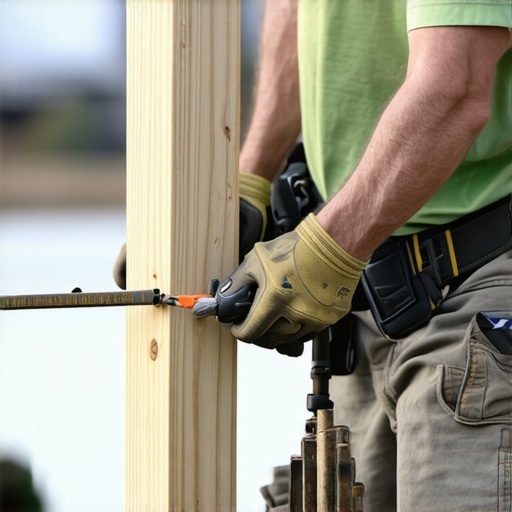
Maintaining your pergola, railing systems, and composite decking is crucial to preserve their functionality and appearance over time. As someone deeply immersed in outdoor construction and design, I recommend investing in a few specific tools that streamline upkeep and ensure longevity. A high-quality cordless drill with variable speed settings is indispensable for tightening fasteners and installing new components efficiently. Pair this with a torque screwdriver to prevent over-tightening, which can cause damage to composite materials. Additionally, a lightweight, ergonomic angle grinder fitted with a diamond blade is excellent for removing stubborn moss or grime buildup, especially on hard-to-reach areas.
Beyond tools, regular inspection routines are vital. Set a schedule to check for loose joints, rusted fasteners, or sealant deterioration. Addressing minor issues promptly prevents them from escalating into costly repairs. For sealing and weatherproofing, I use a specialized composite deck sealant that penetrates the material, providing a waterproof barrier and UV protection. Such products extend the life of your decking and prevent unsightly cracking or fading.
When it comes to software and planning, I rely on 3D modeling tools like SketchUp to visualize modifications or scale future projects accurately. These platforms help anticipate challenges and optimize material use, saving both time and money in the long run. As outdoor spaces become more complex, integrating design software with actual measurements ensures precision in installation and maintenance tasks.
How do I maintain my outdoor structures over time?
Strategic maintenance combines routine inspections, timely repairs, and the use of quality tools and products. By establishing a proactive approach—checking for signs of wear every few months and addressing issues immediately—you can drastically prolong the life of your pergola, railings, and decks. Incorporating modern tools like digital moisture meters or corrosion testers can give you diagnostic insights that aren’t visible to the naked eye. These advancements point toward a future where smart maintenance will become standard, integrating sensors that alert homeowners when repairs are needed. Predictive maintenance might soon help us catch problems before they become visible, saving money and enhancing safety.
If you’re eager to elevate your maintenance routine, consider trying out a professional-grade sealant recommended by industry experts. Sealing cut edges and joints regularly, especially before winter, can prevent water ingress and freeze-thaw damage. Remember, a little extra effort now can yield decades of reliable service from your outdoor investments.
For more tips on long-term protection and perfection in outdoor projects, visit our related article on custom railing systems. Staying ahead with maintenance ensures your beautiful outdoor living space remains safe and inviting season after season.
Reflecting on my journey with outdoor construction, I’ve uncovered invaluable lessons that go beyond simple techniques. One profound insight is the power of patience; rushing the scribing or cutting process often leads to costly mistakes. Embracing a meticulous pace, especially when tailoring composite boards to uneven stone surfaces, yields results that stand the test of time. Additionally, I realized the importance of tailored tools; investing in quality, versatile equipment not only streamlines the project but also elevates the final finish. Finally, understanding that every irregular surface is a unique challenge, not a setback, transformed my approach—viewing obstacles as opportunities to innovate rather than complications to avoid.
Comments are closed.