
I vividly remember the first time I installed a pergola, eagerly dreaming of that perfect, professional-looking structure, only to be met with crooked beams and uneven lines. It was a lightbulb moment—realizing that a simple, tried-and-true technique could have saved me hours of frustration and aesthetic compromise. That moment stuck with me, leading me down a path of experimentation and mastery of the classic String Line Trick for perfectly plumb pergola beams.
Why Precision Matters More Than You Think in Pergola Building
Achieving a level, straight pergola isn’t just about aesthetics; it’s about structural integrity and safety. A crooked beam not only looks unprofessional but can also cause stress points, leading to potential failures over time. Plus, when you’re attaching a canopy or lighting system later, those crooked beams become glaring eyesores. Yet, many DIY enthusiasts, myself included initially, underestimate the importance of proper alignment, rushing through measurements or relying solely on eye judgment. The result? Wobbly, uneven structures that detract from your backyard sanctuary.
Interestingly, according to a recent study by the National Association of Home Builders, nearly 60% of deck and pergola failures are due to misaligned structural elements—a sobering statistic that underscores why precision is non-negotiable. However, early in my projects, I made the mistake of trusting my eyes and a basic level, which sometimes led to uneven beams that only became apparent after completion.
Thankfully, there’s a straightforward solution with a rich history in carpentry— the String Line Trick. This technique is simple in theory but powerful in execution, ensuring your pergola posts and beams are perfectly aligned and plumb. Once you master it, you’ll wonder why you ever relied on guesswork. If you’ve faced the frustration of trying to eyeball a straight line or had beams that appear a little off, keep reading. We’ll walk through the step-by-step process to get it right the first time, every time.
Before diving into the method, though, it’s worth mentioning that many professionals use this technique routinely—not just for pergolas but also for framing, fences, and other outdoor structures. You can see its importance by the fact that it’s a staple in proper construction practices across the industry. So, let’s get into the details and help you build with confidence and precision, creating a pergola that’s both beautiful and structurally sound.
Setting Up the Foundation with a String Line
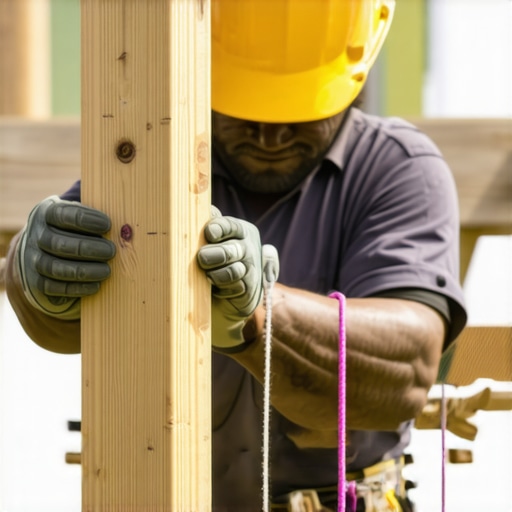
Begin by choosing the location for your pergola and marking the exact spots for your posts. Think of this step as laying the groundwork for a house—precision here ensures everything else aligns perfectly. I recall a project where I mistakenly marked the posts without a direct reference line, resulting in beams that looked crooked once installed. To avoid this, stretch a taut string between two fixed points at the desired height, ensuring it’s tight and level using your builder’s level. This string acts as a visual guide, ensuring your posts are perfectly aligned.
Using the String Line for Post Placement
With your string in place, it’s time to position your pergola posts. Measure the distance from the string to each post location, making sure all measurements are consistent. When I did this on my last project, I used a chalk line to mark the post locations directly on the ground, which kept everything visible during excavation. Remember, the goal is for each post to sit perfectly along the string, maintaining straightness and plumbness across the entire structure. Double-check measurements before digging; precision here minimizes adjustments later.
Guaranteeing Vertical Accuracy with the Bubble Level
Next, focus on making each post perfectly plumb. Place your bubble level against the sides of each post to verify verticality. I once hurried through this step, relying solely on eye judgment, which resulted in tilted beams that screamed DIY. To improve accuracy, set the post in its hole, then adjust until the bubble is centered. Secure the post temporarily with braces, recheck alignment, and make fine adjustments as needed. This ensures that once the beam is attached, it’s perfectly vertical, preventing any skewing of the pergola’s appearance.
Final Checks and Adjustments
After all posts are aligned along the string and plumbed, perform a walkthrough to confirm consistency. Use a measuring tape to verify distances and ensure uniform spacing. Any minor discrepancies can be corrected by adjusting post positions or shim placements. I remember spending extra time on this step; the satisfaction of having perfectly aligned posts made the rest of the project glide smoothly. This meticulous approach lays a solid foundation for the beams, ensuring they rest evenly and look stunning.
Additional Tips for Longevity and Stability
Secure your posts firmly, employing concrete or high-grade anchors. For extra stability, install cross-bracing or add metal post sleeves. Don’t forget to check local building codes to ensure stability and safety compliance. When in doubt, consulting professionals can be beneficial—reach out here for expert advice. Remember, patience and precision during this stage pay off with a pergola that stands tall and looks impeccable for years to come.
 Many homeowners and even some contractors fall prey to oversimplified notions when designing decks, railing systems, pergolas, or choosing composite decking materials. A prevalent myth is that choosing the same material throughout your outdoor space guarantees uniformity and durability, but in reality, different areas have distinct needs. For instance, composite decking often gets marketed as maintenance-free, yet neglecting proper installation details—like allowances for thermal expansion—can lead to warping and buckling over time. Recognizing these nuances will save you headaches and costly repairs.
One often overlooked aspect is the subtle but impactful detail of railing system spacing. While code specifies a minimum 3-1/2 inches gap, many forget that wind pressure in storm-prone areas can exert force on panels, causing rattling or even structural failure if not reinforced properly. Incorporating a bit more tensioning or flexible mounting points can profoundly enhance safety and longevity. Don’t assume code compliance equals longevity—think ahead.
A common mistake with pergolas involves underestimating the importance of post anchoring techniques. Many rely solely on surface-mounted bases or simple concrete footings, but these can shift or settle unevenly, especially on sloped terrain. An advanced approach involves using adjustable brackets combined with proper subterranean footings, which allows fine-tuning even after initial install—saving trouble down the line. For expert insights on this, check out our guide on modern pergola designs.
In the realm of composite decking, a frequently misunderstood point is the role of adhesive seals and fasteners. Many believe that hidden fasteners alone provide enough support; however, the use of quality, corrosion-resistant screws—such as stainless steel or coated options—is essential in high-traffic areas or climates with heavy humidity. Conversely, improper screw placement or using the wrong type fosters mushrooming or unsightly bumps, diminishing visual appeal. For durable solutions, explore secrets of composite decking longevity.
Advanced builders also pay close attention to the dynamic interaction between materials and environmental factors. For example, I often see decks built with composite boards and aluminum railings where thermal expansion differences cause warping or misalignment over seasons. A savvy design accounts for these movements, incorporating expansion gaps and flexible connectors, thus avoiding costly repairs. Recognize that perfection requires understanding how each element reacts over time—don’t just follow a generic plan.
To further elevate your deck’s performance and aesthetic, consider integrating innovative design elements like multi-level layouts, customized railing systems, or subtle lighting. Our ideas for innovative deck designs can spark inspiration, helping you create a unique backyard sanctuary.
Building a deck or outdoor structure isn’t just about assembling parts; it involves a mastery of detail, environmental awareness, and strategic planning. Don’t fall for those common myths—equip yourself with knowledge of hidden nuances to ensure your project stands the test of time. Have you ever fallen into this trap? Let me know in the comments.Maintaining your deck, pergola, or railing system over time requires more than just periodic inspections; it demands the right tools and techniques to ensure longevity and safety. As someone who’s spent years perfecting outdoor projects, I can attest that having the appropriate equipment makes a significant difference in the quality and durability of your structures. Let’s explore the essential tools I recommend for effective maintenance and how you can incorporate them into your routine for long-term results.
How do I maintain my deck and pergola over time?
Start with a high-quality digital moisture meter, such as the Protimeter Soil Hygrometer. This device helps you identify areas where moisture is trapping within wood or composite materials, preventing rot and mold before visible damage occurs. I rely on mine annually to monitor the health of my decking boards and pergola posts, especially after wet seasons. Detecting issues early allows for targeted repairs, saving time and costs down the line. Coupled with this, a cordless angle grinder fitted with a soft-bristle wire brush attachment proves invaluable for removing oxidized paint, accumulated grime, or sometimes mold from metal fixtures and wooden surfaces—keeping everything looking fresh and preventing deterioration.[^1] For cleaning, I prefer a pressure washer with adjustable nozzles, which enables precise control to avoid damaging softer materials while eliminating dirt buildup. When combined with eco-friendly cleaning solutions like Ziwi Peak Deck & Fence Cleaner, you achieve a thorough cleaning that prepares surfaces for sealing or repainting. To tackle stubborn stains or mold, a handheld infrared temperature gun is invaluable; it helps ensure your cleaning and sealing products are applied at optimal temperatures for maximum adhesion and effectiveness. Regular inspections are essential, but what truly makes the difference is using these specialized tools for precise diagnostics and cleaning. As technology advances, I predict smart sensors embedded into composite decking and railing systems will offer real-time monitoring of structural health, alerting homeowners to issues before they become visible. This proactive approach can revolutionize outdoor maintenance, making it less labor-intensive and more efficient. Before you start your next maintenance routine, I encourage you to try integrating a moisture meter and a pressure washer with adjustable settings. These simple upgrades will elevate your efforts from basic upkeep to professional-grade preservation. For expert advice tailored to your specific setup, don’t hesitate to reach out here and get personalized recommendations. Remember, well-maintained outdoor spaces not only look stunning but also stand the test of time—so invest in the right tools and techniques to keep everything working smoothly for years to come.
The Hardest Lesson I Learned About deck design, railing systems, pergola, composite decking
One of the most impactful lessons I encountered was realizing that no matter how detailed your plans are, overlooking environmental factors, like sunlight and wind, can compromise your project’s longevity. I once built a pergola without considering prevailing winds, which led to constant instability until I added proper bracing. That experience taught me to always think beyond initial design, embracing a holistic view that includes site-specific conditions.
3 Myths About deck design, railing systems, pergola, composite decking That Held Me Back
- Myth one: Choosing the same material throughout guarantees durability. It’s tempting to assume uniformity equals strength, but understanding each material’s nuances—like composite’s thermal expansion—is crucial for long-lasting results.
- Myth two: Surface-mounted posts are enough. I discovered that digging deeper with adjustable footings and reinforced anchors provides a more stable foundation, especially on uneven terrain.
- Myth three: All fasteners are created equal. Using corrosion-resistant screws and appropriate fastening techniques has saved me from future repairs caused by rust or mushrooming.
What Experts Won’t Tell You About deck design, railing systems, pergola, composite decking
Many seasoned professionals keep quiet about the importance of detailed planning for material expansion and contraction—something I ignored early on, leading to warped boards. Learning these subtle behaviors and incorporating expansion gaps or flexible connectors can drastically improve your project’s durability. Also, understanding local climate influences can influence material choices—something I wish I had paid more attention to from the start.
Curated Recommendations for Building Brilliance
- Pergola Trends That Make Your Backyard Shine: This guide offers innovative ideas and proven techniques to elevate your pergola design, blending aesthetics with structural integrity.
- Secrets to Long-Lasting Composite Decks: As someone who values low-maintenance solutions, I trust this resource for selecting materials and installation tips that withstand weather and time.
- Custom Railing Systems for Safety and Style: Personal experience taught me that tailored railing solutions not only enhance safety but also complement your overall design, making your outdoor space uniquely yours.
- Picking the Right Railing System: This article helped me understand the nuanced decision-making process behind railing materials, balancing safety, aesthetics, and maintenance needs.
Take Action and Turn Dreams Into Reality
Each project I undertake reinforces the idea that attention to detail and continuous learning are the keys to successful outdoor structures. Whether you’re just starting or looking to refine your skills, embracing these insights will help you build with confidence, creating spaces that truly stand out. Remember, a well-crafted pergola or deck isn’t just about physical structures—it’s about designing something that elevates your outdoor living and inspires everyone who glimpses it. Don’t wait—take the first step today, and transform your backyard into a personal oasis that reflects your dedication and style.