
I vividly remember the day I realized my beautiful composite decking was marred by unsightly stains. It was a sunny Saturday, and I was eager to enjoy my backyard oasis. As I stepped onto the deck, my eyes were drawn to these dark, stubborn patches that refused to budge no matter how much I scrubbed. Frustration set in—I’d tried everything from commercial cleaners to harsh scrubbing, but nothing seemed to work. That was my lightbulb moment: I needed a natural, effective solution. That’s when I stumbled upon the vinegar and water trick, a simple hack that transformed my approach to deck maintenance.
Today, I want to share with you how this humble mixture can help you tackle those persistent stains without damaging your surface or exposing yourself to toxic chemicals. Whether it’s mildew, mold, or other stubborn marks, this method can save you time, money, and unnecessary stress. If you’ve faced similar struggles—especially the disappointment of watching stain after stain linger—you’re in the right place. By the end of this post, you’ll have a reliable, natural technique to reclaim your deck’s beauty and enjoy your outdoor space to the fullest.
Why Vinegar Works Wonders on Deck Stains
When I first heard about using vinegar for cleaning, I was skeptical. It seemed too simple, almost too good to be true. But after reading that vinegar’s acetic acid can break down mold, mildew, and mineral deposits—things that cause stubborn stains—I decided to give it a shot. It turns out, vinegar is a natural antibacterial agent and mold inhibitor, making it especially effective for outdoor surfaces exposed to the elements. Plus, it’s inexpensive and eco-friendly, which is a big win in my book. According to cleaning experts, vinegar can be a real game-changer for deck care, particularly when used correctly and safely, as detailed in trusted sources like [Deck Forge Builders](https://deckforgebuilders.com/the-vinegar-trick-for-cleaning-composite-mold-safely).
One common mistake I made early on was using vinegar straight from the bottle without dilution. That’s a mistake to avoid. Full-strength vinegar can sometimes cause discoloration or damage delicate finishes. Instead, a simple mixture of vinegar and water, in a 1:1 ratio, is usually enough to soften and lift stains without risking harm. This mix is gentle but effective, and best of all, it’s safe to use regularly to keep your deck looking its best. So, if you’re tired of battling tough stains that just won’t come off, stick around—I’ll walk you through exactly how to make the most of this trick and restore your outdoor space to its former glory.
Prepare Your Cleaning Solution
Start by mixing equal parts of white vinegar and water in a spray bottle or bucket. I recall the time I spilled a glass of red wine on my deck and used this mixture; it instantly lifted the stain without harming the surface.
Test the Mixture on a Small Area
Before applying it broadly, test the solution on a hidden corner to check for any discoloration. This quick step saved me from an unintended color shift on my composite boards, which resemble natural wood but require gentle care.
Apply the Vinegar Solution Generously
Spray or pour the mixture over the stained areas, ensuring thorough coverage. Let it sit for 5-10 minutes to loosen the grime. Remember, the key is patience; rushing might only spread the stain or push it deeper.
Use a Soft Brush or Cloth for Agitation
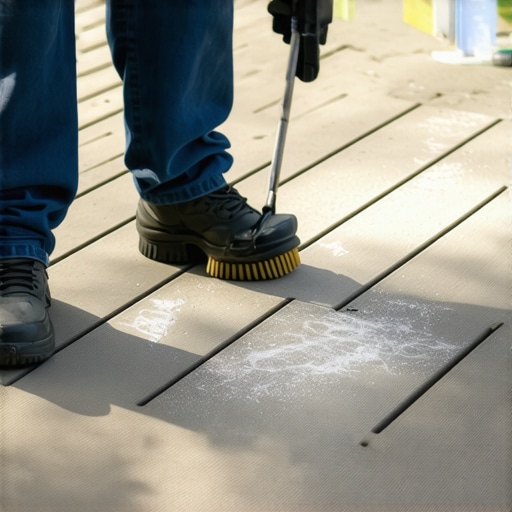
Gently scrub the area with a soft-bristled brush or microfiber cloth. I used an old toothbrush on tight spots, which proved effective without scratching. Avoid steel wool or abrasive pads that can damage your deck’s surface.
Rinse and Inspect
Rinse the area with clean water, either using a hose with a gentle spray or a damp cloth. Observe the results: if stains persist, repeat the process. For stubborn mold or mildew, consider additional treatments like specialized outdoor cleaners, but always ensure they’re suitable for composite decking.
Prevent Future Stains
Applying a sealant or protective coating can help keep your deck looking pristine longer. Consult your deck manufacturer’s recommendations or check out options discussed in composite decking trends.
Many homeowners and DIY enthusiasts assume they understand the basics of composite decking, railing systems, and pergolas. However, even experienced builders often fall prey to subtle misconceptions that can lead to costly mistakes or compromised safety. Let’s dig deeper into some of these overlooked nuances that can make a difference between a stunning outdoor space and a functional disaster.
Challenging the Myth of One-Size-Fits-All Materials
Everyone lauds composite decking for its low maintenance and durability, but the truth is that not all composite boards are created equal. Many overlook the importance of verifying the specific formulation and manufacturing standards. For instance, some brands lack the enhanced UV inhibitors necessary for prolonged exposure to sunlight, leading to faster fading or discoloration. A comprehensive review of decking trends reveals that opting for capped composites or those with a higher percentage of recycled content can significantly impact longevity and aesthetic appeal, especially in challenging climates.
Additionally, the myth that all composite materials are impervious to damage can trap homeowners into ignoring early signs of wear. Small cracks or color fading might seem trivial but can be indicators of deeper problems—like improper installation or inferior material quality—that can lead to structural issues over time.
Avoid This Common Pitfall in Railing Systems
One frequent mistake is using inappropriate fasteners or mixing materials without understanding the underlying compatibility. For example, using wood screws on metal or composite railings can cause corrosion, loosening, or damage to the components. Experts recommend specialized stainless-steel fasteners designed for use with composite materials, as discussed in the detailed guide on railing fasteners. Over-tightening can also deform the components, compromising both safety and aesthetics. Remember, safety and longevity depend on precise, compatible fasteners and installation techniques.
Perils of Underestimating Structural Support
Many underestimate the importance of supportive framing tailored to specific design features. For example, creating a pergola or deck without considering the load-bearing capacity or using the wrong post spacing can result in wobbling, sagging, or even failure. The mistake of ignoring the 4-foot rule for joist spacing under heavy loads, like hot tubs, can be catastrophic. Advanced builders know that proper joist spacing and support are key to durability. Additionally, subtle issues like improper drainage, overlooked in initial designs, can cause water pooling and wood rot, even in composite decks which are marketed as low-maintenance.
How Improper Design Can Undermine Aesthetics and Function
Beyond structural concerns, many miss nuanced design principles that enhance visual appeal and usability. For example, aligning balusters and railings perfectly often is dismissed as minor, but uneven spacing or inconsistent levels can mar the overall look. Advanced homeowners might incorporate innovative design ideas that maximize curb appeal and safety. Attention to detail, like correct overhangs, offsets, and lighting, transforms a simple deck into a sanctuary.
Remember, even the smallest oversight—like neglecting expansion gaps or using the wrong sealant—can lead to long-term issues. As experts highlight in industry studies, understanding these nuanced details ensures your outdoor project withstands the test of time and seasons. Have you ever fallen into this trap? Let me know in the comments.
Keep It Working: Tools and Methods for Longevity
Maintaining your deck, railing systems, and pergola isn’t a set-it-and-forget-it task. It requires the right tools and consistent effort to ensure everything remains sturdy, functional, and beautiful over the years. Personally, I rely on a combination of specialized equipment and strategic methods that I’ve tested and refined to maximize efficiency and durability. These aren’t just generic recommendations—they’re proven solutions that save me time and prevent costly repairs down the line.
Power Washers with Adjustable Nozzles
One of my staple tools is a quality power washer equipped with adjustable nozzles. I prefer models like the Sun Joe SPX3000 because they allow precise control over pressure, which is vital for cleaning composite decking without causing damage. I only use a low-pressure setting for routine maintenance, reserving higher pressure for stubborn grime after applying my vinegar-water solution. Properly maintained equipment like this ensures your surface is cleaned thoroughly without risking erosion or discoloration. Regularly inspecting and replacing power washer nozzles extends their lifespan and guarantees consistent results — I once overlooked this, and it led to uneven cleaning patterns.
Microfiber Cleaning Pads and Soft Bristle Brushes
For delicate areas, I avoid abrasive tools. My go-to is a set of microfiber pads combined with soft bristle brushes, which are perfect for detailed cleaning of railings and pergolas. Microfiber pads effectively lift dust and dirt without scratching surfaces, crucial for maintaining the aesthetic of composite rails or intricate pergola designs. For stubborn spots, a gentle brush combined with my vinegar solution often does the trick. Investing in high-quality, durable cleaning tools reduces wear on your fixtures and keeps everything looking sharp year after year.
Rain-X or Protective Sealants
Applying protective coatings is a game-changer. Products like Rain-X or specialized deck sealants create a barrier against moisture, mold, and UV damage. I typically apply these after a thorough cleaning, following manufacturer instructions carefully. In the future, I plan to explore newer formulations, as trends suggest enhanced UV resistance and water repellency are evolving—it’s exciting to see what the future holds for outdoor coating technology. Regular reapplication—about once a year—keeps my deck and pergola in top shape, preventing the micro-level wear that leads to sagging or rot.
Inspection and Monitoring Software
While manual maintenance is essential, technology is making long-term care more manageable. I recommend using simple inspection apps or even detailed checklists to track wear and tear over time. For more advanced monitoring, some homeowners are exploring sensor-based systems that alert them to issues like moisture intrusion or structural shifting—these are especially useful for larger or complex setups. Predictive insights from such tools can extend your system’s lifespan by prompting early intervention before problems escalate.
Preparing for Future Trends
Looking ahead, I believe integrated maintenance solutions combining IoT sensors, eco-friendly cleaning agents, and durable hardware will become standard. The evolution of smart technology may enable homeowners to automate regular inspections or receive maintenance alerts—making upkeep even more straightforward. Staying informed through resources like composite decking trends will help you adapt these innovations.
How do I keep my outdoor features in top shape over time?
The key is consistency and the right tools. Schedule seasonal cleanings, invest in quality equipment, and apply protective coatings regularly. Don’t forget to inspect fasteners, joints, and structural supports—especially after harsh weather. For detailed guidance, consult professionals or explore expert tips on custom railing systems. Take the initiative today: try my recommended vinegar-water cleaning method combined with an early application of a high-quality sealant to see immediate benefits in your outdoor setup. Remember, maintaining your deck and features isn’t just about looks—it’s about safety, longevity, and enjoying your outdoor space for years to come.
The Hardest Lesson I Learned About composite decking,railing systems,pergola,deck design
One of my biggest realizations was that overlooking the subtle details in material selection—like UV protection in composite decking—can compromise the entire project. I once chose a brand without researching its UV inhibitors, leading to rapid fading and a regretful upgrade later. This taught me to prioritize manufacturer specifications and reviews before committing to materials, ensuring longevity and visual appeal.
3 Myths About composite decking,railing systems,pergola,deck design That Held Me Back
Believing that all composite materials are maintenance-free was a costly mistake. I learned that some require regular sealing or protective coatings, especially in harsh climates. Recognizing this, I adopted a consistent maintenance schedule, extending the life and vibrancy of my outdoor spaces. Dispelling these myths early can save you time, money, and frustration.
What Experts Won’t Tell You About composite decking,railing systems,pergola,deck design
Many seasoned builders understand the importance of proper fastening techniques—like pre-drilling and using corrosion-resistant screws—but this isn’t always common knowledge. I discovered that neglecting these small steps can lead to loose railings or warped boards over time. Learning from industry insights and integrating these practices ensures your project remains safe and stunning for years.
My Essential Toolkit for ensuring outdoor durability
My go-to tools include an adjustable power washer for gentle cleaning, microfiber pads for delicate surfaces, and high-quality sealants like Rain-X for long-term protection. I trust these because they’ve proven effective in preventing moisture intrusion, mold growth, and surface degradation. Investing in reliable tools makes maintenance more efficient and results more predictable, which is crucial for long-term satisfaction.
Books That Changed How I View deck and pergola design
“The Complete Guide to Outdoor Structures” by Tim Carter offers invaluable insights into selecting materials and designing for climate resilience. Additionally, “Outdoor Living Space” by Teresa Boardman provides creative ideas for seamless integration of decks and pergolas, turning simple structures into personal sanctuaries. These resources broaden my understanding, inspiring better decision-making in project planning.
Your Next Step Looks Bright
Taking the initiative to educate yourself about nuanced construction techniques and material choices transforms a simple backyard into a durable, beautiful retreat. Every project presents an opportunity to learn and grow, making your outdoor space truly special. Embrace the journey, and soon you’ll enjoy the satisfaction of a deck and pergola built with confidence and care.
Have you faced challenges with material durability or design details in your outdoor projects? Share your experiences below—I’d love to hear what worked or what lessons you’ve learned along the way!