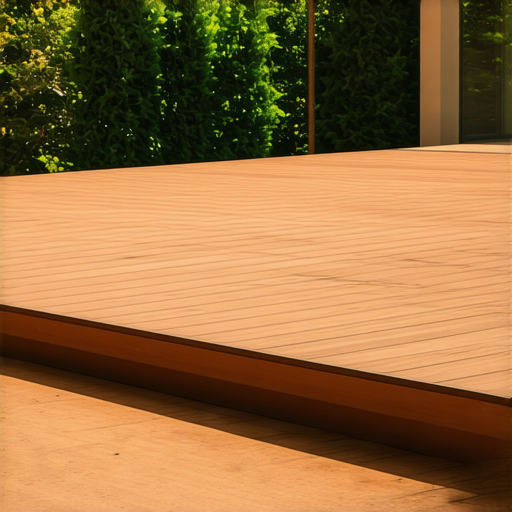

I remember the frustration hitting me one summer afternoon—I had finally built my dream deck, only to see it warp and fade within a couple of years. The initial excitement turned into disappointment when I realized I needed to replace rotten boards and repair waning railings. That lightbulb moment made me reevaluate everything about outdoor deck solutions, from materials to design ideas that promise longevity and trust.
Choosing the right materials and design for your deck isn’t just about aesthetics; it’s about creating a space that withstands the test of time and weather. I’ve been there, torn between traditional wood and modern composites, unsure which will truly last. Today, I want to share with you the secrets I’ve learned—how to select durable, stylish composite decking, and design ideas that turn your outdoor area into a sanctuary you can trust year after year.
Why Quality Matters More Than Ever in Outdoor Decking
In recent years, the demand for resilient outdoor living spaces has soared. With more people spending time at home, your deck isn’t just an extra feature; it’s an extension of your lifestyle. But with endless options, how do you ensure your investment lasts?
One common mistake I made early on was ignoring the importance of materials. I initially opted for untreated lumber, thinking it was the budget-friendly choice. However, I soon faced warping, splintering, and costly repairs. According to industry experts, composite decking offers a superior lifespan—lasting up to 25 years with minimal maintenance—making it a cost-effective and reliable choice for outdoor spaces. You can find out more about this trend in the [latest composite decking trends](https://deckforgebuilders.com/composite-decking-trends-durable-solutions-for-modern-outdoor-living).
Building trust in your outdoor design requires more than just choosing the right boards. Proper railing systems, secure pergola designs, and reliable lighting all contribute to safety and aesthetic appeal. Have you ever faced the anxiety of a railing that wobbles or a pergola that looks flimsy? I have, and I know firsthand how integral sturdy, well-designed features are to enjoying your outdoor oasis.
In the next sections, we will dive into practical tips for selecting the best composite decking materials, innovative design ideas to elevate your curb appeal, and trusted railing solutions that ensure safety and style. Ready to turn your outdoor space into a durable, gorgeous retreat? Let’s get started.
Select Quality Materials for Longevity
Start by assessing your environment and choosing materials that withstand weather and wear. I once opted for treated lumber without researching its durability, which led to early warping. Instead, I recommend exploring modern composite decking options that mimic wood’s appearance but resist rot and fading. Think of composite boards as the armored truck of decking materials—built to last through storms and sun without significant upkeep.
Choose the Right Composite Decking
Pick boards with high UV resistance and non-slip surfaces. When I built my deck, I selected a brand emphasizing these traits, which proved crucial during rainy months when slick surfaces could be dangerous. Look for warranties and check reviews focusing on weather resistance to ensure your choice endures.
Design for Stability and Safety
Visualize the deck’s layout, considering load capacity and access points. I added additional support beams under my platform, akin to strengthening the foundation of a house before painting the walls. This step prevents sagging and wobbling, making your deck safer over time. Remember, a sturdy frame is the backbone of a trustworthy outdoor space—skimp here, and everything suffers.
Plan Your Layout
Use stakes and string lines to outline your deck’s perimeter. For example, I mapped out my deck with these tools, which helped me spot uneven terrain early. It’s a simple but critical step to ensure your deck is level and aligned. Consider incorporating space for features like built-in seating or planters during this phase.
Install with Precision and Care
Follow manufacturer guidelines strictly—proper spacing, fastening, and sealing matter. I once rushed the process and misfired a few screws, causing them to loosen over time. Using quality fasteners like stainless steel screws prevents rust and ensures long-term integrity. Treat your installation like a puzzle—each piece must fit perfectly for the entire structure to stand strong in future storms.
Secure the Frame
Use a level and measuring tape constantly. When I worked on my project, I checked levels after every few boards, which saved me from dealing with uneven surfaces later. Double-check every connection to avoid structural weaknesses that can compromise safety.
Incorporate Reliable Railing and Pergolas
Finish your deck with robust railing systems and shade structures to boost safety and style. I installed a custom railing system that matched my aesthetic and provided peace of mind. Think of the railing as a safety belt—essential for preventing accidents, especially with kids or pets.
Select and Install Railing
Opt for materials like aluminum or composite for durability. When I chose my rails, I prioritized low maintenance and rust resistance, which kept my view unobstructed and my deck safe. Secure all posts firmly into the framing, ensuring stability even in gusty winds.
Add a Pergola for Style and Shade
A pergola adds aesthetic value and functionality. I built mine using trusted design tips to create a space perfect for lounging. When constructing, ensure posts are anchored deep into concrete for maximum stability, just like planting sturdy trees—deep roots prevent toppling.
While many prioritize choosing the right materials or trendy designs, it’s often the nuanced mistakes that undermine outdoor projects’ longevity and safety. One common misconception is assuming that a visually appealing railing system alone guarantees durability. In reality, overlooking the installation quality, such as proper anchoring and weatherproof fasteners, can lead to wobbling or rusting over time, compromising safety. Advanced builders know that material selection must be paired with meticulous installation, emphasizing the importance of support framing and corrosion-resistant hardware—don’t underestimate the details that appear minor but are critical for lasting trust in your outdoor spaces. Moreover, many believe that composite decking is entirely maintenance-free; however, neglecting regular cleaning for mold or dirt buildup can cause surface degradation, especially in shaded areas. For sophisticated users aiming for a durable, stylish retreat, integrating a well-designed pergola requires more than aesthetic appeal—it should be anchored deeply into stable foundations and constructed with materials resistant to UV and moisture, preventing warping or collapse. An often overlooked nuance is the wind load calculation on open-sided pergolas or elevated decks. Excessive wind forces can stress joints and supports if not properly engineered, leading to costly repairs or safety hazards. Installing adjustable braces or choosing robust anchoring solutions can mitigate this risk. The misconception that all composite materials are equal is another trap. Some cheaper options might contain fillers that degrade under UV exposure, forming surface cracks or discoloration faster. Consulting expert guidelines or trusted reviews is essential, and I recommend checking out the latest trends in [composite decking](https://deckforgebuilders.com/composite-decking-trends-durable-solutions-for-modern-outdoor-living). In the end, it’s the attention to these hidden details—like reinforcing support beams, selecting UV-resistant materials, and ensuring wind load safety—that distinguishes a fleeting project from a dependable outdoor haven. Don’t fall for the myth that cost-cutting or surface-level choices suffice; your outdoor space deserves expert precision. Remember, every element, from carefully engineered railing systems to properly secured pergolas, contributes to true peace of mind. Have you ever fallen into this trap? Let me know in the comments or visit our [contact page](https://deckforgebuilders.com/contact-us) to discuss your project!Maintaining a durable and beautiful outdoor deck requires more than just initial construction; it demands ongoing care and the right set of tools. One indispensable tool I rely on is a cordless orbital sander equipped with a fine-grit sanding pad. I use it annually to gently remove mold, dirt, and surface grime from composite decking, ensuring the material’s UV resistance remains uncompromised. For deep cleaning, I prefer a high-pressure washer with a variable nozzle setting, carefully adjusting to avoid damaging the boards while effectively removing dirt that can cause surface degradation over time. Additionally, I use a silicone-based spray-on furniture polish designed specifically for composite materials to restore luster after cleaning. Regular inspection of railing connections and pergola supports is crucial—using a digital torque wrench helps me tighten bolts accurately without over-tightening, which can damage hardware or break fasteners. Incorporating a moisture meter into my routine allows me to monitor wood framing, detecting potential rot or moisture issues early before they become costly repairs. Looking ahead, I predict the integration of smart sensors into deck structures, enabling real-time monitoring of humidity, temperature, and structural integrity—taking maintenance from routine to predictive.
How do I maintain my deck over time?
The secret is consistency and using the right tools for each task. Regular inspections, combined with gentle cleaning and hardware checks, help prolong the life of your deck and prevent minor issues from escalating. Remember, investing in quality maintenance tools like a digital torque wrench or moisture meter pays off by saving you money and stress in the long run. If you’re ready to elevate your maintenance game, try incorporating an annual cleaning routine with a pressure washer set to a gentle spray and follow up with a protective coating suitable for your deck materials. For guidance tailored to your specific setup, consider consulting professionals or exploring trusted resources like the latest composite decking trends. Proper maintenance not only preserves your deck’s appearance but also ensures safety and reliability for years to come. Would you like recommendations on specific tools or advanced maintenance strategies? Reach out through our contact page to get personalized advice.
What I Wish I Knew About Balancing Beauty and Strength Early On
One of the most eye-opening lessons I learned was the importance of aligning aesthetic choices with long-term durability. Initially, I prioritized stylish designs over material resilience, only to face costly repairs. Now, I realize that selecting high-quality, weather-resistant composite decking can save money and preserve beauty over decades.
When Overengineering Becomes Your Best Friend
Adding extra support beams and reinforced framing might seem excessive at first, but it’s the secret to avoiding sagging or wobbling down the line. I discovered that thinking beyond the minimum requirements, especially in supporting features like pergolas and railings, creates a safer, more reliable outdoor space.
The Myth of Maintenance-Free Comfort
Many believe that composite decking and modern railing systems are completely maintenance-free, but neglecting routine cleaning can cause surface degradation and discoloration. Regularly caring for these elements with gentle cleaning tools extends their lifespan and keeps your outdoor retreat looking brand new.
Real-World Compatibility Matters More Than Trends
While trendy design ideas can be tempting, I found that installing features like pergolas with deep anchors and UV-resistant materials makes a tangible difference in performance during storms or seasonal changes. It’s about choosing solutions proven by experience rather than just following the latest fads.
Perfecting the Details for Lasting Confidence
It’s often the small details—correct fastener installation, accurate leveling, and wind load considerations—that determine long-term success. Overlooking these nuances can lead to safety hazards or structural issues. Being meticulous in these steps truly offers peace of mind and longevity.