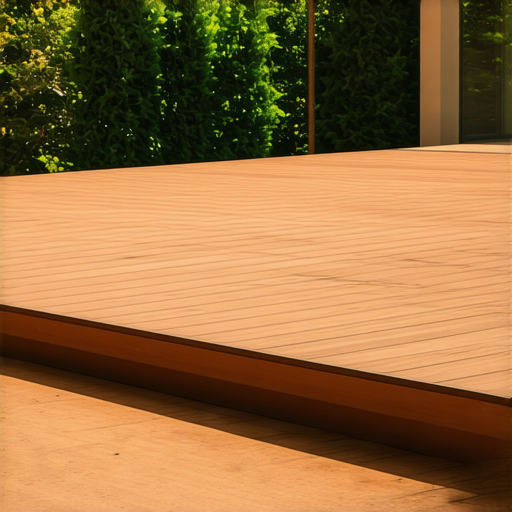
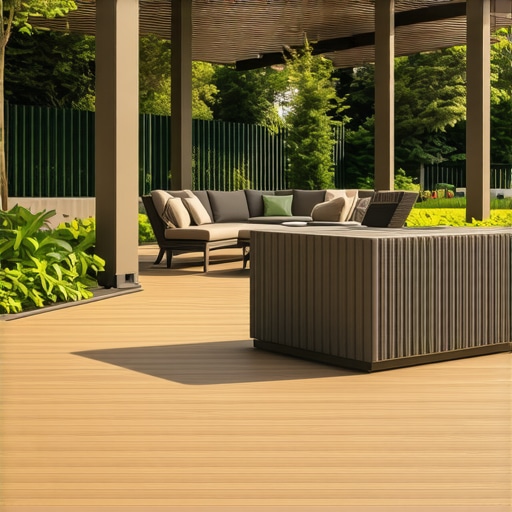
I vividly remember the day I realized my backyard deck was slowly falling apart. The once vibrant wood had started to warp, fade, and splinter—a clear sign that my outdoor sanctuary needed a serious upgrade. That lightbulb moment made me dig deep into the world of durable materials and stylish designs. If you’ve ever stood on your deck, feeling the rough splinters or staring at faded stains, you know exactly what I mean.
But here’s the good news: there are solutions. Today, we’ll explore the best composite decking materials and pergola designs that promise lasting beauty and resilience. No more worrying about rot, splinters, or repainting every few years. Trust me, a well-chosen design can completely transform your backyard into an oasis you’re proud of.
Why Choosing the Right Materials Changes Everything
Selecting top-tier materials isn’t just about aesthetics—it’s about longevity and safety. Composite decking, for instance, has surged in popularity because it resists moisture, pests, and fading, unlike traditional wood. According to industry reports, the demand for composite decking is expected to grow significantly, driven by homeowners seeking reliable outdoor solutions (source).
Early in my renovation journey, I made the mistake of opting for cheaper materials, only to be disappointed when they degraded after a couple of seasons. That’s a mistake I wouldn’t want you to repeat. Instead, investing in proven, innovative options ensures your outdoor space remains stunning year after year.
Design-wise, a pergola can add charm and structure—perfect for creating shaded areas for lounging or dining. Paired with durable composite decking, it offers a seamless blend of style and function.
If you’re eager to explore creative ideas that elevate your curb appeal and outdoor comfort, check out some inspiring deck design ideas. Whether you envision a sleek modern look or a cozy cottage feel, the right combination of materials and design makes all the difference.
So, have you faced the frustration of deck or pergola projects that didn’t stand the test of time? If so, you’re not alone—and help is just a step away. Let’s dive into what makes the best materials and designs for a lasting outdoor retreat.
Plan Your Layout Precisely
Start by sketching your deck’s design on paper, considering the optimal size and shape for your space. Use a tape measure to mark the area, ensuring accurate dimensions. I once laid out the foundation for a small, L-shaped deck, marking corners with spray paint and double-checking measurements; this prevented costly mistakes later.
Choose the Right Materials
Select high-quality composite decking boards that resist moisture and fading, such as those discussed in this guide. Think of composite decking as the sturdy frame of a building—it’s the backbone that supports everything else. I recommend opting for brands with proven durability and warranty to ensure longevity.
Prepare the Foundation Carefully
Dig trenches for support beams, ensuring the ground is level. Use concrete footings or prepacked gravel beds for stability, much like laying a sturdy base for a sculpture. I once poured concrete footings myself, poured a bit too much, but leveling with a sledgehammer proved effective, saving the project from wobbling.
Install the Support Structure
Attach support beams to your foundation using galvanized steel brackets to prevent rusting. Think of the support structure as the skeleton of a building—solid and reliable. Ensure beams are perfectly level using a transit level or laser level. When I did this, I jostled the beams with my foot to verify stability before fixing, avoiding future issues.
Lay Down the Composite Decking
Fit the boards into the support joists, leaving a small gap for water drainage—about 1/8 inch. Secure the boards with concealed or corrosion-resistant screws, as shown in this article. Consider using spacers to maintain uniform gaps. I once forgot to leave gaps, causing water pooling; later, I added spacers for better drainage, which improved the deck’s lifespan.
Build the Railing System Carefully
Select a railing style that complements your design and provides safety, such as the custom railing systems. Attach posts firmly to the deck frame with hardware designed for outdoor use. I used a level to ensure all posts were aligned, as crooked posts ruin visual harmony and safety.
Design the Pergola Intelligently
Decide on the pergola’s size based on your deck’s layout, aiming for shade and aesthetic balance. Use weather-resistant lumber or composite materials, as recommended in this guide. Build the frame square and secure joints tightly. I faced challenges aligning beams but used temporary supports and a square to keep everything in check, resulting in a professional look.
Finish with Practical Touches
Apply a weatherproof sealant compatible with composite and wood elements to protect against moisture and UV damage. Incorporate lighting, furniture, and decorative accents to personalize your space. I once overlooked sealing, which led to minor water stains; a quick reapplication extended the deck’s life considerably.
One of the most overlooked nuances in deck projects is the misconception that choosing the most popular materials guarantees durability. For example, many assume that composite decking, being low-maintenance, requires no attention to detail during installation. However, even the best materials can fall short without proper planning and execution—such as ensuring adequate ventilation beneath the deck or correct spacing to handle thermal expansion. This misconception often leads to premature warping or cracking, contradicting common beliefs that composite boards are completely maintenance-free.
Another subtle mistake involves neglecting load calculations in railing and pergola designs. Some homeowners or even DIY enthusiasts underestimate the importance of properly anchoring support posts or the weight capacity of handrails. For instance, a common myth is that using standard hardware suffices; however, outdoor elements and lateral forces demand galvanized or stainless-steel fixtures and precise calculations. Failure to do so can compromise safety and durability over time. Prioritize consulting specifications or an expert to determine appropriate support systems, especially in regions prone to high winds or heavy snowfall, as discussed in industry standards (source).
Why does ignoring ventilation cause long-term damage to decks?
Proper airflow under the deck prevents moisture buildup, which is critical in averting rot and mold—issues that are often underestimated by beginners. Without sufficient ventilation, trapped humidity accelerates wood decay and compromises the support structure. Expert insights reveal that incorporating vents or gaps into the design can extend deck longevity significantly, especially for wood or composite materials that aren’t entirely impervious to moisture (source).
Let’s also challenge another myth: that all composite decking is equally resistant to fading and staining. In reality, reputable brands employ advanced UV inhibitors and surface treatments, making a substantial difference in the aesthetic retention over many years. Picking inferior options often results in a faded, chalky appearance that diminishes curb appeal. An investment in high-quality, well-engineered composite materials ensures your outdoor space stays vibrant and appealing longer, aligning with the latest trends (see latest insights).
By understanding these hidden nuances and avoiding common mistakes, you arm yourself with the knowledge to design outdoor spaces that are both beautiful and resilient. Precision in planning, material choice, and structural considerations make all the difference—so don’t settle for shortcuts or assumptions. Instead, think about how advanced design techniques, like incorporating integrated drainage or opting for structural supports designed for your climate, can elevate your project beyond the basics. Curious about more expert tips? Explore innovative deck designs or contact us for personalized guidance. Have you ever fallen into this trap? Let me know in the comments.Keeping your outdoor structures in top shape requires more than just good intentions; it demands the right tools and methods to ensure long-term performance. Personally, I rely on a combination of high-quality equipment and software that streamlines maintenance tasks and prolongs the life of your deck, pergola, and railing systems. In this article, I’ll share my favorite tools, explain their benefits, and hint at where this trend is heading in the future.
How do I maintain my outdoor structures over time?What I Wish I’d Known Before Starting My Backyard Makeover
One of the biggest insights I’ve gained is that meticulous planning saves time and money. Jumping into a project without a detailed layout resulted in adjustments and delays that could have been avoided with a clear initial plan. Spending extra time on design sketches and measurements early on truly pays off in the end.
Another lesson is that quality materials, while initially more expensive, offer unmatched durability and beauty. I once chose a cheaper composite decking option, only to see it fade and warp after a few years. Investing in reputable brands with proven UV and weather resistance ensures your outdoor space remains stunning with minimal upkeep.
Learning about proper ventilation beneath decks transformed my understanding of long-term maintenance. Trapped moisture is a silent threat that accelerates rot and mold. Incorporating vents or strategic gaps can dramatically extend the lifespan of your decking and support structures, a tip I highly recommend.
Lastly, I discovered that structural supports must be precisely calculated and securely anchored, especially in regions with harsh weather. Overlooking load capacities or using inferior hardware compromised safety and stability. Consulting with experts or following detailed standards provides peace of mind that your outdoor structures are safe and reliable.
My Go-To Resources for Deck Success
- Industry-standard guides: I trust resources like this guide for understanding the latest composite decking options—it’s comprehensive and up-to-date.
- Design inspiration: Visiting this collection of innovative deck ideas sparks creativity and helps visualize what’s possible for my space.
- Material specifications: Reliable hardware and support systems are covered thoroughly in this detailed resource, ensuring safe and stylish designs.
- Expert consultations: Connecting with professionals at this contact page has been invaluable for personalized advice tailored to my climate and needs.