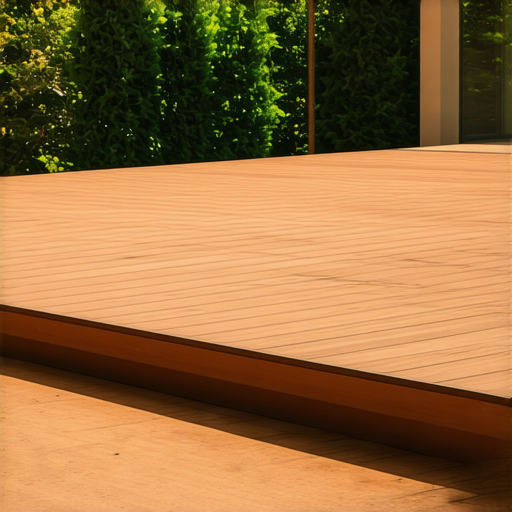
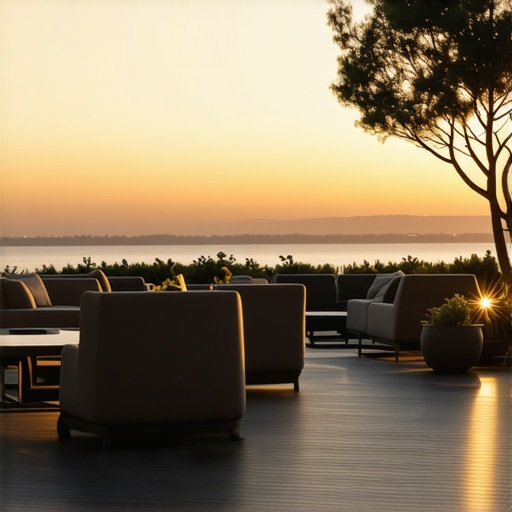
I’ll never forget the moment I realized my backyard was just… blah. A dull slab of concrete with a tired, sagging railing that didn’t quite feel safe or stylish. It hit me — my outdoor space needed more than just a little TLC; it needed a complete overhaul with smart design ideas. That lightbulb moment set me on a journey through the latest trends for Top Deck Design Ideas in 2024. If you’ve ever looked at your yard and thought, “This could be better,” then keep reading. I’ll share how I revamped my space into a beautiful, functional oasis that hosts family dinners, weekend barbecues, and quiet mornings with my coffee. Today, we’ll explore modern outdoor solutions that make a real impact — from composite decking to custom pergolas and railing systems. Curious if you can truly transform your backyard without breaking the bank? Spoiler alert: Yes, and I’ll show you how.
Start with a vision that fits your lifestyle and space
Want stylish, durable, and safe decks? Here’s why it pays to plan carefully
One mistake I made early on was jumping straight into DIY projects without clear planning. Trust me, rushing in often leads to wasted time and money. Instead, I realized that defining what I wanted — whether it’s an intimate nook or an open, entertaining area — was crucial. Design ideas should reflect your lifestyle, preferences, and even the climate you live in. For inspiration, consider browsing expert tips on latest deck designs that combine style with functionality. Remember, a well-designed deck isn’t just about looks; it’s about quality, safety, and longevity. According to recent industry insights, modern composite decking is favored because it offers durability with minimal upkeep, making it perfect for busy outdoor lifestyles. Now, let’s dive into choosing the right materials and features that will truly elevate your outdoor experience.
Define Your Space and Choose Your Style
Start by assessing your backyard’s size and sunlight exposure, then determine what kind of outdoor experience you desire—whether it’s a cozy corner or an expansive entertaining deck. I once spent an entire afternoon sketching layouts on scrap paper, visualizing where a pergola might provide shade and how to incorporate built-in seating. This step ensures your design aligns with your lifestyle and maximizes functionality.
Select Quality Materials for Longevity
Opt for composite decking materials like those highlighted in latest trends. Unlike traditional wood, composite boards resist rot, warping, and fading—similar to how a well-engineered car keeps running after decades. I applied this by choosing a reputable brand with a proven track record, which saved me from future headaches and maintenance costs.
Measure Twice, Cut Once
Accurate measurements are critical. Use a tape measure to map out the deck footprint, considering clearance for furniture and foot traffic. I made the mistake of rushing the measurements and ended up with a deck that’s a few inches too narrow. Double-check all measurements and mark cut lines clearly before proceeding—precision here pays off.
Build or Select a Strong Foundation
Set your posts into concrete footings to ensure stability, especially in areas prone to frost. I learned this the hard way when my first attempt was shaky; a solid footing made all the difference. Use post anchors to simplify alignment and maintain level surfaces during construction.
Frame the Deck Structure
Construct the perimeter frame with durable, weather-resistant lumber or composite beams. For extra support, add cross-bracing between joists. Think of this as building a skeleton; it must be robust enough to hold furniture and withstand the elements. I found that securing each connection with galvanized bolts increased the overall stability.
Choose and Install Railing Systems
Railing systems are not just safety features—they define your deck’s style. Modern options like glass panels or sleek metal balustrades blend safety with elegance. In my project, I opted for trusted composite railing systems, which are easy to install and maintain. Ensure your railing height complies with local codes for safety.
Frame and Finish Your Pergola
The right pergola adds shade and architectural interest. I chose a design that complements my deck, inspired by expert pergola ideas. Use pressure-treated or composite materials to resist weathering. Assemble the frame with strong joints and secure it properly to prevent wobbling. Consider adding climbing plants or lighting fixtures for added ambiance. For tailored designs, explore pergola guides.
Integrate Functional Zones
Define areas with outdoor furniture, planters, and lighting. Layered lighting enhances usability and safety at night. I installed spotlights and string lights—each step adding to the cozy atmosphere. Think of your backyard as a mini-room that invites relaxation and socializing.
Finishing Touches That Last
Seal and stain your deck if using wood, or choose maintenance-free finishes for composite materials. Regular cleaning and inspections keep everything looking fresh. My experience with routine upkeep has extended my deck’s lifespan significantly, proving that a little effort goes a long way. To stay updated on the latest in deck trends and accessories, check out modern solutions.
Many homeowners believe that selecting the latest materials or trending styles guarantees a successful outdoor transformation. However, even seasoned DIYers often overlook critical nuances that can lead to costly mistakes or safety issues. One common myth is that composite decking requires no maintenance—while it’s more durable than traditional wood, it still needs regular cleaning to prevent mold and debris buildup, as highlighted in recent industry studies on outdoor surface longevity. Rushing the planning process, especially under the misconception that compromises save time, often results in misaligned measurements or incompatible components, which can cause structural weaknesses over time. For example, improper framing can lead to wobbling decks or railing systems that fail to meet safety standards, a mistake I encountered firsthand and rectified by consulting expert guidelines.
Why Do Some Railing Systems Fail Prematurely? Insights for the Advanced Builder
Choosing the right railing isn’t just about aesthetics—it’s about ensuring long-term safety and stability. Many overlook the importance of compatibility between materials, especially when integrating metal balustrades with composite decks. Using mismatched fasteners or neglecting proper insulation can accelerate corrosion or loosening, reducing the lifespan of your outdoor setup. Experts recommend considering galvanization and corrosion-resistant coatings, as advised in trusted sources. Remember, an elegant railing system that isn’t structurally sound poses safety risks, especially in high-traffic or windy areas. Additionally, many underestimate the importance of local building codes, which could result in the need for costly modifications later. Verify your design plans against regulations and consult professionals if needed, rather than relying solely on online guides or DIY assumptions. Don’t make the mistake of neglecting this aspect, as it can compromise both safety and your peace of mind.
While the allure of a beautiful pergola can elevate your outdoor space, it’s tempting to select style over structural integrity. Advanced homeowners often fall for decorative designs without considering future environmental exposure or load requirements. Using pressure-treated or composite materials for pergola construction, as recommended in expert guides, ensures longevity. Also, adding adjustable braces or anchors can prevent wobbling during storms or heavy winds—a common shortcoming in poorly anchored structures. Stay vigilant about the quality of joints and fasteners; foundational flaws here can ruin even the most aesthetically pleasing pergolas later. Remember, investing in reliable hardware and professional installation pays off by reducing maintenance and avoiding early deterioration. Let’s dive into the nuances that can make or break your outdoor project, and how to avoid these common pitfalls.
Maintaining your outdoor structures isn’t just about aesthetic appeal; it’s about ensuring safety, durability, and long-term functionality. Over the years, I’ve refined my toolkit and methods to keep my decks, pergolas, and railing systems in top shape. One essential tool I rely on is a high-quality cordless drill, specifically the DeWalt DCD996. Its brushless motor and adjustable torque settings provide precise control, making tasks like tightening bolts and installing new hardware effortless and safe. I also swear by a digital moisture meter, such as the Protimeter Bermuda, to regularly assess wood and composite materials’ moisture levels, preventing rot and warping before they become visible issues.
When it comes to cleaning and surface maintenance, I prefer a pressure washer with adjustable nozzles, like the Karcher K5. It effectively removes dirt, mold, and debris from composite decking and pergolas without damaging the surface. For routine upkeep, a biodegradable cleaner formulated for outdoor surfaces helps prolong the lifespan of your materials. Applying a protective sealant to wooden components every few years preserves against weather-induced deterioration, especially in harsher climates. For composite materials, I opt for durable, stain-resistant dyes that are UV stable, such as the latest trends in composite finishes.
How do I maintain my outdoor structures over time?
Regular inspections are crucial. I schedule a monthly visual check of my railing systems and pergolas, looking for loose fasteners or signs of corrosion. For faster repairs, I keep an assortment of galvanized bolts, washers, and stronger joist connectors on hand. To proactively address potential issues, I apply corrosion-resistant coatings annually to metal components and ensure that drainage around the base of posts is adequate. Upgrading hardware to stainless steel or galvanization options significantly extends lifespan, especially in coastal areas where salt accelerates rusting. Moreover, as new techniques and materials emerge—like advanced composite coatings or smart hardware with embedded sensors—I recommend experimenting with these innovations to future-proof your setup.
Looking into the future, I see a trend toward smarter maintenance solutions. IoT-enabled sensors embedded in railing systems could monitor structural integrity and alert homeowners of issues before they worsen. Additionally, advances in self-healing coatings and antimicrobial technology will likely reduce routine maintenance needs further, making outdoor living spaces more hassle-free than ever. As a proactive homeowner, I suggest trying out some of these groundbreaking ideas now—like incorporating corrosion-resistant hardware or utilizing smart monitoring systems—to stay ahead of potential problems and maximize your outdoor investment.
For personalized guidance on maintenance routines or selecting the right tools for your deck and pergola upkeep, consider reaching out via the contact page. Remember, a little preventive care today can save you much time and cost tomorrow, ensuring your outdoor oasis remains safe and stunning for years to come.

What I Wish I Knew Before Starting My Deck Overhaul
- Don’t underestimate the power of detailed planning; it saves time and money and prevents costly mistakes. Sketching out your design and measuring twice is more than just advice—it’s a game changer.
- Choosing quality materials from the start leads to long-term savings. I regret settling for cheaper options that required frequent repairs or replacements, especially with composite decking and sturdy railing systems.
- Safety doesn’t take a backseat to style. Incorporating reliable hardware and compliant railing systems ensures peace of mind and protects loved ones. Learning about corrosion-resistant coatings and local codes early on helped me avoid safety hazards.
- Yet, it’s the little nuances—like proper footings and weather-resistant pergolas—that truly make your outdoor space stand the test of time. I found that investing in these details yields a beautiful, durable oasis.
- Lastly, embracing innovation, such as smart monitoring or self-healing finishes, can keep your outdoor structures beautiful and functional for years to come. Staying informed about emerging trends is an added bonus.
Tools and Resources That Changed Our Approach
- This comprehensive guide on deck design and pergola ideas became my roadmap, guiding me through choosing the right design that compliments my space and lifestyle.
- The expert tips for composite decking and railing systems offered invaluable insights into selecting durable materials and ensuring safety without sacrificing style.
- I also leaned on resources on secure railing installation to make sure my outdoor setup was both beautiful and safe.
- And for ongoing maintenance and innovative ideas, staying connected with industry updates through trusted sources keeps my outdoor oasis thriving.
Your Turn to Transform Your Space
Building or upgrading your outdoor space is more than a project—it’s an opportunity to craft a personal retreat that grows more beautiful with time. Remember, thoughtful planning, quality choices, and a willingness to embrace new ideas will make your backyard the envy of neighbors and a sanctuary for your family.
Are you ready to start your own deck or pergola project? What’s the biggest lesson you’ve learned along the way? Share your experiences below, and let’s build better outdoor spaces together!
Reading this article truly highlights how much careful planning and selecting high-quality materials can elevate an outdoor space so effectively. I recently undertook a similar project, focusing on modular composite decking and a sturdy pergola made from weather-resistant treated wood. One point that resonated with me was the importance of foundation stability—initially, I underestimated the need for proper footings and had to redo parts of the structure, which was a valuable lesson. I’m curious, have others found that the addition of lighting and functional zones significantly enhances usability in different climates? I live in a humid area, so I’d love to hear about strategies for maintaining the longevity of these features in challenging weather conditions. Overall, I believe integrating thoughtful design with maintenance tips, as shared here, is key to creating a truly personalized outdoor retreat. Looking forward to hearing tips and experiences from others on maximizing durability and style!