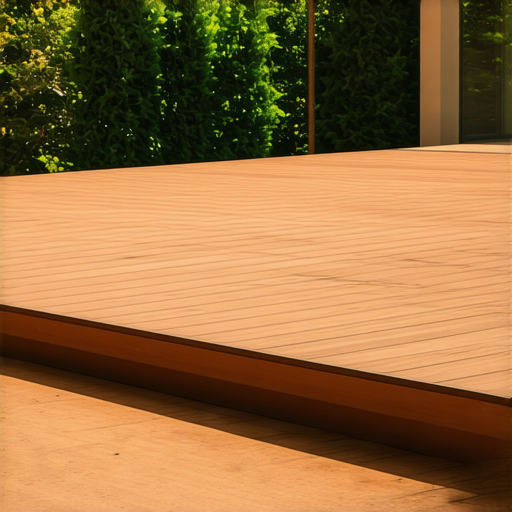

I remember the moment I first realized how crucial a reliable railing system is when building my dream deck. It was a breezy Saturday afternoon, and I was inspecting my newly installed outdoor space. A gust of wind caught me off guard, and I caught myself thinking, “What if the railing wasn’t sturdy enough?” That little worry stuck with me. Turns out, choosing the right top railing system isn’t just about style; it’s about safety, durability, and peace of mind. If you’ve ever faced a similar hesitation, you’re not alone. Many homeowners jump into deck projects excited about aesthetics but overlook the importance of a dependable railing system. Today, I want to share what I’ve learned from my experience and help you avoid common pitfalls. We’ll explore how to select the best top railing system that guarantees your outdoor space remains both beautiful and safe for years to come.
Why Your Railing Choice Can Make or Break Your Deck
When I first designed my deck, I was dazzled by the variety of railing options available. From wood to vinyl, glass to composite, the choices are overwhelming. But what I didn’t realize at the time was how much a subpar railing could compromise safety and longevity. An unreliable system might look good initially but could become a hazard over time, especially with exposure to weather elements. According to a recent study by the U.S. Consumer Product Safety Commission, falls are the leading cause of injury in home outdoor spaces, and sturdy railings are a key factor in preventing accidents. This realization made me rethink my priorities. It’s not just about matching my deck’s aesthetic; it’s about selecting a system that offers trustworthiness, resilience, and compliance with safety standards. If you’re wondering whether your current railing choice can withstand the test of time and weather, ask yourself: Is it built for durability? Does it meet safety codes? If not, don’t worry — that’s exactly what we’re here to fix.
Is a Fancy Railing Actually Worth the Hype?
Early in my project, I made the mistake of prioritizing looks over function. I chose a stylish but flimsy railing, thinking it would hold up. Spoiler alert: it didn’t. Over a few seasons, I faced rust, loosened fittings, and a wobbly handrail that made me nervous every time I stepped outside. That experience taught me that a good-looking railing is meaningless if it’s not reliable. Today, I’ll guide you through how to avoid this mistake and pick a top railing system that stands the test of time and trust. Want to save yourself from my missteps? Keep reading, because the next steps will help you make informed, confident choices for your outdoor haven.
Focus on Material Durability and Safety
Start by selecting materials that can withstand the weather conditions in your area. Aluminum, steel, and composite materials are excellent choices because they resist rust, rot, and warping. When I built my deck, I initially chose a wooden railing for its look, but I quickly realized it needed regular maintenance and was prone to damage. Switching to a powder-coated aluminum railing not only improved durability but also reduced upkeep, ensuring long-lasting safety for my family.
Match Your Railing System with Your Deck Design
Your railing should complement your deck’s style and structure. For example, if your deck features an innovative design, like the ones you can see in these design ideas, choose a railing that enhances rather than distracts. I used a sleek glass panel system on my modern deck, which allowed unobstructed views and gave a clean, elegant look, perfectly aligning with my overall aesthetic.
Select the Right Height and Code Compliance
Check your local building codes to determine the minimum height requirements for railings—usually 36 to 42 inches. When I was installing my railing, I measured carefully and confirmed compliance to avoid future violations. Proper height not only meets safety standards but also prevents accidental falls, especially on elevated decks.
Prioritize Ease of Installation and Maintenance
Choose a system that is straightforward to install and easy to maintain. Modular systems with pre-assembled components saved me hours during installation, and choosing low-maintenance materials like composite or aluminum meant I didn’t have to repaint or reseal regularly. This approach ensures your railing remains reliable and visually appealing over time.
Consider Adding Decorative Elements for Personal Style
While safety is paramount, style matters too. Incorporate decorative features like wrought iron scrollwork or modern cable designs to match your personal taste. I added simple LED lighting integrated into my railing for added ambiance, which also increased safety at night. Accessories like these can elevate your deck’s look while maintaining structural integrity.
Evaluate System Compatibility with Other Outdoor Elements
Make sure your railing system works harmoniously with other features such as pergolas or deck lighting. For instance, I integrated my railing with a pergola I designed, detailed in these pergola designs, which created a cohesive outdoor space. Compatibility ensures your deck remains functional, safe, and visually unified.
<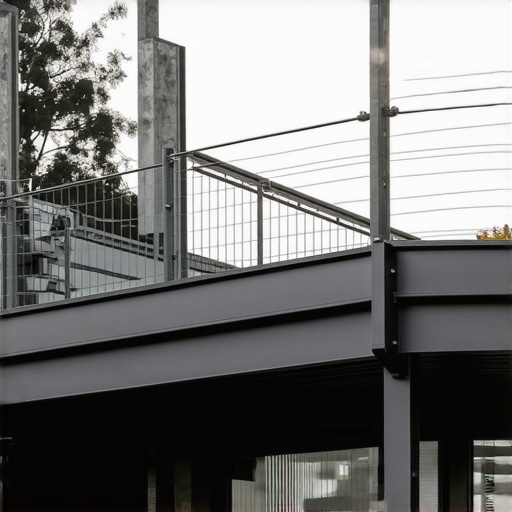 >
>
Many homeowners fall into the trap of oversimplifying what makes a railing system truly reliable or underestimating the nuances involved in deck design. For instance, a widespread myth is that all composite decking is equally durable. In reality, not all composites are created equal; some formulations are more resistant to UV damage and moisture, which directly affects your deck’s longevity and safety. According to expert advice, choosing high-quality composite materials can prevent costly repairs down the line.
Another common misconception is that aesthetics should always trump function. While an elegant pergola or sleek railing can enhance curb appeal, neglecting structural integrity can lead to dangerous situations, especially on elevated decks. Many underestimate how critical proper load calculations are; overlooking this can cause even premium materials to fail under stress. Don’t let style blind you to safety; focus on systems that balance both, like innovative custom railing options.
Now, let’s address an advanced question that often perplexes even experienced DIYers: How do different fastening methods impact the long-term stability of a deck and its railing? The answer is that mechanical fasteners, like hidden screws, tend to last longer and provide better load distribution than adhesives or nails alone. This is especially true in areas prone to temperature fluctuations, which cause materials to expand and contract. Proper fastening not only improves durability but also reduces the risk of loosening or failure, a crucial consideration often overlooked in amateur installations.
One of the most dangerous oops moments I’ve seen is homeowners choosing railing systems solely based on aesthetics without verifying compliance with local safety codes. This can lead to fines or, worse, structural failure. Always check your local regulations and opt for systems that meet or exceed these standards. For example, trustworthy railing systems are designed with safety in mind and are tested for durability.
Have you ever fallen into this trap? Let me know in the comments. Remember, a well-designed deck is more than just a pretty space — it’s a commitment to safety, durability, and long-term enjoyment.
Keeping your outdoor structures in top shape requires more than just choosing quality materials; it demands the right tools and a consistent maintenance routine. Over the years, I’ve refined my toolkit and methods to ensure my deck, railing, and pergola systems remain durable and safe. Today, I’ll share my insights on the essential equipment and techniques that help me maintain these outdoor features effectively.
Invest in the Right Power Tools for Ongoing Upkeep
For any maintenance task, I rely heavily on a high-quality cordless drill with a variable speed setting. It’s indispensable for tightening loose fittings, replacing fasteners, or installing new components. I prefer models with brushless motors because they offer increased battery life and durability, which is crucial when working outdoors. Additionally, a cordless angle grinder with a diamond wheel is invaluable for removing rust or old paint from metal railings, especially if you plan to repaint or apply protective coatings.
To keep composite decking and railing systems looking pristine, I use a soft-bristle power washer. The key is to avoid high-pressure settings that could damage the surface. A pressure of around 1500 psi typically suffices to wash away dirt and grime without harming the material. Regular cleaning prevents buildup that can lead to staining or mold, extending the lifespan of your deck and railing systems.
Essential Maintenance Products and Their Role
For protective treatments, I recommend a quality metal primer and rust-inhibiting paint for metal components. When I notice signs of corrosion, I remove rust with a wire brush and then apply a rust converter before repainting. For composite materials, I use a gentle cleaner formulated specifically for synthetic surfaces, like those recommended by experts in composite decking. This helps maintain their appearance and prevents mold growth.
Sealants and caulking are also crucial for sealing joints and preventing water infiltration, which can cause damage over time. I prefer silicone-based sealants for their flexibility and weather resistance, especially around joints and fasteners.
How do I maintain my railing and deck systems over time?
Consistency is key. Schedule bi-annual inspections to check for loose fittings, corrosion, or damage. During these inspections, clean surfaces thoroughly and apply protective coatings if needed. For metal railings, reapply rust-inhibiting paint every few years to prevent corrosion. For composite decks, regular washing with a mild cleaner keeps the surface looking new. Also, consider adding a UV-protectant coating periodically to prevent fading and surface degradation, especially in sun-exposed areas.
As trends evolve, I predict more homeowners will adopt smart maintenance solutions, such as automated cleaning systems or protective coatings that activate with weather triggers. Embracing these innovations can dramatically reduce upkeep time and extend your outdoor features’ lifespan.
Finally, don’t overlook the importance of proper fastening systems. Mechanical fasteners like hidden screws tend to last longer and resist loosening, especially in fluctuating temperatures. Upgrading to stainless steel or galvanized hardware can significantly improve your system’s durability.
Start by trying out a power washer with a gentle setting combined with rust-inhibiting paint for your metal components. Small steps like these can make a big difference in maintaining the trustworthiness of your outdoor spaces for years to come. For more detailed guidance, visit these expert tips.
Lessons I Didn’t Expect to Learn About Railing Systems
- One of my biggest surprises was realizing that not all materials are created equal. Choosing high-quality, weather-resistant materials like aluminum or composite can save you from costly repairs and safety hazards later. I once installed a wooden railing that looked charming but deteriorated quickly, teaching me the value of durability from the start.
- Another lesson was understanding the importance of fastening techniques. Hidden screws and stainless steel hardware might seem like small details, but they significantly impact the long-term stability of your railing. I learned that proper installation is the backbone of safety, especially on elevated decks.
- It also became clear that safety codes are there to protect you—ignoring local regulations can lead to dangerous situations or fines. Always double-check your area’s minimum height and spacing requirements before installing your railing system.
- Lastly, I found that integrating decorative elements thoughtfully can elevate your outdoor space without compromising safety. Whether it’s lighting or stylish designs, personal touches add charm that lasts.
Tools and Resources That Made a Difference in My Projects
- Cordless Drill with Variable Speed: Essential for secure fastening and adjustments. I trust brands with long-lasting batteries like Makita or DeWalt for outdoor work.
- Power Washer: A soft-bristle power washer is perfect for cleaning composite decks and railings, keeping them looking new. I rely on models that offer adjustable pressure to prevent damage.
- Rust Converter and High-Quality Paint: For metal railings, these products help prevent corrosion and extend lifespan. I prefer trusted brands recommended by experts.
- Reliable Reference Guides: Websites like expert advice and local building codes are invaluable for making informed decisions and ensuring safety compliance.
Step Forward with Confidence and Creativity
Your outdoor space is an extension of your home — a place for relaxation, gatherings, and making memories. Don’t let uncertainty hold you back from creating a safe and stunning deck that lasts. With the right knowledge, tools, and a little patience, you can design and maintain a railing system that provides security and elevates your style. Now is the time to take that first step towards transforming your outdoor living experience. Remember, every great project starts with a confident decision — what part of your railing system are you most excited to upgrade or improve? Let me know below and share your plans!