Last summer, I nearly took a tumble off my deck because I overlooked one crucial detail: my railing system was outdated and unstable. It was a wake-up call that made me realize how often homeowners underestimate the importance of a sturdy, stylish railing. That moment sparked a deep dive into what makes a top-notch railing system in 2024, and I want to share that journey with you.
Why Picking the Right Railing System Matters More Than Ever
In recent years, outdoor living spaces have become more than just a backyard feature—they are extensions of our homes. From cozy pergolas to sprawling decks, these spaces demand safety and style. A poorly chosen railing can compromise safety, diminish curb appeal, and even reduce your home’s value. According to the Consumer Product Safety Commission, falls from decks are among the most common household accidents, and proper railings significantly reduce this risk.
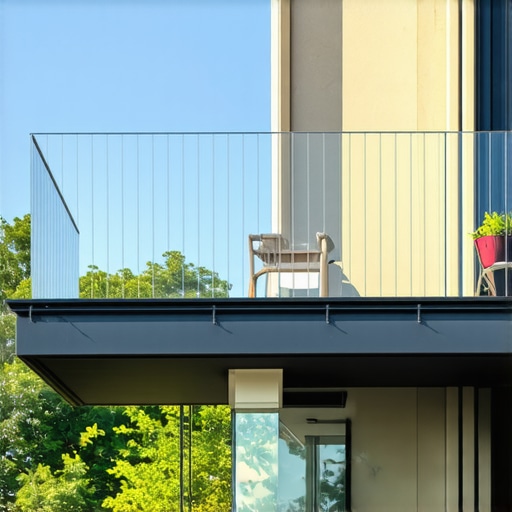
But beyond safety, the right railing system can elevate your outdoor space’s aesthetic. Imagine sleek, modern lines that complement your deck’s design or classic wood styles that add warmth and charm. The variety of materials and designs available today can be overwhelming, which is why I’ll guide you through the essentials of making a smart choice—combining durability, safety, and style.
Have you ever installed a railing only to realize it was more fragile than it looked? I did, early on, and I learned the hard way that not all materials are created equal. That mistake taught me to prioritize quality and trusted brands. Want to avoid my costly errors? Let’s explore what makes a top railing system in 2024 so reliable and stylish.
Select the Right Material for Durability and Style
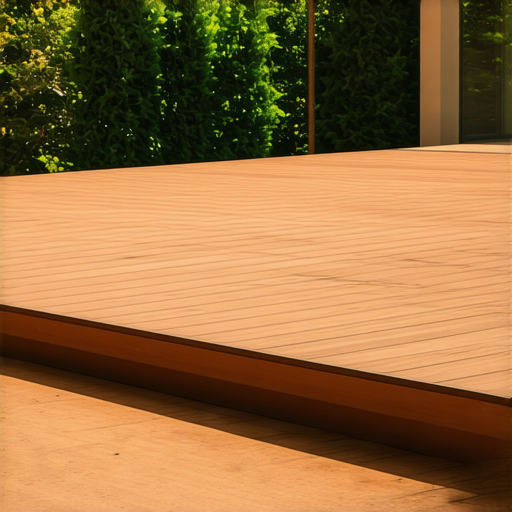
Start by considering materials like composite, wood, metal, or glass. I once installed a composite railing that looked sleek but failed after two years because I didn’t check its UV resistance. Now, I prioritize trusted brands and review durability ratings carefully. For instance, composite decking is trending for its low maintenance and longevity, making it an excellent choice for modern outdoor spaces. Learn more about composite decking trends.
Measure Accurately Before Cutting and Installing
Use a tape measure and a chalk line to mark your deck perimeter precisely. I remember rushing a cut and ending up with uneven railing sections, which looked sloppy. To avoid this, double-check measurements and cut slightly longer pieces to allow for adjustments. A good analogy is like tailoring a suit — precision makes all the difference. Always account for the gap for hardware and movement. For detailed measurement tips, see deck design tips.
Secure Posts Properly for Long-term Stability
Use concrete footings or anchors to anchor the posts securely to the ground or deck frame. I once tried simply screwing a post into the wood, but it wobbled within months. I learned that using a metal post sleeve or a post-to-concrete connection dramatically improves stability. Think of it like anchoring a ship — the more secure, the safer and longer-lasting your railing. For expert guidance, visit railing security techniques.
Choose Hardware That Supports Your Material
Match screws, bolts, and brackets to your railing material to prevent corrosion and ensure strength. For example, stainless steel hardware works well with metal and composite rails. I once used galvanized nails that rusted in a year, compromising safety. It’s like choosing the right shoes for trekking — quality hardware keeps everything together. To see recommended hardware, check hardware selection tips.
Finish with Aesthetic and Safety in Mind
Apply sealants or paint to enhance weather resistance and match your home’s style. I painted my wooden railing white for a classic look, but I chose a weatherproof paint that resisted peeling. Think of your railing as jewelry for your deck — it should be both beautiful and functional. For design inspiration, browse deck design ideas.
By following these concrete steps, you’ll build a railing system that is safe, durable, and complements your outdoor aesthetic. Remember, precision and quality materials are your best friends for a lasting result that you’ll enjoy for years to come.
Many homeowners fall prey to misconceptions that can compromise safety and aesthetic appeal when planning their outdoor spaces. Let’s dig deeper into these pitfalls to ensure your deck and railing choices stand the test of time.
Misunderstanding Material Durability and Maintenance
One prevalent myth is that all composite decking is maintenance-free. While composite materials are designed for durability, not all are created equal. Some low-quality composites may fade, warp, or develop mold if not properly selected or maintained. I recommend choosing trusted brands that specify UV resistance and weatherproofing, as these factors are crucial for lasting beauty and safety. For more insights, check out composite decking trends.
Think All Railing Systems Are Created Equal
It’s a mistake to assume that any railing system will do, especially regarding safety and longevity. Many overlook the importance of proper installation and hardware compatibility. For example, using incompatible fasteners can lead to corrosion or structural failure over time, especially in coastal environments. Stainless steel hardware is often the best choice, but even then, proper sealing and maintenance are essential. To avoid costly repairs, explore secure railing installation tips.
Advanced Question: Can Design Choices Impact Long-term Safety?
Absolutely. Poorly planned deck and railing designs can introduce hidden hazards. For instance, neglecting to account for load-bearing capacities or using overly slender balusters can pose safety risks, especially for families with children. Modern codes require specific spacing and strength standards, but many still underestimate the importance of these details. Consulting professional resources or expert builders ensures your design not only looks good but also provides reliable safety. For innovative ideas, see deck design ideas.
Have you ever fallen into this trap? Let me know in the comments. Remember, the key to a safe and stylish outdoor space lies in understanding these nuances and avoiding common myths that can undermine your project’s success.
Invest in the Right Tools for Lasting Performance
Maintaining outdoor structures like decks, pergolas, and railing systems requires precision and quality tools. Over the years, I’ve found that investing in high-caliber equipment not only saves time but also ensures the longevity of your outdoor spaces. For example, I always use a cordless angle grinder with a diamond blade when removing rust or old paint from metal railings. This tool allows me to work efficiently without the hassle of cords, and its precision prevents unnecessary damage to the material. When it’s time to apply new finishes, I rely on an HVLP (High Volume Low Pressure) sprayer for even coats of paint or sealant. It produces a professional finish and minimizes waste, making it a cost-effective choice in the long run.
Essential Software and Planning Techniques
Beyond physical tools, digital resources have become indispensable. I use 3D modeling software like SketchUp to visualize upgrades and plan maintenance routines. This helps me anticipate potential issues before they arise, especially when scaling projects or adding new features like custom railing systems or pergolas. Additionally, I rely on project management apps like Trello to track maintenance schedules, ensuring that tasks such as cleaning, sealing, and hardware checks are not overlooked. These tools help me stay organized and proactive, which is vital for long-term performance.
How do I maintain my outdoor structures over time?
Consistency is key. I schedule seasonal inspections to identify early signs of wear—such as rust, warping, or loose hardware—and address them promptly. Regular cleaning with a pressure washer on low settings removes debris and prevents mold buildup. Applying quality sealants or weatherproof paints every couple of years rejuvenates the appearance and shields the materials from the elements. For composite decking, I follow manufacturer guidelines for cleaning and avoid harsh chemicals that can degrade finishes. Additionally, I check hardware connections and tighten screws or replace corroded bolts before they compromise structural integrity. This routine maintenance extends the lifespan of my outdoor spaces significantly.
Future Trends in Maintenance and Scaling
Looking ahead, I predict smart technology will play an increasing role in outdoor structure maintenance. Sensors embedded in decks or railings could monitor structural health and alert homeowners to potential issues before they become serious. For example, moisture sensors can help prevent rot in wooden components, while corrosion detectors could signal when hardware needs replacement. Integrating these innovations with existing maintenance routines can save time and money while enhancing safety. As technology advances, I recommend exploring smart solutions to stay ahead of wear and tear, ensuring your outdoor spaces remain reliable and beautiful for years to come.
Ready to take your maintenance game to the next level? Try incorporating a digital inspection schedule with automated alerts and see how it transforms your outdoor space’s longevity. For more expert tips, visit this resource.
The Hardest Lesson I Learned About railing systems,deck design,composite decking,pergola
One of my biggest mistakes was installing a railing without considering the long-term weather impacts, which led to rust and decay faster than expected. That taught me to always prioritize material quality and environmental resistance, especially in coastal or humid areas. For example, choosing stainless steel hardware over galvanized nails made a huge difference in maintaining integrity over time.
3 Myths About railing systems,deck design,composite decking,pergola That Held Me Back
- Myth 1: All composite decking is maintenance-free. The truth is, only trusted brands with UV resistance and weatherproofing will hold up well.
- Myth 2: Any railing will do if it looks good initially. Proper installation and compatible hardware are crucial for safety and durability.
- Myth 3: Design choices don’t impact safety. Overly slender balusters or improper load calculations can introduce hazards.
What Experts Won’t Tell You About railing systems,deck design,composite decking,pergola
Advanced safety depends on understanding load capacities and hardware compatibility, especially in high-wind or coastal zones. Investing in quality tools, like a diamond blade grinder and HVLP sprayer, can make maintenance easier and more effective, prolonging your outdoor space’s lifespan. Plus, digital planning tools can help visualize and anticipate issues before construction.
My Essential Toolkit for railing systems,deck design,composite decking,pergola
- Trusted brands: I rely on brands like Trex and TimberTech for composite decking because of their proven durability and weather resistance.
- Hardware: Stainless steel fasteners and anchors are my go-to for rust resistance and safety.
- Tools: A cordless angle grinder and HVLP sprayer help me perform precise maintenance efficiently.
- Digital resources: SketchUp and Trello keep my planning organized and proactive.
Don’t Just Dream — Build with Confidence
Taking action on your outdoor space is a rewarding experience that enhances safety, style, and value. With the right materials, tools, and planning, you can create a deck and railing system that stands the test of time. Remember, a well-designed railing isn’t just about looks — it’s about peace of mind and enjoying your outdoor sanctuary for years to come. Ready to start your project? Share your biggest challenge below, and let’s tackle it together!
Reading this post really hits home for me because I recently upgraded my deck railing to a stainless steel system after my old wooden one started rotting due to weather exposure. The safety and aesthetic improvements were incredible, and it made me realize how crucial material choice is—especially in climates with high humidity. I used the right hardware and secured the posts properly, which made a huge difference in stability. One challenge I faced was ensuring the measurements were precise; I learned that double-checking and slightly oversizing pieces help with adjustments during installation. Do others have tips for maintaining the looks of metal railings over the years? I’d love to hear what works best for long-term weather resistance and minimal maintenance. This kind of insight can really help homeowners avoid costly mistakes and build a deck that’s both safe and stylish for years to come.