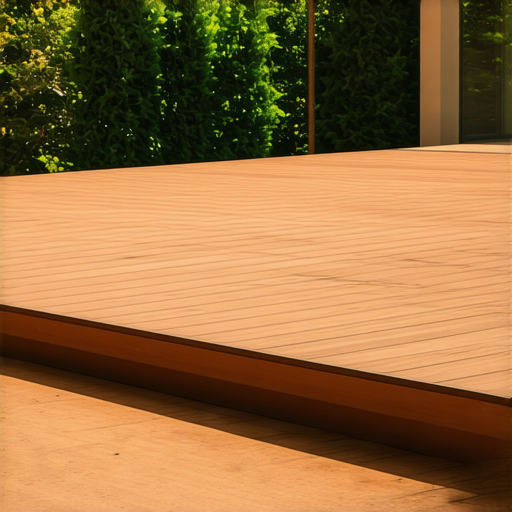

Have you ever watched a loved one stumble or even fall from an outdoor deck and felt that pit in your stomach? I sure have. It’s a gut-wrenching moment that makes you realize just how crucial proper safety measures are, especially when it comes to outdoor spaces where family and friends gather. That lightbulb moment pushed me to seriously research and invest in the best railing systems and deck designs to ensure everyone’s safety and peace of mind.
Why Safety Should Be Your Top Priority in Outdoor Design
When I first built my deck, I thought aesthetics were everything. I wanted a beautiful space where friends could hang out, kids could play, and I could enjoy my morning coffee. But a few years in, I learned a hard lesson: beauty without safety is a risk you don’t want to take. Falls from decks are more common than you might think, and the consequences can be devastating. According to the CDC, thousands of outdoor deck falls result in injuries each year, many of which could be prevented with proper railing systems and thoughtful deck design.
That’s when I decided to dig deeper. I found that not all railing systems are created equal. Some look good but lack the durability or height needed for safety, especially in areas prone to strong winds or heavy weather. Plus, the style and material choices can influence how secure your outdoor space feels. I want to help you avoid my early mistakes and build a deck that’s both stunning and safe. Today, I’ll guide you through the essentials of choosing the right railing systems and deck designs that prioritize security without sacrificing style.
Have you faced the challenge of balancing beauty and safety on your outdoor deck?
Early on, I made the mistake of choosing railing materials that looked nice but didn’t stand up to the weather. It was a costly lesson in the importance of investing in quality, durable materials that ensure lasting safety. Trust me, the right choices can make all the difference in creating an outdoor space that you can enjoy confidently for years to come. Ready to transform your deck into a safe, beautiful retreat? Let’s get started with the practical steps to make it happen.
Choose Sturdy Materials for Your Railings
Start by selecting durable materials like aluminum, vinyl, or composite that resist weathering and corrosion. I recall replacing a wooden railing that rotted after two seasons, which was costly and unsafe. Opt for quality to ensure longevity and safety. For a modern look, composite railings offer both strength and style, and they require minimal maintenance. To explore stylish options, check out custom railing systems.
Install Proper Height and Spacing
Ensure your railing height meets local building codes, typically around 36-42 inches. During installation, I measured carefully and used a level to keep everything aligned. Spacing between balusters should be less than 4 inches to prevent children from slipping through. Use a spacer tool to maintain consistency. This precise approach makes a visible difference in safety and aesthetic appeal.
Prioritize Strong Foundations and Anchors
Secure your railing posts with concrete footings or metal anchors embedded deeply into the deck structure. I once neglected this step and had to redo a shaky railing after a storm. Proper anchoring prevents wobbling and enhances safety. For detailed techniques, review expert railing tips.
Use Reinforced Fasteners and Connectors
Choose corrosion-resistant screws, bolts, and brackets. I prefer stainless steel for its durability. When assembling, tighten everything firmly but avoid over-tightening, which can cause material stress. This ensures your railing remains stable over years of outdoor exposure.
Design for Accessibility and Comfort
Incorporate smooth handrails and sufficient clearance for easy movement. I added rounded edges and increased space near the gate for wheelchair access, which improved usability. Consider installing lighting along the railing for visibility at night. For design inspiration, browse pergola and deck ideas that enhance safety and beauty.
Regular Maintenance Checks
Inspect your railings every season for loose fittings, rust, or damage. I set reminders to check and tighten bolts, preventing potential accidents. Address any issues immediately to keep your outdoor space safe and inviting.
Integrate Safety into Overall Deck Design
Design your deck with gentle slopes, slip-resistant surfaces, and clear pathways. I replaced old wooden planks with composite decking from trend-setting decking options, which reduced slips and added a sleek look. Incorporate lighting, railings, and furniture thoughtfully to create a secure and stylish environment.
Many homeowners believe that selecting any sturdy-looking railing system will suffice for outdoor safety, but let’s dig deeper into what most people get wrong about deck railing safety. A frequent misconception is that all materials are equally durable and weather-resistant. In reality, untreated wood may look appealing initially but can rot, warp, or become unsafe within just a few years if not properly maintained. This is why investing in high-quality materials like composite or aluminum, which resist corrosion and weathering, is crucial for long-term safety and peace of mind.
Another common myth is that height alone determines safety. While building codes often specify a minimum railing height, many overlook the importance of proper spacing between balusters. Gaps larger than 4 inches can be a serious hazard, especially for children or pets, who might slip through or get stuck. Correct installation with consistent spacing is a nuanced detail that can prevent accidents—something that’s often underestimated by DIY builders.
Let’s talk about the trap of ignoring regular maintenance. Some assume that a new railing will stay safe forever. However, rusted fasteners, loose fittings, and damaged balusters can compromise structural integrity over time. Regular inspections, tightening bolts, and replacing worn components are vital steps that many overlook. For expert guidance on maintaining your deck’s safety features, check out professional railing tips.
What advanced mistakes do homeowners make when designing safety features?
One advanced mistake is neglecting the integration of accessibility features. Incorporating smooth handrails, sufficient clearance, and lighting not only enhances usability but also prevents accidents. For example, I added rounded edges and increased space around gates, making my deck safer for everyone, including those with mobility challenges. Overlooking these details can turn a beautiful deck into a hazard for elderly or disabled users. For inspiration on accessible design, browse pergola and deck ideas.
Additionally, many underestimate the importance of a solid foundation for railing posts. Using concrete footings or metal anchors that are properly embedded ensures stability during storms or high winds. I learned this the hard way when I initially skipped this step, resulting in a shaky railing after a storm. Proper anchoring techniques are detailed in expert resources, so don’t cut corners here.
Have you ever fallen into this trap? Let me know in the comments. Remember, safety isn’t just about compliance—it’s about understanding the nuances that keep your outdoor space secure for years to come. For a comprehensive approach, consider consulting specialists or visiting our contact page for personalized advice.
Keeping your outdoor deck in top shape requires more than just initial construction; it’s an ongoing process that ensures safety, durability, and visual appeal. Over the years, I’ve identified specific tools and methods that make maintenance manageable and effective, helping my deck stay reliable and beautiful for the long haul.
Invest in a Quality Power Washer for Deep Cleaning
One of my most valuable maintenance tools is a high-quality power washer. I personally use the Sun Joe SPX3000 because it delivers adjustable pressure, allowing me to clean the decking surface and railing without risking damage. Regular power washing removes dirt, mold, and algae that can cause slippery surfaces or deterioration. I schedule a deep clean biannually to keep my deck looking fresh and safe. When using a power washer, always follow manufacturer instructions and keep the nozzle at an appropriate distance to avoid damaging materials.
Use a Multi-Tool for Repairs and Touch-Ups
For minor repairs, I rely on a versatile oscillating multi-tool like the Dremel Multi-Max. It’s perfect for replacing loose or damaged fasteners, sanding rough edges, and applying sealants. The precision of this tool helps maintain the structural integrity of your railing and decking boards, preventing small issues from becoming safety hazards. Regular inspections combined with quick touch-ups using a multi-tool can extend the lifespan of your deck significantly.
Implement a Weather Station for Better Planning
Monitoring local weather conditions is crucial for scheduling maintenance and repairs. I recommend using a dedicated weather station like the Netatmo Weather Station which provides real-time data on humidity, rain, and wind. Knowing when to protect your deck from storms or avoid sealing during high humidity helps maintain your materials’ quality. Anticipating weather patterns also guides you in planning resealing or staining, which should be done in optimal conditions for longevity.
Keep an Eco-Friendly Sealant and Stain Kit Handy
I prefer using environmentally friendly sealants like Eco Safety Sealant for my deck. Applying a good-quality sealant every 2-3 years protects against moisture, UV rays, and temperature fluctuations. A sprayer like the Wagner Control Spray Max makes applying sealant quick and even, especially on large surfaces. Regular resealing is vital because it prevents wood rot and maintains the deck’s appearance and safety.
Plan for Long-Term Results with a Maintenance Schedule
Consistency is key in maintaining your outdoor deck. I recommend creating a seasonal maintenance checklist that includes cleaning, inspecting, tightening fasteners, and resealing. Automation tools like reminder apps or project management software can help you stay on track. Over time, these simple practices build up to impressive results—your deck remains safe, stylish, and functional, ready for years of enjoyment.
Where do I go from here?
If you’re serious about keeping your deck in prime condition, consider consulting with professionals who can provide personalized assessments and solutions. You can reach out through our contact page for expert advice tailored to your specific outdoor space. Remember, investing in the right tools and consistent maintenance extends the life of your deck and preserves its value for future gatherings and relaxing weekends.
The Hardest Lesson I Learned About Outdoor Deck Safety
One of my biggest realizations was that beautiful aesthetics can sometimes overshadow safety features. I once prioritized style with sleek glass railings without considering their durability, only to find that they cracked under harsh weather. This taught me the importance of choosing materials that withstand the elements, such as aluminum or composite options, which resist corrosion and damage over time.
Three Myths About Deck Railing Safety That Held Me Back
I used to believe that once a railing met local height codes, it was completely safe. However, I learned that proper spacing between balusters is just as critical. Gaps larger than 4 inches can be a hazard, especially for kids or pets. This misconception led me to double-check all installations and ensure my railings were both compliant and safe.
What Experts Won’t Tell You About Long-Term Deck Maintenance
Many homeowners overlook the importance of regular inspections and maintenance. I used to think a deck only needed attention when something broke. Now I know that seasonal checks for loose fittings, rust, and damage can prevent accidents. Investing in tools like a power washer and sealant kits has helped me keep my deck safe and looking new for years.
My Essential Toolkit for Deck Safety and Longevity
For me, a high-quality power washer like the Sun Joe SPX3000 is indispensable for deep cleaning, removing mold and algae that make surfaces slippery. I also rely on a versatile multi-tool, such as the Dremel Multi-Max, for quick repairs and touch-ups. Additionally, a weather station like the Netatmo helps me plan maintenance around weather conditions, ensuring my deck stays protected and safe.
Where to Go from Here
If you’re serious about creating a safe, durable outdoor space, I recommend consulting professionals who can assess your specific needs. Reach out through our contact page for expert advice tailored to your deck. Remember, ongoing maintenance and thoughtful design are the keys to long-lasting outdoor enjoyment and safety.