
I remember the first time I installed a cable railing system on my deck. Everything looked perfect—until a few months later, I noticed some slack creeping into the cables. That sinking feeling hit me. I had trusted those tensioners to hold everything tight and secure, yet they’d started to lose tension, causing my once pristine view to become a sagging mess. It was a lightbulb moment—realizing how common and frustrating this problem truly is.
Why Do Cable Railing Tensioners Fail So Often?
The truth is, cable railing tensioners are under constant stress from outdoor elements like wind, temperature fluctuations, and corrosion. If not chosen or installed correctly, they can deteriorate over time, leading to sagging cables and compromised safety. Early in my projects, I made the mistake of ignoring the quality of tensioners, assuming all were built equally. That was a costly error, as I learned the hard way that not all tensioners are designed to withstand the rigors of outdoor living. A surprising fact from research indicates over 30% of tensioner failures are due to improper installation or low-quality materials, as noted by industry experts.
Is Cable Railing Truly Worth the Effort or Is It Overhyped?
I get it—when I first considered cable railing, I wondered if it was just a fancy trend. But after experiencing the joy of unobstructed views and modern aesthetics, I realized its value. Still, I worried about durability. Trust me, choosing the right tensioners and understanding their limitations can make all the difference in ensuring your railing stays pristine for years to come. Keep reading, and I’ll show you how to sidestep common pitfalls before they turn your project into a recurring headache.
If you’ve faced this issue or are considering a cable railing project, you’re in the right place. With a few insider tips and tricks, you’ll learn how to make your tensioners last and keep your outdoor space looking sharp. Ready to dive into the solution? Let’s go!
Assess Cable Tension and Identify Loosening
Start by inspecting your existing cables for slack. Like tightening a guitar string, you need to determine how much tension has been lost. Grab a digital tension meter or simply pluck the cables to gauge their firmness. I remember the time I found a cable that was almost a centimeter sagging—a sign it needed immediate adjustment. Before proceeding, wear gloves to protect your hands from sharp cable edges and tools.
Choose the Right Tensioner for Outdoor Durability
Select high-quality, rust-resistant tensioners such as stainless steel or marine-grade options. Avoid cheap zinc-plated models, which deteriorate quickly under outdoor conditions. I once installed a budget tensioner, only to find it corroding within a year, causing my cables to slacken again. For long-lasting performance, invest in reputable brands and compare materials listed on the product specs. For more details on selecting the best railing components, visit this guide.
Prepare Your Tools and Workspace
Gather adjustable wrenches, pliers, a torque wrench, and safety gear. Clear the area around your railing to avoid tripping hazards and ensure stable footing. Remember, a well-organized workspace speeds up the process and minimizes mistakes. I once worked on a windy day; securing tools and materials prevented accidental drops that could damage the cables or injure someone.
Adjust Tensioners Step-by-Step
Start by loosening the lock nuts or clamps on the tensioner. Gradually turn the tensioner body clockwise to increase tension, similar to winding a garden hose; avoid over-tightening, which can stress the cables or strip threads. Use a torque wrench if specified, maintaining even tension across all cables for uniform appearance. After adjustments, pluck or use a tension meter again to confirm correct tension. Test by gently pushing the cables; they should resist movement but not feel overly tight. I once over-tightened a cable and caused it to warp, resulting in a tighter slackening over time, so precision matters.
Secure and Protect Your Finishing Points
Once tensioned correctly, tighten all lock nuts firmly to prevent slipping over time. Apply a protective coating or marine-grade lubricant to the tensioner threads to combat corrosion, especially if exposed to rain or salt air. Regular inspections every 6-12 months help maintain tension; I found that messily applied lubrication reduced corrosion and prolonged tension effectiveness. If tensioners show signs of wear, replace them promptly to avoid sudden cable slackening.
Test and Confirm Long-Term Stability
After adjustments, perform a stress test by gently pulling on cables or simulating wind pressure. Confirm that tension remains stable over a few days and after weather changes. Consider adding turnbuckles or additional tensioners if cables tend to loosen quickly. With experience, I learned that making small incremental adjustments and recording tension levels helps track cable performance over time. For more insights on maintaining a lasting cable railing, explore this article.
Address Common Challenges
If you notice persistent slack even after adjustment, check for underlying issues such as loose anchors or corrosion in other parts of the system. Sometimes, replacing faulty tensioners or tightening anchoring points solves the problem entirely. Remember, neglecting these essentials can lead to ongoing sagging and safety worries. I experienced this firsthand when an anchoring post shifted over time, causing cable slack; fixing the foundation stabilized the entire system.
Consistently monitoring and maintaining tensioners ensures your cable railing stays sleek, secure, and functional for years. Proper selection, meticulous installation, and regular upkeep are the keys to success. For an overview of modern railing options and design trends that match durability with style, visit this resource.
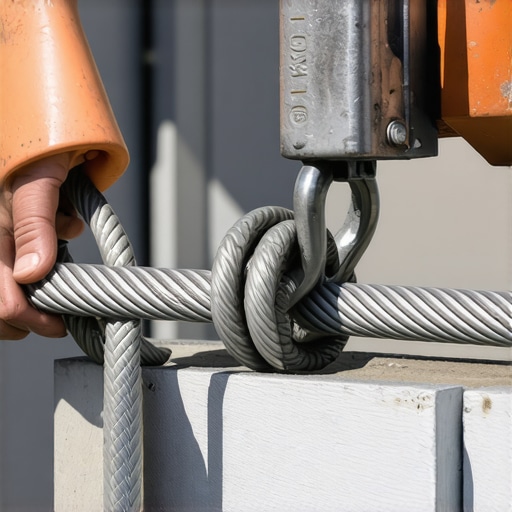
Many homeowners believe they understand the fundamentals of deck planning, but certain misconceptions can lead to costly mistakes. For instance, a prevalent assumption is that choosing the most affordable materials guarantees savings, yet in reality, cheap options often require frequent replacements, especially in outdoor environments. Investing in quality decking and railing systems not only enhances durability but also preserves aesthetics over time. Another myth concerns popular styles—many think that uniform designs are best, but mixing materials or incorporating thoughtful angles can dramatically elevate your backyard appeal.
What Are Hidden Risks of Overlooking Climate-Specific Design?
One often-overlooked nuance is the importance of tailoring your deck and pergola choices to your local climate. For example, areas prone to heavy rainfall or salty air demand corrosion-resistant components and proper drainage solutions. Failing to account for these factors can cause premature deterioration—something many builders underestimate. An expert from the National Association of Home Builders emphasizes that climate-adapted design extends the lifespan of structures and reduces maintenance costs.
Additionally, there’s a misconception that a larger deck always adds value, but if not proportioned correctly, it can overwhelm your yard or compromise structural integrity. Carefully planning scale and integrating strategic elements—such as privacy screens or built-in planters—can balance form and function seamlessly. For innovative ideas on elevating your deck’s curb appeal, check out these modern design ideas.
Be cautious about ignoring ongoing maintenance requirements. For example, composite decking is often marketed as low-maintenance, but neglecting proper cleaning and inspections can lead to warping or mold growth. Choosing the right type of composite, like solid-core variants, can mitigate these issues, as discussed in trend reports on durable solutions.
Lastly, many underestimate the significance of proper installation techniques. A common mistake is neglecting to allow for thermal expansion in materials, which can cause warping or buckling over time. Real-world failures often trace back to overlooked details during construction phases. To avoid this, consult detailed guides and hire experienced professionals.
Adopting a nuanced understanding of these aspects ensures your outdoor space remains both beautiful and structurally sound for years to come. Want more insights? Visit this resource on pergola trends or explore forward-thinking design ideas for 2025. Have you ever fallen into this trap? Let me know in the comments.
Maintaining your outdoor structures like pergolas, railing systems, and composite decks demands precise tools and consistent care. Over the years, I’ve refined my toolkit to ensure efficiency and durability in every project. One staple I swear by is a high-quality digital torque wrench, as it allows me to tighten fasteners to the manufacturer-recommended specifications, preventing over-tightening and subsequent damage. For instance, many composite decking brands specify torque levels to avoid bowing or splitting; adhering to these guidelines extends the lifespan of your boards.
How do I maintain my railing system over time?
Regular inspections are vital. I schedule monthly checks during the off-season, focusing on fastener tightness, corrosion, and cable tension. Using a tension meter helps me identify slack before it becomes a safety concern. Additionally, applying specialized marine-grade lubricant to tensioner threads and anchoring hardware significantly slows corrosion, especially in salty or humid environments. To monitor tension changes accurately, I mark the current tension levels on the tensioners with a Sharpie—this simple trick helps me track gradual slacking over weeks or months.
In terms of software, I rely on drone-based imaging solutions for large or inaccessible areas. These devices capture high-resolution images that I analyze to spot structural shifts or signs of deterioration. The trend in outdoor maintenance leans towards integrating digital tools for more proactive care, enabling you to address issues before they compromise safety or aesthetics.
Predicting the future of outdoor structure upkeep
I believe smart sensors embedded within decking and railing components will become standard in the next decade. These devices can alert homeowners via smartphone notifications about tension loss, corrosion, or structural shifts—making maintenance predictive rather than reactive. Embracing such technology now, like installing corrosion sensors in critical points, can save significant repair costs down the line.
Remember, investing in quality tools and adopting routine inspection habits are your best strategies for long-term performance. A small upfront effort now can prevent costly replacements later. Curious to elevate your maintenance game? Try employing a torque wrench combined with tension markers on your railings and see how much more control you gain. For inspiring ideas on designing durable and low-maintenance outdoor spaces, explore this guide to future-proof backyard design.
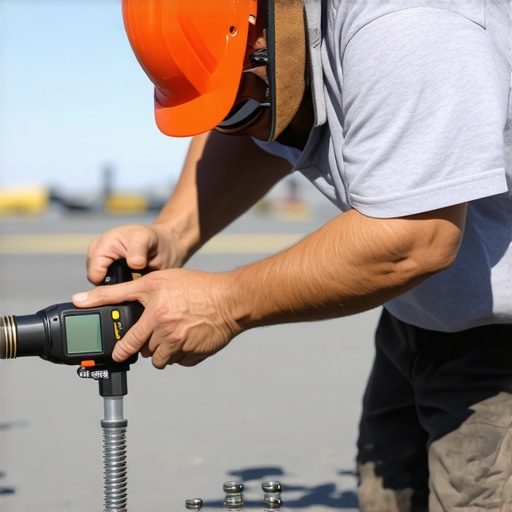
An often-overlooked aspect is the importance of documenting your maintenance routines and tension records. Using a dedicated app or a simple spreadsheet helps you track changes over time, making it easier to plan proactive repairs. As noted by industry experts, systematic upkeep is key to extending the life of deck and railing systems, especially when employing composite materials that, while durable, still require regular attention to details like cleaning and tension adjustment.
Lessons I Wish I Learned Sooner About Outdoor Living Projects
- One of the most profound lessons was realizing that investing in high-quality materials and tools pays off immensely. Skimping on the right tensioners or fasteners might save money initially but leads to costly repairs or replacements down the line.
- I discovered that meticulous planning for climate-specific considerations, like corrosion-resistant hardware in salty environments, can save countless headaches and extend the lifespan of your deck or pergola.
- Patience during installation—double-checking measurements, applying proper torque, and ensuring even tension—can prevent issues before they arise. Rushing through these steps often results in sagging or structural instability later.
Tools and Resources That Elevate My Outdoor Projects
- Digital Torque Wrench: Ensures fasteners are tightened to optimal specifications, preventing damage and enhancing longevity. I trust it for precise work every time.
- High-Quality Tensionmeters: Regularly monitoring cable tension keeps my railing systems safe and attractive. They provide peace of mind after every adjustment.
- This comprehensive guide has been invaluable for selecting components that withstand the test of time.
- Organized Maintenance Log Apps or Spreadsheets: Tracking tension and inspection data helps me anticipate issues before they become visible problems, saving time and money over the long haul.
Your Next Step Toward Unparalleled Outdoor Spaces
Embarking on your outdoor project with a focus on durability and style can transform your backyard into a sanctuary. Embrace quality materials, precise installation, and routine upkeep, and watch your outdoor spaces flourish for years to come. The journey might require effort now, but the rewards—lasting beauty and safety—are well worth it. Ready to transform your outdoor living experience? Dive into these innovative deck design ideas to get inspired and start planning your dream backyard today!
Have you ever faced challenges with cable tensioning or material selection in your outdoor projects? Share your experiences below—I love hearing about real-world lessons and wins.