
It was a scorching summer afternoon when I realize just how much my outdated pergola was holding me back. The hot sun blazed down relentlessly, turning my favorite outdoor retreat into an unbearable oven. I spent countless hours chasing shade with umbrellas that wobbled in the slightest breeze or rearranging furniture hoping for some relief. That moment of frustration made me question: Is there a smarter, more stylish way to enjoy the outdoors without sacrificing comfort?
The Hidden Value of a Louvered Pergola Roof
Imagine a roof that lets you control the sunlight at a flick of a switch. A louvered pergola roof offers precisely that—adjustable slats that provide shade when needed and open up to let in sunlight or fresh air on cooler days. Initially, I was skeptical about the extra cost—would it really make that much of a difference? As it turns out, investing in a quality louvered system changed my outdoor experience entirely. Instead of being confined by weather or time of day, I gained a versatile space that adapts to my mood, weather, and seasons.
My early mistake was opting for a cheaper, fixed-roof pergola. It looked good at first, but I soon realized it lacked flexibility, leaving me stuck in either full sun or oppressive shade. That mistake taught me that a fixed roof is like a static picture—beautiful, but limiting. Now, I want to share with you how a louvered pergola roof can elevate your home just like it did mine, providing comfort, style, and value that lasts.
Will a Louvered Pergola Roof Really Be Worth the Extra Investment?
The answer depends on your outdoor goals. For me, the flexibility, durability, and modern aesthetic were well worth the initial expense. Plus, the ability to enjoy my space rain or shine has added real value to my property—both in enjoyment and potential resale. If you’re considering upgrading your deck or patio, I encourage you to look beyond the price tag. A well-designed, adjustable roof system can pay for itself in comfort and longevity. Want to learn how to select the right system? Check out our comprehensive guide on [pergola trends](https://deckforgebuilders.com/pergola-trends-crafting-shade-elegance-in-your-outdoor-space) to make an informed decision.
But first, let’s address the common skepticism: Are these systems really durable and cost-effective in the long run? Spoiler alert: The biggest mistake early on is ignoring quality when comparing options. I learned the hard way, but this knowledge can save you money and frustration down the road.
Prepare Your Space and Gather Materials
Start by clearing the area where your pergola will be installed, ensuring a level, stable surface. Measure the dimensions carefully and select a pre-fabricated louvered roof kit compatible with your layout. Use high-quality materials like aluminum or vinyl for durability. Gather necessary tools: drill, level, measuring tape, wrench, and safety gear. An early mistake I made was attempting to install without precise measurements, leading to uneven slats; double-checking measurements saved me frustration later.
Construct the Pergola Frame
Build the supporting posts and beams according to your measurements, ensuring the structure is square and secure. Use a level frequently to avoid crookedness, which can affect the louver alignment. I used pressure-treated lumber and waterproof brackets to enhance longevity, especially important if your area experiences heavy rainfall. Proper framing sets the foundation for smooth roof installation.
Attach the Louvered System
Follow the manufacturer’s instructions to mount the louvered panels onto the supporting beams. Typically, this involves sliding the slats into track runners and securing them with screws. Use a torque driver to ensure consistent pressure, avoiding overtightening which can cause warping. I faced initial difficulty aligning the slats evenly but used a spacer block for consistent gaps—this technique improved installation speed and appearance.
Connect Motor and Automation Components
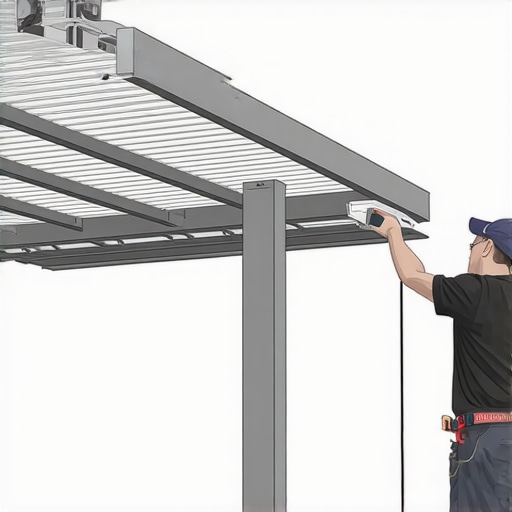
If your system includes motorized louvers, install the control motor according to the manual. Mount it securely on the beam, ensuring it aligns with the slat tracks. Connect wiring to a weatherproof power source, and test the motor’s operation multiple times. An important tip: waterproof all electrical connections thoroughly to prevent corrosion, especially if exposed to rain. I learned this the hard way when a lack of sealing caused a short after a storm.
Test and Finalize Alignment
Operate the louvers manually or with automation to verify smooth movement. Adjust the motor limits as needed to prevent over-rotation. Check that all bolts and screws are tight, and the entire structure feels stable. I noticed a slight wobble in my first attempt, which I corrected by reinforcing the supporting beams and tightening all fasteners. Final inspection ensures your pergola is both functional and safe.
Weatherproof and Seal Your Installation
Apply sealant around the joints and fasteners to prevent water ingress. Consider adding guttering or drainage systems to direct rain away from the structure’s base. Regular maintenance, like cleaning the slats and inspecting for debris, prolongs the system’s lifespan. I advised a friend on this process, and her pergola remained operable through a heavy winter without issues, thanks to proper sealing and drainage planning.
By following these concrete steps, you transform your outdoor space into a flexible, stylish retreat that adapts to changing weather conditions. Precision during installation, combined with quality materials, ensures long-lasting performance and peace of mind. For personalized assistance or to explore custom solutions, visit our contact page and let us help elevate your outdoor living experience.
 Many homeowners believe they understand the basics of outdoor structures, but beneath the surface lie nuanced misconceptions that can compromise safety and style. One prevalent myth is that all railing systems are created equal—yet, in reality, choosing the wrong material or design can lead to long-term issues such as corrosion or insidious wobbling that might not be immediately apparent. For instance, many opt for pressure-treated wood thinking it’s the most economical choice, but without proper maintenance, it can warp or rot prematurely, a problem extensively documented in industry studies.
Why do so many overlook the importance of precise joist spacing in deck longevity? It turns out that spacing not only affects load capacity but also influences how composite decking adapts to temperature changes, preventing warping or buckling. If you’re considering modern advancements, composite decking offers durability, but only if installed correctly; improper fastening can cause squeaks or loose boards over time. A critical mistake is ignoring the subtle differences between brands—some scratching easily or fading rapidly, which contradicts popular misconceptions about all composites being equally resilient. According to experts from the National Association of Home Builders, understanding these nuances ensures lasting quality and reduces costly repairs later. So, how can you avoid these pitfalls? First, prioritize quality materials and installation practices—consult comprehensive guides like [the complete guide to choosing railing systems](https://deckforgebuilders.com/the-complete-guide-to-choosing-railing-systems-for-safety-style) to make informed decisions. Second, consider the advanced engineering behind pergolas—adding diagonal bracing or proper anchoring enhances stability beyond basic framing. Bear in mind, rushing the design or installation process often leads to structural weaknesses that are only visible over time. Remember, each element—from selecting the right fasteners to understanding the thermal properties of your decking—plays a crucial role. Don’t overlook these details; they can make the difference between a beautiful, durable feature and a costly failure. Have you ever fallen into this trap? Let me know in the comments, and explore more expert insights on [pergola trends](https://deckforgebuilders.com/pergola-trends-crafting-shade-elegance-in-your-outdoor-space) to elevate your outdoor space with confidence.Maintaining your outdoor structures ensures they remain safe, functional, and visually appealing for years to come. Investing in the right tools and adopting effective maintenance routines can make all the difference. One of my top recommendations is using a high-quality cordless drill equipped with a brushless motor. I personally prefer models that offer variable speed control and ample torque, such as the Makita XDT13, because they provide precision when tightening fasteners and help prevent overdriving screws, which can damage composite decking or railing components. Additionally, a digital moisture meter, like the Wagner Meters Orion™ 960, allows me to monitor wood moisture content, preventing rot and other moisture-related problems—especially critical in humid environments or when dealing with pressure-treated lumber.
Regular cleaning is vital. I swear by using a microfiber brush attachment on my power washer to gently remove debris from the surface of composite boards, avoiding scratches that can lead to premature wear. For stubborn stains or algae buildup, a solution of mild detergent and water worked in with a soft-bristle deck brush does wonders without damaging the surface.
When it comes to long-term durability, protective coatings and sealants are crucial. I recommend applying a penetrating sealant like Dura Seal’s penetrating wood stain every couple of years. This enhances resistance to UV rays and moisture ingress, safeguarding your investment against weathering. For metal components, especially in areas exposed to salt or pollution, a corrosion-resistant spray, such as CRC Marine Heavy Duty Corrosion Inhibitor, can extend the lifespan of fasteners, brackets, and railings.
Looking ahead, I predict that automation and smart maintenance tools will become standard for outdoor structures. Imagine sensors embedded in decks that monitor structural integrity or corrosion levels, alerting homeowners via smartphone. Exploring such innovations early can keep your structures in top shape with minimal effort.
*How do I keep my railing and deck systems working smoothly over time?*
First, schedule routine inspections every six months. Check fasteners for tightness, look for signs of rust or rot, and ensure the stability of posts and beams. I often use a torque wrench for this purpose, ensuring that all bolts meet manufacturer specifications—neglecting proper torque can lead to unsafe wobbling or structural failure. Tightening loose connections promptly prevents small issues from escalating.
Another tip I’ve adopted is installing joist flashing tape, which shields the wood from water infiltration. This simple upgrade, recommended by experts like those from the National Association of Home Builders, can double your deck’s lifespan by preventing hidden rot at critical stress points. For detailed guidance on selecting and applying flashing tape, I suggest reviewing the comprehensive article on [why joist flashing tape is the best money you will ever spend](https://deckforgebuilders.com/why-joist-flashing-tape-is-the-best-money-you-will-ever-spend).
Finally, don’t forget about scaling your maintenance routines as your outdoor space evolves. For larger projects, I turn to digital project management tools like Trello or Asana to keep track of inspections, maintenance tasks, and part replacements. This approach ensures no detail gets overlooked.
If you’re ready to invest in a tool that will elevate your maintenance game, I highly recommend trying out a moisture meter or upgrading your fasteners with corrosion-resistant options. Taking these steps now can save you substantial costs and heartache later. For personalized advice tailored to your specific setup, consider reaching out via our contact page. Keeping your outdoor structures in prime condition is an ongoing process, but with the right tools and routines, you’ll enjoy peace of mind and enduring beauty.
After countless projects and lessons learned the hard way, I’ve come to realize that the true art of outdoor spaces lies in mastering subtle details and heartfelt craftsmanship. What differentiates a good deck from an unforgettable retreat isn’t just materials—it’s the mindfulness and personal touches that turn a structure into a sanctuary.
Lessons That Changed How I Approach Outdoor Elegance
- Never underestimate the power of proper drainage and sealing. The tiniest oversight like neglecting deck joist tape can lead to years of frustration due to rot and decay.
- Quality over quick fixes: Investing in high-quality materials, especially for pergola motors or fasteners, pays long-term dividends. Shortcutting here often results in safety risks and costly repairs later.
- Details matter more than aesthetics alone. My favorite projects incorporate subtle lighting, functional design, and weather-resistant finishes—these are the elements that elevate outdoor spaces from nice to extraordinary.
- Personal connection is key. When you tailor your outdoor design to reflect your lifestyle—whether it’s a secluded reading nook or an outdoor cooking station—the space becomes truly yours.
- Continuous learning elevates craft. Staying updated with trends like low-maintenance composite options and innovative pergola designs helps me deliver smarter, more beautiful solutions for clients and myself.
Tools and Resources That Keep Me Inspired
- Deck for Builders’ comprehensive guides: Their insights on railing safety and outdoor aesthetics form the backbone of my projects. Check out this guide to understand how to select the perfect railing that balances style and compliance.
- Quality tools: A cordless drill with variable speed like the Makita XDT13 helps ensure precise fastener driving, preventing damage and ensuring a clean look.
- Weatherproofing secrets: Regular application of sealants like Dura Seal prolongs the beauty and integrity of composite decking and wood structures alike.
- Community & expert advice: Engaging with fellow DIYers and professionals on forums or workshops keeps my skills sharp and sparks new ideas.
Your Outdoor Dreams Are Within Reach
The journey from a basic deck or pergola to a stunning outdoor haven is paved with curiosity, patience, and passion. Don’t be afraid to innovate, learn from missteps, and make every detail count. Each project I undertake is an opportunity to create a space that not only serves practical needs but also nurtures memories and joy.
What’s your next step towards transforming your outdoor space? Share your ideas or questions below—I’d love to hear your plans and help you turn them into reality!