
I’ll never forget the morning I found my carefully assembled deck warping in ways I didn’t expect. It looked almost like an abstract art piece, all curved and twisted, right where I had thought I was making smart, lasting choices. That lightbulb moment made me realize: even with pressure-treated lumber, some problems stubbornly persist. If you’ve ever stood there scratching your head, wondering why your new composite deck shows signs of warping, you’re not alone.
The Hidden Truth Behind Warping Pressure Treated Lumber
Many folks assume that choosing pressure-treated lumber guarantees a deck that stays straight and strong for years. But reality often paints a different picture. The truth is, pressure treatment mainly resists rot and pests; it doesn’t prevent the natural tendencies of wood to expand, contract, and warp under fluctuating moisture and temperature conditions. When you place composite boards over wood that’s subtly twisting or shrinking, those distortions can become glaring issues.
From personal experience, I learned that a key factor is the interaction between the pressure-treated wood and the composite boards. The boards are designed to be low-maintenance and durable, but they’re still sensitive to the substrates beneath them. If the underlying wood isn’t properly prepared or if it warps, it can cause visible imperfections and structural issues over time. Interestingly, studies show that warped wood can lead to higher maintenance costs down the line—something I wish I had known earlier, before my first build.
So, what can you do? How do you ensure your deck stays straight and solid, especially when working with pressure-treated lumber? That’s exactly what I’ll help you figure out in this post. We’ll explore practical solutions, avoid common pitfalls, and make sure your outdoor space remains a source of pride, not frustration.
Will Proper Planning Really Make a Difference?
One mistake I made at the start was underestimating the importance of proper spacing and support. It might sound trivial, but small missteps early on can amplify over the years, leading to warped boards and unstable platforms. For example, ensuring adequate drainage and ventilation prevents moisture buildup, which is a major cause of warping. Want to learn more about how to optimize your deck’s durability? Check out composite decking trends for insights on weather-resistant design strategies.
Before diving into the nuts and bolts, ask yourself: Have I faced warped boards or unstable supports in my previous projects? If so, you’re in the right place. Let’s go beyond the basics and tackle this issue head-on—so your deck remains as gorgeous and sturdy as you envisioned.
Prepare Substrate Correctly to Prevent Warping
Start by selecting the right foundation—compact, level, and dry soil or concrete pads. In my last project, I poured a concrete slab with a slight slope for drainage. I then installed pressure-treated footings, ensuring they were plumb and properly spaced to support the entire structure. This minimizes movement, reducing the risk of warping over time. Think of this step like framing a house; a solid base keeps everything aligned and stable.
Use Proper Support Spacing and Reinforcement
Next, focus on joist spacing. For composite decking, maintain manufacturer-recommended gaps—typically 16 inches apart—to allow for expansion and contraction. I once cut corners here on a small project, spacing joists 24 inches without additional reinforcement. Within a year, boards showed gaps and slight warps. To avoid this, install blocking between joists for extra rigidity, similar to bracing a ladder for stability.
Choose and Install High-Quality Materials
Select composite decking with proven weather resistance, like those highlighted in composite decking trends. When I replaced my warped boards, I opted for a brand that resists UV fading and heat buildup, preventing warping and discoloration. Use hidden fasteners to avoid surface imperfections—this way, screws won’t protrude or cause stress points that lead to future warping.
Account for Expansion Gaps
Absolute control over expansion gaps is vital. Wide boards, in particular, need these gaps to accommodate seasonal changes. I once tried to make boards fit tightly, only to find gaps gaping open in summer. For the best results, leave a 1/4-inch gap at edges and between boards, filling these with color-matched spacers. This proactive measure preserves the deck’s flatness over years of temperature shifts.
Ensure Proper Ventilation and Drainage
Design your deck with airflow and water runoff in mind. Incorporate a slight slope—about 1/8 inch per foot—so water flows off naturally. During my last build, I used adjustable pedestals on a rooftop deck to maintain even slope. Drainage gaps between deck boards, like the ones I installed in my project, prevent dirt and moisture buildup—main culprits of warping and rot. Regularly clear debris from these gaps for long-term health.
Incorporate Cross Ventilation in Railing and Pergola Systems
Ventilation helps dissipate trapped moisture. When constructing a pergola, I used adjustable post bases listed at this resource to prevent sway and water accumulation. Properly spaced slats and strategic openings reduce humidity buildup, extending your deck’s lifespan.
Regular Maintenance and Monitoring
Finally, periodic inspections and minor touch-ups preserve deck integrity. Tighten loose fasteners, clean off dirt and pollen with quiet brushes (avoid power washers that can cause damage), and reapply protective sealers if necessary. In my experience, scheduling quarterly checks saved me from costly repairs. Small adjustments now save big later.
By following these concrete steps—ground preparation, material selection, support spacing, ventilation, and maintenance—you set your deck up for long-term stability and durability. Each action acts like a stitch in a fabric: ignored, it unravels; executed carefully, it weaves a resilient, lasting outdoor space.
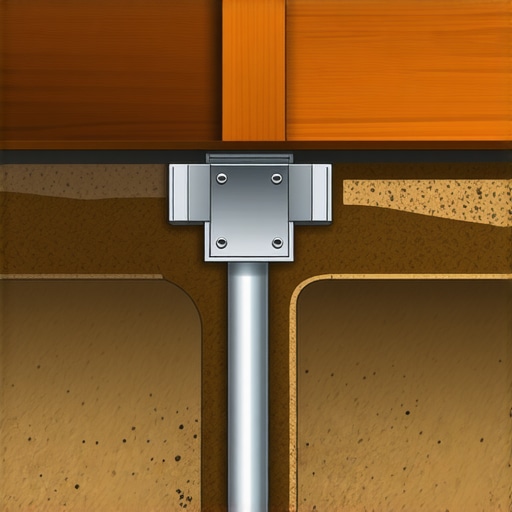 Many homeowners and even seasoned builders often fall prey to misconceptions about deck design, especially when it comes to composite decking, railing systems, and pergolas. One widespread myth is that choosing high-end composite boards automatically ensures long-term durability and a flawless appearance. However, in my experience, the nuances of installation and material choice play a pivotal role. For example, some assume that a thicker board thickness always translates to better performance, but without proper support spacing and expansion gaps, even the sturdiest-looking decking can warp over time. An advanced mistake I see frequently is neglecting the importance of ventilation in railing posts and pergola supports. Without adequate airflow, trapped moisture can accelerate deterioration, counteracting the very durability claims made by manufacturers. A common trap is to use standard post bases for pergolas without considering the slight air gaps necessary for moisture escape, as highlighted in this expert guide. When designing these features, think beyond aesthetics—consider airflow, support reinforcement, and material expansion to avoid costly repairs later.
One question I often encounter from more experienced readers is: “How do I prevent composite decking from fading or warping under extreme heat?” Interestingly, studies have shown that choosing heat-resistant composite blends can significantly reduce these issues, especially in sunny climates, as described in the latest trend reports. Also, incorporating strategic shading and proper spacing helps manage heat buildup, ensuring longevity and aesthetics.
Finally, the importance of meticulous support placement cannot be overstated. For instance, aligning joists and supporting beams precisely not only enhances structural integrity but also minimizes the risk of warping and sagging, especially when heavy features like hot tubs are involved. An incorrectly supported deck can lead to uneven board movement and safety hazards, a mistake that’s often overlooked during initial planning but becomes painfully clear over time. Don’t forget—every element from the smallest screw to the main support beam influences the overall health of your outdoor space. Want to explore innovative support systems? Check out this resource for expert solutions.
Have you ever fallen into this trap? Let me know in the comments.
Keeping your deck in top shape over time requires more than just initial construction; it demands the right tools and consistent maintenance routines. From precise measurement instruments to specialized cleaning equipment, the right gear can make a significant difference in how effectively you can monitor and preserve your outdoor space.
Essential Tools for Deck Maintenance
One tool I rely on heavily is a high-quality digital moisture meter. Measuring moisture content in wood and composite materials allows me to detect potential issues before they become visible problems, such as swelling or warping. Personally, I prefer models with pinless technology, like the Tramex CME Series, because they provide quick, non-invasive readings across different materials.
Another indispensable tool is a laser level. Accurate leveling is crucial when aligning boards, railings, or pergolas. Using a laser level ensures consistent gaps and prevents uneven surfaces that could lead to long-term stress points. I recommend the Bosch Cross Line Laser for its reliability and ease of use in outdoor conditions.
For cleaning, I swear by a soft-bristle brush and a biodegradable cleaner specifically formulated for composite decking. Power washing can be tempting, but, as highlighted in this article, it may damage the surface or force water into underlying layers, accelerating deterioration.
Strategies for Long-Term Success
Regular inspections are a cornerstone of maintenance. Using a checklist that includes checking fasteners, support posts, and drainage gaps helps identify issues early. Keeping a record, aided by digital tools like Trello or Notion, helps track when each component was last serviced, facilitating timely interventions.
Implementing protective measures such as applying UV-resistant sealers and anti-slip coatings extends your deck’s lifespan. It’s prudent to schedule these treatments annually, especially in climates with high sun exposure or frequent rain. The proactive use of sealers, as discussed at this resource, can significantly reduce maintenance costs over time.
Scaling Your Deck System
As your outdoor space evolves, so does your maintenance toolkit. For larger decks incorporating multiple pergolas or complex railing systems, modular tools like cordless impact drivers streamline fastener replacements or adjustments. I often use a Makita impact driver with a selection of driver bits tailored for different fastener types—no more struggling with stripped screws or inconsistent torque.
Looking ahead, advancements in sensor technology and automation may soon enable decks to self-monitor conditions and alert homeowners via smartphone notifications. Smart sensors embedded in support beams could track moisture, stress, or temperature, providing data that informs maintenance before visible deterioration occurs. This trend could revolutionize how we manage outdoor living spaces, making them even more resilient and low-maintenance.
How do I maintain my deck over time?
Establishing routine inspections, leveraging precise measurement tools, and applying preventive treatments are key. Regularly using a moisture meter ensures you catch early signs of water intrusion, while a laser level helps keep all components aligned. Starting with these practices now can save you time and money in the long run—so why not try calibrating your level today or testing a section of your deck with a moisture meter? Small steps like these empower you to keep your deck working smoothly for years to come.
Don’t forget, if you’re considering scaling up or upgrading your deck, visiting our contact page can connect you with experts who can guide you through advanced solutions tailored to your outdoor space.

The Hidden Lessons I Wish I Knew When Building My Deck
- One of my biggest surprises was realizing that even premium pressure-treated lumber isn’t guaranteed to stay straight. The natural tendencies of wood, combined with seasonal moisture changes, demand proactive measures that aren’t obvious at first glance.
- I’ve learned that support support spacing and ventilation aren’t just technicalities—they’re the backbone of long-lasting decks. Small oversights here can lead to warped boards and structural woes years down the line.
- Choosing the right materials is crucial, but how you install them makes all the difference. Hidden fasteners, proper expansion gaps, and support reinforcement transform a good deck into a resilient masterpiece.
- Designing for drainage and airflow pays dividends. Even modest slopes and ventilation gaps can prevent moisture buildup that causes warping and rot, saving you time and money.
- Routine maintenance isn’t a chore—it’s an investment. Regular inspections, moisture testing, and timely protective treatments keep your outdoor haven looking its best for decades.
My Essential Arsenal for Deck Durability and Aesthetics
- Digital moisture meter: I trust the Tramex CME series because it gives quick, non-invasive readings, helping catch issues before they escalate.
- Laser level: Precision in aligning boards and supports is vital. Bosch’s cross-line laser has been a game-changer for ensuring consistency.
- Composite deck cleaner: Gentle, biodegradable cleaners used with soft brushes preserve the surface and prevent damage from power washing. Check out dedicated formulas recommended by experts.
- Support measurement tools: Proper spacing and cross-supports, like support spacers and brackets, prevent warping and sagging over complex layouts or heavy loads.
Your Next Step Towards Deck Excellence
Building a deck that stands the test of time and weather is both an art and a science. Your awareness of nuanced details—support support, ventilation, material choice—can make all the difference. If you’re contemplating improvements or new installations, consider visiting this resource on weather-resistant decking for inspiration. Remember, your outdoor space isn’t just a project; it’s a personal sanctuary waiting to thrive for years to come. Are you ready to apply these insights and elevate your decking journey? Let me know your thoughts below.
Comments are closed.