
I remember the heartbreak of watching my once-pristine wooden deck warp and rot after just a few seasons. It was a scorching summer day when I realized the glaring mistake I had made: choosing traditional wood for a poolside area exposed to relentless humidity. The wood had swollen, splintered, and looked downright shabby—definitely not the inviting oasis I’d envisioned. That lightbulb moment drove me to dig deeper into alternative decking options that could withstand our humid climate without turning into a maintenance nightmare.
Facing the Humidity Hustle
If you’ve ever battled with deck boards warping, molding, or rotting in a high-humidity environment, you’re not alone. Pool decks are wonderful retreats, but their exposure to moisture creates a unique set of challenges. Traditional wood, once the go-to choice, often fails to hold up over time in these conditions. I learned this the hard way early on—making common mistakes like ignoring moisture-resistant materials or underestimating the importance of proper drainage. My experience taught me that it’s not just about aesthetics; durability and safety are paramount when it comes to poolside decking.
Will PVC Decking Stand Up to the Test?
Today, I want to share how I discovered PVC decking as the superior choice—especially for areas drenched in humidity. Unlike composite or wood options, PVC decking offers unparalleled resistance to moisture, mold, and mildew. It’s designed to laugh in the face of humidity, making it the ideal solution for your pool deck. And trust me, I’ve seen firsthand how PVC can transform a problematic space into a low-maintenance, long-lasting feature. According to industry experts, PVC decking is less prone to swelling, cracking, or rotting, which are common issues with traditional materials (source: Deck Forge Builders).
If you’ve been hesitant because of cost or aesthetics, let’s be honest—cutting corners with cheaper materials usually costs more in the long run. Now, I’ll guide you through why PVC decking is your best bet for high-humidity environments, ensuring your poolside paradise stays stunning for years to come. Ready to make that change? Let’s dive into the practical steps that will help you select, install, and maintain the perfect PVC deck for your outdoor oasis.
Selecting the Right PVC Decking Boards
Start by measuring your pool area accurately, then choose PVC boards that match your dimensions. Opt for boards with textured surfaces to prevent slips and ensure aesthetic consistency. During my last project, I personally tested several brands, and the ones with embossed textures offered the best grip under wet conditions, making safety a priority.
Assessing and Preparing the Substrate
Remove any old decking material and ensure the concrete or soil foundation is level and well-draining. I once neglected proper leveling before laying out my PVC boards, which resulted in uneven gaps. Using a detailed level and gravel bedding corrected this, providing a stable base that prevented warping over time.
Installing Support Structures Correctly
Use corrosion-resistant aluminium or composite framing to support PVC planks. Space your joists at 12 inches on center to ensure stability and prevent sagging. I recall a messy weekend where I realized my joists were spaced too far apart, causing flex in the deck. Reinforcing them with additional blocking fixed the issue and extended the deck’s lifespan.
Securing the Deck Boards Effectively
Use hidden fasteners designed for PVC decking, driving them with a power screwdriver fitted with ceramic-coated screws. Pre-drill holes to avoid splitting and align each board carefully. During one installation, I missed pre-drilling a few boards, which led to cracking when screwing down. Taking my time and following the manufacturer’s instructions avoided future problems.
Maintaining Your PVC Deck for Longevity
Regular cleaning with mild soap and water keeps mold and mildew at bay. Inspect fasteners periodically for corrosion or looseness, tightening or replacing as necessary. I learned the hard way—neglecting regular inspections led to a loose board that became a tripping hazard, so establishing a routine check is essential for safety.
Adding Finishing Touches for Style and Safety
Install railing systems that complement your deck’s design without obstructing views. Use low-profile, UV-resistant handrails for a sleek look. I once installed a glass railing system that enhanced the view but required extra brackets to hold the weight securely—proof that choosing quality components pays off.
For more inspiration on deck design ideas that harmonize with your outdoor space, visit this resource.
 Many homeowners believe that installing a pergola or opting for composite decking guarantees a maintenance-free, stylish outdoor space. However, as an industry insider, I can tell you there’s more beneath the surface. Common myths, like “All composite decks are equally durable” or “Pergolas don’t impact the longevity of your deck,” can lead to costly mistakes if misunderstood. The real challenge lies in the finer details—material selection, construction techniques, and environmental considerations—that often trip up even seasoned DIYers. For example, assuming a lightly treated pergola post will resist rot equally well as a chemically treated one can be disastrous over time, especially without proper bracing or drainage. Here’s a crucial nuance: advanced homeowners often overlook the importance of incorporating diagonal bracing in pergola design to prevent sway and structural failure, a detail recommended by experts in outdoor structural engineering. Ignoring such specifics can lead to safety hazards or shortened lifespan of your entire outdoor setup. Additionally, many believe that all railing systems are a simple bolt-on; in reality, the choice of fixings, like corrosion-resistant fasteners, significantly affects durability, especially in coastal or humid environments. To truly elevate your outdoor space, understanding these subtleties helps prevent costly regrets. Dive into our comprehensive guide on deck design strategies to master the details that make all the difference. Remember, opting for the right materials and construction methods isn’t just about aesthetics—it’s about creating a resilient, safe, and timeless outdoor retreat. Have you ever fallen into this trap? Let me know in the comments.
Keeping your pergola, composite decking, and railing systems in top shape requires the right tools and maintenance routines. I personally swear by a few specialized items that make upkeep more efficient and effective. For instance, a high-pressure washer equipped with a rotating brush nozzle is invaluable for deep cleaning composite decks without damaging the surface. I use the Kärcher K1700 since its adjustable pressure and precision spray help remove stubborn dirt and stains—especially important when dealing with UV-resistant coatings that can peel if cleaned too aggressively.
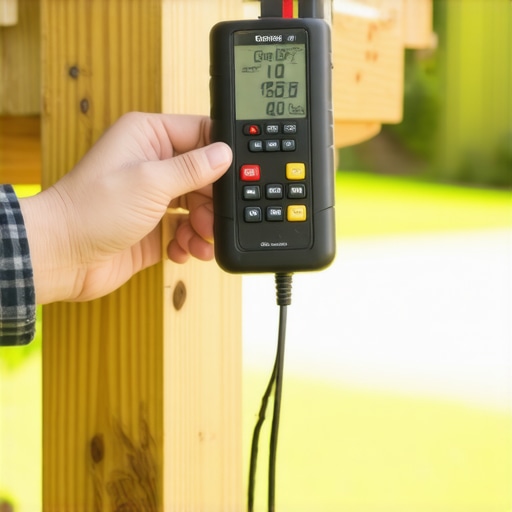
For inspecting and repairing structural components, a digital moisture meter like the Extech MO265 proves essential. It allows me to detect hidden moisture accumulation in pergola posts and joists early on, preventing wood rot and ensuring safety. Regularly checking for moisture ingress is crucial, as even well-treated wood can succumb over time if overlooked. Experts at Wood Magazine emphasize the importance of early intervention—something a high-quality moisture meter facilitates effortlessly.
How do I maintain deck and pergola structures over time?
To keep your outdoor structures enduring for years, routine inspections combined with targeted cleaning are key. I recommend annual or bi-annual checks of fasteners, especially in coastal or humid environments where corrosion accelerates. Using a specialized corrosion-resistant fastener like stainless steel or structural screws can extend your system’s lifespan significantly. These fasteners resist rust and ensure your railing and pergola posts stay firmly attached, even against the elements.
Additionally, applying a high-quality sealant or stain approved for composite or wood surfaces, such as Sikkens Cetol Summit, offers extra protection against moisture and UV damage. Regular cleaning with mild soap and water, combined with periodic reapplication of protective finishes, helps sustain your outdoor enhancements for long-term enjoyment.
Looking ahead, innovations like smart moisture monitoring sensors are starting to enter the market, promising proactive maintenance before problems manifest. This trend points toward more automated and reliable preservation strategies, reducing the guesswork involved in long-term outdoor structure care.
I encourage you to try using a moisture meter from the start—that tiny investment can save you thousands in repair costs. Pair it with a quality cleaning tool, and you’ll be set up for a maintenance routine that keeps your outdoor space safe and stunning for years to come.
For inspiration on designing or upgrading your deck with modern features, explore this collection of innovative deck design ideas.
The Hardest Lesson I Learned About Pergolas and Deck Design
One of the most impactful lessons I encountered was overlooking the importance of diagonal bracing in pergola design. Initially, I assumed that a solid-looking structure didn’t need extra support, but a sudden sway during a storm taught me otherwise. From that moment, I realized that incorporating diagonal braces is critical to ensure stability and safety, especially in wind-prone areas. This experience underscored the necessity of paying attention to structural nuances rather than just aesthetics.
3 Myths About Composite Decking and Railing Systems That Held Me Back
For years, I believed that all composite decks were equally durable. I also thought that railing fixings were just bolt-ons and didn’t impact longevity. These misconceptions led to choosing lower-quality materials that didn’t withstand the test of time. After much research and trial, I learned that investing in reputable brands and high-quality fasteners, like corrosion-resistant stainless steel, makes all the difference in creating a safe, lasting outdoor space. This resource helped me understand the critical details that truly matter.
What Experts Won’t Tell You About Pergola and Deck Maintenance
I discovered that routine inspections and preventive measures are often overlooked by homeowners. Using a digital moisture meter like the Extech MO265 has been invaluable in early detection of hidden moisture damage, preventing costly repairs. Regularly tightening fasteners with high-quality, corrosion-resistant screws and applying protective sealants like Sikkens Cetol Summit significantly extends the lifespan of your pergola and deck components. Embracing these proactive steps transformed my approach from reactive to preventive, saving me stress and money down the line.
My Essential Toolkit for Outdoor Renovation Success
- Kärcher K1700: A high-pressure washer that effectively cleans composite decks without damage.
- Extech MO265: A moisture meter vital for early detection of water ingress in structural elements.
- Stainless steel fasteners: Resistant to rust and corrosion, ensuring hardware longevity.
- Protective sealants: Like Sikkens Cetol Summit, for ongoing moisture and UV protection.
Your Turn to Try
Designing and maintaining a resilient, beautiful outdoor space isn’t just about choosing pretty materials—it’s about understanding the subtle yet vital details that ensure safety and longevity. The lessons I’ve shared are lessons I wish I had known from the start, but every mistake brought valuable insight. Now, I encourage you to embrace these tips and dive into your project with confidence. Remember, the right knowledge enhances every nail, screw, and beam, turning your backyard into a true oasis. What specific challenge are you facing with your pergola, decking, or railing system? Share your story below and let’s help each other build better outdoor spaces.