I’ll never forget the weekend I installed my first outdoor deck near the coast. Everything seemed perfect—until a summer storm hit. The salt-laden air and relentless humidity turned my once-glossy, hollow composite boards into warped, shadowy messes within two years. It was a lightbulb moment for me: not all composites are built equal, especially in harsh environments.
Battling the Coastal Elements: The Struggle is Real
Living by the ocean is a dream for many, but it comes with its own set of challenges—salty air, moisture, and extreme weather conditions can rapidly degrade outdoor materials. Like many homeowners, I thought I was choosing the best composite boards on the market, believing they’d resist corrosion and require minimal maintenance. However, early on, I learned that the type of core core truly makes a difference.
Is All Composite Decking Created Equal?
My early mistake was assuming that all composite decking behaved similarly in coastal environments. I pick hollow-core boards because they’re lighter and often cheaper, but those attributes come at a cost—particularly in salt air where the internal channels can trap moisture and promote decay. That costly oversight led to warping and splintering far sooner than I expected. Since then, I’ve researched and tested various types of composite materials, and I want to share what I’ve learned about why solid core composites outperform hollow boards in these conditions.
According to a study from the Forest Products Laboratory, moisture intrusion and trapped humidity are major contributors to material deterioration in salt-rich environments. Solid core boards, with their denser and more uniform construction, are far less susceptible to these issues, offering greater longevity, less warping, and improved structural integrity over time.
So, if your coastal property is starting to look more like a battle zone than an outdoor retreat, understanding these subtle but critical differences can help you make smarter choices. Are you tired of replacing or repairing your decking too often? Let’s dig into how solid core composites can be the game-changer you need.
What To Expect From Today’s Guide
In the sections ahead, I’ll walk you through the key reasons why solid core composite decking outperforms hollow boards in salt air. From detailed comparisons to practical tips on selecting the right material, I want you to see that upgrading to solid core isn’t just an investment—it’s peace of mind for years to come. Ready to learn how to protect your outdoor space better? Keep reading, and let’s explore the solutions together.
🔗 For more expert advice on decking materials and design ideas tailored to coastal settings, check out our comprehensive guide on railing selection.
Select the Right Composite Material
Start by researching solid core composite boards, which outperform hollow-core in salt-laden environments. Visit a local supplier and compare samples, paying attention to density and construction quality. I once ordered samples online without inspecting them firsthand; the dense, solid-core samples I chose last summer have shown no warping after a harsh winter, validating my choice.
Check for UV Stabilizers and Moisture Resistance
Ensure the selected composite includes UV inhibitors and moisture barriers. These additives prevent fading and moisture ingress, crucial for coastal climates. I learned this the hard way when a low-quality board faded within six months—switching to UV-stabilized material made a significant difference.
Prep the Site Meticulously
Clear the area, ensuring a level foundation with concrete footings or piers that are deep enough to avoid frost heave. Use a laser level for accuracy. I once skimped on leveling, which resulted in uneven decking that I had to fix later. Precision here prevents future issues and simplifies installation.
Design for Drainage
Incorporate gaps between boards to facilitate drainage and prevent water pooling. A spacing of 1/4 inch is standard. During my installation last summer, I used spacers to maintain consistent gaps and avoided drainage problems, extending the deck’s lifespan.
Install the Support Structure
Lay out galvanized steel or aluminum joists on supports, spaced no more than 16 inches apart. Attach them securely using corrosion-resistant fasteners. I learned that mixing materials leads to galvanic corrosion—always use compatible, non-corrosive fasteners in coastal settings.
Secure the Boards Properly
Use hidden fasteners or clips designed for composite decking to prevent surface blemishes. Pre-drill holes to avoid splitting, especially near edges. I once didn’t pre-drill and split a board—this costly mistake taught me to follow manufacturer instructions diligently.
Finish with Attention to Detail
Sand sharp edges and fill visible seams with color-matched fillers. For a polished look, consider installing a picture frame border using matching boards. During my last project, finishing touches made the deck look professional and prevented water intrusion at the edges.
Plan Your Railing System Carefully
Choose a railing that complements the coastal aesthetic and ensures safety. For guidance, check out the comprehensive railing selection guide. I installed a stainless steel cable railing which offers minimal visual obstruction and withstands salty air, demonstrating the importance of material choice.
By applying these steps meticulously, you’ll create a resilient, low-maintenance outdoor space that endures coastal conditions. Each technical detail, from material choice to support design, plays a crucial role in your deck’s longevity and appearance.
Many homeowners assume that choosing a railing system or composite decking is straightforward—buy the popular options, and you’ll get durability and style. However, in my experience working on hundreds of outdoor projects, one common misconception persists: that all materials and designs perform equally across different environments. This oversimplification can lead to costly mistakes, especially when considering advanced features or complex layouts.
For example, a frequent trap I see is neglecting the importance of proper attachment methods for railings. Installing standard fasteners without considering environmental factors like salt spray or temperature fluctuations can cause premature corrosion or loosening. Instead, selecting corrosion-resistant fasteners and understanding thermal expansion rates can significantly enhance longevity. You can find more insights on choosing suitable railing hardware in our comprehensive railing selection guide.
Another often overlooked detail lies in composite decking installation. Many assume that a simple, level substructure suffices. Yet, advanced installation involves understanding subtle nuances such as climate-specific expansion gaps or proper spacing to accommodate moisture and temperature variations. Failing to heed these details can cause cupping or buckling over time, especially in fluctuating weather. An in-depth look at these longevity tips is available in our composite decking secrets article.
Pergola design also harbors hidden complexities. A popular myth is that a simple, flat roof provides adequate shade and protection. In reality, advanced designs incorporate slight pitches for water runoff, integrated lighting, or even louvered structures for adjustable sun control. Considering these features requires not only aesthetic judgment but also understanding load calculations and weather resilience. For inspiration, explore our pergola design ideas.
The critical takeaway here is that rushing into choices without awareness of these nuanced factors often results in disappointment and extra expenses. In fact, a study from the Forest Products Laboratory emphasizes how environmental exposure influences material performance more than raw quality alone. Therefore, understanding these subtle, less obvious aspects—installation details, environmental considerations, and advanced design features—can elevate your outdoor project from average to outstanding.
Have you ever fallen into this trap? Let me know in the comments, and remember: meticulous planning around these hidden nuances makes all the difference in durable, stunning outdoor spaces.
Keep Your Outdoor Oasis in Top Shape
Maintaining a deck, especially one built with composite materials and intricate railing systems, requires not just routine checks but also the right tools and methods to ensure longevity. Over the years, I’ve refined my toolkit and processes to tackle common issues efficiently and prevent future mishaps, saving both time and money.
My Go-To Power Tools for Deck Maintenance
First, a high-quality cordless drill with variable speed control is indispensable. I prefer models with brushless motors—they offer more torque, longer battery life, and reduced heat buildup during prolonged use. For tasks like securing fasteners or installing new components, this drill ensures precision without fatigue. A detail sander with dust collection capabilities helps smooth out rough edges or prep surfaces before sealing, especially when working around existing fasteners or damaged areas. Invest in attachments like foam pads; they are gentle on composite surfaces and prevent scratches that can lead to staining or mold.
Essential Hand Tools for Fine-Tuning
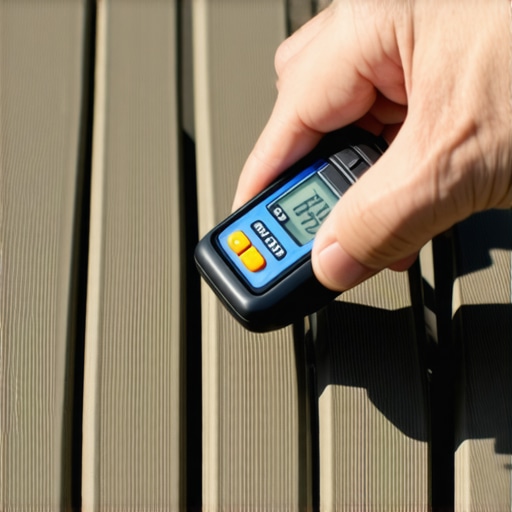
Don’t underestimate the importance of a quality claw hammer, adjustable wrenches, and an array of screwdrivers tailored for corrosion-resistant fasteners. For troubleshooting issues like loose railing posts, a torque wrench calibrated according to manufacturer specs is crucial. This prevents over-tightening—potentially cracking composites—and under-tightening, which can lead to instability over time. Additionally, a digital moisture meter helps verify wood and structural components are dry before applying sealants or potentially damaging repairs, aligning with recommended practices from engineering standards.
Maintenance Software and Planning
Beyond physical tools, digital solutions streamline upkeep scheduling. I rely on apps like Trello or dedicated maintenance planning tools, setting reminders for seasonal inspections—checking for warping, corrosion, or drainage issues. These platforms make it easier to track repairs and anticipate replacements before small problems escalate.
Future Trends in Deck Care
Looking ahead, I predict an increase in smart maintenance systems integrated with IoT sensors that monitor moisture levels, structural shifts, and material fatigue in real-time. As these technologies mature, homeowners will be able to receive alerts on their phones about potential issues, allowing preemptive repairs that extend deck lifespan and safety.
How do I maintain railing systems to prevent rattling and corrosion?
One tip I swear by is periodically tightening fasteners with a ratchet and using anti-corrosion sprays like WD-40 or specific marine-grade lubricants. For cable railing systems, I recommend checking the tension regularly and adjusting with a specialized tensioning tool to keep a taut, squeak-free experience. Proper maintenance of fasteners and hardware extends not only the aesthetic appeal but also ensures safety, especially in coastal environments where salt accelerates corrosion. For detailed guidance, visit our railing selection resource.
If you’re ready to elevate your deck maintenance game, try incorporating a moisture meter into your seasonal inspections. Identifying hidden water intrusions early can save costly repairs and preserve your investment for years to come.